What is texture in art?
Short answer
Texture is the perceived surface quality of an artwork, encompassing both the physical tactile feel of a medium and the visual illusion of depth. It serves as one of the seven elements of art, allowing creators to add complexity, emphasize focal points, and evoke emotional responses through varied patterns and surface treatments.
On this page
What are the different types of texture in art?
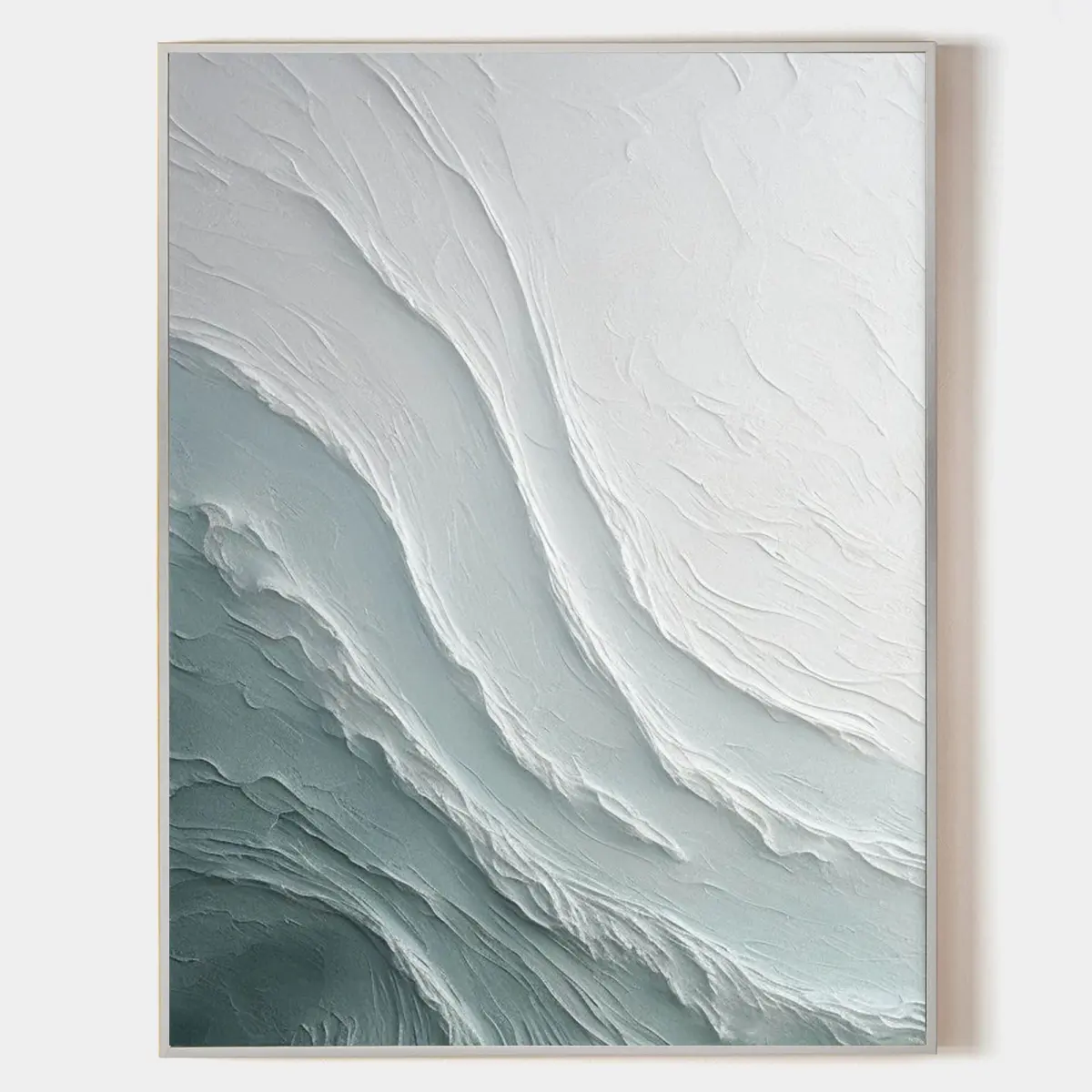
Texture is categorized into two primary types: tactile and visual. Tactile texture, or actual texture, refers to the physical three-dimensional surface of a work that you can feel with your fingers. This is common in sculpture, ceramics, and impasto painting, where thick layers of pigment create ridges and valleys on the canvas. Artists like Vincent van Gogh famously utilized this technique, applying paint so heavily that the brushstrokes become physical protrusions that catch light and shadow.
Visual texture, or implied texture, is a two-dimensional representation of a surface that is actually smooth. Through the strategic use of line, value, and color, an artist tricks the viewer's eye into believing a surface has a specific quality, such as the softness of fur or the roughness of stone. This is essential in drawing and photography, where the artist must rely on shading and mark-making to simulate the tactile experience without altering the flat surface of the paper.
How do artists create texture in painting?
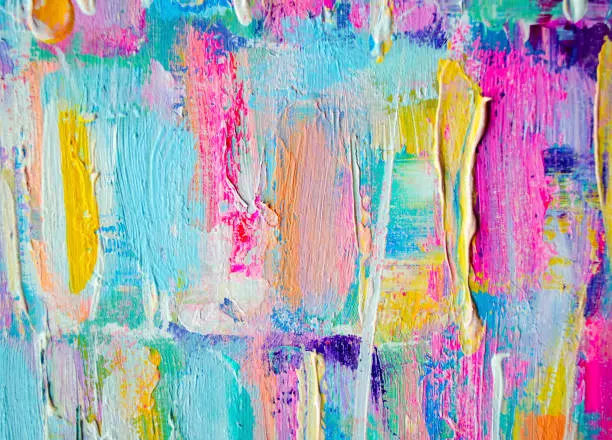
Creating texture in painting often involves manipulating the medium itself or the tools used to apply it. Painters can add substances like modeling paste or sand to acrylic paint to increase its viscosity and create rugged, sculptural surfaces. Alternatively, the choice of brush or tool significantly alters the final result. A stiff-bristled brush creates scratchy, energetic marks, while a palette knife produces flat, sharp-edged planes of color that emphasize the physical weight of the paint.
To experiment with these techniques, follow these steps:
- Apply a thick layer of gesso to your canvas to create a base texture before you begin painting.
- Use a fan brush to create soft, feathery textures suitable for clouds or foliage.
- Drag a dry brush with minimal paint across the canvas to catch only the high points of the surface, creating a "scumbling" effect.
- Experiment with non-traditional tools like sponges, combs, or crumpled plastic wrap to press unique patterns into wet paint.
Why is texture important in visual composition?
Texture plays a critical role in guiding the viewer’s eye and establishing the mood of an artwork. By contrasting smooth areas with highly textured ones, an artist can create a clear focal point, as the human eye is naturally drawn to areas of high visual complexity. For example, a portrait artist might render the subject's skin with smooth, subtle gradients while using thick, expressive strokes for the background to push the figure forward in space.
Beyond composition, texture communicates information about the subject matter and the artist's intent. A rough, chaotic texture can convey feelings of anxiety, age, or decay, whereas a polished, uniform surface often suggests modernity, cleanliness, or serenity. Understanding how to control these variables allows an artist to manipulate the narrative of a piece. When used effectively, texture acts as a silent language, reinforcing the emotional weight of the subject and providing a richer, more immersive experience for the audience.
Common mistakes when adding texture to art
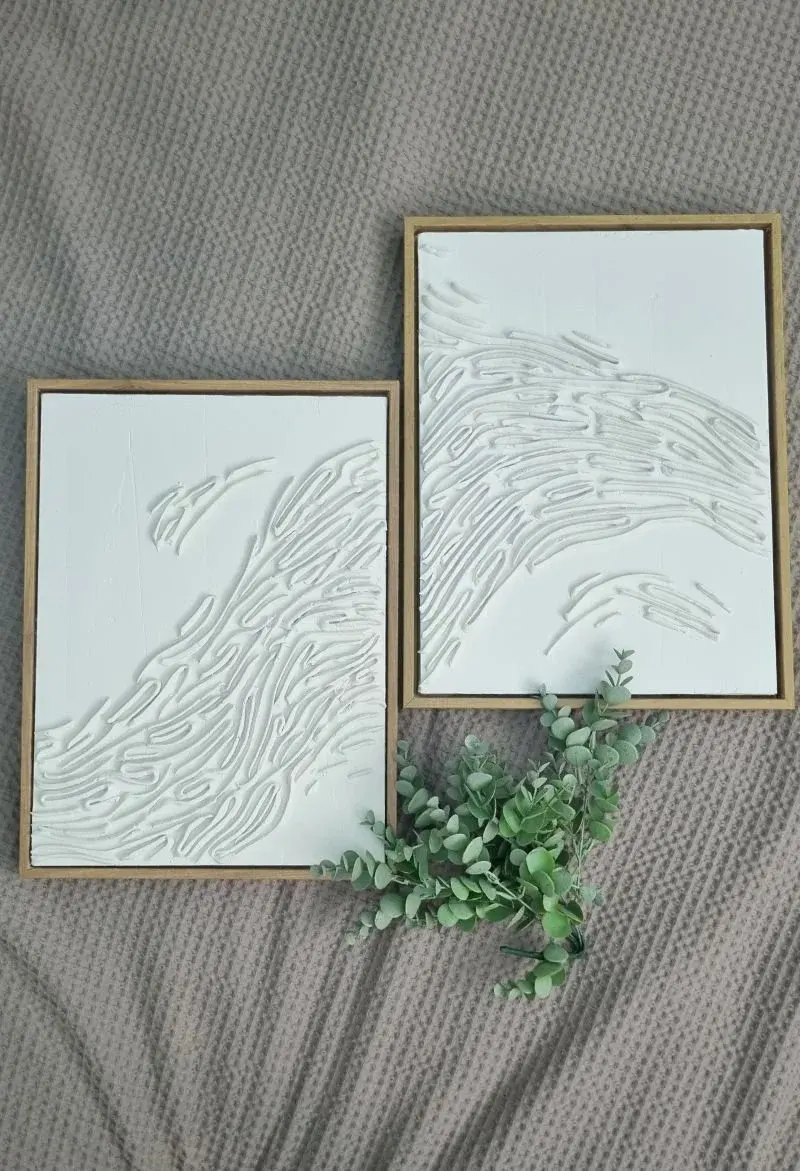
One of the most frequent errors beginners make is over-texturing an entire piece, which leads to visual fatigue. When every inch of a canvas is covered in heavy impasto or complex patterns, the viewer loses the ability to distinguish between important elements and secondary details. To avoid this, maintain a balance by reserving high-texture areas for the focal point of the composition, allowing the rest of the work to recede through smoother applications.
Another common mistake is failing to consider the lighting of the scene when creating implied texture. If an artist draws a textured object without accounting for the direction of the light source, the surface will appear flat and unconvincing. Always ensure that your highlights and shadows align with the physical form you are trying to represent. If you are drawing a rough stone, the indentations must have consistent shadows on one side and highlights on the other to create the illusion of depth.
Best texture techniques for beginners
For those just starting, the most accessible way to learn about texture is through mark-making exercises. You do not need expensive materials to begin; a simple graphite pencil and a sheet of paper are sufficient to explore how different pressures and stroke directions create the illusion of various surfaces. By practicing the following techniques, you will build a foundational understanding of how to translate physical sensations into visual marks.
- Cross-hatching: Use intersecting sets of parallel lines to create darker, more rugged areas that imply depth and weight.
- Stippling: Apply small, individual dots to build up density, which is excellent for creating the appearance of grainy or porous surfaces.
- Smudging: Use a blending stump or your finger to soften edges, creating the appearance of smooth, polished, or atmospheric textures.
- Layering: Build up multiple thin glazes of color to create a sense of depth and luminosity that feels smooth and glass-like.
By mastering these simple mark-making methods, you can begin to see the world not just as shapes and colors, but as a collection of tactile experiences waiting to be translated onto your canvas. Consistency and observation are the most valuable tools in your kit, so take time to study how light interacts with different surfaces in your daily environment before attempting to replicate them in your own creative projects.
Key facts
- Texture is the perceived surface quality of a work of art, categorized as either tactile (physical) or visual (implied).
- Tactile texture can be felt by touch, such as the thick, raised paint strokes found in Vincent van Gogh’s The Starry Night.
- Visual texture is an illusion created by artists using lines, shading, and color to mimic the appearance of a surface, like wood grain or fur.
- Impasto is a technique where paint is applied so thickly that it stands out from the surface, creating a literal three-dimensional texture.
- Collage involves attaching physical materials like fabric, sand, or paper to a canvas to introduce authentic tactile elements.
- A common mistake is over-texturing a composition, which can distract the viewer and make the focal point difficult to identify.
The bottom line
Texture is a fundamental element of art that bridges the gap between sight and touch. Whether achieved through the physical layering of materials like impasto or the clever use of visual illusions, texture dictates how a viewer interacts with a piece. By mastering these techniques, artists can provide depth, create focal points, and evoke specific emotional responses, ultimately transforming a flat surface into a compelling experience.
People also ask
What is the difference between actual and implied texture?
Actual texture is physical and three-dimensional, meaning you can feel the bumps or ridges with your fingers. Implied texture is a two-dimensional representation that tricks the eye into believing a surface has a specific quality, such as softness or roughness, even though the canvas remains perfectly flat.
How do artists create the illusion of texture?
Artists use varied mark-making techniques, such as cross-hatching, stippling, or layering different brushstroke lengths. By manipulating light and shadow, they can replicate the way light hits a textured surface, effectively convincing the viewer’s brain that the object is not smooth.
Why is texture important in a composition?
Texture adds visual interest and depth, preventing a piece from appearing flat or monotonous. It helps establish a hierarchy of importance, as highly textured areas often draw the viewer's eye first, while smoother areas provide a resting place for the gaze.
Can texture influence the mood of an artwork?
Yes, texture significantly impacts emotional response. Rough, jagged, or chaotic textures often evoke feelings of tension, energy, or distress, while smooth, polished surfaces tend to convey calm, elegance, or serenity.
What is the best way to practice creating texture?
Start by sketching the same object using different mark-making styles, such as hatching for metal and soft blending for skin. Experiment with mixed media by adding grit, modeling paste, or collage elements to a canvas to see how physical depth changes your perspective.
Does lighting affect how we perceive texture?
Lighting is crucial because it creates shadows within the physical crevices of a textured work. In photography or gallery settings, directional light highlights raised areas and deepens shadows, which emphasizes the three-dimensional quality of the surface.
This answer was created with the help of AI research tools and reference sources. Spotted an error? Let us know — we correct mistakes quickly. See our editorial policy.