What is pattern in art?
Short answer
Pattern is the systematic repetition of visual elements—such as lines, shapes, colors, or textures—across a surface. It functions as a fundamental design principle that creates rhythm, unity, and visual interest. By organizing motifs in a predictable or varied sequence, artists guide the viewer's eye and establish a cohesive structure within a composition.
On this page
What are the different types of patterns in art?
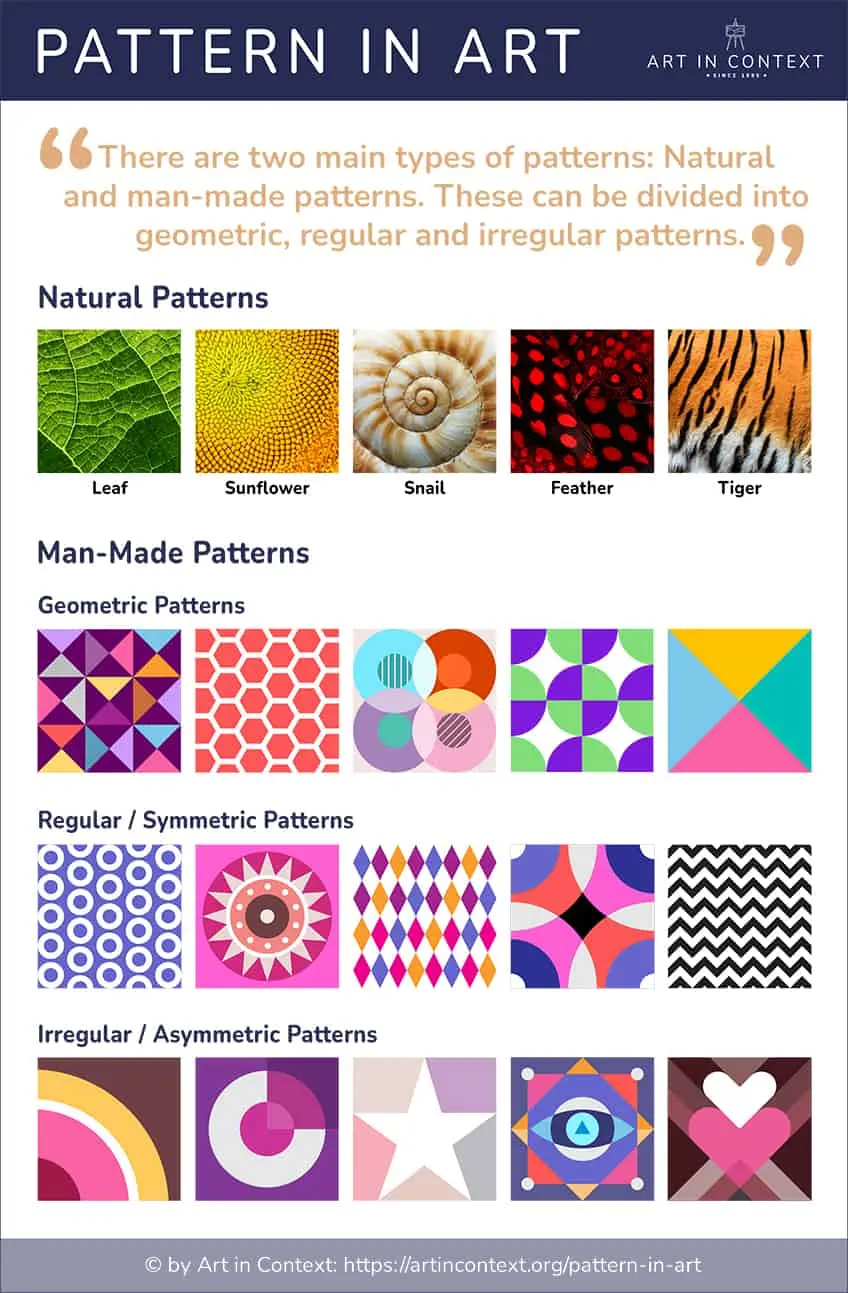
Patterns generally fall into two primary categories: natural and man-made. Natural patterns occur spontaneously in the environment, such as the veins on a leaf, the stripes on a zebra, or the hexagonal geometry of a honeycomb. These organic arrangements often follow mathematical principles like the Fibonacci sequence, which provides a sense of growth and structural integrity to natural forms.
Man-made patterns are intentionally constructed by humans to decorate objects, architecture, or textiles. These can be classified into several distinct structural types:
- Geometric: Utilizes shapes like circles, squares, and triangles arranged in rigid, mathematical grids.
- Floral: Features stylized or realistic depictions of plants, vines, and blossoms, common in wallpaper and fabric design.
- Abstract: Uses non-representational forms or symbols that repeat to create a sense of movement or texture.
- Damask: A sophisticated, reversible pattern often woven into fabric, traditionally featuring intricate, flowing floral or scrollwork motifs.
How do artists create patterns effectively?
Creating a successful pattern requires a clear understanding of the "motif," which is the individual unit that repeats. Artists begin by selecting a primary shape or element and deciding how it will interact with the surrounding space. The spacing between these units, known as the interval, is just as important as the motif itself, as it determines the density and "breathability" of the overall design.
To build a pattern from scratch, follow these steps:
- Select a single motif or a small group of elements that share a common theme or color palette.
- Establish a grid or a structural guide to ensure consistency across the surface.
- Place your motifs systematically, ensuring the negative space between them remains balanced.
- Rotate, scale, or mirror the motifs to introduce subtle variety and prevent the pattern from appearing static or monotonous.
- Review the design from a distance to ensure the repetition creates a cohesive visual rhythm rather than a jarring distraction.
Why is pattern important in art history?
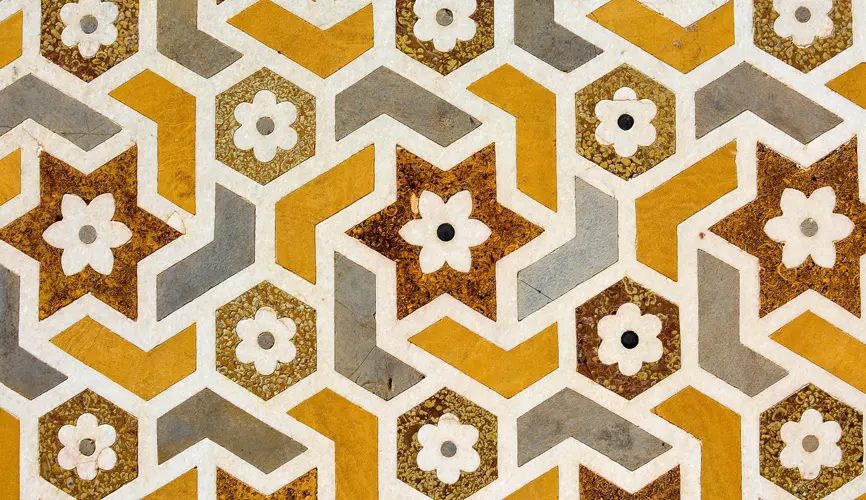
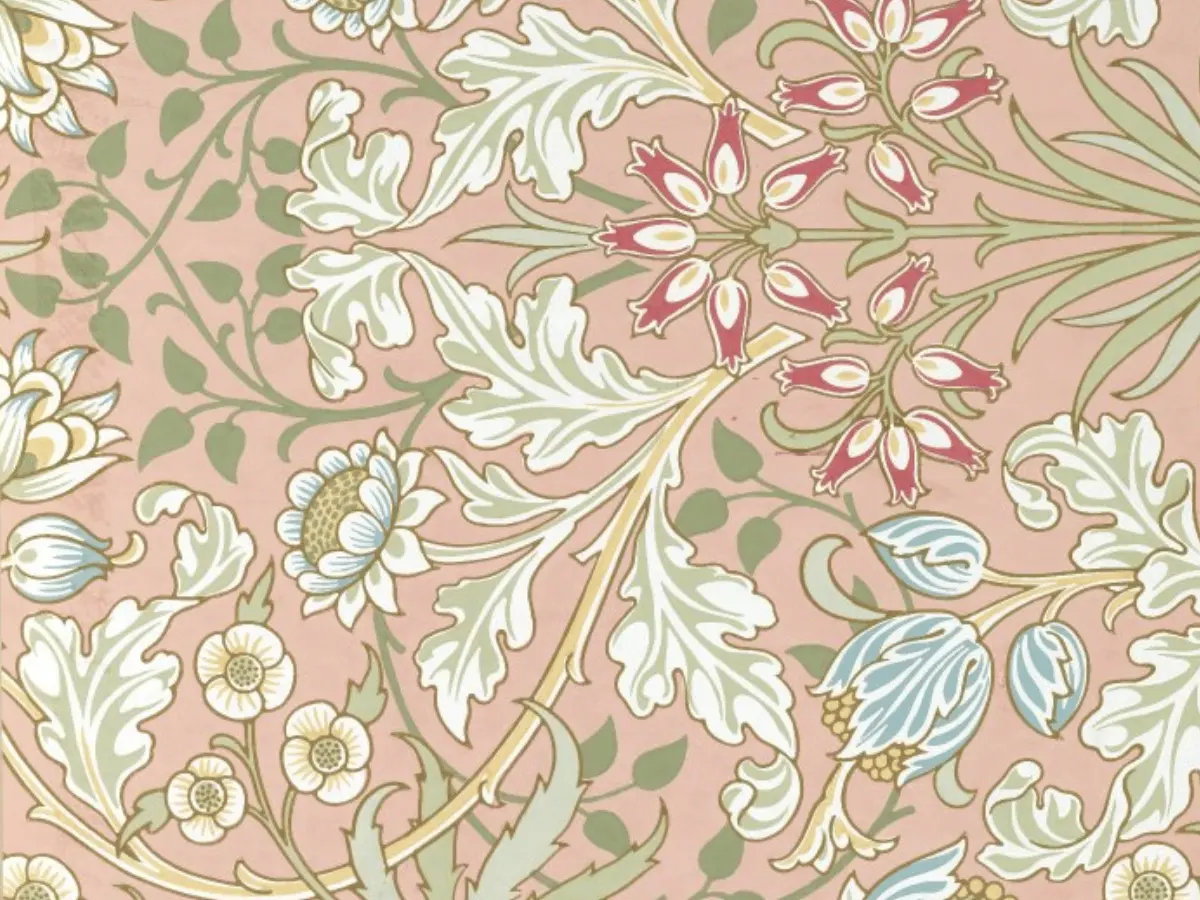
Throughout history, pattern has served as a primary tool for cultural expression and identity. In Islamic art, for example, complex geometric patterns were developed to represent the infinite nature of the divine, avoiding figurative imagery in favor of mathematical perfection. Similarly, the Arts and Crafts movement of the late 19th century, led by figures like William Morris, utilized intricate, nature-inspired patterns to elevate everyday household items into works of fine art.
In the 20th century, the Pop Art movement utilized patterns to comment on mass production and consumer culture. Artists like Andy Warhol famously repeated images of soup cans or celebrities to mirror the repetitive nature of advertising and the media. Pattern acts as a visual language that can signify luxury, tradition, chaos, or order, depending on how the artist manipulates the repetition. It bridges the gap between decorative craft and fine art, proving that even simple, recurring shapes can convey profound meaning.
How to use pattern in your own artwork?
Integrating pattern into your work can enhance the depth and focus of a composition. If you are painting a portrait, for instance, adding a subtle pattern to the subject's clothing can draw the viewer's eye to that area without overwhelming the facial features. When starting out, it is best to experiment with "partial patterning," where you apply a motif to only a specific section of your work rather than covering the entire canvas.
Consider these practical tips for layering patterns:
- Use varying scales: Pair a large, bold motif with a smaller, more intricate one to create visual hierarchy.
- Limit your palette: Using two or three colors across multiple patterns helps unify them, preventing a cluttered or chaotic final result.
- Vary the orientation: Flipping or rotating your motifs can transform a rigid grid into a more fluid, dynamic design.
- Balance with solids: Always pair heavily patterned areas with "resting spaces"—solid colors or empty areas—to give the viewer's eyes a place to pause.
Common mistakes when designing patterns
One of the most frequent errors artists make is creating a pattern that is too busy, which causes the eye to lose focus and creates visual fatigue. This often happens when the contrast between the motif and the background is too high, or when the spacing between elements is inconsistent. Another common pitfall is the "perfect grid" trap, where the repetition is so mechanical that it loses all human touch. While precision is necessary, slight variations in line weight or color density can prevent a design from looking like a sterile computer-generated graphic.
Avoid these pitfalls to maintain artistic quality:
- Ignoring the scale of the surface: A pattern that looks beautiful on a small sketchbook page may become overwhelming when applied to a large wall or textile.
- Overusing complexity: If every element in your pattern is highly detailed, the design loses its impact; balance is key.
- Neglecting the background: The negative space is just as important as the motif; treat the background as an active part of your pattern design.
- Failing to test the repeat: If you are creating a pattern for fabric or wallpaper, ensure the edges of your design align perfectly so the pattern continues seamlessly across multiple sheets or panels.
Key facts
- Pattern is the systematic repetition of a visual element, such as a line, shape, color, or texture, across a surface.
- Artists use patterns to create rhythm, movement, and a sense of visual unity within a composition.
- Patterns can be classified as either natural, such as the veins in a leaf, or man-made, such as geometric tiles or fabric prints.
- The "rule of thirds" is often applied to pattern placement to ensure the design feels balanced rather than stagnant.
- A common mistake is overcrowding a design; leave "negative space" between repeating elements to allow the viewer's eye to rest.
- To create a pattern, start by defining a single "motif"—a basic shape or symbol—and repeat it at consistent intervals.
The bottom line
Pattern is a fundamental design principle that brings order and visual interest to art through the repetition of motifs. By mastering the balance between density, scale, and contrast, you can guide a viewer’s eye and create a sense of harmony. Whether working with geometric grids or organic, flowing shapes, effective patterns transform simple surfaces into sophisticated compositions that feel intentional, rhythmic, and professionally polished.
People also ask
What is the difference between a pattern and a texture?
A pattern is a deliberate, repeating design element, whereas a texture refers to the perceived surface quality or "feel" of an object. While a pattern can create the illusion of texture, texture does not necessarily require a repeating motif.
How do artists use pattern to create depth?
By varying the size and density of repeating shapes, artists can suggest distance or volume. Smaller, tightly packed patterns often appear to recede, while larger, spaced-out elements appear closer to the viewer.
Can patterns be irregular?
Yes, irregular patterns, often called "organic patterns," rely on variations in size and spacing to mimic nature. Unlike strict geometric grids, these patterns feel more fluid and less predictable.
Why is contrast important in pattern design?
Contrast ensures that the individual elements of a pattern are distinguishable from the background. Without sufficient difference in color or value, the pattern may blur into a flat, uninteresting mass.
What is a "tessellation"?
A tessellation is a specific type of pattern where shapes fit together perfectly without any gaps or overlaps. Famous examples include the interlocking geometric tiles found in Islamic architecture and the works of M.C. Escher.
How can I start practicing pattern design?
Begin by drawing a simple geometric shape on a grid and repeating it across a page. Focus on maintaining consistent spacing before experimenting with rotating the shape or alternating between two different motifs.
This answer was created with the help of AI research tools and reference sources. Spotted an error? Let us know — we correct mistakes quickly. See our editorial policy.