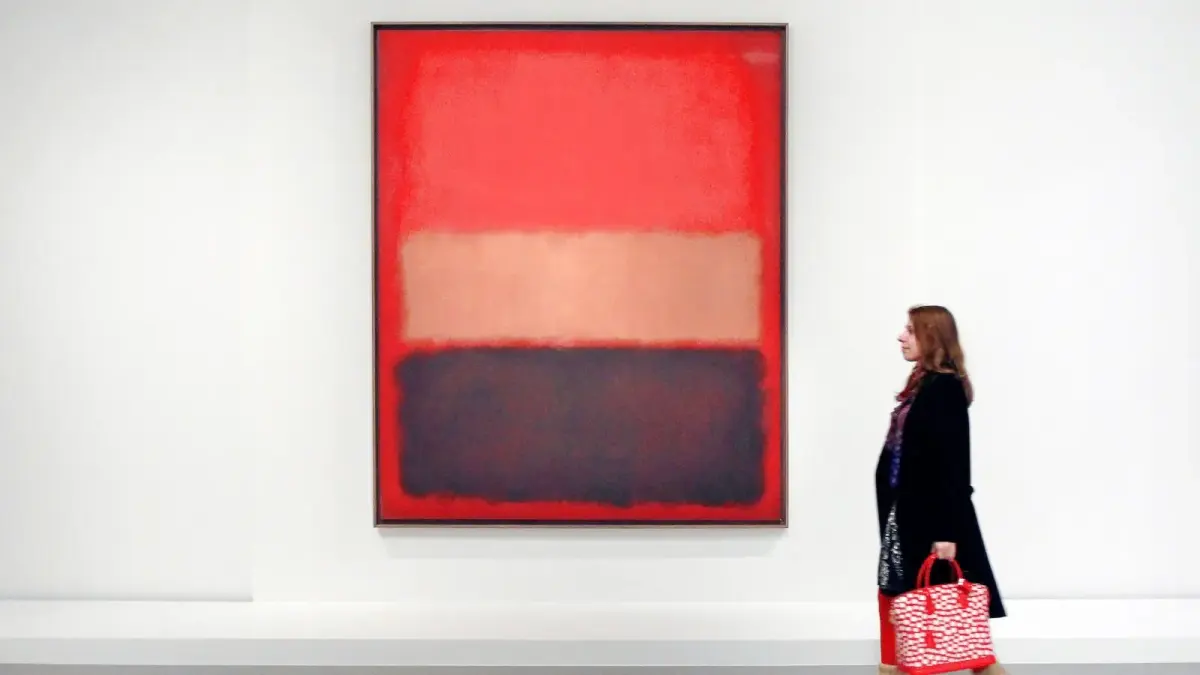
How do you start collecting art?
Short answer
Start collecting art by educating your eye through museum visits and gallery tours before making any purchases. Define a budget, research specific artists or movements, and prioritize works that resonate personally. Begin with accessible mediums like prints or photography to build confidence and experience without requiring significant initial capital investment.
On this page
How to start collecting art on a budget
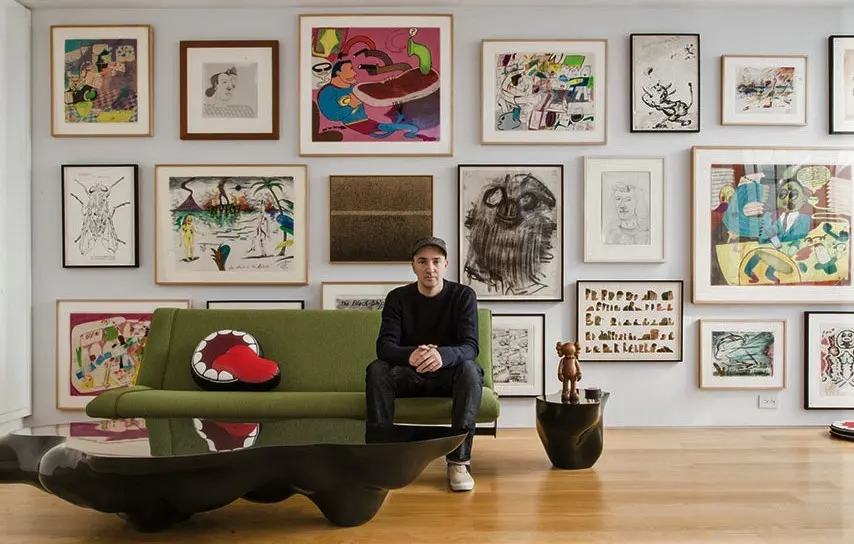
Collecting art does not require a fortune if you focus on emerging artists or accessible mediums. Many collectors begin with limited-edition prints, lithographs, or high-quality photography, which often retail for a fraction of the price of original paintings. These pieces allow you to own work by reputable artists while keeping your financial risk low. You can find these items at specialized print fairs, online marketplaces, or directly through artist-run studios.
To maximize your budget, consider the following strategies:
- Attend graduate degree shows at local art schools to discover rising talent before their prices escalate.
- Explore secondary markets or reputable online auction houses for estate sales where prices may be lower.
- Focus on works on paper rather than large-scale canvases, as they are generally more affordable and easier to store.
- Join museum membership programs to gain access to exclusive previews and educational events that sharpen your aesthetic judgment.
Where to find art for your collection
Navigating the art market involves visiting various physical and digital spaces to understand current pricing and trends. Galleries are the primary venues for primary market sales, where you buy directly from the artist’s representative. Art fairs, such as Art Basel or The Armory Show, bring hundreds of galleries together in one location, offering an efficient way to survey a broad range of styles. If you prefer a more private experience, many galleries now offer comprehensive online viewing rooms.
When searching for your first acquisitions, keep these steps in mind:
- Research the gallery’s reputation to ensure they represent artists with consistent exhibition histories.
- Ask for a provenance document, which tracks the history of ownership for the piece.
- Inquire about the artist's exhibition history, including past solo shows and museum acquisitions.
- Compare prices for similar works by the same artist to ensure you are paying a fair market rate.
How to evaluate the value of an artwork
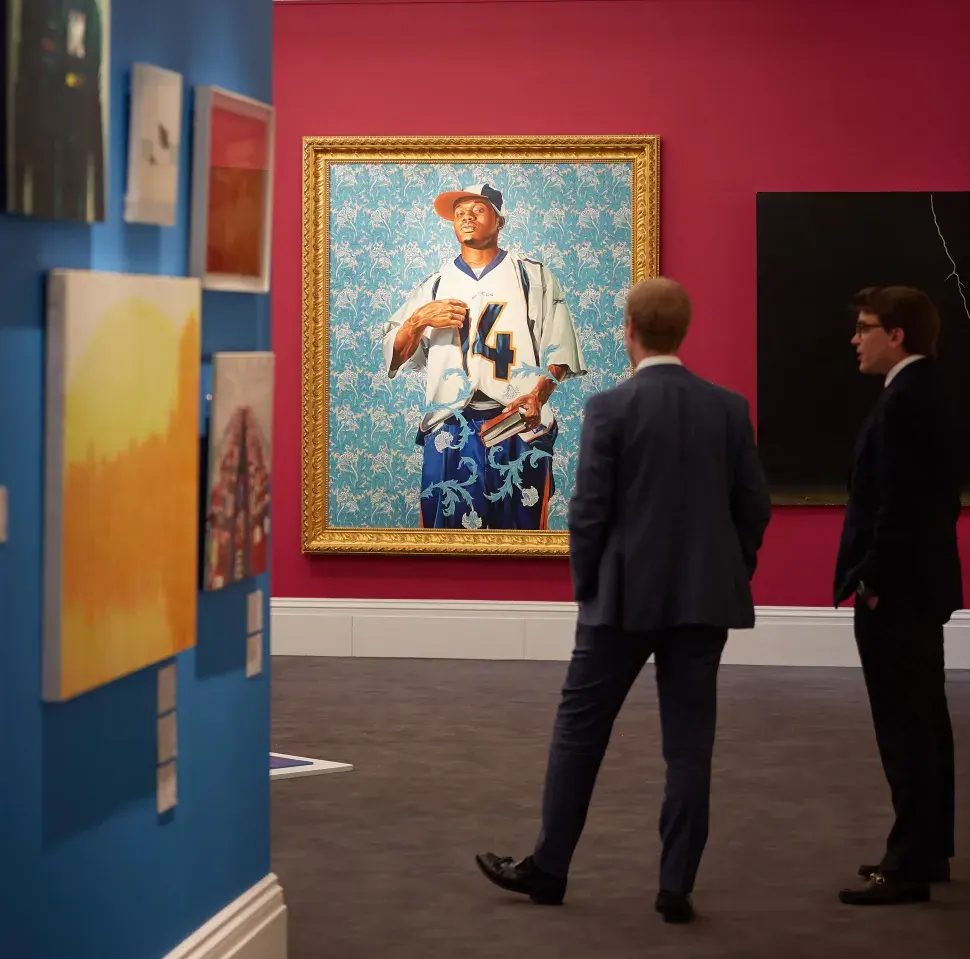
Determining the value of art is a blend of objective data and subjective appreciation. Factors such as the artist’s exhibition history, inclusion in public collections, and critical reviews in major publications like Artforum or The Art Newspaper significantly influence market price. Scarcity also plays a role; a limited edition of 25 prints will generally hold more value than an open edition. Always verify the artist's career trajectory rather than relying solely on current trends.
Beyond the artist's resume, consider the physical condition of the work. A piece with tears, fading, or improper framing can lose significant value over time. If you are purchasing an expensive work, it is standard practice to request a condition report from a professional conservator. This document outlines any existing damage or previous restorations, providing you with a clear picture of the investment’s physical health before you finalize the transaction.
Common mistakes when buying art
New collectors often make the mistake of viewing art solely as a financial asset rather than a personal passion. Treating art like a stock portfolio can lead to impulsive purchases of "hot" artists whose values may plummet once the trend fades. Another common error is failing to account for the hidden costs of ownership, such as professional framing, climate-controlled storage, insurance premiums, and specialized shipping. These expenses can add 20 to 30 percent to the initial purchase price.
Avoid these pitfalls to ensure a rewarding experience:
- Buying art that does not fit your living space or personal taste just because it is a "good deal."
- Neglecting to ask for a receipt or a certificate of authenticity, which is essential for future resale or insurance claims.
- Overlooking the importance of lighting and wall space, which can drastically alter how a piece looks in your home.
- Failing to negotiate; while not always possible, many galleries are willing to offer payment plans or small discounts to new collectors.
How to care for and display your collection
Proper maintenance ensures that your collection retains its value and aesthetic appeal for decades. Art is highly sensitive to environmental factors, particularly ultraviolet light, humidity, and temperature fluctuations. Avoid hanging works in direct sunlight, as this causes pigments to fade and paper to become brittle. Similarly, bathrooms and kitchens are poor locations due to moisture, which can lead to mold growth or warping of canvases and frames.
When displaying your pieces, consider the professional standards used in museums. Use UV-protective glass or acrylic for works on paper to block harmful rays. If you are rotating your collection, store unused pieces in acid-free boxes or portfolios in a cool, dry environment. Periodically inspect your works for signs of pests or environmental damage, and consult a professional conservator if you notice any changes. By treating your collection with care, you preserve the integrity of the work for future generations to enjoy.
Key facts
- Set a firm budget before your first purchase to avoid impulsive overspending.
- Focus on original works, such as prints or drawings, which are often more affordable than paintings.
- Research artists by visiting local galleries, graduate school degree shows, and art fairs like The Armory Show.
- Always request a certificate of authenticity and provenance records to ensure the work is genuine.
- Factor in additional costs like professional framing, insurance, and specialized shipping.
- Buy what you personally enjoy rather than viewing art strictly as a financial investment.
The bottom line
Starting an art collection is a personal journey that blends aesthetic discovery with careful financial planning. By focusing on works that resonate with your taste, researching provenance, and budgeting for long-term care, you can build a meaningful collection. Remember that art is a long-term commitment; prioritize quality and personal enjoyment over speculative market trends to ensure your collection remains a source of lasting satisfaction.
People also ask
How much money do I need to start an art collection?
You can begin collecting for as little as $100 to $500 by purchasing limited-edition prints or works from emerging artists. Many galleries offer payment plans that allow you to spread the cost over several months.
Where is the best place for a beginner to buy art?
Local art fairs, studio visits, and online platforms like Artsy or 1stDibs are excellent starting points. These venues provide access to a wide range of price points and help you discover your personal aesthetic.
Should I buy art from an online auction?
Online auctions can be great, but you must be wary of hidden buyer's premiums and high shipping fees. Always read the condition report thoroughly and verify the seller's reputation before placing a bid.
What is provenance and why does it matter?
Provenance is the documented history of a piece of art, including previous owners and exhibition history. It is essential for verifying the work's authenticity and maintaining its long-term market value.
Do I need to worry about the lighting in my home?
Yes, direct sunlight can fade pigments and damage paper over time. Use UV-filtering glass for framing and position your art away from windows to preserve the integrity of the materials.
Is it better to buy from a gallery or directly from the artist?
Both offer unique benefits; galleries provide curated selections and professional verification, while direct purchases allow for personal connection. Buying directly from an artist often removes the gallery commission, making it more affordable.
This answer was created with the help of AI research tools and reference sources. Spotted an error? Let us know — we correct mistakes quickly. See our editorial policy.