Why is modern art so expensive?
Short answer
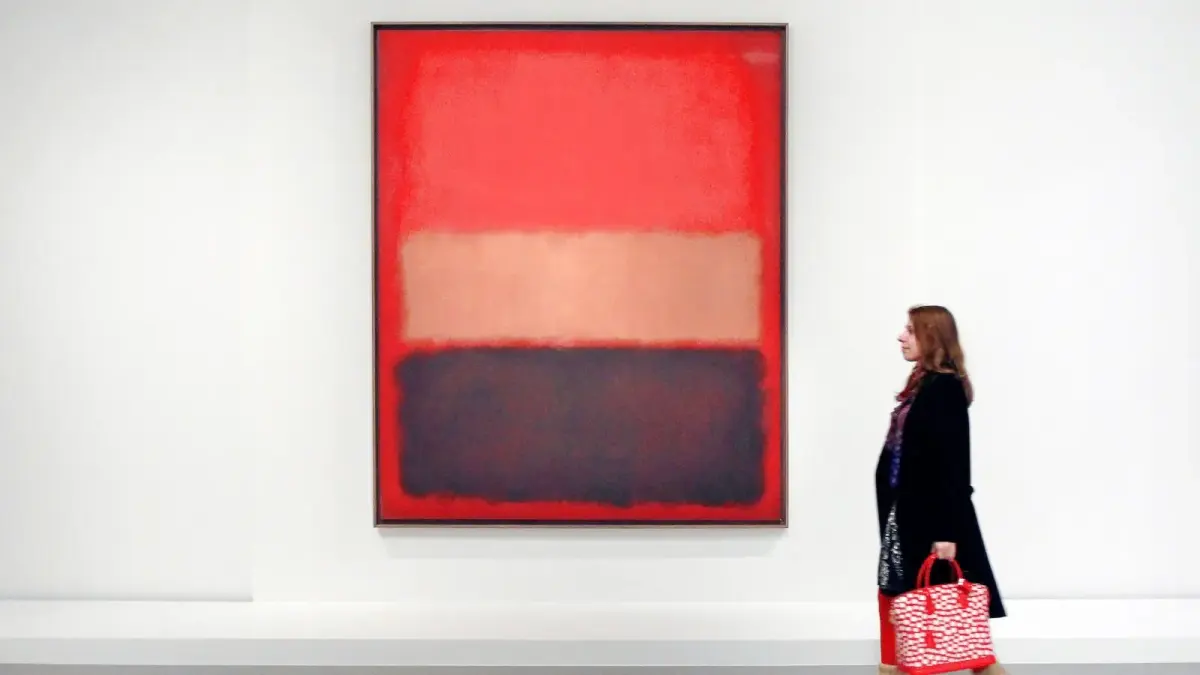
Modern art commands high prices because it functions as a global, unregulated asset class for the ultra-wealthy. Scarcity, historical significance, and the influence of elite galleries drive valuations. Beyond aesthetic merit, prices are sustained by speculation, tax incentives, and the prestige associated with owning iconic works by artists like Picasso or Basquiat.
On this page
Why is modern art so expensive?
The price of modern art is largely determined by the intersection of cultural capital and financial investment. Unlike commodities with intrinsic utility, art is a "Veblen good," where demand increases as the price rises because the high cost signals status. Major auction houses like Christie’s and Sotheby’s facilitate this by creating a competitive environment that transforms art into a trophy for the global elite.
Market value is also heavily influenced by institutional validation. When a prestigious museum like the Museum of Modern Art (MoMA) or the Tate acquires an artist's work, it provides a "seal of approval" that guarantees historical relevance. This validation reduces the perceived risk for private collectors, leading to exponential price growth. The scarcity of works by deceased masters further inflates costs, as the supply is fixed while the number of billionaires seeking to diversify their portfolios grows.
How does the art market work?
The art market operates through a two-tiered system consisting of the primary and secondary markets. In the primary market, galleries represent artists and set initial prices. These galleries carefully curate who can purchase a work, often prioritizing museums or established collectors to ensure the artist's reputation remains untarnished. This exclusivity creates a waiting list, which inherently drives up demand and future value.
The secondary market involves the resale of art through auctions or private dealers. This is where record-breaking prices are typically established. Several factors influence these transactions:
- Provenance: The history of ownership, especially if previously owned by a famous collector.
- Exhibition History: Whether the piece has been featured in major retrospectives or biennials.
- Condition: The physical state of the work, verified by professional conservators.
- Market Trends: Current collector interest in specific movements or time periods.
How to evaluate the value of art?
Evaluating art requires looking beyond personal taste and analyzing objective data points. Professional appraisers look at "comparables," which are recent sale prices of similar works by the same artist. If an artist has a consistent track record of selling at auction, their work is considered more liquid and therefore more valuable. Collectors also analyze the artist's "career trajectory," noting their representation, gallery history, and critical reception in trade publications.
When assessing a potential purchase, consider these steps to avoid overpaying:
- Research the artist’s auction history using databases like Artnet or Artprice.
- Verify the work’s authenticity through a catalogue raisonné.
- Check the condition report to ensure there is no significant damage or restoration.
- Consult with an independent art advisor who does not have a financial stake in the sale.
What are common mistakes when buying art?
A frequent mistake for new collectors is buying art based solely on emotional impulse without conducting due diligence. Many beginners fail to research the artist's secondary market performance, leading them to purchase works that have no resale value. Another error is ignoring the "hidden costs" of art ownership, such as insurance, climate-controlled storage, and professional installation fees, which can add thousands of dollars to the total cost.
Collectors often fall into the trap of following trends rather than building a cohesive collection. Buying "hot" artists who are currently hyped by social media can be disastrous, as these markets are often volatile and prone to sudden crashes. It is also a mistake to purchase art without proper documentation. Always ensure you receive a signed certificate of authenticity and a clear bill of sale, as these documents are essential for proving ownership and securing future insurance coverage.
Why do investors treat art as an asset?
Art is increasingly viewed as an alternative asset class that provides a hedge against inflation and currency devaluation. Because art prices often do not correlate directly with the performance of the stock market, wealthy investors use it to diversify their portfolios. The physical nature of the asset provides a sense of security, and the lack of correlation with traditional financial instruments makes it an attractive option during periods of economic instability.
Furthermore, the tax structure in many countries incentivizes art investment. Strategies such as 1031 exchanges in the United States allow collectors to defer capital gains taxes by reinvesting the proceeds from a sale into another piece of art. These financial mechanisms, combined with the social prestige of art philanthropy, ensure that the market remains robust. While art remains a high-risk investment due to its illiquidity and the subjectivity of taste, it continues to serve as a primary vehicle for wealth preservation among the world's most affluent individuals.
Key facts
- Scarcity dictates price; works by deceased masters like Pablo Picasso have a finite supply, driving competition among wealthy collectors.
- Provenance, or the documented history of ownership, can increase an artwork's value significantly if it was previously held by a famous collector.
- Galleries often act as gatekeepers, curating artist careers to build "market buzz" before works reach public auctions.
- High-end art serves as a portable store of value, often used by investors to hedge against inflation and currency fluctuations.
- Auction houses like Christie’s and Sotheby’s charge "buyer’s premiums," which are fees added to the hammer price, further inflating final costs.
- Avoid buying art solely for investment; focus on works that you enjoy, as the secondary market for contemporary pieces is notoriously volatile.
The bottom line
Modern art prices are driven by a complex interplay of scarcity, prestige, and financial speculation rather than intrinsic material value. While high-end works function as elite assets for investors, the market remains opaque and volatile. For the average collector, the most practical approach is to prioritize personal aesthetic appreciation over financial gain, as the art market is rarely a reliable or predictable vehicle for wealth accumulation.
People also ask
Does the cost of materials determine the price of a painting?
No, the price of modern art is rarely linked to the cost of canvas or paint. Value is derived from the artist's reputation, historical significance, and market demand rather than production expenses.
Why do some artists sell for millions while others struggle?
Success in the art world depends heavily on institutional support, such as inclusion in major museum exhibitions and representation by top-tier galleries. These endorsements validate an artist's career, attracting high-net-worth buyers.
What is a "blue-chip" artwork?
A blue-chip artwork is a piece by an artist with a long-standing, stable market history, such as Andy Warhol or Jean-Michel Basquiat. These works are considered safe financial assets because they rarely lose value over time.
How do auction houses influence art prices?
Auction houses create competitive environments where bidders drive prices up through public displays of wealth. They also provide price transparency, which helps establish benchmarks for what similar works should cost in private sales.
Can I invest in art without spending millions?
Yes, many collectors start by purchasing limited-edition prints or works by emerging artists at local galleries. These entry-level pieces allow collectors to participate in the market at a lower financial risk.
What is the biggest mistake new art collectors make?
The most common error is buying art based on trends or speculation rather than personal taste. If an artist's market crashes, you are left with a piece you do not actually enjoy owning.
This answer was created with the help of AI research tools and reference sources. Spotted an error? Let us know — we correct mistakes quickly. See our editorial policy.