How can I draw fire easily?
Short answer
Drawing fire is a tactical maneuver used to divert an opponent’s attention or projectiles toward yourself. This is achieved by increasing your visibility, creating loud distractions, or occupying high-threat positions. In professional contexts like military training or emergency response, it requires coordinated movement, use of cover, and calculated risk management.
On this page
How to draw fire in tactical scenarios
Drawing fire is a deliberate technique used to expose an enemy position or create an opening for teammates. The primary objective is to force an opponent to reveal their location by presenting a target that is difficult to ignore. This is often performed by a "bait" element that moves quickly across a gap or uses noise to simulate a larger force. Success depends on the ability to remain mobile while keeping the enemy occupied, ensuring that the individual drawing fire does not become a static target.
Tactical professionals utilize several specific methods to effectively draw fire without sustaining casualties. These methods rely on the principle of "suppressive movement," where the goal is to force the enemy to react to a perceived threat.
- Use of high-visibility movement to draw eyes away from the primary maneuver element.
- Deployment of pyrotechnics or smoke to create confusion and force the enemy to fire blindly.
- Utilizing verbal cues or noise-making devices to simulate a flanking maneuver.
- Rapidly transitioning between cover to keep the enemy’s focus fixed on your last known position.
Why drawing fire is used in operations
Military and law enforcement units utilize this tactic to gain information about an adversary's strength and positioning. When an enemy fires, they reveal their location, the type of weaponry they are using, and their defensive posture. This "reconnaissance by fire" is a standard method for breaking a stalemate when the enemy is well-concealed. By forcing the enemy to engage, a commander can identify weak points in the defensive line and coordinate a more effective counter-attack or extraction maneuver.
This strategy is also essential for protecting high-value assets or civilians during a tactical engagement. By drawing fire, a team can pull the attention of an attacker away from a vulnerable position or a group of non-combatants. It is a high-risk maneuver that requires a high level of trust between team members. The person drawing the fire must be prepared to transition immediately to defensive measures, while the rest of the team must be ready to capitalize on the enemy's exposure.
Best equipment for drawing fire safely
Safety is paramount when attempting to draw fire, and specialized gear is required to mitigate the risk of injury. Body armor, specifically plates rated for rifle-caliber threats, provides the necessary protection if the maneuver does not go as planned. Additionally, the use of distraction devices, such as flash-bangs or smoke grenades, is standard practice. These tools help obscure the operator’s exact location, making it harder for the enemy to land an accurate shot even if they are firing in the operator's direction.
Communication equipment is equally vital for coordinating the timing of the distraction. Without precise timing, the individual drawing fire may be left exposed for too long, significantly increasing the likelihood of being hit.
- Ensure all personnel are wearing Level IV ballistic plates.
- Utilize smoke canisters to create a visual barrier before exposing yourself.
- Use radio headsets to sync movement with the rest of the team.
- Always have a pre-planned route to a secondary, more secure piece of cover.
Common mistakes when drawing fire
One of the most frequent errors is staying in the open for too long. Operators often underestimate the speed at which an enemy can adjust their aim. A common mistake is failing to move immediately after drawing fire, which allows the enemy to bracket the position and increase accuracy. Furthermore, failing to account for the surrounding terrain can lead to being pinned down in a location with no exit strategy. If the retreat path is not clear, the operator becomes a sitting duck.
Another critical mistake is failing to coordinate with the rest of the team. If the maneuver element is not ready to act the moment the enemy fires, the effort is wasted. The window of opportunity created by drawing fire is often measured in seconds. If the team is slow to react, the enemy will have time to re-evaluate the situation and return to a defensive posture. Clear, concise communication is the only way to ensure the entire unit operates as a cohesive, effective force.
How to train for drawing fire effectively
Training for this maneuver requires repetitive drills that emphasize speed, communication, and situational awareness. Many units utilize "force-on-force" training, where participants use non-lethal marking rounds to simulate combat conditions. This allows operators to test their techniques in a safe, controlled environment while experiencing the stress of being targeted. Instructors look for the ability to balance the need to be seen with the necessity of staying alive, focusing on efficient movement patterns and rapid target acquisition.
Effective training programs emphasize the following core competencies:
- Maintaining constant awareness of the nearest cover point at all times.
- Practicing the transition from movement to a defensive shooting stance.
- Developing the ability to communicate under high-stress conditions.
- Learning to recognize when the objective has been achieved so that the maneuver can be terminated.
By mastering these elements, operators can minimize the inherent dangers of the tactic while maximizing its utility on the field. Consistent practice ensures that these movements become instinctive, reducing the reaction time required during an actual engagement.
Key facts
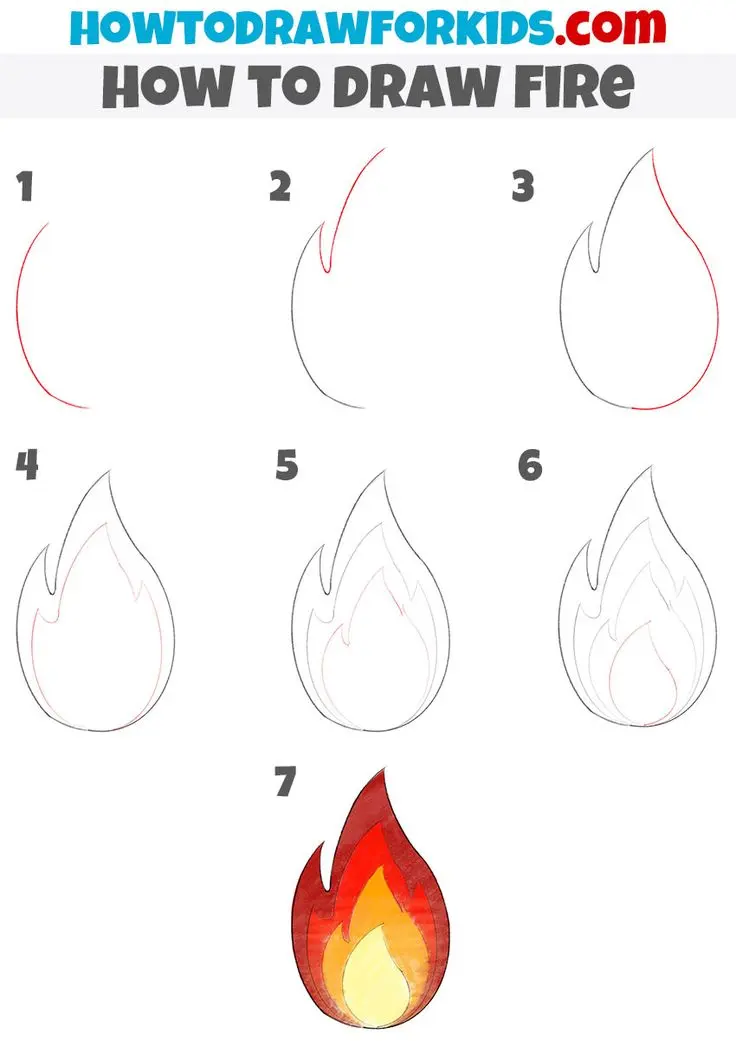
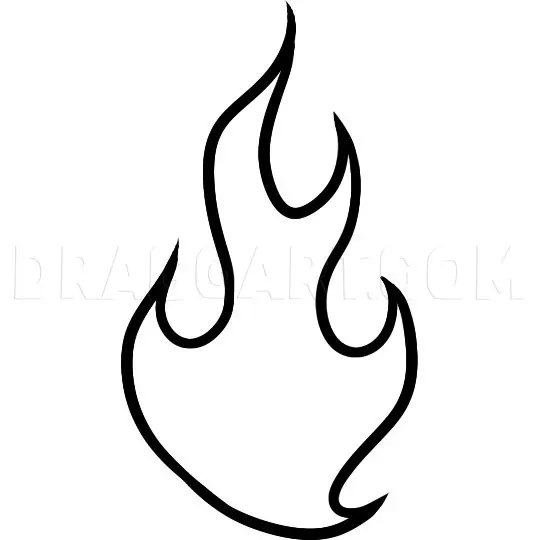
- Fire is defined by its organic, teardrop-like shapes that taper toward the top.
- Use a "flick" motion with your pencil to create sharp, pointed edges rather than rounded ones.
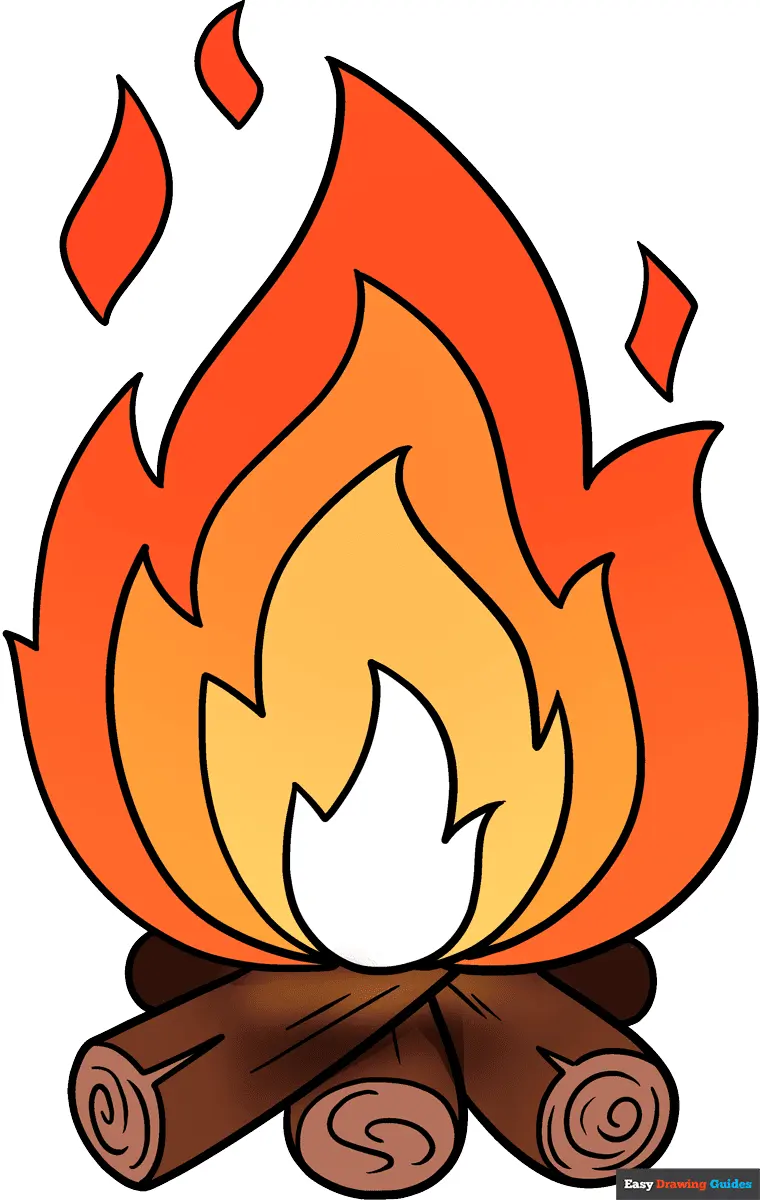
- Fire is composed of three main color zones: a dark base, a bright middle, and a pale, glowing tip.
- Overlapping multiple flame shapes creates a sense of depth and complexity in the fire.
- Keep the edges of flames slightly irregular to mimic the unpredictable movement of heat.
- Use high-contrast shading to separate the light of the flame from the surrounding darkness.
The bottom line
Drawing fire effectively requires moving away from rigid shapes and embracing the fluid, unpredictable nature of heat. By focusing on tapered, overlapping forms and utilizing a vibrant color gradient from deep red to bright yellow, you can create a convincing sense of energy. Remember that fire is defined by its light, so prioritize contrast and soft edges over harsh outlines to achieve a truly dynamic result.
People also ask
What is the best medium to use for drawing fire?
Colored pencils or pastels are ideal because they allow for smooth blending of yellow, orange, and red hues. These mediums make it easier to transition between the bright core and the darker outer edges of the flame.
How do I make fire look like it is moving?
You can suggest motion by drawing curved, asymmetrical lines that lean in one direction as if blown by wind. Avoid perfectly symmetrical shapes, as real flames are constantly shifting and reacting to air currents.
Should I outline the flames with a black pen?
It is better to avoid harsh black outlines, as they can make the fire look flat or cartoonish. Instead, define the edges of the flames using the contrast between the fire’s colors and the background.
How do I represent the heat glow around the fire?
Use a soft, light-colored wash or light shading around the base of the flames to represent the ambient glow. This technique, known as a halo effect, helps anchor the fire within its environment.
Why does my fire look like a solid object?
This usually happens when the flames are drawn with too much uniformity or lack of transparency. Focus on creating gaps between the flames and varying the height of each tongue of fire to add realism.
How can I draw a campfire versus a forest fire?
A campfire consists of smaller, controlled flames rising from a central point, while a forest fire features large, chaotic shapes that spread horizontally. Adjust the scale and density of your flames to match the intensity of the fire source.
This answer was created with the help of AI research tools and reference sources. Spotted an error? Let us know — we correct mistakes quickly. See our editorial policy.