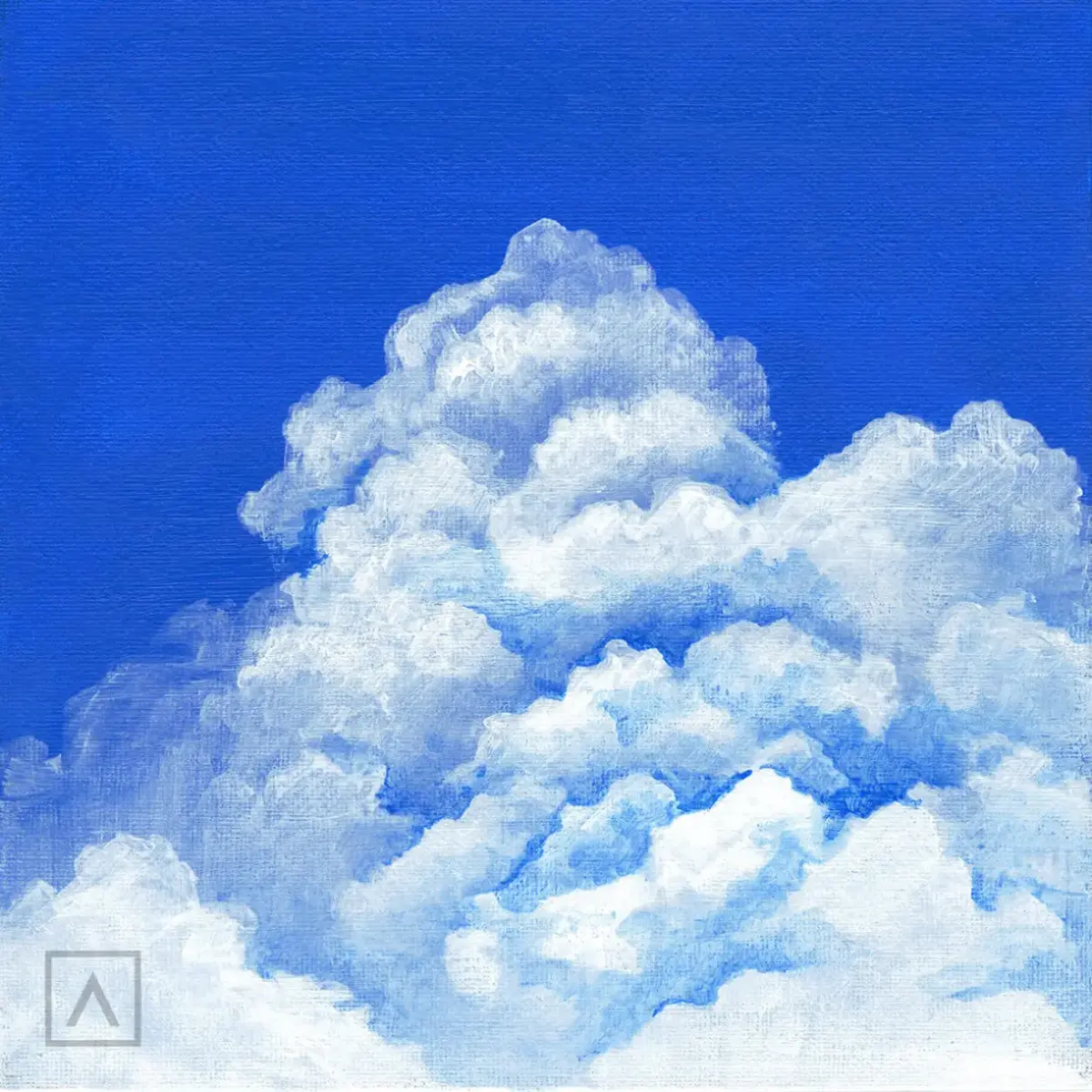
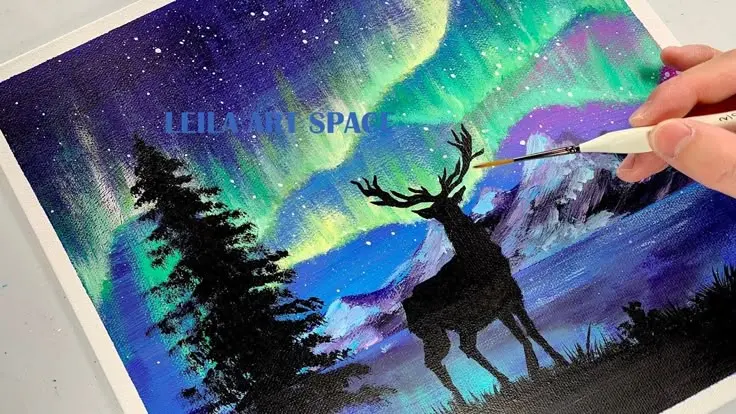
How do you paint grass with acrylic paint?
Short answer
Painting realistic grass with acrylics requires layering colors from dark to light using a dry-brushing technique. Start with a solid dark base coat, then build texture by flicking or dabbing lighter green highlights over the surface. Use a fan brush or a filbert brush to create individual blades and natural movement.
On this page
How to prepare the canvas for painting grass
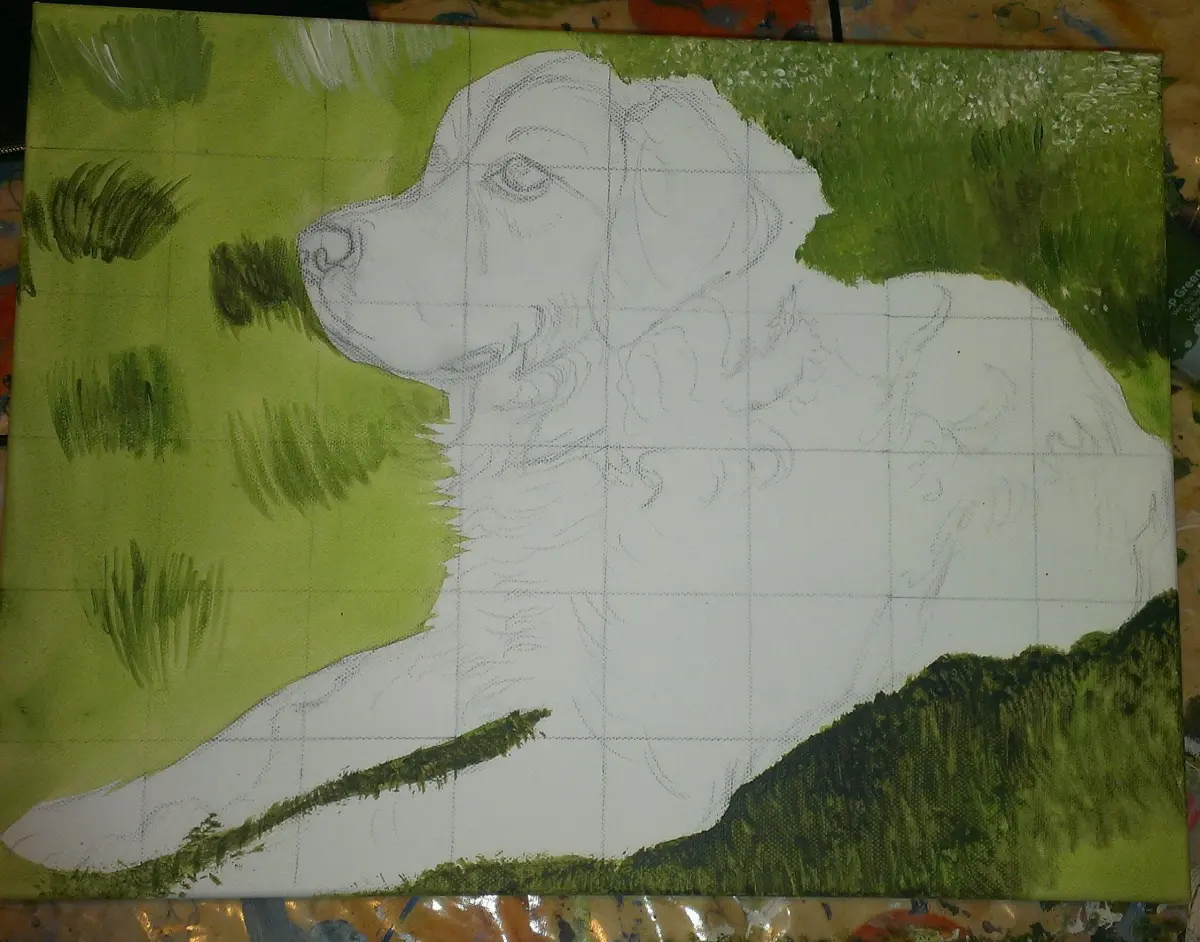
Before applying the first stroke of green, you must establish a solid foundation for your landscape. Start by painting the entire area where the grass will grow with a deep, dark earth tone, such as burnt umber or a dark forest green. This dark underpainting ensures that any small gaps between your individual grass blades will look like shadows rather than bare white canvas. Once this base layer is completely dry to the touch, you can begin layering your lighter colors on top without the risk of muddying your pigments.
If you are painting a large meadow, consider adding a thin wash of yellow ochre or light brown to the base layer to represent dry soil or dead vegetation. This adds depth and prevents the grass from appearing like a flat, uniform carpet. Using a large, flat brush to apply this base layer allows for quick coverage and creates a smooth surface for the detail work that follows. Remember that acrylics dry quickly, so work in sections if you are covering a very large canvas area.
Best brushes for painting realistic grass
The choice of brush significantly influences the texture and realism of your grass. A fan brush is the most popular tool for this task because its splayed bristles naturally separate, allowing you to paint multiple blades of grass in a single stroke. A filbert brush, with its rounded edge, is also excellent for creating softer, clumped patches of grass or mossy textures. For fine, individual blades in the foreground, a small liner brush or a rigger brush provides the precision needed to draw thin, tapering lines.
To achieve the best results, keep your brushes clean and dry between color changes. If you are using a fan brush, follow these steps to maintain its shape:
- Load the tips of the bristles with a small amount of paint, ensuring it is not too wet.
- Hold the brush perpendicular to the canvas and lightly tap or flick the bristles upward.
- Rotate the brush slightly between strokes to vary the direction and angle of the blades.
- Rinse the brush immediately after use to prevent acrylic paint from drying and hardening the bristles.
How to mix natural green colors
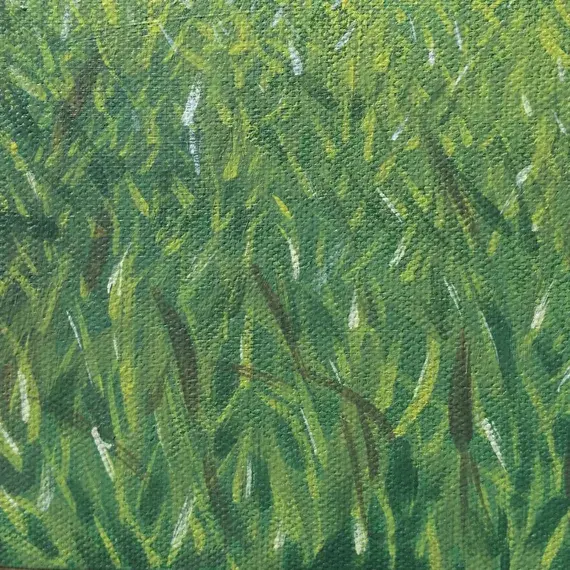
Nature rarely features a single shade of green, so mixing your own palette is essential for a professional look. Start with a primary green, such as sap green or phthalocyanine green, and adjust the hue by adding small amounts of yellow, blue, or brown. Adding cadmium yellow creates a bright, sun-drenched spring grass, while adding ultramarine blue or burnt umber creates a cooler, shadow-filled, or mature grass tone. Avoid using paint directly from the tube, as it often looks artificial and lacks the complexity found in real foliage.
When mixing, try to create at least three distinct values: a dark shadow green, a mid-tone base green, and a bright highlight green. You can also incorporate tiny amounts of white or pale yellow to your highlight mixture to simulate light reflecting off the blades. By varying the temperature of your greens—mixing some with warm yellows and others with cool blues—you create a sense of three-dimensional space. Keep your mixtures consistent throughout the session so you do not run out of a specific shade halfway through the painting process.
Common mistakes when painting grass
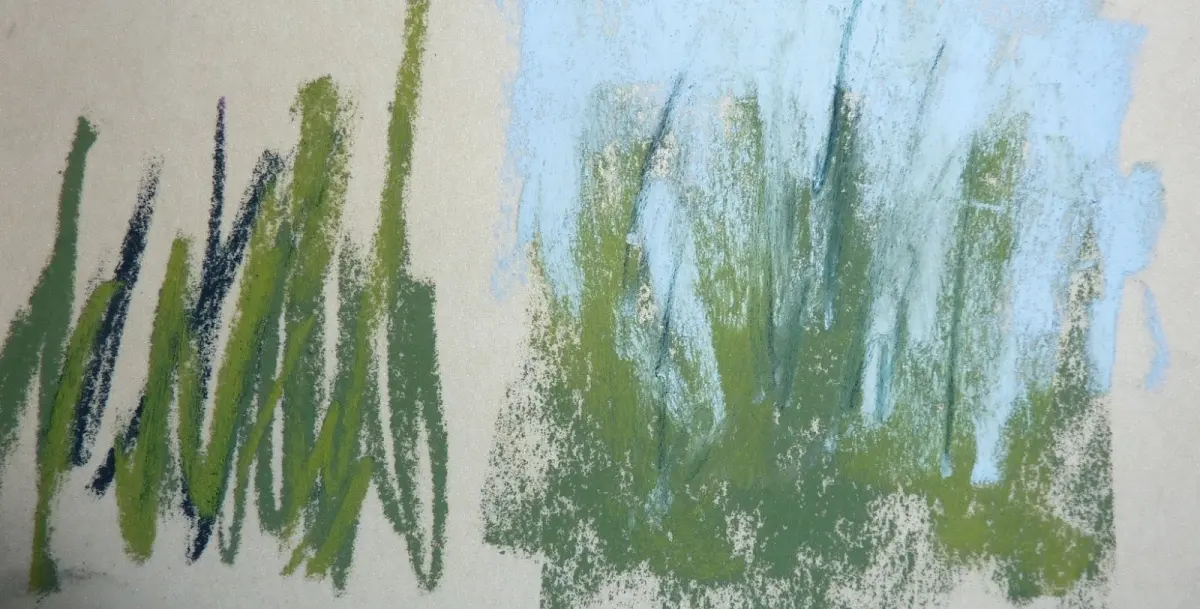
One of the most frequent errors beginners make is painting every blade of grass with the same pressure and length. This results in a stiff, artificial appearance that lacks the chaotic beauty of a natural lawn. Instead, vary the height and angle of your strokes to mimic the way grass grows in clumps and leans with the wind. Another common mistake is using too much water, which thins the acrylic paint and makes it lose its opacity, causing the strokes to look transparent and weak.
Avoid these common pitfalls to improve your technique:
- Do not paint every single blade of grass in the background; focus on texture rather than individual detail.
- Avoid using pure black to darken your greens, as it can make the grass look muddy or dead.
- Do not overwork the paint; once you have placed a stroke, leave it alone to maintain the crispness of the edges.
- Ensure your background is fully dry before adding highlights to prevent the colors from blending into a single, flat shade.
How to add depth and lighting effects
To make your grass look truly alive, you must pay attention to the light source in your composition. Identify where the sun is located and ensure that your highlight colors are concentrated on the sides of the grass blades facing that direction. The areas furthest from the light source should remain in your darker base tones, creating natural shadows. You can also add "cool" highlights, such as a very pale blue or lavender, to areas of the grass that are in deep shadow to simulate reflected light from the sky.
Adding small details like wildflowers or fallen leaves can also break up the monotony of a grassy field. Use a small, round brush to dot in tiny spots of bright color, such as red, white, or yellow, nestled among the blades. This adds a layer of complexity that draws the viewer's eye and makes the scene feel more organic. Finally, ensure that the grass in the foreground is larger and more detailed than the grass in the distance, which should be painted with softer, less distinct brushstrokes to create a realistic sense of atmospheric perspective.
Key facts
- Use a fan brush or a rigger brush to create thin, individual blades of grass.
- Mix at least three shades of green—dark, medium, and light—to create depth and realism.
- Apply the darkest tones first as a base layer, then layer lighter colors on top.
- Keep your brush strokes vertical and flick your wrist to create a tapered, natural point.
- Avoid painting every single blade; focus on clusters and shadows to suggest density.
- Add small touches of yellow or white to the tips of the grass to simulate sunlight.
The bottom line
Painting realistic grass requires layering from dark to light tones while maintaining varied brushwork. By using a fan brush for texture and incorporating shadows, you create depth that prevents the scene from looking flat. Focus on the overall movement of the blades rather than individual detail. With practice, these techniques allow you to capture the organic, chaotic beauty of nature on your canvas with confidence.
People also ask
Should I use a primer before painting grass?
Yes, applying a coat of gesso or a base color helps the acrylic paint adhere better to the canvas. A dark green or brown base layer is particularly effective for grass scenes.
How do I make grass look like it is moving in the wind?
Angle your brush strokes in the same direction to suggest wind flow. Varying the length and curve of the blades will further enhance the sense of motion.
What is the best way to blend colors in grass?
Acrylics dry quickly, so blend colors while they are still wet on the canvas. Use a dry, soft brush to lightly feather the edges between different shades of green.
Can I use a sponge to paint grass?
A sea sponge is excellent for creating the texture of distant, blurry grass or moss. Dab the sponge lightly over your base layer to build up organic, uneven shapes.
How do I fix a mistake if I paint too much grass?
Let the paint dry completely, then paint over the error with your background color. You can then re-apply your grass layers once the patch is dry.
Do I need to thin my acrylic paint with water?
Thinning paint with a small amount of water or a glazing medium helps create translucent layers. This is useful for painting shadows or distant fields where detail should be soft.
This answer was created with the help of AI research tools and reference sources. Spotted an error? Let us know — we correct mistakes quickly. See our editorial policy.