What is the best paint for kids?
Short answer
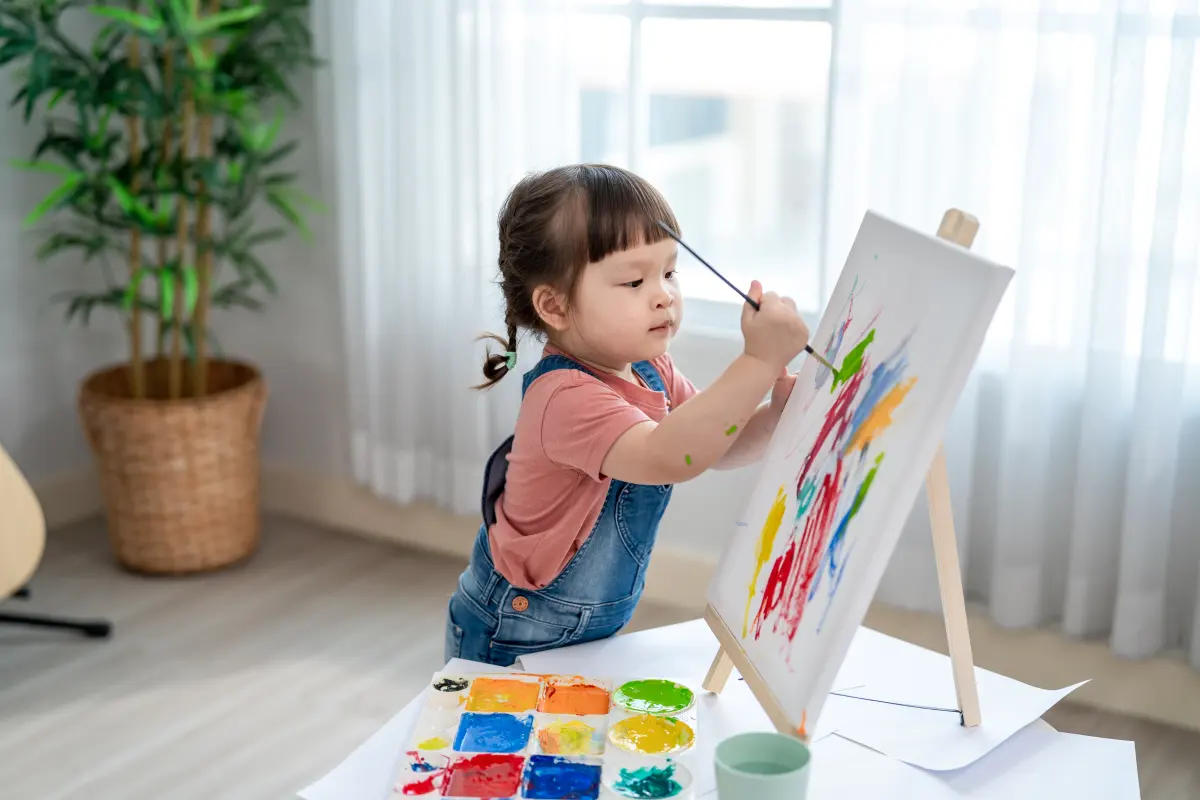
The best paint for kids is water-based, non-toxic tempera paint. It offers vibrant, opaque coverage, washes easily from skin and most fabrics, and dries quickly. For younger children, look for products labeled "washable" and "AP-certified" to ensure safety. These paints are ideal for paper, cardboard, and wood projects in home environments.
On this page
What are the safest paints for toddlers?
Safety is the primary concern when selecting art supplies for young children who may put brushes or fingers in their mouths. Always look for the "AP" (Approved Product) seal from the Art and Creative Materials Institute (ACMI), which confirms the product is non-toxic and meets strict health standards. Water-based tempera is the gold standard for this age group because it is formulated without harmful solvents or heavy metals.
Avoid professional-grade paints, such as oils or certain acrylics, which may contain pigments like cadmium or cobalt. Even if a paint is labeled non-toxic, it is not meant for consumption. If you are worried about ingestion, you can create homemade finger paint using cornstarch, water, and food coloring. This ensures that every ingredient is kitchen-safe while providing a tactile sensory experience that helps toddlers develop fine motor skills.
How to choose the right paint for kids by age
As children grow, their artistic needs and motor control change, requiring different types of paint. Selecting the wrong consistency can lead to frustration or messy accidents that discourage creativity. Use the following guide to match the medium to the developmental stage:
- Toddlers (ages 1–3): Use thick, washable finger paints or tempera sticks that do not require brushes.
- Preschoolers (ages 3–5): Use liquid tempera in squeeze bottles or pots with large, easy-grip brushes.
- Elementary (ages 6+): Introduce acrylics for permanent projects or watercolors for detailed, layered work.
For older children, acrylic paint is an excellent transition because it is permanent once dry, allowing them to paint on rocks, canvas, or birdhouses. However, emphasize that acrylics do not wash out of clothing like tempera does. Always provide an apron or an old oversized shirt to protect their clothes during these more advanced sessions.
Best washable paints for easy cleanup
Parents often prioritize "washability" to keep homes clean, but it is important to understand that "washable" does not mean "stain-proof." Most washable tempera paints are designed to be removed from skin and cotton fabrics using only warm water and mild soap. To maximize success, treat spills immediately rather than letting them set into the fibers of rugs or upholstery.
- Blot the excess paint with a clean, damp paper towel; do not rub, as this pushes pigment deeper into the fabric.
- Rinse the area with cold water to prevent the heat from setting the dye.
- Apply a small amount of liquid laundry detergent directly to the spot and work it in gently.
- Launder the item in the hottest water safe for the fabric type.
If paint dries on a surface, soak the item in a mixture of water and a gentle degreaser or specialized laundry stain remover for at least thirty minutes before washing.
Common mistakes when painting with kids
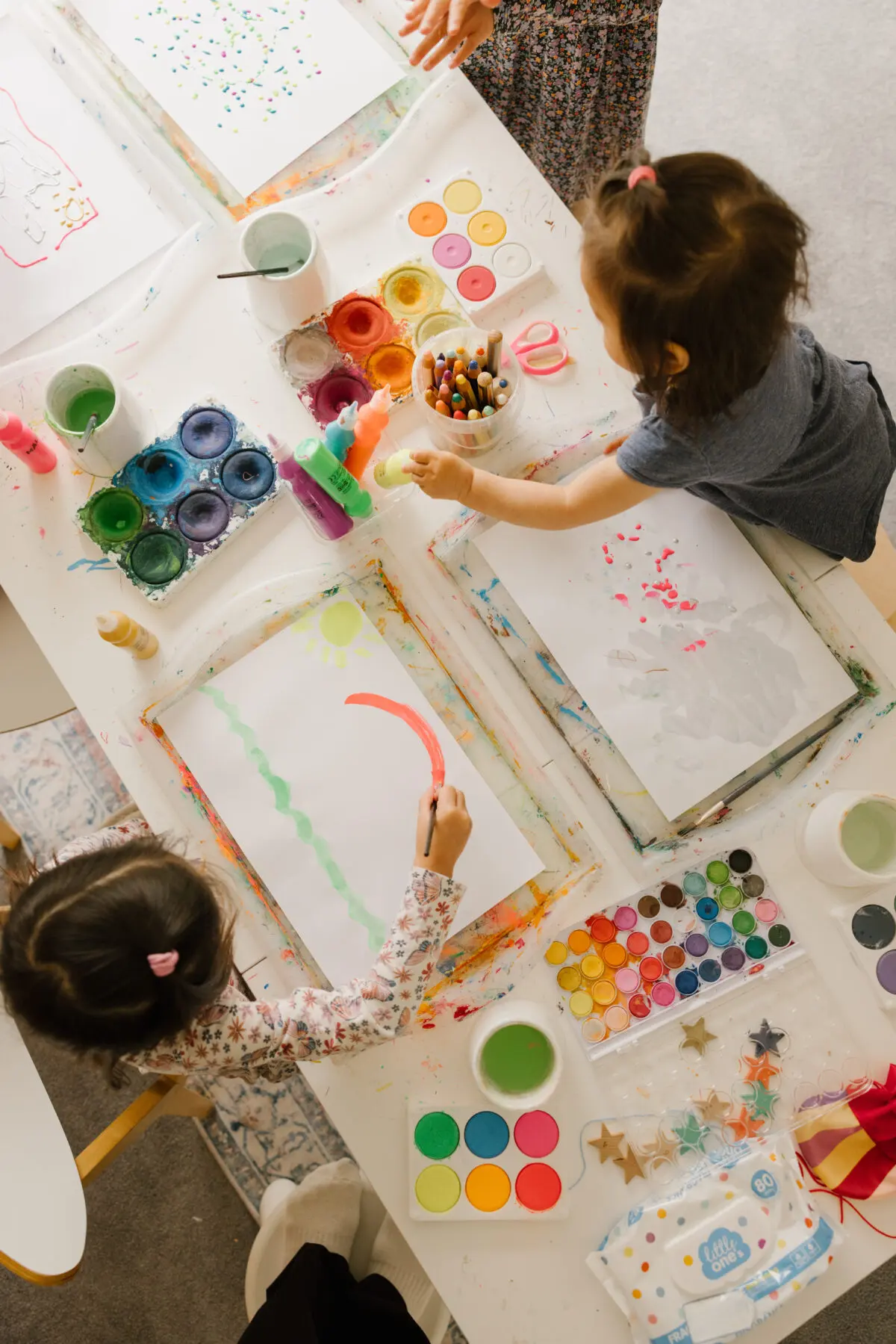
The most frequent mistake parents make is providing too many colors at once, which often results in a muddy, brown mess. When children mix too many primary colors, the pigments combine to create a dull, dark sludge. Limit younger children to two or three complementary colors to help them learn about color theory and keep their artwork vibrant.
Another common error is using the wrong paper. Standard printer paper is too thin and will buckle or tear when saturated with water-based paint. Instead, use heavy-duty construction paper, cardstock, or dedicated watercolor paper that is at least 90 pounds in weight. Using a tray or a plastic tablecloth underneath the workspace also prevents permanent damage to tables. Finally, avoid using expensive brushes; children often press too hard, which ruins high-quality bristles. Stick to synthetic brushes with sturdy, short handles that are easy for small hands to maneuver.
How to store and organize kids' paint supplies
Proper storage extends the life of your art supplies and makes it easier to set up future sessions. Tempera paint can dry out or separate if left in open containers, so always ensure lids are screwed on tightly after every use. If the paint has thickened slightly, you can often restore the consistency by stirring in a few drops of water.
- Store paints in a cool, dry place away from direct sunlight, which can cause colors to fade or the formula to degrade.
- Use a dedicated plastic bin or caddy to keep brushes, paints, and aprons together for quick access.
- Label containers with the purchase date to track how long they have been in use.
- Clean brushes thoroughly with soap and water, then store them bristle-side up in a jar to maintain their shape.
By keeping supplies organized, you reduce the barrier to starting a project, encouraging your child to paint more frequently and express their creativity with confidence.
Key facts
- Look for the "AP" (Approved Product) seal from the Art and Creative Materials Institute, which certifies the paint is non-toxic.
- Tempera paint is the industry standard for classrooms because it is water-based, opaque, and washes easily out of most fabrics.
- Finger paints are specifically formulated with a thicker, gel-like consistency to prevent them from running off the page.
- Always check labels for "washable" status, as some pigments, particularly reds and purples, may still stain porous surfaces or light-colored clothing.
- Avoid paints containing heavy metals like lead or cadmium, which were common in older art supplies but are now strictly regulated in children's products.
- Use heavy-duty construction paper or cardstock for painting, as standard printer paper will wrinkle or tear when saturated with water-based paints.
The bottom line
When selecting paint for children, prioritize safety by confirming the presence of the AP seal to ensure non-toxicity. Tempera remains the most practical choice for its washability and ease of use in home settings. By providing thick-handled brushes, heavy paper, and a controlled workspace, you can encourage creative expression while minimizing the stress of cleaning up spills and stains on your household surfaces.
People also ask
Can I make homemade paint for my toddler?
Yes, you can create safe, edible finger paint by mixing cornstarch, water, and food coloring in a saucepan over low heat until thickened. This is an excellent option for infants who may still put their hands in their mouths during play.
How do I remove tempera paint stains from clothing?
Rinse the garment immediately with cold water to remove as much pigment as possible before applying a liquid laundry detergent directly to the stain. Avoid using hot water, as it can set the dye into the fabric fibers permanently.
Is acrylic paint safe for children to use?
While acrylic paint is generally non-toxic, it is permanent once dry and much harder to remove from skin, clothes, and furniture than tempera. It is better suited for older children who have the motor control to keep the paint on the canvas.
Do I need to buy specific brushes for kids?
Children benefit most from brushes with thick, short wooden handles that are easy to grip with a full-hand grasp. Synthetic bristles are preferred over natural hair because they are more durable and easier to clean after heavy use.
How should I store leftover paint?
Keep paints in airtight containers in a cool, dry place to prevent them from drying out or growing mold. If the paint develops a sour smell or separates into a watery layer that does not mix back together, it should be discarded.
What is the best way to set up a painting station?
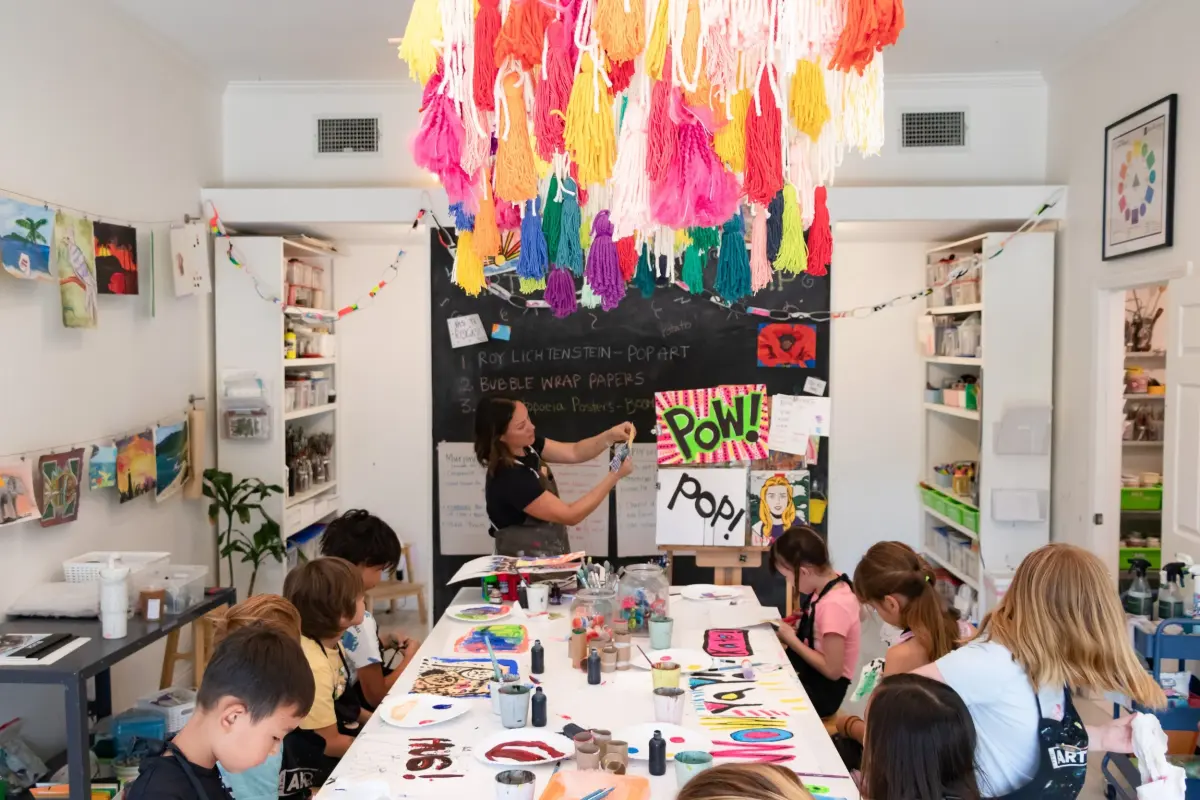
Cover your work area with a plastic tablecloth or newspaper and ensure the child is wearing an old oversized t-shirt as a smock. Place small amounts of paint in a muffin tin or partitioned palette to minimize spills and prevent cross-contamination of colors.
This answer was created with the help of AI research tools and reference sources. Spotted an error? Let us know — we correct mistakes quickly. See our editorial policy.