What can you make from cardboard?
Short answer
Cardboard is an exceptionally versatile material for crafting, structural modeling, and organization. You can transform discarded shipping boxes into durable storage solutions, creative children’s playhouses, protective shipping inserts, or even temporary furniture. Because of its layered, corrugated structure, cardboard provides surprising strength and rigidity, making it ideal for sustainable DIY engineering projects.
On this page
How to build cardboard furniture for beginners
Cardboard furniture, often called "paper honeycomb" design, relies on the principle of structural layering. By stacking and gluing multiple sheets of corrugated cardboard together, you can create dense, load-bearing surfaces capable of supporting significant weight. Beginners should start with small, low-impact items like side tables or stools, which require less complex structural reinforcement than chairs or shelving units.
To ensure your furniture holds weight, always orient the internal fluting—the wavy middle layer—vertically. This alignment allows the box to act like a column, distributing weight downward rather than collapsing under pressure. Using a high-quality wood glue or hot glue is essential for bonding layers permanently. Avoid using standard school glue, as it contains too much water and will soften the paper fibers, compromising the integrity of your build.
- Measure and cut four identical squares of double-walled cardboard for the legs.
- Glue these layers together, ensuring the fluting runs from top to bottom.
- Cut a larger, thicker piece for the tabletop.
- Use a corner brace or triangular gusset to attach the legs to the underside of the table.
- Apply pressure with heavy books while the glue sets for at least 24 hours.
Best cardboard projects for kids
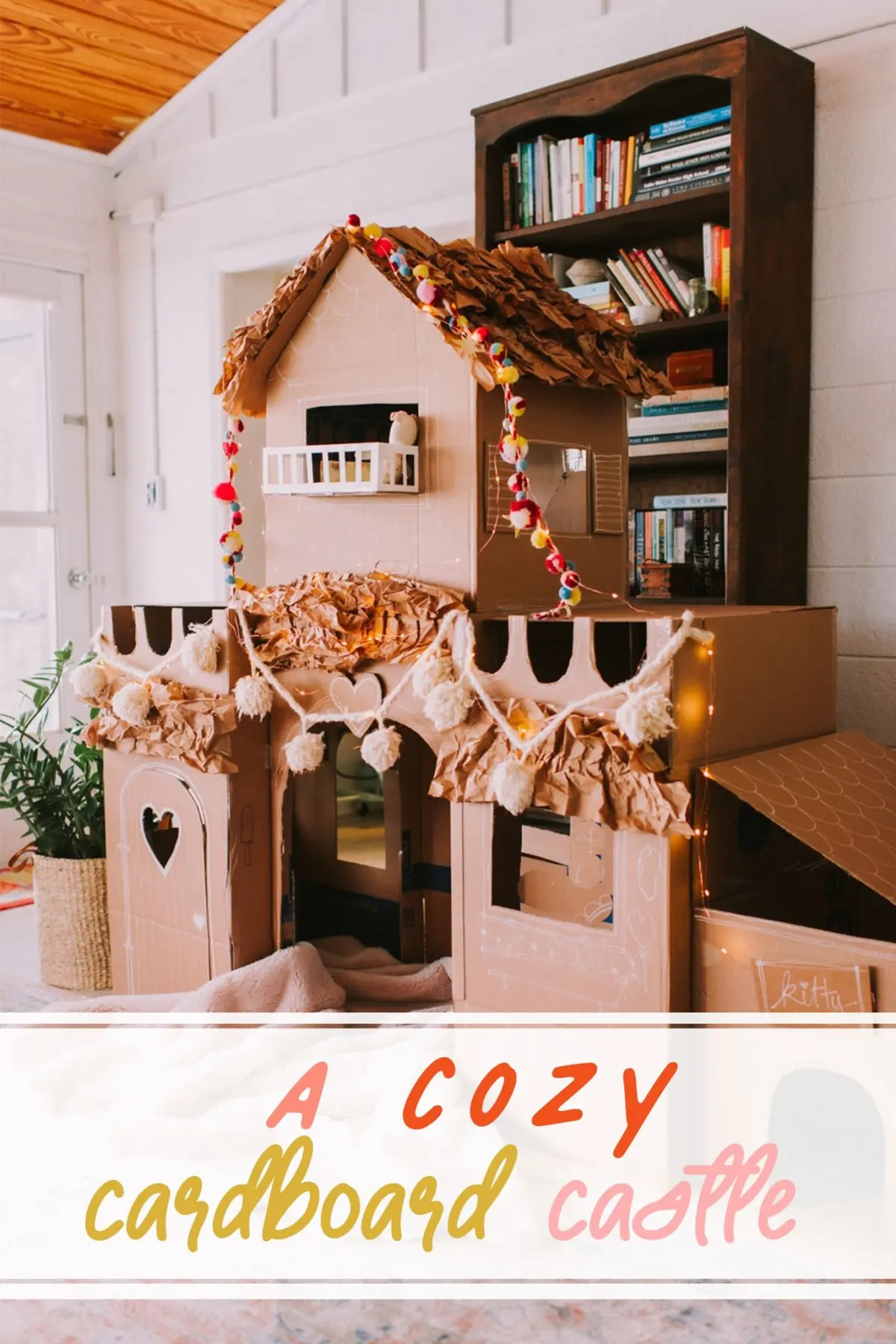
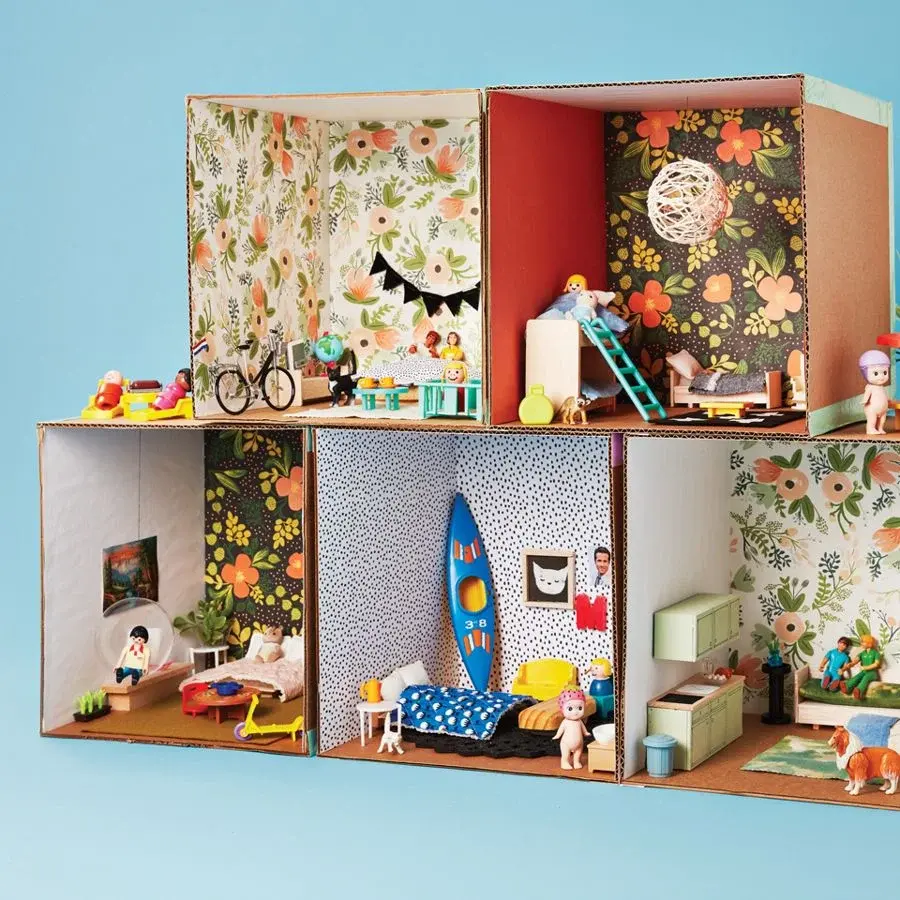
Cardboard is a staple in early childhood education because it is inexpensive, safe, and encourages open-ended play. Children can transform simple boxes into immersive environments, such as rocket ships, castles, or grocery stores. These projects promote spatial reasoning and engineering skills while providing hours of entertainment without the need for expensive plastic toys.
When designing for children, prioritize safety by removing all staples and plastic shipping tape before starting. Use blunt-nosed scissors or a serrated bread knife for cutting, as these tools are less likely to cause deep lacerations than standard utility knives. Focus on modular designs that can be expanded over time, such as a "cardboard city" where new rooms or tunnels are added during subsequent play sessions.
- Create a "mailbox" using a shoebox with a slit cut in the lid.
- Fashion a set of wearable robot armor using cereal boxes for limbs.
- Build a puppet theater by cutting a large rectangular window into the side of a refrigerator box.
- Construct a marble run by taping toilet paper tubes to a flat cardboard backing.
Common mistakes when crafting with cardboard
The most frequent error in cardboard crafting is failing to account for the grain of the material. Cardboard is much easier to fold in one direction than the other; if you try to force a fold against the grain, the paper will crumple or tear unevenly. Always test a scrap piece by folding it both ways to identify the direction that produces a clean, crisp crease.
Another common pitfall is using excessive amounts of liquid adhesive, which oversaturates the paper and causes it to warp or lose its shape. If your cardboard becomes damp during the construction process, it will lose its structural rigidity and become flimsy. Always apply glue in thin, even beads, and use masking tape to hold pieces in place while the adhesive cures. Avoid using duct tape for structural joints, as the adhesive often fails over time, leading to sudden collapses.
How to reinforce cardboard for durability
If you intend for your cardboard creations to last, you must treat the surface and strengthen the joints. Painting the exterior with a mixture of PVA glue and water—a technique known as decoupage—creates a hard, moisture-resistant shell. This coating protects the cardboard from humidity and minor scuffs, significantly extending the lifespan of your project.
For high-stress areas like corners or joints, consider using "paper mache" or reinforced tape. Applying strips of brown packing paper soaked in glue over the edges creates a seamless, durable finish that mimics the look of wood. You can also insert wooden dowels or skewers into the hollow channels of the corrugated fluting to add internal support to long spans. This internal bracing prevents sagging in shelves or bridges, allowing your cardboard structures to hold heavier loads without bending.
Why cardboard is an ideal material for prototyping
Designers and architects frequently use cardboard for prototyping because it mimics the properties of wood and metal at a fraction of the cost. It is easy to cut, modify, and discard, making it the perfect medium for testing the ergonomics of a product before moving to expensive materials. Whether you are designing a new lamp, a storage organizer, or a complex architectural model, cardboard allows for rapid iteration.
When prototyping, treat your cardboard model as a "living document." Do not worry about aesthetic perfection; instead, focus on functionality and scale. If a joint fails or a measurement is off, you can simply cut a new piece and glue it in place within minutes. This iterative process is the hallmark of professional industrial design, allowing you to identify flaws early in the development cycle. By the time you reach the final build, you will have a clear understanding of the necessary dimensions and structural requirements for your project.
Key facts
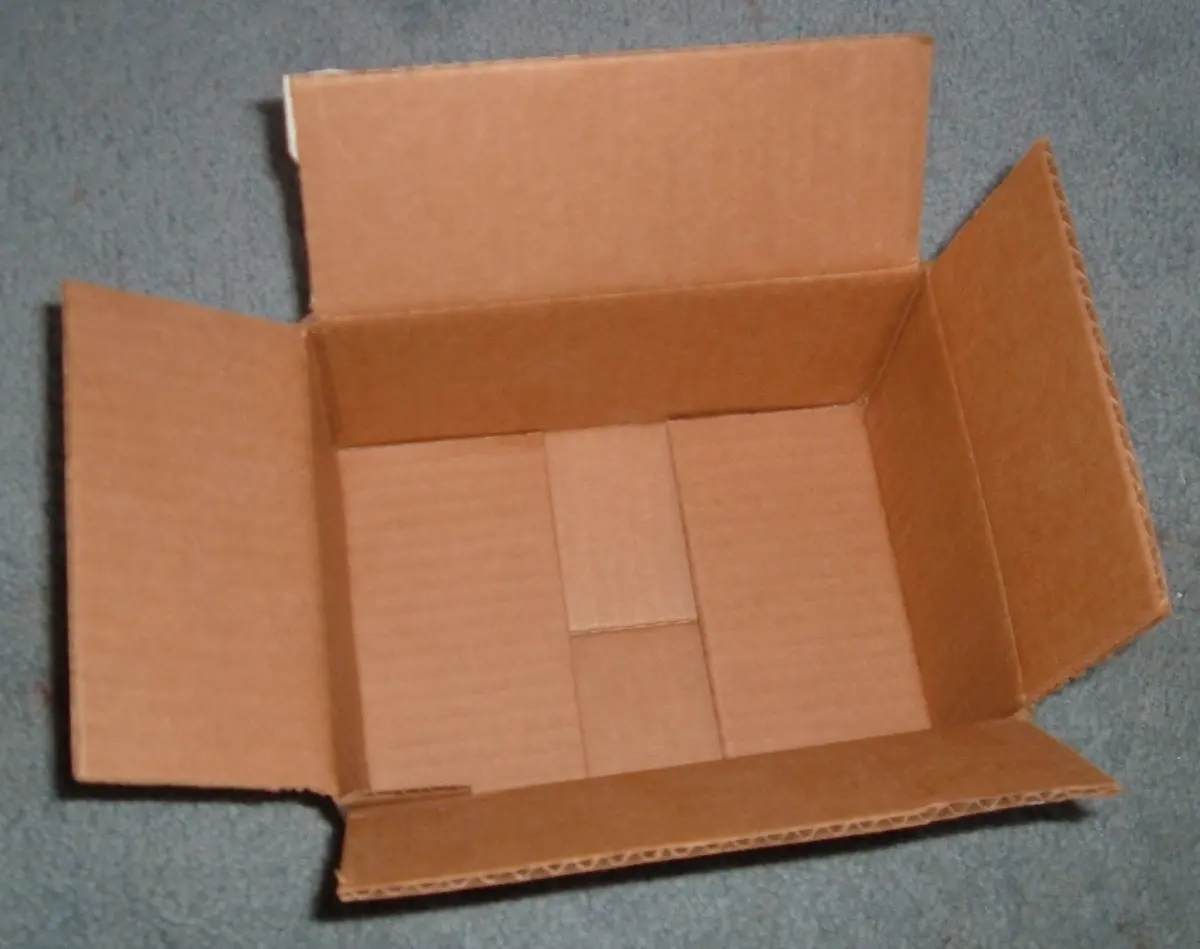
- Corrugated cardboard consists of a fluted inner layer sandwiched between two flat linerboards, providing structural rigidity.
- Use a sharp utility knife with a fresh blade for clean cuts; dull blades tear the paper fibers and create jagged edges.
- Hot glue is the most effective adhesive for cardboard, as it sets quickly and provides a strong bond for structural projects.
- Cardboard is highly recyclable, but it must be kept dry and free of food grease to be accepted by most municipal programs.
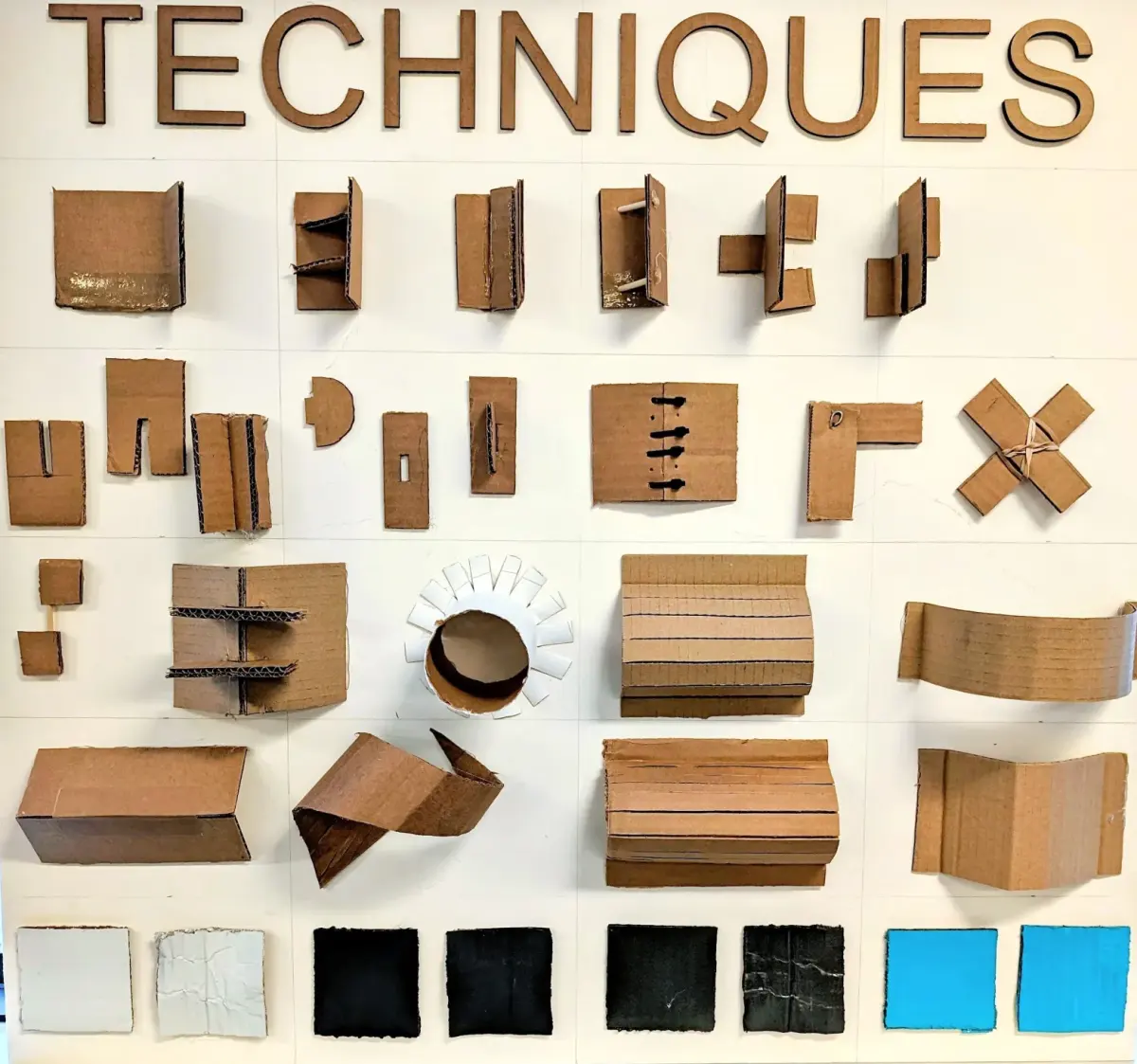
- Scoring the cardboard—cutting only the top layer of paper—allows you to create precise, clean folds for boxes or architectural models.
- When painting cardboard, apply a base coat of gesso or acrylic primer to prevent the porous material from soaking up too much paint.
The bottom line
Cardboard is a versatile, sustainable, and inexpensive medium for everything from functional furniture to intricate artistic models. By mastering techniques like scoring for clean folds, laminating for structural strength, and using appropriate adhesives, you can transform simple shipping boxes into durable objects. Always prioritize safety with sharp tools and ensure your workspace is clean, allowing you to turn common household waste into creative, practical solutions.
People also ask
How can I strengthen cardboard for furniture or heavy-duty projects?
You can increase the load-bearing capacity of cardboard by laminating multiple sheets together with wood glue or by orienting the internal flutes in perpendicular directions. This cross-layering technique mimics the strength of plywood.
What is the best way to cut thick cardboard without damaging the edges?
Use a metal ruler as a guide and make several light passes with a utility knife rather than trying to cut through the entire thickness in one go. This prevents the blade from wandering and ensures a straight, professional edge.
Can I use cardboard for outdoor projects?
Cardboard is not naturally weather-resistant and will degrade rapidly when exposed to moisture or humidity. If you must use it outdoors, you must seal every surface with waterproof varnish, resin, or heavy-duty exterior paint.
Why does my cardboard project warp after I glue it?
Warping occurs when the moisture in liquid glues causes the paper fibers to expand unevenly. Use minimal amounts of adhesive or switch to a low-moisture option like hot glue to keep the material flat.
Is all cardboard safe to use for crafting?
Most shipping boxes are safe, but avoid using cardboard that has been contaminated with oils, chemicals, or food waste. These contaminants can degrade the material and potentially harbor bacteria or pests.
How do I remove tape residue from cardboard surfaces?
To remove stubborn tape, use a hairdryer to gently heat the adhesive, which softens the bond and allows you to peel it away carefully. Avoid excessive heat, which can scorch or ignite the paper fibers.
This answer was created with the help of AI research tools and reference sources. Spotted an error? Let us know — we correct mistakes quickly. See our editorial policy.