What are rainy day activities for kids?
Short answer
Rainy day activities for kids include creative arts, indoor physical movement, and collaborative games that stimulate imagination. By utilizing common household items, parents can transform living spaces into engaging environments. Focus on activities that balance structured learning with unstructured play to keep children occupied and entertained throughout the duration of inclement weather.
On this page
How to set up an indoor obstacle course
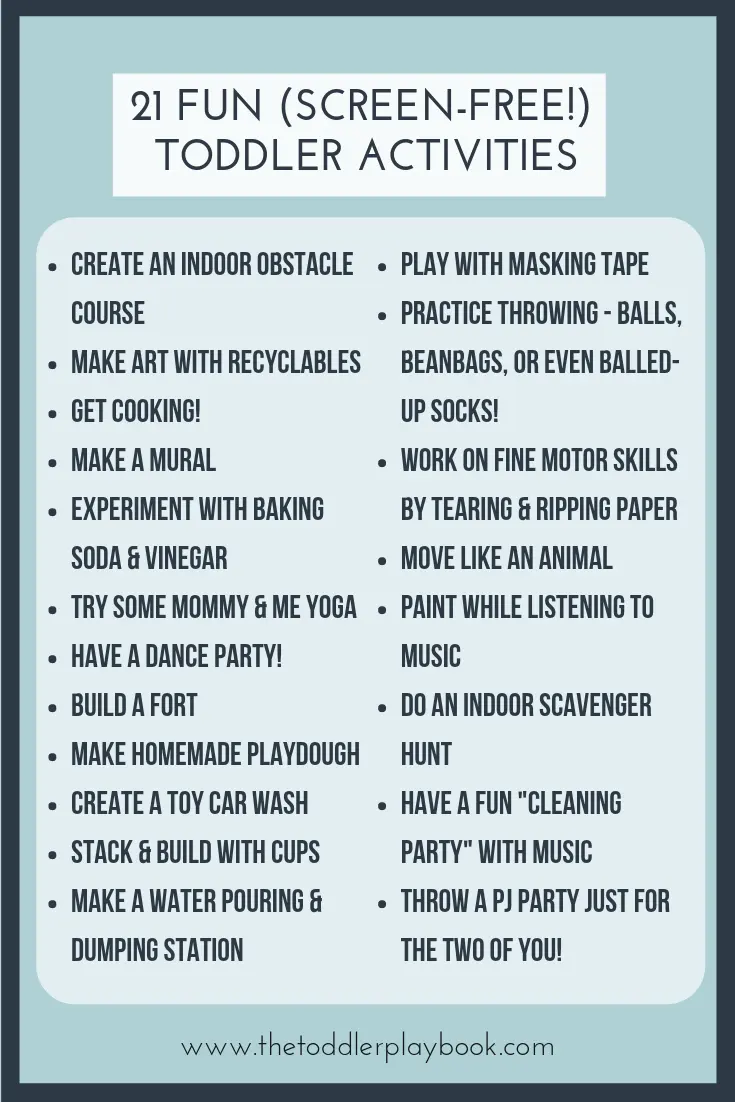
Transforming a living room into an obstacle course provides an excellent physical outlet when outdoor play is impossible. Start by identifying safe areas with enough floor space and minimal breakable objects. Use everyday furniture like chairs for crawling under, pillows for jumping over, and masking tape on the floor to create balance beams. Ensure the course flows logically from one station to the next to prevent congestion or accidental collisions.
To keep children engaged, introduce specific challenges at each station that require different motor skills. For example, instruct them to crawl through a tunnel made of blankets, complete three jumping jacks, or balance a beanbag on their head while walking a straight line. Time their attempts with a stopwatch to encourage improvement and healthy competition.
- Clear the floor of all loose items and sharp-edged furniture.
- Create a start and finish line using painter's tape.
- Arrange pillows, blankets, and chairs to create distinct physical tasks.
- Demonstrate the path once to ensure safety and understanding.
- Use a timer to track progress and encourage repeated attempts.
Best DIY arts and crafts projects
Engaging in tactile art projects allows children to express creativity while developing fine motor skills. Projects like paper mache, salt dough modeling, or collage making require only basic pantry staples and recycled materials. For salt dough, mix two cups of flour, one cup of salt, and one cup of water to create a versatile sculpting medium that can be baked and painted once dry.
Common mistakes often involve using too much glue or water, which can lead to soggy projects that take hours to set. Always provide a protective layer of newspaper or a plastic tablecloth to prevent damage to carpets and furniture. Keep a damp cloth nearby for quick cleanup of accidental spills or sticky fingers.
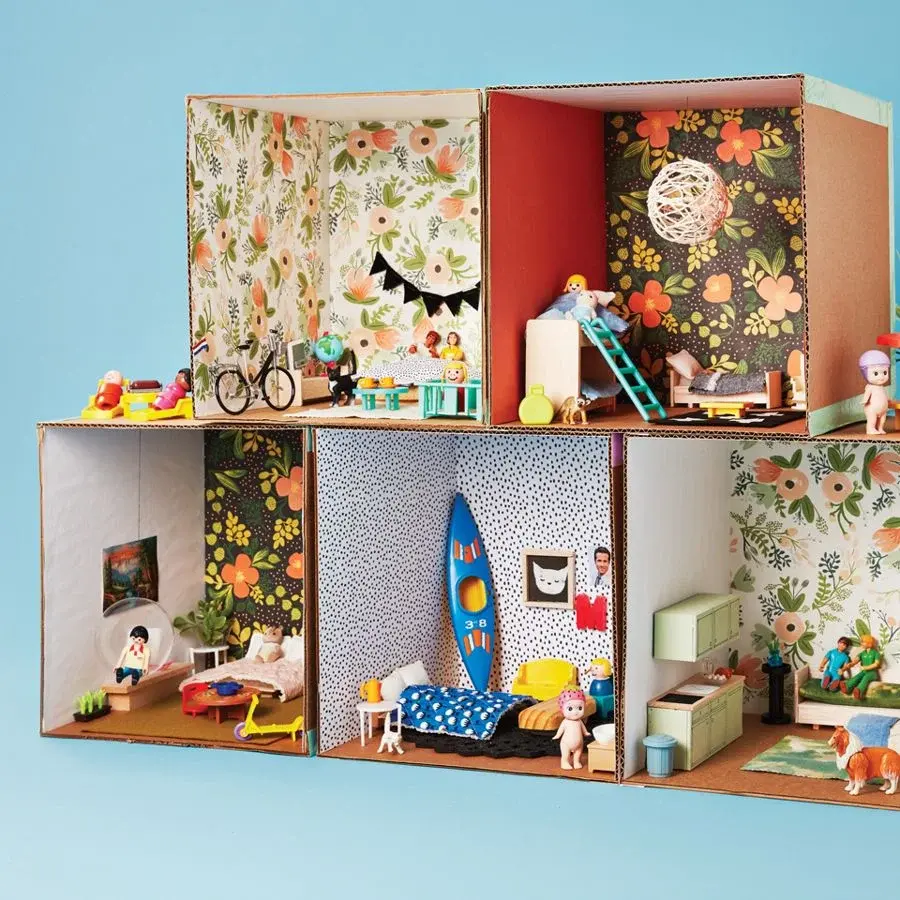
- Use cereal boxes to construct miniature castles or houses.
- Create custom bookmarks using cardstock, markers, and yarn tassels.
- Design personalized greeting cards with stamps, stickers, and dried leaves.
- Construct puppets from old socks, buttons, and fabric scraps.
Why indoor scavenger hunts work
Scavenger hunts are highly effective because they turn a familiar home environment into a mysterious landscape. By creating a list of hidden items or clues, you encourage children to practice problem-solving, literacy, and spatial awareness. Tailor the difficulty level to the child's age; toddlers might look for objects by color, while older children can solve rhyming riddles that lead to the next location.
Avoid making the clues too difficult, as this can lead to frustration and premature abandonment of the game. If you have multiple children, consider creating separate lists or having them work in teams to foster cooperation. Providing a small, non-food reward at the end, such as choosing the next movie or an extra bedtime story, adds a satisfying conclusion to the activity.
How to organize a rainy day kitchen session
Baking or preparing simple snacks serves as both a productive activity and a rewarding experience. Choose recipes that involve measuring, mixing, and decorating, such as sugar cookies, fruit skewers, or homemade pizza. These tasks teach basic math and science concepts while allowing children to take ownership of their food. Always supervise younger children closely, especially when using ovens or sharp utensils.
A common mistake is failing to prepare the workspace before inviting the children into the kitchen. Gather all ingredients and measuring tools beforehand to minimize chaos and maintain focus. Allow for minor messes, as the goal is to enjoy the process rather than achieving professional culinary results. Ensure children wash their hands thoroughly before starting and keep a clear path to the sink for easy cleanup.
Best ways to host an indoor cinema experience
Turning a rainy afternoon into a movie theater event creates a sense of occasion that children find memorable. Start by building a "fort" using blankets, cushions, and chairs to provide a cozy, darkened space for viewing. This enclosure helps minimize distractions and enhances the immersive quality of the film. Choose movies that align with the children's interests or explore new genres together.
To elevate the experience, prepare traditional theater snacks like popcorn, sliced fruit, or homemade lemonade. Dim the lights and turn off electronic devices to mimic a real cinema atmosphere. Avoid choosing films that are too long or overly stimulating, as this can lead to restlessness. By curating the environment and the content, you ensure that the indoor cinema experience remains a relaxing and enjoyable way to wait out the storm.
Key facts
- Physical activity for 60 minutes a day is recommended for children, even when confined indoors.
- Building a blanket fort requires only basic household items like chairs, clothespins, and heavy blankets.
- Sensory bins filled with dry rice or pasta can keep toddlers occupied for extended periods.
- Baking simple recipes, such as sugar cookies, teaches children basic math and chemistry skills.
- Audiobooks are effective tools for improving literacy and focus during quiet indoor time.
- Rotating toys every few months helps maintain child interest and reduces clutter in play areas.
The bottom line
Rainy days provide a unique opportunity to foster creativity and strengthen family bonds through intentional indoor play. By balancing active movement with quiet, focused tasks, parents can maintain a productive environment despite limited space. The key is to prepare a variety of simple, low-prep resources in advance, allowing children the freedom to choose their own activities while ensuring they remain engaged and constructively occupied throughout.
People also ask
How can I keep my kids active inside without damaging furniture?
Designate a "soft zone" using yoga mats or area rugs where jumping and tumbling are permitted. Use painter's tape to create an indoor obstacle course or a hopscotch grid on the floor.
What are the best materials for a DIY craft station?
Stock a bin with construction paper, glue sticks, safety scissors, and washable markers. Adding recycled items like cardboard tubes and egg cartons encourages creative engineering and reduces waste.
How do I manage screen time during a rainy day?
Set a clear time limit and pair digital media with active follow-up tasks. For example, have children draw their favorite character after watching a short educational program.
What is the biggest mistake parents make when planning indoor activities?
Over-scheduling every hour leads to burnout for both parents and children. Allow for periods of unstructured "boredom," which fosters independent play and imaginative problem-solving.
Are there educational games that don't require expensive supplies?
Classic games like "I Spy" or "20 Questions" require zero equipment and build vocabulary. You can also play scavenger hunts by listing items found in common rooms.
How can I involve kids in household chores as a game?
Turn cleaning into a competition by using a timer to see who can clear the most toys in five minutes. Use music to make folding laundry or dusting feel like a dance party.
This answer was created with the help of AI research tools and reference sources. Spotted an error? Let us know — we correct mistakes quickly. See our editorial policy.