What is a key in music?
Short answer
A key is a group of pitches, or a scale, that forms the foundation of a piece of music. It establishes a "home" note, known as the tonic, which provides a sense of stability and resolution. By organizing melodies and harmonies around this center, a key creates a specific emotional character and tonal framework.
On this page
What is a musical key?
A musical key is defined by a specific scale and a tonal center. When a composer writes in a key, they select a set of seven notes that sound harmonious together. The first note of this scale, the tonic, acts as the gravitational pull for the entire composition. Every other note in the key relates back to this tonic, creating a hierarchy of sounds that listeners perceive as stable or tense.
This system relies on the arrangement of whole steps and half steps. For example, the C Major scale consists of the notes C, D, E, F, G, A, and B. Because there are no sharps or flats in this sequence, it is considered the most fundamental key. Other keys, such as G Major or F Minor, introduce sharps or flats to maintain the specific interval pattern required for that key's unique "flavor."
How to identify a key signature
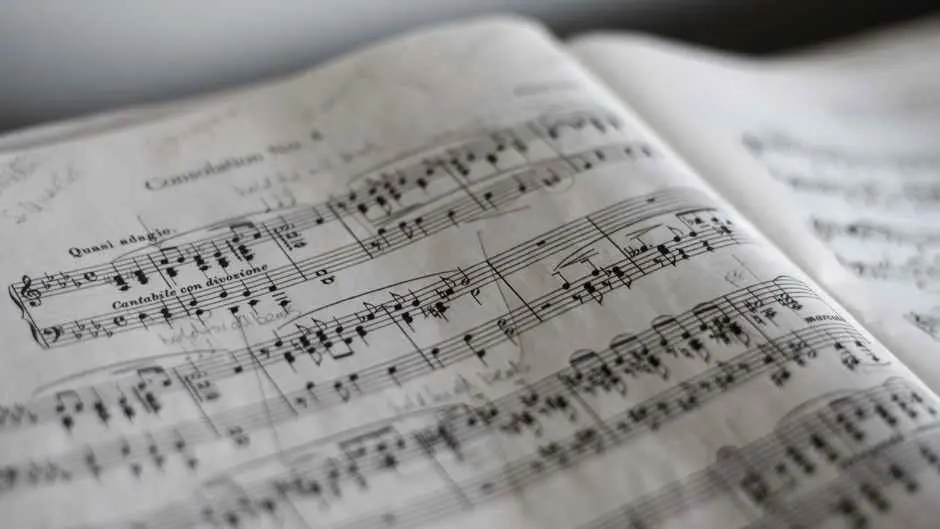
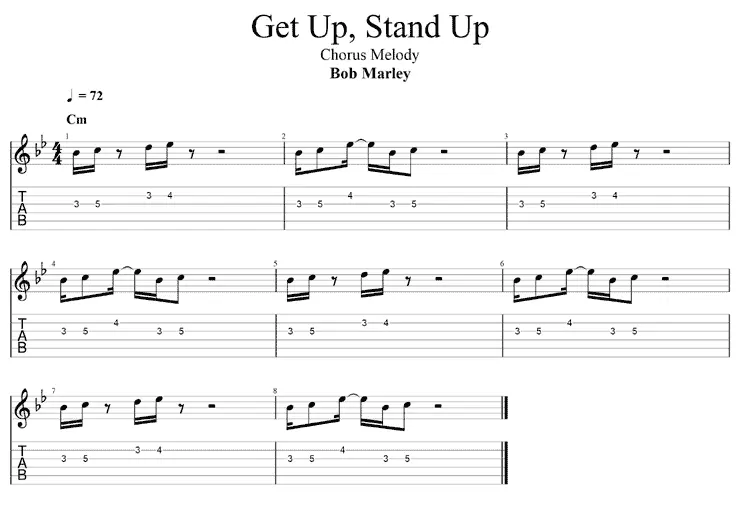
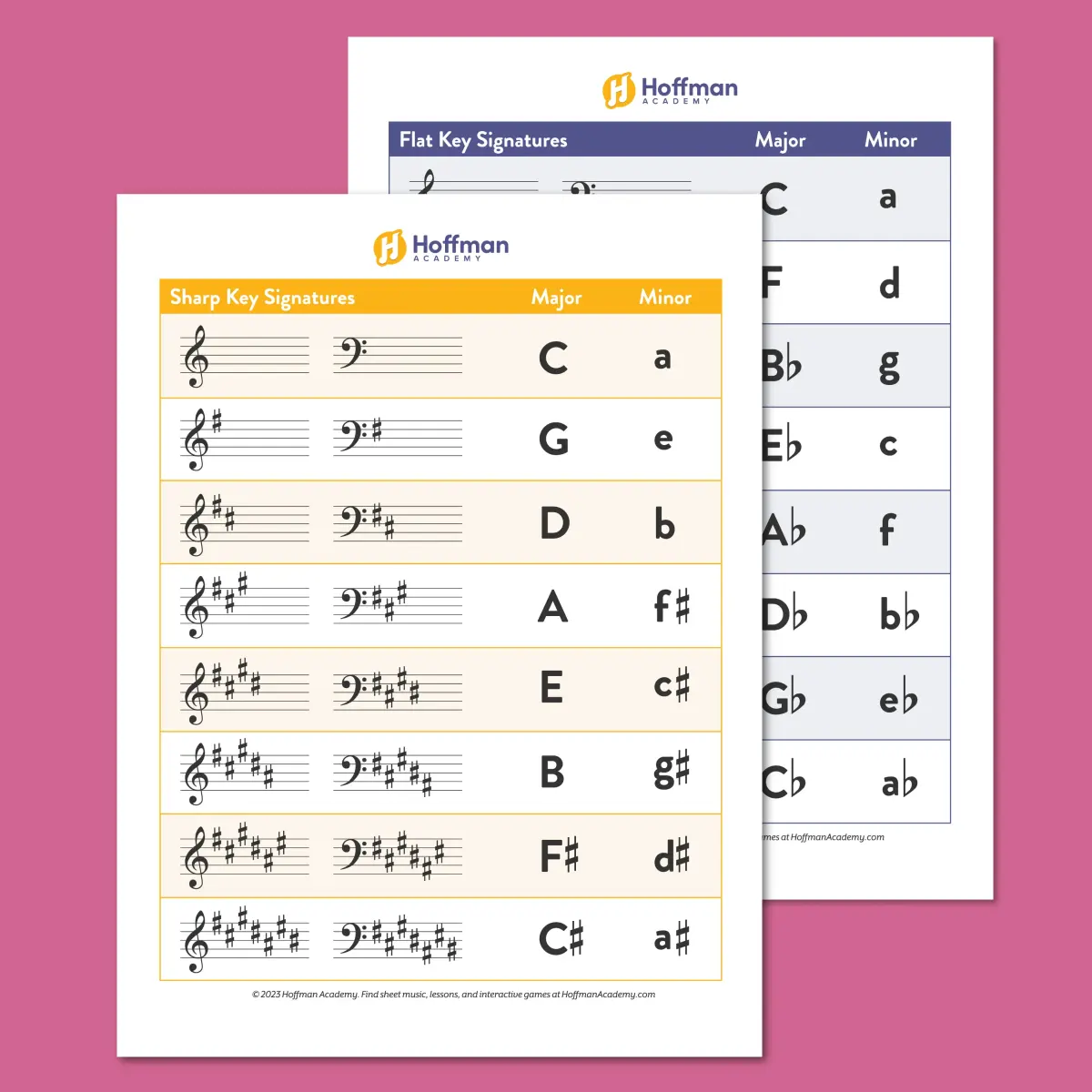
The key signature is a set of symbols placed at the beginning of a musical staff, immediately after the clef. It tells the performer which notes should be played sharp or flat throughout the piece. By looking at these symbols, you can quickly determine the key without reading every individual note.
To identify a key signature, follow these simple steps:
- Count the number of sharps or flats at the start of the staff.
- For sharp keys, look at the last sharp on the right; the key is one half-step above that note.
- For flat keys, look at the second-to-last flat; that note is the name of the major key.
- If there are no sharps or flats, the music is in the key of C Major or A Minor.
Why keys change in music
Modulation is the process of shifting from one key to another within a single piece of music. Composers use this technique to add variety, build tension, or signal a change in mood. Moving to a new key can make a chorus feel more energetic or provide a sense of relief after a long, dissonant section.
Common reasons for changing keys include:
- Creating a sense of progression or narrative development.
- Shifting the emotional tone from dark to light or vice versa.
- Preparing the listener for a final, climactic resolution back to the original tonic.
- Accommodating the vocal range of a singer who needs a higher or lower pitch.
When a piece modulates, it often uses a "pivot chord" that belongs to both the old key and the new key, allowing for a smooth transition that does not sound jarring to the listener.
Best ways to learn keys for beginners
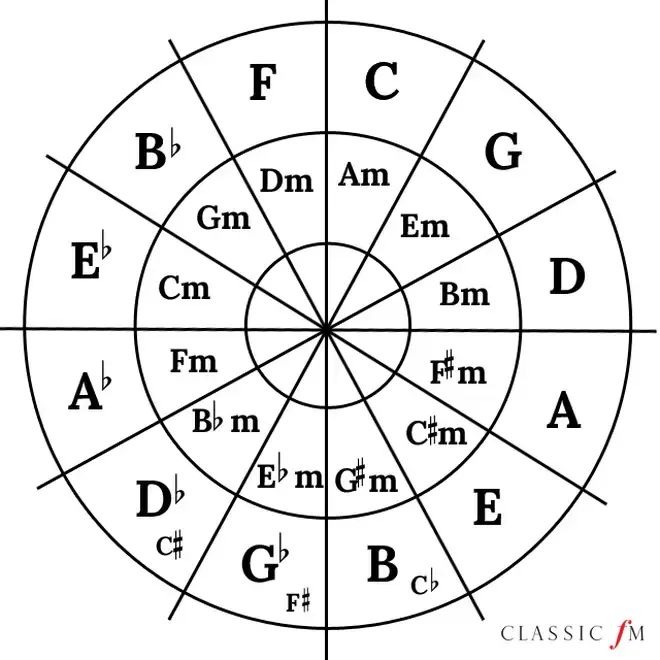
For beginners, the best approach is to start with the "Circle of Fifths." This visual tool organizes all twelve major and minor keys based on how many sharps or flats they contain. By practicing scales in the order of the circle, you learn how keys are mathematically related and how they sound in practice.
Focus on these practical exercises to build your understanding:
- Play the major scale of each key slowly on a piano or guitar.
- Sing the tonic note, then play the scale, and sing the tonic again to reinforce the "home" feeling.
- Listen to simple folk songs and try to identify the home note by humming along.
- Use apps or flashcards to memorize which sharps or flats belong to the most common keys like G, D, F, and B-flat.
Common mistakes when learning keys
One of the most frequent errors is confusing a major key with its relative minor. Every major key shares the exact same notes as a specific minor key, which is located three half-steps below the major tonic. For instance, C Major and A Minor share the same key signature, but they sound very different because they emphasize different "home" notes.
Another common mistake is ignoring the key signature entirely while sight-reading. Beginners often forget to apply the sharps or flats to every occurrence of that note throughout the measure. To avoid this, scan the key signature before you begin playing and mentally mark any notes that require an accidental. Finally, do not assume that a piece stays in one key from start to finish. Always be alert for "accidentals"—notes that fall outside the key signature—as these are often the first sign that the music is preparing to modulate to a new, different key.
Key facts
- A musical key defines the central pitch, or "home base," around which a piece of music is organized.
- Keys are determined by a specific scale, which is a sequence of seven notes arranged in a particular pattern of whole and half steps.
- The key signature at the beginning of a musical staff uses sharps (#) or flats (b) to indicate which notes should be altered throughout the piece.
- Major keys typically sound bright or happy, while minor keys are often perceived as darker, sadder, or more tense.
- You can identify a key by looking at the final note of a melody, which usually lands on the tonic, or the note that shares the key's name.
- A common mistake is assuming that a piece of music stays in one key; many compositions use modulation to shift from one key to another for emotional variety.
The bottom line
A musical key provides the structural foundation for a composition by establishing a home note and a corresponding scale. By understanding how keys function, you gain a roadmap for how melodies and harmonies interact to create specific moods. Whether you are listening or performing, identifying the key helps you anticipate the music's direction, resolve tensions, and appreciate the harmonic relationships that give every song its unique character.
People also ask
How do I find the key of a song by ear?
Listen for the note that feels like a point of rest or resolution, often found at the very end of the melody. Try playing different notes on an instrument until you find the one that sounds like the final "home" note of the piece.
What is the difference between a key and a scale?
A scale is a collection of notes arranged in order of pitch, acting as the raw material for a key. A key is the functional application of that scale, establishing a hierarchy where one note acts as the center of gravity.
Why are there so many different keys?
Different keys allow instruments to play in ranges that suit their physical construction and provide unique tonal colors. While a song can be transposed to any key, the choice of key changes the "vibe" and technical difficulty for the performer.
Can a song be in two keys at once?
While a piece usually centers on one key at a time, some complex music uses polytonality to layer two different keys simultaneously. This creates a dissonant, layered effect often heard in 20th-century classical works and experimental jazz.
What is a key signature?
A key signature is a set of symbols placed at the start of a musical staff to tell the player which notes to sharpen or flatten. It eliminates the need to write accidentals next to every note throughout the entire composition.
Is it possible for a song to have no key?
Yes, music that avoids a tonal center is called atonal. This style, popularized by composers like Arnold Schoenberg in the early 20th century, treats all twelve notes of the chromatic scale as equal rather than prioritizing one tonic note.
This answer was created with the help of AI research tools and reference sources. Spotted an error? Let us know — we correct mistakes quickly. See our editorial policy.