What is the Harlem Renaissance?
Short answer
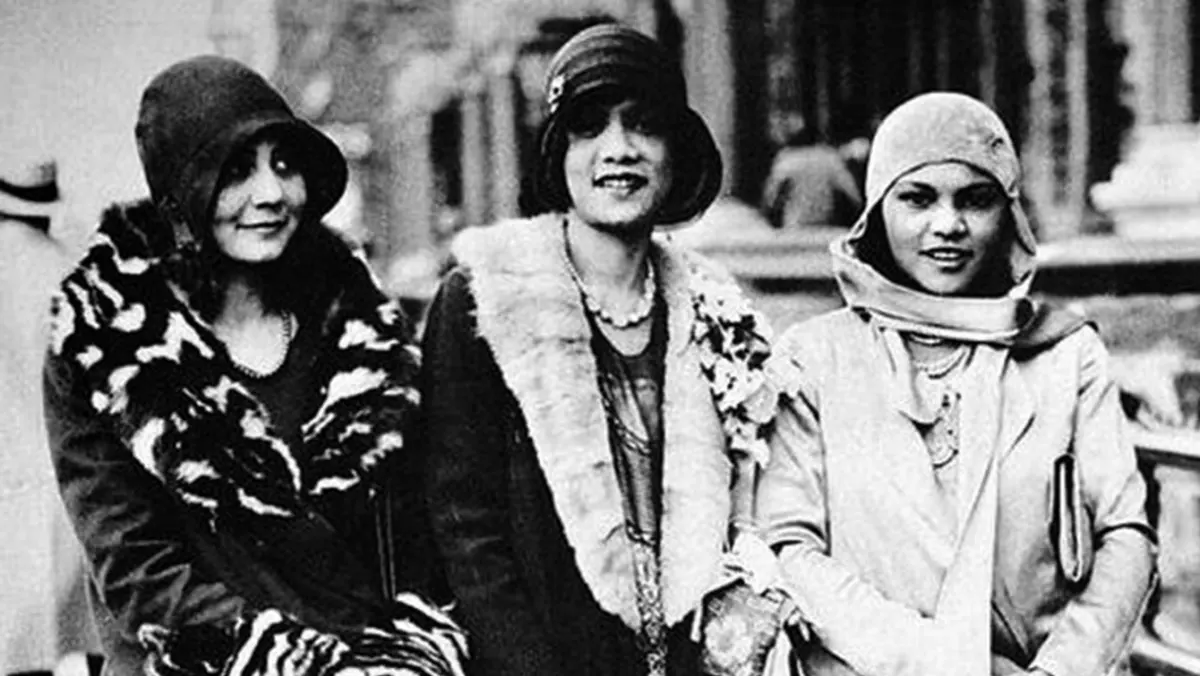
The Harlem Renaissance was a transformative intellectual, social, and artistic explosion centered in the Harlem neighborhood of New York City during the 1920s. It marked a pivotal era for African American culture, fostering a new sense of racial pride, creative expression, and political activism that fundamentally reshaped American literature, music, and art.
On this page
What caused the Harlem Renaissance to happen?
The movement emerged primarily as a result of the Great Migration, a period during which millions of African Americans relocated from the rural South to the urban North. Seeking to escape the systemic violence of Jim Crow laws and the economic stagnation of sharecropping, migrants flocked to cities like New York, Chicago, and Philadelphia. Harlem, specifically, became a vibrant hub for this demographic shift, attracting intellectuals, artists, and laborers who sought to build a new urban identity.
This migration coincided with a post-World War I climate of social change. Having served in the military, African American veterans returned home with a heightened sense of self-worth and a demand for equality. Simultaneously, the rise of the "New Negro" philosophy—championed by figures like Alain Locke—encouraged Black Americans to embrace their heritage and challenge racial stereotypes through high-level intellectual and creative output. This confluence of migration, veterans' advocacy, and a burgeoning middle class created the perfect environment for a cultural revolution.
Who were the key figures of the Harlem Renaissance?
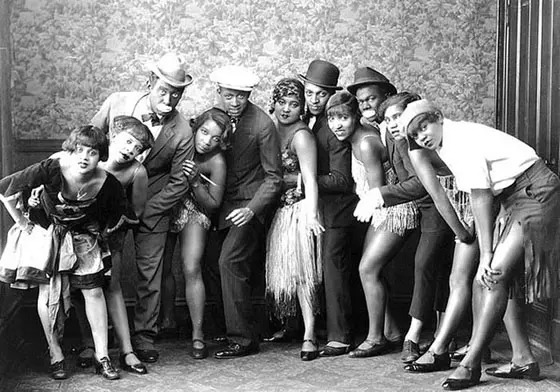
The movement was defined by a diverse group of thinkers and creators who utilized various mediums to articulate the Black experience. Literature was a cornerstone of this period, with writers exploring themes of identity, struggle, and joy. Musicians, particularly jazz and blues artists, revolutionized the American soundscape, while visual artists captured the dignity and complexity of Black life.
Key contributors included:
- Langston Hughes: A poet and novelist known for his insightful portrayals of working-class Black life.
- Zora Neale Hurston: An anthropologist and author whose work celebrated Southern Black folklore.
- Duke Ellington: A legendary composer and bandleader who brought jazz to international prominence.
- Claude McKay: A poet whose writing often addressed the harsh realities of racial injustice.
- Augusta Savage: A pioneering sculptor who fought for the inclusion of Black artists in the mainstream art world.
How to explore Harlem Renaissance literature for beginners
If you want to understand the movement, start with the foundational texts that defined its intellectual scope. Do not attempt to read everything at once; instead, focus on specific genres or authors that resonate with your interests. Begin with short stories or poetry collections, as these often provide the most accessible entry points into the complex themes of the era.
Follow these steps to build your reading list:
- Start with "The New Negro," an anthology edited by Alain Locke that serves as the definitive manifesto of the movement.
- Read Langston Hughes’s "The Weary Blues" to understand the rhythmic, jazz-influenced style of the era’s poetry.
- Move on to Zora Neale Hurston’s "Their Eyes Were Watching God" for a masterclass in narrative voice and cultural preservation.
- Research the historical context of each book to understand how the political climate influenced the author’s specific creative choices.
Why the Harlem Renaissance ended
Historians generally agree that the movement began to decline with the onset of the Great Depression in 1929. The economic collapse hit Harlem particularly hard, as the financial support from white patrons and organizations dried up almost overnight. As jobs vanished and poverty deepened, the focus of the Black community shifted from artistic flourishing to basic survival. The movement did not disappear entirely, but its institutional funding and public momentum were severely curtailed by the national economic crisis.
The decline was also influenced by internal shifts in political priorities. By the mid-1930s, many intellectuals moved toward more overtly political and radical ideologies, moving away from the purely artistic focus of the earlier years. The focus transitioned toward labor rights, civil rights activism, and the fight against lynching. While the "Renaissance" as a distinct, localized cultural moment concluded, its impact remained embedded in the foundation of the later Civil Rights Movement and modern American cultural identity.
Common mistakes when studying the Harlem Renaissance
A frequent error is viewing the Harlem Renaissance as a geographically isolated event. While Harlem was the epicenter, the movement was part of a broader national trend of Black creative expression that occurred in cities like Chicago, Washington D.C., and Paris. Another common mistake is assuming that all participants shared the same political or social views. In reality, there was intense debate within the movement regarding whether art should be used for political propaganda or purely for aesthetic expression.
Avoid these pitfalls to ensure a more accurate understanding:
- Do not assume that the movement was entirely supported by Black audiences; much of the funding and publishing success relied on white patrons.
- Avoid romanticizing the era by ignoring the severe economic hardships and systemic discrimination that persisted despite the cultural boom.
- Do not treat the movement as a monolith; recognize the distinct differences in style and philosophy between authors like W.E.B. Du Bois and younger writers like Langston Hughes.
- Always check the publication dates of works to distinguish between the peak years of the movement and the later decades of the twentieth century.
Key facts
- The Harlem Renaissance was a flourishing of African American culture, art, and literature centered in the Harlem neighborhood of New York City during the 1920s and mid-1930s.
- Key literary figures included Langston Hughes, Zora Neale Hurston, Claude McKay, and Countee Cullen, who explored themes of racial identity and social struggle.
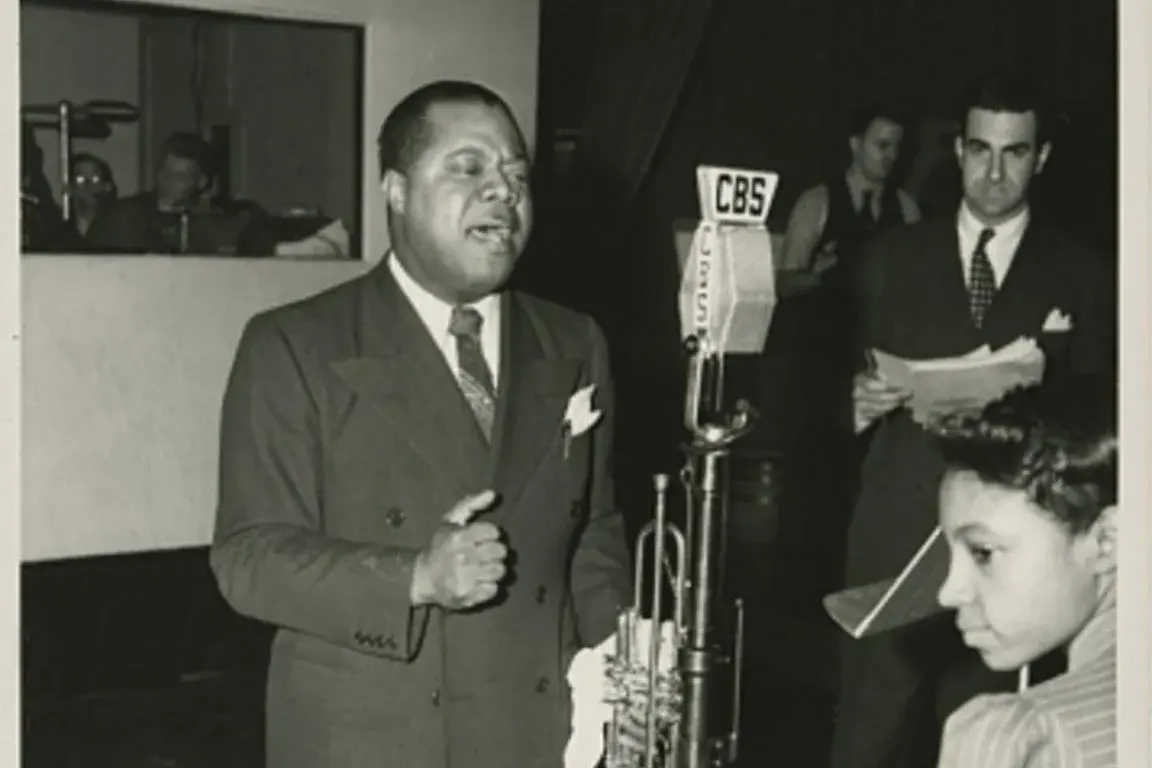
- Jazz and blues music became defining sounds of the era, with legendary performers like Duke Ellington, Louis Armstrong, and Bessie Smith rising to national prominence.
- Visual artists such as Aaron Douglas integrated African motifs and modern aesthetics to challenge racial stereotypes and celebrate Black heritage.
- The movement was fueled by the Great Migration, which saw millions of African Americans move from the rural South to Northern urban centers seeking better opportunities.
- To study this period effectively, focus on primary texts like The New Negro anthology, edited by Alain Locke, which served as the movement's intellectual manifesto.
The bottom line
The Harlem Renaissance was a transformative era of African American creative expression that redefined Black identity in the United States. By blending traditional heritage with modern urban realities, artists, musicians, and writers forced the nation to confront the depth of the Black experience. This movement remains a vital landmark in cultural history, proving that art is a powerful tool for social change and self-determination.
People also ask
Why did the Harlem Renaissance end?
The movement largely declined due to the onset of the Great Depression in 1929, which decimated funding for the arts and shifted the national focus toward economic survival. Additionally, the 1935 Harlem Riot signaled a change in the social climate, leading to a more overtly political and protest-oriented focus in Black literature.
Was the Harlem Renaissance limited only to New York City?
While Harlem served as the primary epicenter and symbolic heart of the movement, the cultural revival had national and international reach. Similar artistic and intellectual developments occurred in cities like Chicago, Washington, D.C., and Paris, where many Black expatriate writers and musicians lived.
How did the movement influence the Civil Rights Movement?
The Harlem Renaissance fostered a sense of "race pride" and collective identity that laid the intellectual foundation for later activism. By asserting the humanity, intellectual capacity, and cultural richness of Black Americans, the movement challenged white supremacy and demanded equal rights through artistic expression.
What role did white patrons play in the movement?
White patronage was a double-edged sword; while it provided essential financial support for artists to create, it also exerted pressure on them to conform to white expectations. Some artists felt that patrons encouraged them to focus on "exotic" or "primitive" themes rather than the reality of modern Black life.
What are the most common misconceptions about the Harlem Renaissance?
A common mistake is viewing the movement as purely literary, ignoring the profound impact of visual arts, theater, and music. Another error is assuming the movement was a monolithic group, when in reality, it consisted of diverse individuals with conflicting views on politics, art, and assimilation.
How can I identify authentic Harlem Renaissance literature?
Look for works published between roughly 1918 and 1935 that focus on the "New Negro" philosophy, which emphasized self-reliance and racial pride. Authentic works often utilize vernacular language, explore urban themes, and directly confront the complexities of the African American experience in the post-World War I era.
This answer was created with the help of AI research tools and reference sources. Spotted an error? Let us know — we correct mistakes quickly. See our editorial policy.