How does art help child development?
Short answer
Art fosters child development by enhancing fine motor skills, cognitive growth, and emotional regulation. Engaging in creative activities encourages critical thinking, spatial awareness, and self-expression. By experimenting with colors, shapes, and textures, children build neural connections that support problem-solving abilities and academic success across various subjects throughout their formative early years.
On this page
How does art improve cognitive and motor skills?
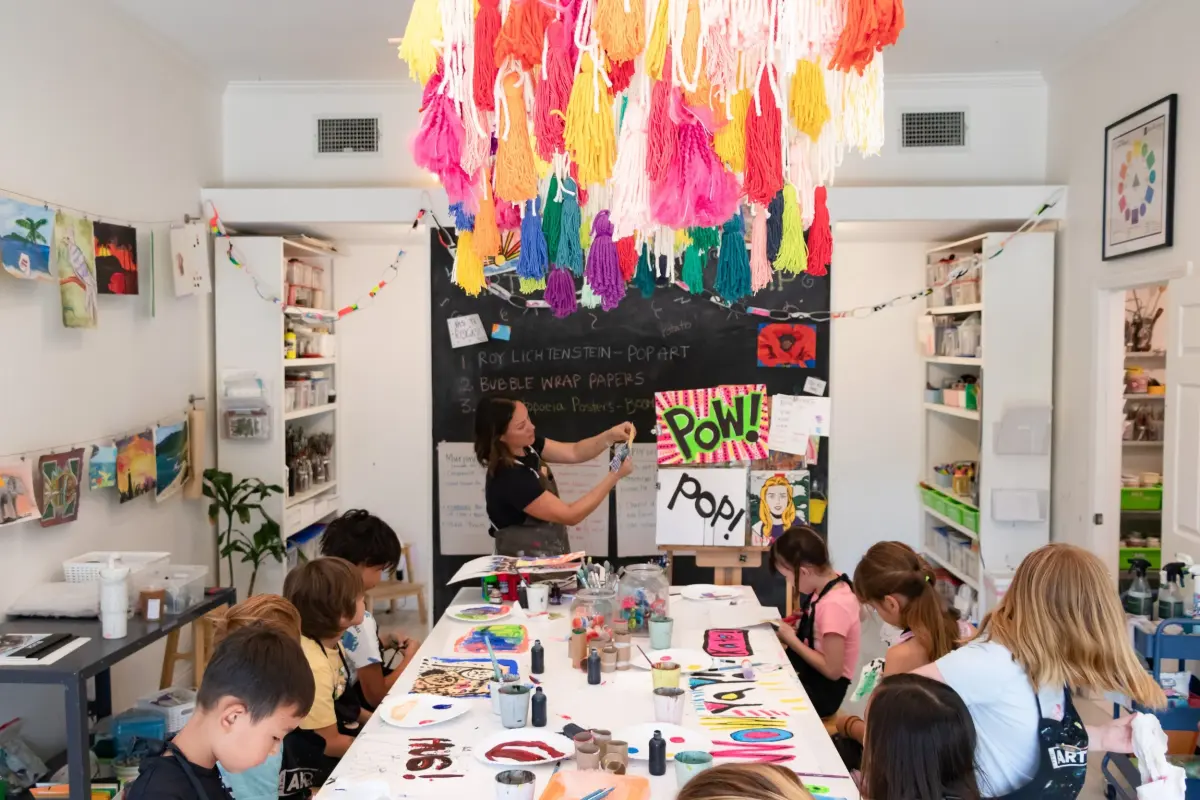
Artistic expression serves as a fundamental exercise for both the brain and the body, particularly in early childhood. When a child grips a crayon, paints a canvas, or manipulates clay, they are refining their fine motor skills and hand-eye coordination. These physical actions strengthen the small muscles in the fingers and wrists, which are essential for later tasks like writing and using tools.
Beyond the physical, art stimulates cognitive development by requiring children to make constant decisions. They must determine which colors represent their ideas, how to balance shapes on a page, and how to execute a vision. This process promotes executive function, including planning, focus, and memory. Research suggests that children who engage in regular artistic practice demonstrate improved spatial-temporal reasoning, which is a core component of mathematical and scientific understanding.
Why is art essential for emotional regulation?
Creative activities provide a safe, non-verbal outlet for children to process complex emotions. For many children, articulating feelings through speech is difficult, but drawing or sculpting allows them to externalize internal states. This process can reduce anxiety and provide a sense of agency, as the child has complete control over their creation.
When children share their work, they also build social-emotional intelligence. They learn to value their own perspective while observing the different ways peers interpret the same prompts. This fosters empathy and self-confidence. To support this growth, parents and educators should focus on the process rather than the final product. Encouraging experimentation helps children understand that mistakes are simply part of the creative journey, which builds resilience.
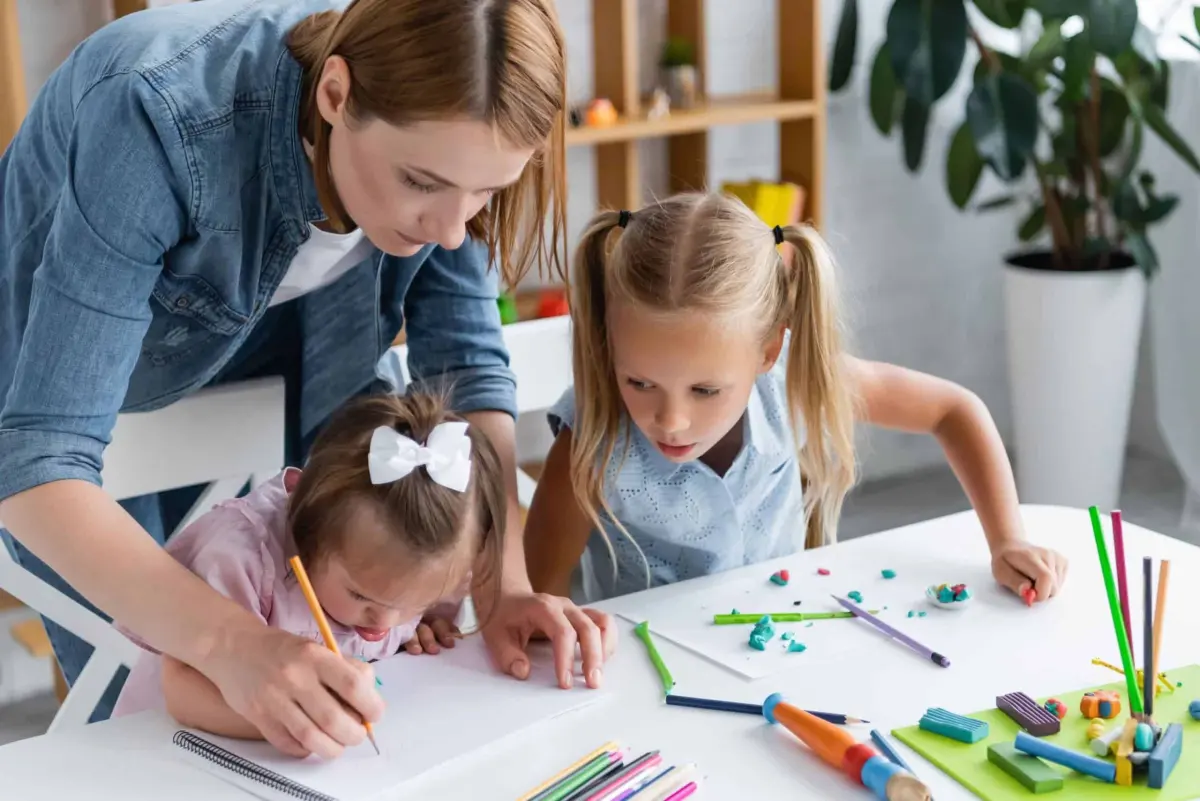
How to encourage creativity at home?
Creating a dedicated space for art does not require expensive equipment or a professional studio. A small corner with accessible materials is sufficient to spark daily inspiration. The goal is to provide autonomy so that children feel empowered to create whenever the mood strikes.
- Designate a "mess-friendly" zone, such as a kitchen table covered with a plastic mat.
- Provide a variety of materials, including paper, non-toxic paints, glue, recycled cardboard, and fabric scraps.
- Offer open-ended prompts, such as "What does a happy sound look like?" rather than asking them to draw a specific object.
- Rotate materials periodically to keep the experience fresh and exciting.
- Display their artwork in the home to show that you value their creative efforts and unique perspective.
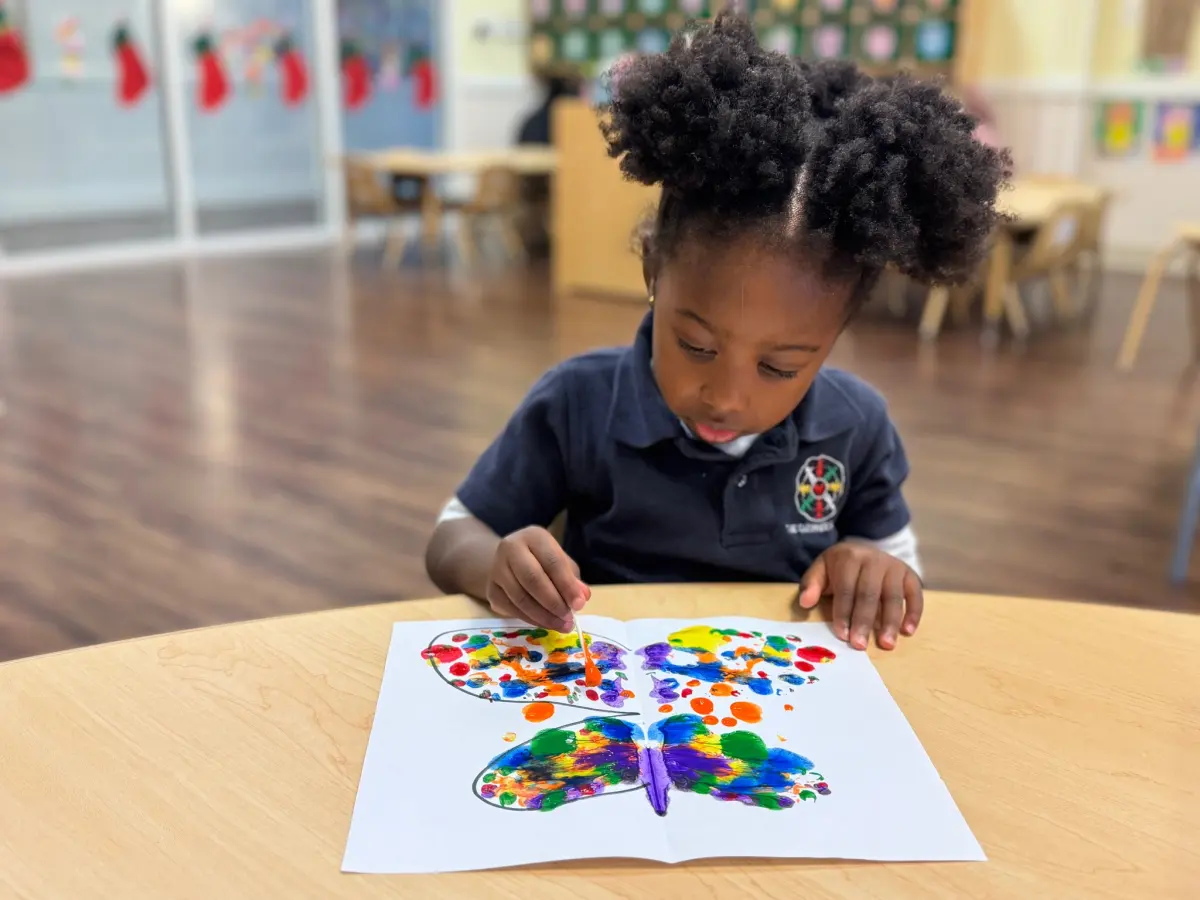
Common mistakes when teaching art to children
A frequent error is prioritizing realism or "correct" technique over creative exploration. When adults push children to draw things exactly as they appear, it can stifle imagination and cause frustration. Instead, allow for abstract expression, as this is the natural developmental stage for most young children.
Another mistake is providing too much direction or "correcting" the child’s work. When an adult takes the brush to fix a painting, the child loses the opportunity to solve problems independently. Avoid these common pitfalls to keep the experience positive:
- Do not compare a child’s work to that of their peers or siblings.
- Avoid using coloring books exclusively, as they limit creative decision-making.
- Do not rush the process; allow children to linger on a project for as long as they choose.
- Refrain from focusing solely on the final result, as the developmental benefits occur during the act of creating.
What are the best art activities for different ages?
Developmental needs change as children grow, so tailoring activities to their current capabilities ensures they remain engaged. Toddlers benefit most from sensory exploration, while older children can handle more complex, multi-step projects. By matching the activity to the developmental stage, you maximize the cognitive and emotional benefits of the experience.
- Ages 2-4: Focus on sensory play, such as finger painting, playdough, and large-scale scribbling with thick crayons.
- Ages 5-7: Introduce structured projects like collage, simple origami, or watercolor painting that requires basic control.
- Ages 8-10: Encourage more technical skills, such as sketching from observation, basic printmaking, or building 3D structures with wood and wire.
- Ages 11+: Support independent projects like digital art, complex sculpture, or mixed-media storytelling that requires planning and sustained effort.
By following these age-appropriate guidelines, you ensure that art remains a challenging yet rewarding pursuit that supports the child’s long-term intellectual and emotional maturation.
Key facts
- Engaging in regular drawing and painting improves fine motor skills by strengthening the small muscles in a child's hands and fingers.
- Art activities stimulate both hemispheres of the brain, fostering the neural connections necessary for complex problem-solving.
- Studies show that children who participate in the arts perform better in mathematics and literacy due to enhanced spatial-temporal reasoning.
- Allowing children to choose their own materials and methods builds self-esteem and encourages independent decision-making.
- Art provides a safe, non-verbal outlet for children to process complex emotions like frustration, anxiety, or excitement.
- To maximize developmental benefits, focus on the creative process rather than the final product to prevent performance anxiety.
The bottom line
Art is a powerful developmental tool that bridges the gap between cognitive growth and emotional expression. By prioritizing the creative process over the final result, parents and educators provide children with a safe space to refine motor skills, build confidence, and navigate their internal worlds. Encouraging consistent, open-ended exploration with diverse materials ensures that children develop the critical thinking and resilience necessary for lifelong learning success.
People also ask
At what age should I introduce art supplies to my child
You can introduce non-toxic, age-appropriate art materials as soon as a child can sit up independently, typically around six months. Focus on sensory exploration with finger paints or large crayons at this early stage.
Does coloring inside the lines matter for development?
Coloring inside the lines is a specific skill related to precision, but it is not a measure of creativity. Overemphasizing it can stifle a child's willingness to experiment and express themselves freely.
What are the best art materials for toddlers?
Thick triangular crayons, large-grip markers, and washable finger paints are ideal for toddlers. These tools accommodate their developing grasp and minimize frustration during the creative process.
How can art help a child who struggles with social skills?
Collaborative art projects, such as creating a large mural together, teach children how to share space, negotiate ideas, and respect others' contributions. It provides a structured way to interact without the pressure of constant conversation.
Should I correct my child's art to help them improve?
Avoid correcting a child's work, as this shifts the focus from self-expression to external standards. Instead, ask open-ended questions like "Tell me about what you drew here" to encourage reflection.
Is digital art as beneficial as traditional physical media?
Physical media like clay, charcoal, and paint offer unique tactile feedback that digital tools currently lack. While digital art teaches technical skills, physical art is superior for developing sensory-motor coordination.
This answer was created with the help of AI research tools and reference sources. Spotted an error? Let us know — we correct mistakes quickly. See our editorial policy.