What are good hobbies for kids?
Short answer
Engaging hobbies for children foster cognitive development, physical health, and emotional resilience. Ideal activities balance structured learning with creative exploration, such as coding, gardening, team sports, or artistic pursuits. By selecting hobbies that align with a child’s natural curiosity and developmental stage, parents can help them build lasting skills and confidence.

On this page
How to choose the right hobby for a child
Selecting a hobby begins with observing a child’s natural inclinations and energy levels. If a child enjoys solving puzzles, logic-based activities like chess or basic programming are excellent starting points. For children who prefer movement, organized sports or dance provide necessary physical outlets. It is important to avoid forcing a child into a specific activity based on parental preference, as this often leads to burnout and resentment. Instead, offer a trial period for several interests to see which ones spark genuine enthusiasm.
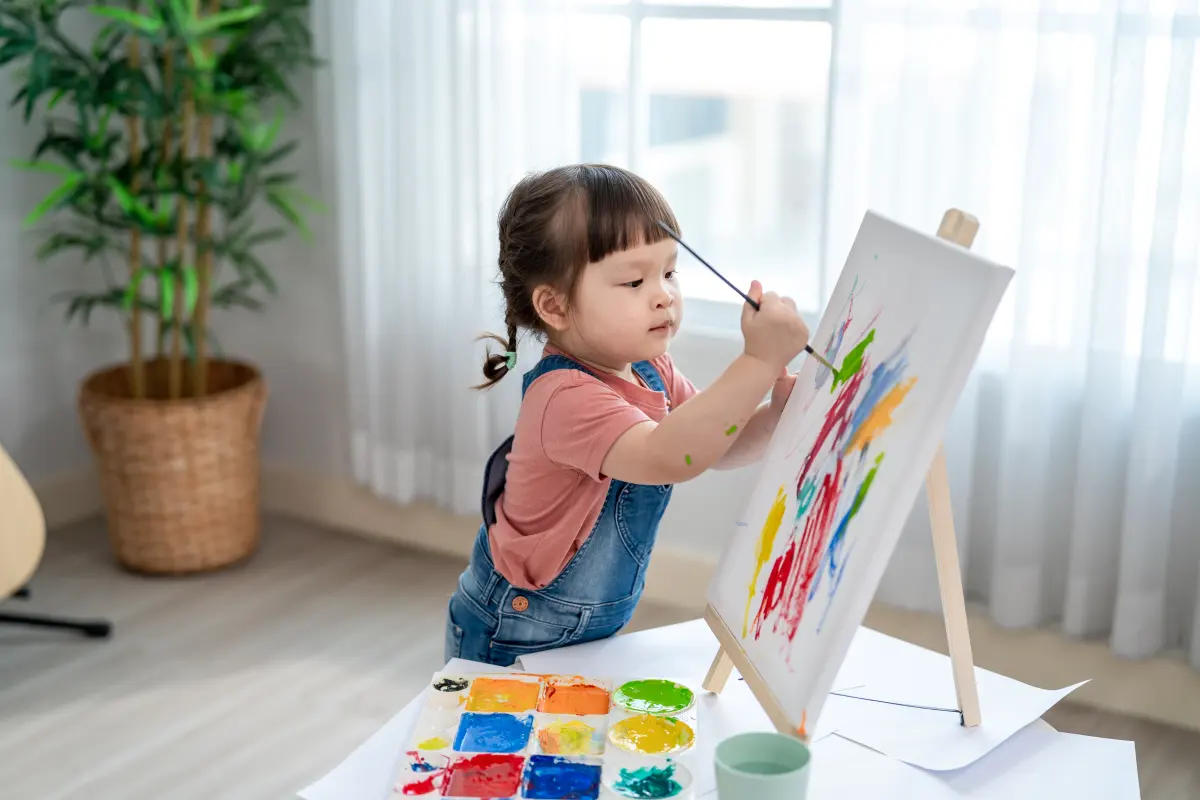
When introducing a new hobby, focus on the process rather than the outcome. If a child is interested in painting, provide materials without dictating the subject matter. Allow them to experiment with colors and techniques, which builds creative autonomy. Remember that children’s interests shift rapidly as they grow, so remain flexible and supportive of their changing passions.
Best creative hobbies for beginners
Creative hobbies allow children to express complex emotions and develop fine motor skills. These activities provide a tangible sense of accomplishment that boosts self-esteem. Whether through visual arts, music, or writing, children learn to translate internal ideas into external works.
- Drawing and sketching: Requires only paper and pencils, making it highly accessible.
- Origami: Improves spatial reasoning and patience through precise paper folding.
- Creative writing: Encourages vocabulary expansion and narrative structure development.
- Playing a musical instrument: Enhances auditory processing and discipline through regular practice.
To get started, create a dedicated space where supplies are easily accessible. A small corner with a desk or a bin of art materials encourages independent play. Avoid the common mistake of criticizing early efforts; instead, ask open-ended questions about their process to encourage further exploration and growth.
Why physical hobbies improve health
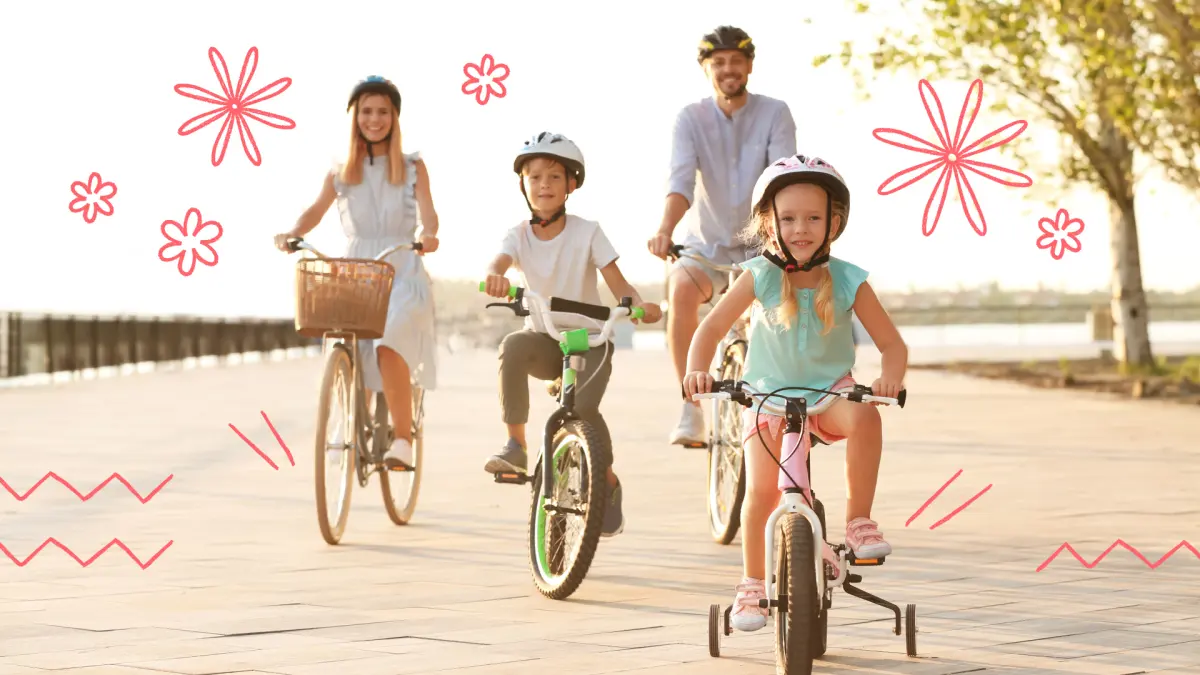
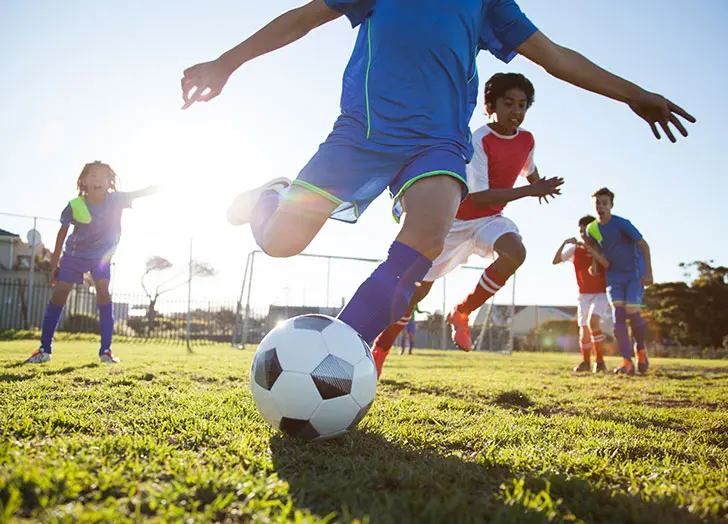
Physical hobbies are essential for developing gross motor skills, coordination, and cardiovascular health. Beyond the physical benefits, team sports teach children how to collaborate, handle defeat, and celebrate collective success. Individual physical activities, such as swimming or martial arts, help children focus on personal improvement and self-discipline.
- Assess the child’s comfort level with team environments versus individual performance.
- Select a local club or community center that emphasizes skill development over high-stakes competition.
- Ensure the child has the appropriate safety gear, such as helmets or pads, to prevent injury.
- Schedule consistent practice times to build a routine that feels predictable and manageable.
A common mistake is over-scheduling a child with too many athletic commitments, which can lead to physical fatigue and loss of interest. Prioritize quality of engagement over the quantity of activities to ensure the child remains physically active without feeling overwhelmed.
How long does it take to learn a new skill
The time required to gain proficiency in a hobby varies significantly based on complexity and natural aptitude. Simple crafts might yield results in a few hours, while learning an instrument or a sport requires years of consistent effort. Experts suggest that children benefit most from "deliberate practice," which involves focused, short sessions rather than long, sporadic ones.
For most hobbies, a child will reach a basic level of competency within three to six months of consistent weekly practice. During this period, parents should provide encouragement, especially when the child hits a "plateau" where progress feels slow. It is vital to frame these plateaus as a normal part of the learning curve rather than a sign of failure. By setting small, achievable milestones, such as learning a new song or finishing a simple project, you help the child maintain motivation throughout the long-term learning process.
Common mistakes when starting a hobby
Many parents unintentionally stifle a child's interest by imposing too much structure or pressure. One frequent error is treating a hobby like a school subject, complete with grades or rigid expectations. This transforms a fun pastime into a chore, effectively killing the intrinsic motivation that makes hobbies enjoyable. Another mistake is failing to provide the right tools, which can lead to frustration when a child cannot achieve the results they envision.
To avoid these pitfalls, keep the environment low-pressure and emphasize fun. If a child wants to quit, discuss the reasons behind their decision before allowing them to stop. Sometimes, they may just need a break or a change in the way they approach the activity. By maintaining an open dialogue and keeping the focus on enjoyment, you ensure that the hobby remains a positive influence in their life for years to come.
Key facts
- Engaging in hobbies can improve a child's cognitive development, social skills, and emotional regulation.
- Physical activities like swimming or soccer help children meet the recommended 60 minutes of daily moderate-to-vigorous exercise.
- Creative arts, such as painting or playing an instrument, foster problem-solving abilities and spatial reasoning.
- Coding and robotics clubs introduce fundamental logic and computational thinking skills necessary for modern academic success.
- Gardening teaches biology and patience, as children observe the life cycle of plants from seed to harvest.
- Avoid over-scheduling; children need unstructured downtime to process their experiences and develop independent interests.
The bottom line
The most effective hobbies for children are those that balance physical movement, creative expression, and intellectual challenge. By prioritizing a child's genuine curiosity over adult expectations, parents can foster a lifelong love of learning and self-discovery. Whether through team sports, artistic endeavors, or scientific exploration, these activities serve as essential building blocks for developing resilience, social competence, and a well-rounded personality during formative years.
People also ask
How do I know if my child will like a specific hobby?
Introduce them to a variety of activities through trial classes or short-term workshops before committing to expensive equipment. Observe their engagement levels and ask them what parts of the activity they enjoyed most.
Should I force my child to continue a hobby they want to quit?
Encourage them to finish a set term or season to learn the value of commitment, but avoid forcing long-term participation. If they remain consistently unhappy, allow them to pivot to a different interest.
How can I balance hobbies with schoolwork?
Create a structured weekly calendar that prioritizes homework, sleep, and family time before adding extracurriculars. Ensure the hobby serves as a healthy outlet rather than an additional source of academic pressure.
Are expensive hobbies better for development?
High costs do not correlate with better developmental outcomes; simple activities like drawing, reading, or hiking are highly effective. Focus on the quality of the engagement rather than the price of the gear.
How can hobbies help shy children?
Group-based hobbies like team sports or drama clubs provide a structured environment with clear roles and social expectations. This reduces the pressure of spontaneous interaction while building confidence through shared goals.
What is the biggest mistake parents make when choosing hobbies?
The most common error is choosing activities based on adult preferences or perceived future prestige rather than the child's natural curiosity. This often leads to burnout and a negative association with the activity.
This answer was created with the help of AI research tools and reference sources. Spotted an error? Let us know — we correct mistakes quickly. See our editorial policy.