Should kids take art classes?
Short answer
Yes, children should take art classes because they foster critical cognitive development, emotional regulation, and spatial reasoning skills. Engaging in structured artistic activities improves academic performance in subjects like mathematics and literacy while providing a vital outlet for self-expression. These benefits persist throughout childhood, building confidence and enhancing complex problem-solving abilities.
On this page
Why art classes are important for child development
Art education serves as a fundamental pillar for neurological growth in children. Studies from organizations like the National Endowment for the Arts demonstrate that students who engage in regular artistic practice show higher proficiency in standardized testing compared to their peers. Beyond academic metrics, art classes provide a controlled environment where children learn to navigate ambiguity. Unlike subjects with a single correct answer, art encourages students to experiment with outcomes, which builds resilience and adaptability.
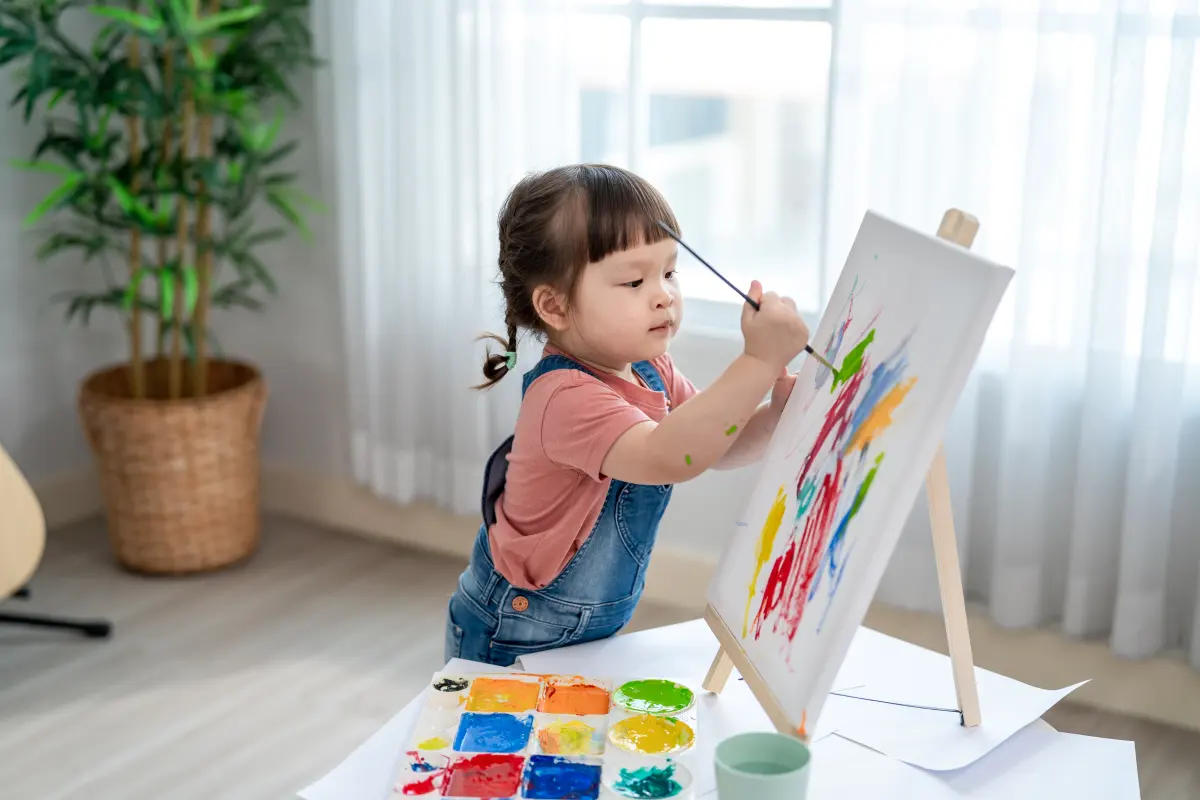
When children manipulate materials like clay, paint, or charcoal, they refine their fine motor skills and hand-eye coordination. This physical engagement is essential during early developmental stages, helping to prepare children for tasks like handwriting and tool manipulation. Furthermore, art classes offer a unique space for emotional processing. By translating internal thoughts into visual media, children develop the vocabulary to express complex feelings that they might otherwise struggle to articulate verbally.
How to choose the right art class for kids
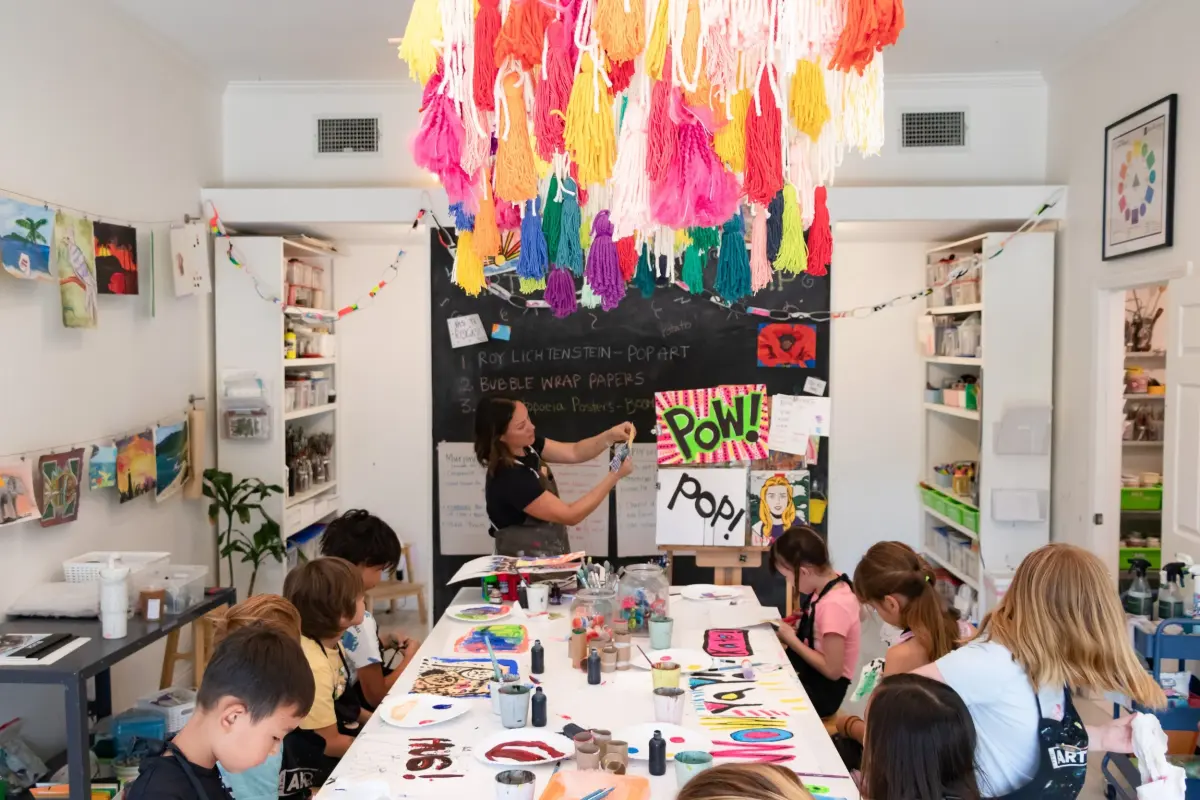
Selecting the appropriate program requires balancing a child’s specific interests with their current developmental stage. For younger children, look for process-oriented classes that emphasize exploration over the final product. As children grow older, they may benefit from more technical instruction in specific mediums like watercolor, digital design, or sculpture. It is important to observe a trial session to ensure the teaching style aligns with your child's temperament.
Consider the following factors when evaluating potential programs:
- Class size: Smaller groups allow for individualized attention and better safety supervision.
- Curriculum focus: Ensure the program balances technical skill building with creative freedom.
- Instructor qualifications: Look for teachers with backgrounds in both fine arts and early childhood education.
- Resource variety: High-quality programs should expose students to a wide range of materials and historical techniques.
Common mistakes when starting art classes
A frequent error parents make is prioritizing the aesthetic quality of a child's work over the learning process. When adults focus too heavily on the "beauty" of a painting, it can cause children to fear making mistakes, which stifles their creative risk-taking. Another common mistake is over-scheduling. If a child views art as a chore rather than a form of play, the psychological benefits of the activity are quickly diminished.
Avoid these pitfalls to ensure a positive experience:
- Do not dictate what the child should draw or create during their free time.
- Avoid comparing a child’s progress to that of their peers or siblings.
- Do not rush the creative process; allow children the time to experiment and potentially fail.
- Do not dismiss art as a "distraction" from core academic subjects, as it is a vital supplement to them.
How long does it take to see progress
Skill acquisition in art is a cumulative process that varies significantly based on the child’s age and the frequency of instruction. In the early stages, progress is measured by a child’s willingness to experiment with new tools and their ability to focus for longer durations. Within six months of consistent weekly classes, most children demonstrate improved spatial awareness and a more sophisticated grasp of color theory and composition.
It is important to understand that artistic growth is rarely linear. Children often go through phases where their work becomes more abstract or simplified as they integrate new concepts. Parents should focus on the child’s increased confidence and their ability to talk about their creative choices rather than looking for immediate technical mastery. By maintaining a consistent schedule, usually one or two sessions per week, children establish a routine that makes artistic expression a natural part of their cognitive toolkit.
Best ways to support young artists at home
Supporting an artist does not require a formal studio or expensive equipment. The most effective way to encourage growth is to provide a dedicated, accessible space where materials are readily available. This signals to the child that their creative work is valued and important. Keep a variety of supplies on hand, such as heavy-duty paper, graphite pencils, and non-toxic paints, and allow them to initiate projects on their own terms.
Engaging with your child about their work is equally important. Instead of asking "What is it?", which can imply that the work should be a realistic representation, try asking open-ended questions like "Tell me about the colors you chose" or "How did you decide to make this part so large?" These prompts encourage the child to reflect on their decision-making process. By validating their effort and curiosity, you help them develop a lifelong appreciation for the arts and a deeper understanding of their own creative potential.
Key facts
- Research from the Brookings Institution shows that students receiving arts education have fewer disciplinary infractions and higher writing scores.
- Art classes improve fine motor skills in children by requiring the use of small muscles in the hands and fingers for drawing and sculpting.
- Engaging in creative activities lowers cortisol levels, which helps children manage stress and emotional regulation.
- Visual arts training enhances spatial-temporal reasoning, a cognitive ability essential for success in advanced mathematics and engineering.
- A 2019 study published in Frontiers in Psychology found that structured art instruction significantly boosts divergent thinking and problem-solving capabilities.
- To maximize benefits, focus on the process of creation rather than the final product to encourage experimentation and reduce performance anxiety.
The bottom line
Art classes provide far more than just aesthetic training; they are essential tools for cognitive, emotional, and social development. By fostering fine motor skills, stress reduction, and critical problem-solving, these programs equip children with a versatile toolkit for academic and personal success. Encouraging a child’s creative journey—without the pressure of perfection—is a practical investment in their long-term ability to think independently and navigate complex challenges.
People also ask
At what age should a child start formal art classes
Most experts suggest introducing structured art classes between ages 4 and 6. At this stage, children have developed the necessary motor control to manipulate brushes and tools while beginning to understand symbolic representation.
How can parents support artistic development at home?
Provide a dedicated space with accessible supplies like paper, markers, and clay. Avoid correcting their work, as this can stifle creativity; instead, ask open-ended questions about their choices and intentions.
Are art classes beneficial for children who are not naturally talented?
Yes, the primary goal of art education is cognitive and emotional development rather than professional mastery. Every child benefits from the improved focus, patience, and confidence that comes with learning new techniques.
What are common mistakes parents make regarding art education?
A major mistake is prioritizing "neatness" or realistic accuracy over self-expression. Another error is over-scheduling, which turns a creative outlet into a stressful chore rather than a form of play.
Does art education impact performance in other school subjects?
Yes, there is a strong correlation between arts participation and academic achievement. The discipline required for art practice translates into better time management and persistence in subjects like science and literature.
How do I choose the right art program for my child?
Look for classes that emphasize exploration and diverse mediums rather than rote copying. Observe a trial session to ensure the instructor encourages individual expression and maintains a supportive, non-judgmental environment.
This answer was created with the help of AI research tools and reference sources. Spotted an error? Let us know — we correct mistakes quickly. See our editorial policy.