How do you raise a creative child?
Short answer
Raising a creative child requires fostering an environment that prioritizes exploration over perfection. Encourage curiosity, provide unstructured time, and model creative problem-solving. By valuing the process of discovery rather than the final product, parents help children develop the cognitive flexibility and confidence necessary to generate unique ideas throughout their lives.
On this page
How to foster creativity in children
Creativity is not an innate talent reserved for the gifted; it is a skill developed through consistent practice and environmental support. Research suggests that children possess a natural inclination toward divergent thinking, which is the ability to generate multiple solutions to a single problem. To nurture this, parents should provide a "yes" environment where unconventional ideas are welcomed rather than dismissed. This means allowing children to experiment with materials, ideas, and roles without the immediate pressure of a successful outcome.
When you observe your child engaged in creative play, avoid the urge to intervene or correct their technique. Instead, ask open-ended questions that encourage them to elaborate on their thought process. For example, asking "What do you think would happen if we changed the color?" or "How could we make this structure taller?" shifts the focus from the result to the underlying logic. This practice builds intellectual independence and teaches children that their perspectives are valuable.
Best activities for creative development
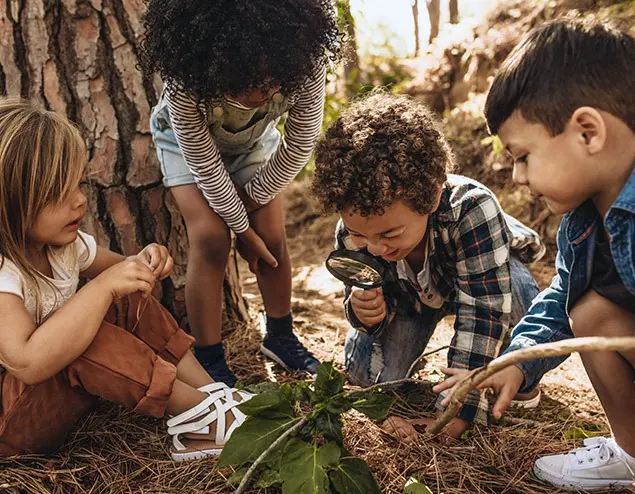
Providing the right tools is essential, but it does not require expensive kits or structured lessons. The most effective materials are often open-ended, meaning they can be used in infinite ways. Items like cardboard boxes, blocks, clay, and art supplies allow children to dictate the direction of their play. When children are not told exactly how to use an object, they are forced to imagine its potential, which strengthens their neural pathways for innovation.
Consider incorporating these activities into your weekly routine:
- Building complex structures with recycled materials or wooden blocks.
- Engaging in dramatic play where children invent characters and scenarios.
- Keeping a "wonder journal" where children draw or write about interesting observations.
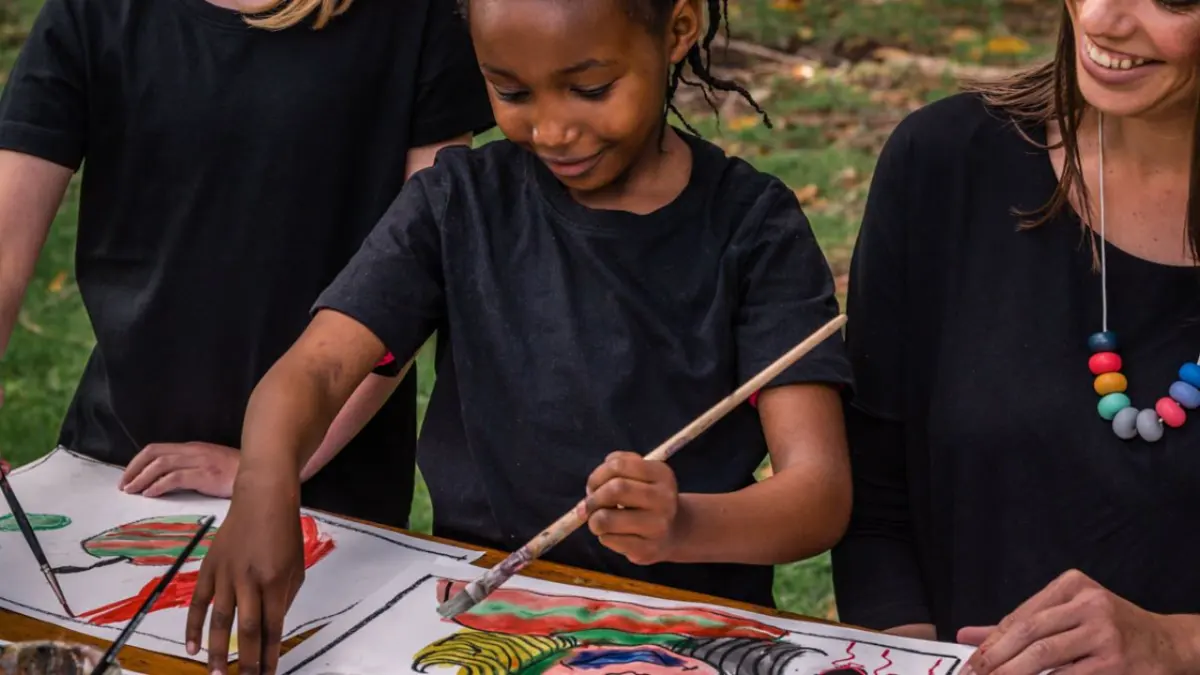
- Experimenting with mixed-media art projects that combine paint, fabric, and nature.
- Solving open-ended logic puzzles or riddles that have more than one correct answer.
Why unstructured play is important
Unstructured play is the primary laboratory for a child's imagination. When children are left to their own devices, they must negotiate rules, manage resources, and resolve conflicts without adult guidance. This autonomy is critical because it forces the brain to switch from passive consumption to active creation. Studies indicate that children who have significant periods of free play demonstrate higher levels of executive function and emotional regulation compared to those with highly scheduled lives.
To ensure your child benefits from this, protect their "boredom time." Many parents feel pressured to fill every hour with enrichment classes or screen-based entertainment, but boredom is often the catalyst for creativity. When a child is bored, they are compelled to look inward and invent their own amusement. By resisting the urge to solve their boredom, you provide them with the space to develop the internal motivation required for lifelong creative engagement.
Common mistakes when encouraging creativity
One of the most frequent errors parents make is over-praising the final product. While it is natural to want to celebrate a child's drawing or craft, focusing exclusively on the result—such as saying "That is a perfect painting"—can inadvertently teach the child to seek validation rather than personal satisfaction. This creates a fear of failure, where the child becomes hesitant to try new things because they might not meet the standard of "perfection" established by the adult.
Another common mistake is imposing strict rules on how materials should be used. For instance, insisting that a child must color inside the lines or build a tower exactly as depicted on a box instruction manual stifles the creative impulse. This rigid approach prioritizes conformity over exploration. To avoid these pitfalls, follow these guidelines:
- Praise the effort and the process, such as "I saw how hard you worked on that color choice."
- Allow for "productive mess" and accept that creativity often involves physical clutter.
- Model your own creative process by showing your child when you are trying something new or making a mistake.
How to support creative risk-taking
Creativity inherently involves the risk of failure. If a child is afraid to make a mistake, they will stick to safe, predictable patterns. To raise a creative child, you must reframe failure as a necessary step in the learning process. When a project collapses or an idea does not work, use it as a teaching moment to discuss what was learned and how the approach could be modified next time. This builds resilience and a growth mindset.
Encourage your child to view their creative output as a work in progress rather than a finished artifact. You can display their work in a way that allows for additions or modifications later, reinforcing the idea that ideas can evolve. By celebrating the courage it takes to try something new, you create a safe harbor where your child feels comfortable expressing their wildest ideas. This emotional security is the foundation upon which all original thought is built, ensuring your child remains a lifelong innovator.
Key facts
- Provide an "open-ended" environment where materials like blocks, clay, and art supplies are accessible without specific instructions.
- Prioritize the process of creation over the final product to encourage experimentation and risk-taking.
- Schedule unstructured "boredom" time, as research suggests that lack of stimulation forces the brain to invent its own entertainment.
- Model creative problem-solving by narrating your own thought process when you encounter a minor household hurdle.
- Limit screen time, as passive consumption of media often replaces the active cognitive engagement required for creative play.
- Ask "what if" questions to spark divergent thinking, such as asking how a story might change if the main character were a bird.
The bottom line
Raising a creative child requires shifting your focus from the final result to the journey of discovery. By providing unstructured time, diverse materials, and a safe environment where mistakes are treated as learning opportunities, you empower children to think independently. Ultimately, your role is not to teach them how to be creative, but to remove the barriers that prevent their natural curiosity from flourishing daily.
People also ask
Does intelligence determine how creative a child will be?
Creativity and IQ are distinct cognitive functions. While a baseline of intelligence helps, high creativity relies more on personality traits like openness to experience and a willingness to fail.
At what age should I introduce structured art classes
Most experts recommend waiting until age five or six for formal instruction. Before that, structured lessons can stifle a child's natural, intuitive approach to expression.
How do I handle a child who is afraid of making mistakes?
Normalize failure by celebrating "happy accidents" during projects. When a child makes a mistake, focus on how the new outcome can be incorporated into the design.
Is it better to praise the child or the work?
Praise the effort and the specific choices made rather than the child's innate talent. This fosters a growth mindset, encouraging them to keep experimenting rather than seeking validation.
Can toys be too creative?
Highly specific toys with one intended function can limit imagination. Opt for versatile items like cardboard boxes, fabric scraps, or building sets that can be used in multiple ways.
What if my child is not interested in traditional arts?
Creativity manifests in many forms, including scientific inquiry, building, cooking, or storytelling. Observe where your child naturally shows curiosity and provide tools that support those specific interests.
This answer was created with the help of AI research tools and reference sources. Spotted an error? Let us know — we correct mistakes quickly. See our editorial policy.