What is a scale in music?
Short answer
A musical scale is a set of musical notes ordered by pitch, either ascending or descending. These notes serve as the foundational building blocks for melodies and harmonies within a composition. By organizing specific intervals between tones, scales establish a tonal framework that defines the mood, key, and character of a piece of music.
On this page
What is a musical scale?
At its most basic level, a scale is a ladder of notes. In Western music, these notes are chosen from the twelve semitones that make up an octave. When you play these notes in a specific sequence, you create a structure that musicians use to navigate musical keys. Every scale follows a unique pattern of whole steps and half steps, which determines its distinct sound.
Think of a scale as a palette of colors for a painter. Just as an artist chooses specific colors to create a mood, a composer selects a scale to establish the emotional landscape of a song. For example, a major scale often sounds bright or happy, while a minor scale frequently conveys sadness or tension. Understanding these patterns is essential for anyone looking to play, write, or analyze music effectively.
How to learn scales for beginners
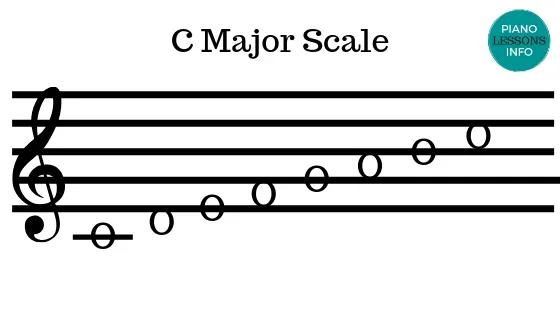
Learning scales is often the first step for instrumentalists. To begin, focus on the C Major scale, as it contains no sharps or flats and uses only the white keys on a piano. This provides a clear, visual representation of the intervals between notes. Consistency is more important than speed when you are just starting out.
Follow these steps to practice your first scale:
- Identify the root note, which is the starting point of the scale.
- Follow the interval pattern: whole step, whole step, half step, whole step, whole step, whole step, half step.
- Use a metronome to ensure your timing remains steady and even.
- Practice ascending and descending until your fingers memorize the physical shape of the notes.
Why do scales sound different?
The unique sound of a scale is determined by the distance, or interval, between its notes. A whole step is equivalent to two semitones, while a half step is equivalent to one. Changing even a single note in a sequence can completely alter the "flavor" of the scale. This is why a natural minor scale sounds fundamentally different from a major scale.
Different cultures and historical periods have developed various scale systems beyond the standard Western major and minor. For instance, the pentatonic scale uses only five notes and is found in folk music globally. Other scales, such as the blues scale or the chromatic scale, introduce specific dissonances or tonal colors that define their respective genres. Understanding these variations allows musicians to experiment with diverse sounds and textures.
- Major scales: Known for a bright, stable, and uplifting quality.
- Minor scales: Often perceived as darker, more melancholic, or serious.
- Pentatonic scales: Highly versatile, commonly used in rock, pop, and traditional music.
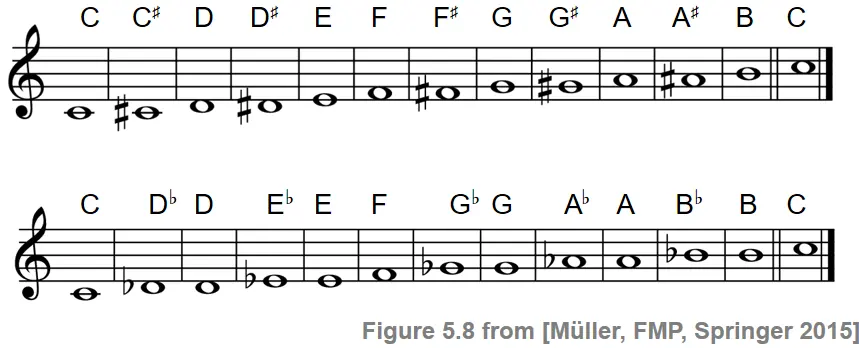
- Chromatic scales: Include all twelve semitones, creating a sense of tension or suspense.
- Modal scales: Ancient structures that provide unique, exotic, or medieval tonal characteristics.
Common mistakes when practicing scales
One of the most frequent errors beginners make is rushing through the notes. When you play too fast, your brain does not fully internalize the interval relationships, leading to sloppy technique and poor intonation. It is far better to play a scale perfectly at a slow tempo than to play it incorrectly at a high speed. Always prioritize clarity and consistent volume across all notes.
Another common mistake is neglecting proper finger technique. Many students try to force their hands into uncomfortable positions, which can lead to fatigue or repetitive strain injuries. Instead, focus on using efficient, fluid movements that allow your hand to transition smoothly between notes. If you find yourself struggling, consult a teacher to check your posture and hand positioning. Using the correct fingering patterns from the start will save you significant frustration as you advance to more complex scales.
How to use scales in music composition
Scales act as a map for songwriters and composers. When you decide on a key for your composition, you are essentially choosing a scale to work within. Most of the melody and chords in your song will be drawn from the notes within that specific scale. This keeps the music sounding cohesive and prevents notes from clashing in an unpleasant way.
You can use scales to build melodies by moving between notes in steps or by skipping notes to create larger intervals. Similarly, chords are constructed by stacking notes from a scale, typically in thirds. By mastering how scales relate to chords, you can create rich, harmonic progressions that support your melody. Experimenting with different scales allows you to break out of creative ruts and discover new melodic possibilities that define your unique musical voice.
Key facts
- A musical scale is a set of musical notes ordered by fundamental frequency or pitch.
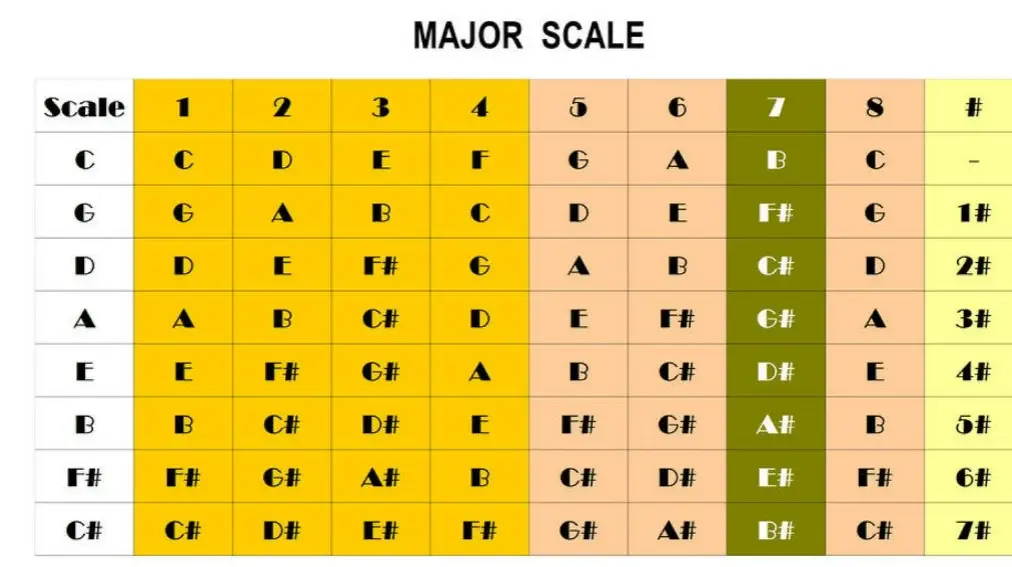
- The most common scale in Western music is the major scale, which follows a specific pattern of whole steps and half steps.
- A whole step is equal to two semitones, while a half step is the smallest interval between two adjacent notes on a piano.
- Scales act as the "alphabet" for music, providing the specific collection of notes used to build melodies and harmonies in a composition.
- The C major scale is the simplest to visualize because it consists entirely of the white keys on a piano.
- Practicing scales helps musicians improve finger dexterity, ear training, and an understanding of key signatures.
The bottom line
A musical scale is an ordered sequence of notes that serves as the foundation for melody and harmony. By mastering these patterns, musicians gain the necessary tools to navigate different keys and express diverse emotions through sound. Whether you are exploring simple major scales or complex exotic modes, understanding these building blocks is essential for anyone looking to develop their technical proficiency and creative musical intuition.
People also ask
How many different types of scales exist?
There are hundreds of scales used across global musical traditions, ranging from the seven-note heptatonic scales common in Western music to five-note pentatonic scales found in folk music. Each culture develops its own unique tonal systems based on specific intervals and cultural preferences.
What is the difference between a scale and a key?
A scale is a collection of notes arranged in order, whereas a key is the tonal center or "home base" around which a piece of music is built. While a piece might be in the key of G major, it will utilize notes from the G major scale to establish that tonal gravity.
Can I create my own scale?
Yes, any sequence of pitches can technically function as a scale, and many modern composers invent artificial scales to achieve unique sounds. By selecting a specific pattern of intervals, you can define a new harmonic language that does not conform to traditional major or minor structures.
Why do some scales sound sad and others sound happy?
The emotional quality of a scale is determined by the arrangement of its intervals, particularly the third note of the scale. Major scales feature a major third, which is often perceived as bright or happy, while minor scales feature a flattened third, which is typically perceived as somber or melancholic.
What is a chromatic scale?
A chromatic scale includes all twelve semitones within an octave, meaning it uses every single note available in the Western tuning system. Unlike major or minor scales, it does not have a tonal center and sounds dissonant because it lacks the traditional spacing of whole and half steps.
How should a beginner start practicing scales?
Begin by learning the C major scale on one instrument to understand the basic pattern of whole and half steps. Use a metronome to ensure even timing and focus on playing with consistent volume and articulation before attempting faster tempos or more complex keys.
This answer was created with the help of AI research tools and reference sources. Spotted an error? Let us know — we correct mistakes quickly. See our editorial policy.