What is a rigger brush used for?
Short answer
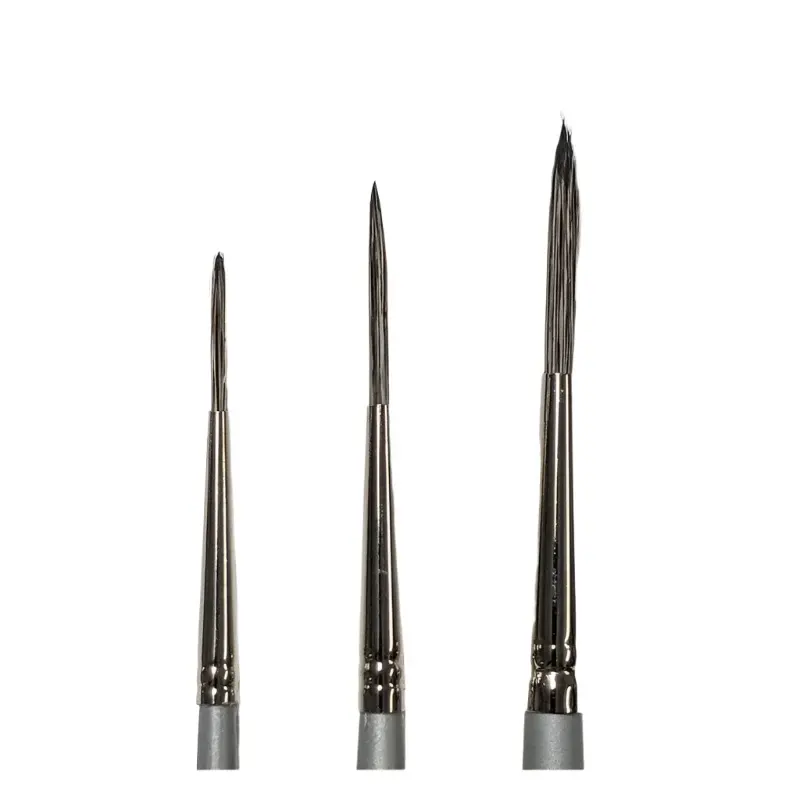
A rigger brush is a long, thin artist’s brush designed for painting fine, continuous lines. Originally used by maritime artists to paint the intricate rigging of sailing ships, it features long, flexible bristles that hold significant amounts of paint, allowing for long, uninterrupted strokes without the need to frequently reload the brush.
On this page
What is a rigger brush used for?
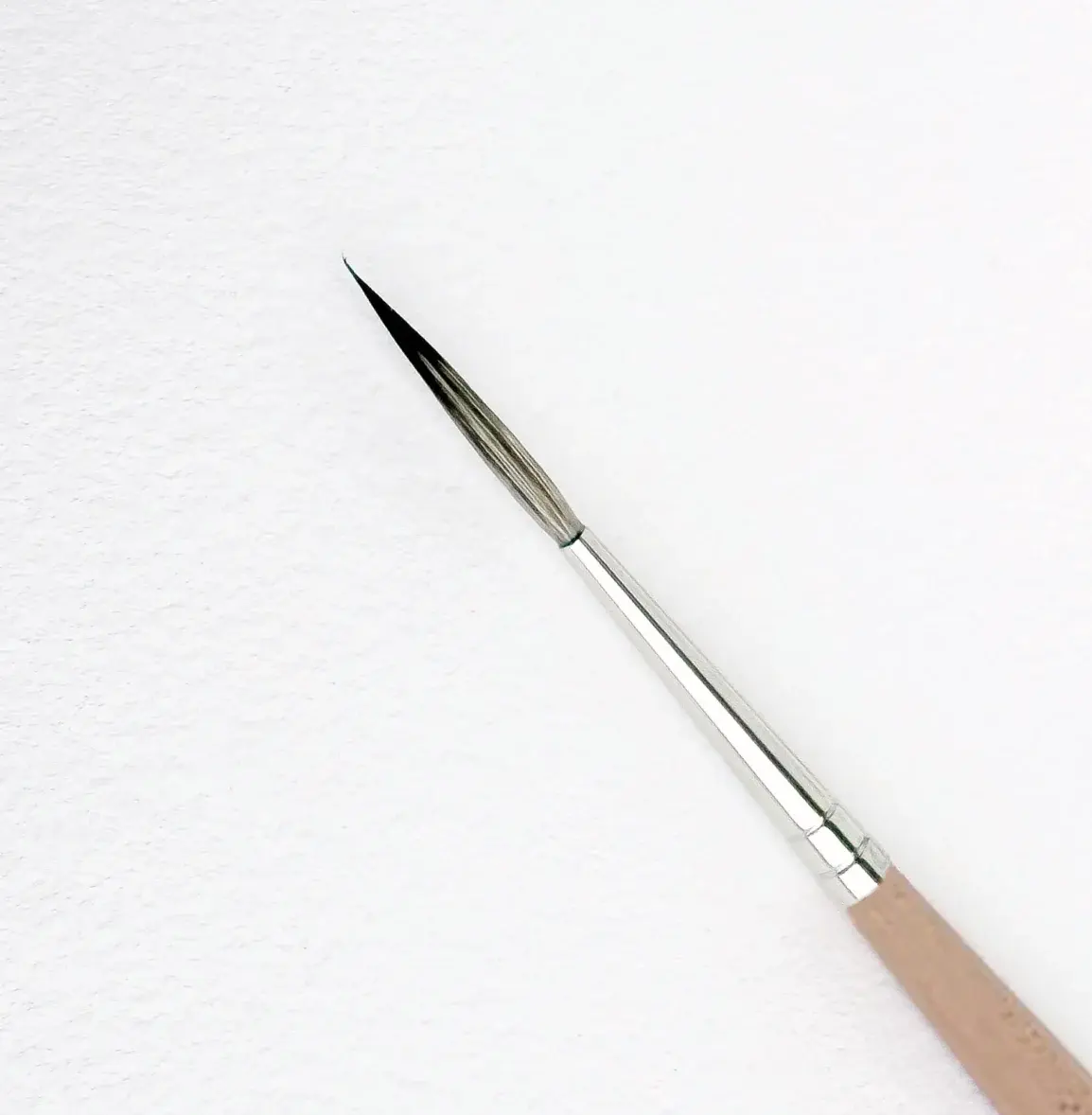
The rigger brush, often referred to as a "liner" or "script" brush, is defined by its exceptionally long, tapered hair compared to its narrow diameter. These brushes are typically made from sable or synthetic fibers that provide a balance of spring and softness. Because the bristles are so long, they can carry a substantial reservoir of fluid paint, such as watercolor or thinned acrylics. This design allows an artist to execute long, fluid lines that maintain a consistent width from start to finish.
Beyond its historical application in painting ship rigging, the rigger is an essential tool for any artist working with fine details. It is frequently employed for painting blades of grass, tree branches, telephone wires, or delicate hair strands. Because the brush responds to the slightest pressure, it is highly versatile for calligraphic work or adding signatures to a finished canvas. It is a staple in both professional studios and hobbyist kits for its unique ability to bridge the gap between broad washes and precise point-work.
How to use a rigger brush effectively
To get the most out of a rigger brush, you must understand how to load and manipulate the bristles. Unlike a standard round brush, the rigger relies on the length of the hair to control the flow of paint. If you overload the brush, the excess weight will cause the paint to drip or create an uneven line. Conversely, if the brush is too dry, the bristles will drag and skip across the surface, resulting in a broken or jagged stroke.
Follow these steps to ensure a smooth application:
- Thin your paint to an "ink-like" consistency using water or an appropriate medium.
- Dip the brush into the paint, ensuring the entire length of the bristles is coated.
- Gently tap the brush against the side of the container to remove excess moisture.
- Hold the brush perpendicular to the surface to maintain the thinnest possible line.
- Apply consistent, light pressure as you pull the brush across the surface in a single, fluid motion.
Best techniques for painting long lines
Achieving a perfectly straight, long line requires more than just the right tool; it requires proper hand positioning and movement. Many beginners make the mistake of using only their fingers to move the brush, which often leads to shaky or inconsistent lines. Instead, use your entire arm and shoulder to guide the movement, keeping your wrist locked to provide stability. This technique mimics the motion used in professional drafting and ensures that the brush follows a steady, predictable path.
When working with a rigger, consider these factors to improve your precision:
- Keep your hand off the surface to avoid smudging, using a mahl stick if necessary for support.
- Vary the pressure slightly to create tapered ends on lines, which adds a natural, organic look to your work.
- Practice on scrap paper before moving to your final piece to calibrate your speed and paint flow.
- Clean the brush immediately after use, as dried paint can permanently deform the long, delicate bristles.
Common mistakes when using a rigger brush
One of the most frequent errors artists make is using a rigger brush for broad, filling tasks. Because the bristles are so long and thin, they are not designed to hold a large volume of heavy-bodied paint or to cover large areas. Attempting to use a rigger for filling in shapes will likely result in a messy application and can cause the bristles to splay or lose their shape over time. Always select a larger round or flat brush for blocking in colors and save the rigger for the final detailing phase.
Another common issue is improper cleaning and storage. Because the bristles are long, they are prone to bending if left resting in a jar of water or stored in a way that puts pressure on the tips. Always wash the brush with mild soap and lukewarm water, reshape the bristles with your fingers, and store it lying flat or hanging vertically with the bristles pointing down. If the bristles become bent, you may be able to reshape them by dipping them in near-boiling water and smoothing them into a point, but prevention is always the best strategy.
How to choose the right rigger size
Selecting the correct size depends on the scale of your artwork and the viscosity of your paint. Riggers are typically numbered from 000 to 6, with higher numbers indicating a thicker bundle of hair. For extremely fine, hair-like details, a size 000 or 0 is usually sufficient. If you are working on a large canvas and need to paint long, sweeping lines that require a bit more body and paint-carrying capacity, a size 4 or 6 may be more appropriate.
When shopping for a rigger, check the quality of the "spring." A good brush should return to its original shape immediately after being bent. If the bristles stay bent or feel limp, the brush will not provide the control necessary for fine line work. Synthetic blends are often more durable for acrylics, while natural sable is generally preferred by watercolorists for its superior ability to hold water and release it consistently. Investing in a high-quality brush will significantly improve your ability to create crisp, professional-looking lines in your artistic projects.
Key facts
- A rigger brush features long, thin, flexible bristles designed to hold a large volume of paint.
- Originally named for painting the complex rigging lines on maritime ship models, these brushes excel at creating long, continuous strokes.
- Use a rigger to create fine, tapering lines, such as blades of grass, tree branches, or animal whiskers.
- Maintain the shape of the brush by cleaning it immediately after use and storing it flat or hanging bristles-down.
- Avoid pressing too hard against the surface, as the long bristles will splay and lose their precise point.
- Load the brush by pulling it through the paint, ensuring the bristles are fully saturated rather than just dipped.
The bottom line
The rigger brush is an essential tool for artists who require precision in long, flowing lines. By mastering the balance of paint consistency and light pressure, you can achieve intricate details like hair, veins, or architectural rigging. Always clean your brush thoroughly after each session to preserve the delicate, elongated bristles, ensuring that this versatile instrument remains a reliable part of your creative toolkit for years.
People also ask
Can a rigger brush be used for lettering?
Yes, rigger brushes are excellent for calligraphy and sign painting because they allow for smooth, fluid strokes. Their length helps maintain a consistent flow of ink or paint, making them ideal for elegant script.
What is the difference between a rigger and a liner brush?
While the terms are often used interchangeably, a rigger typically has slightly longer bristles than a standard liner. Both are designed for detail work, but the rigger offers more spring and fluid capacity.
Do rigger brushes work with acrylic paint?
They work very well with acrylics, provided the paint is thinned to a fluid consistency. If the paint is too thick, it will clog the long bristles and prevent a smooth application.
How do I fix bristles that have become bent?
You can often reshape bent bristles by dipping the brush in hot—but not boiling—water for a few seconds. Gently smooth the bristles back into their original shape and let them dry completely in a vertical position.
Are rigger brushes only for oil painting?
They are used across all major mediums, including watercolor, acrylic, and oil. Watercolorists particularly favor them for their ability to hold enough pigment to paint an entire line without stopping to reload.
Should I buy synthetic or natural hair rigger brushes?
Synthetic brushes are generally more durable and hold their shape better, especially when used with abrasive acrylics. Natural hair brushes, such as sable, offer superior paint flow and softness for delicate watercolor techniques.
This answer was created with the help of AI research tools and reference sources. Spotted an error? Let us know — we correct mistakes quickly. See our editorial policy.