What is a liner brush used for?
Short answer
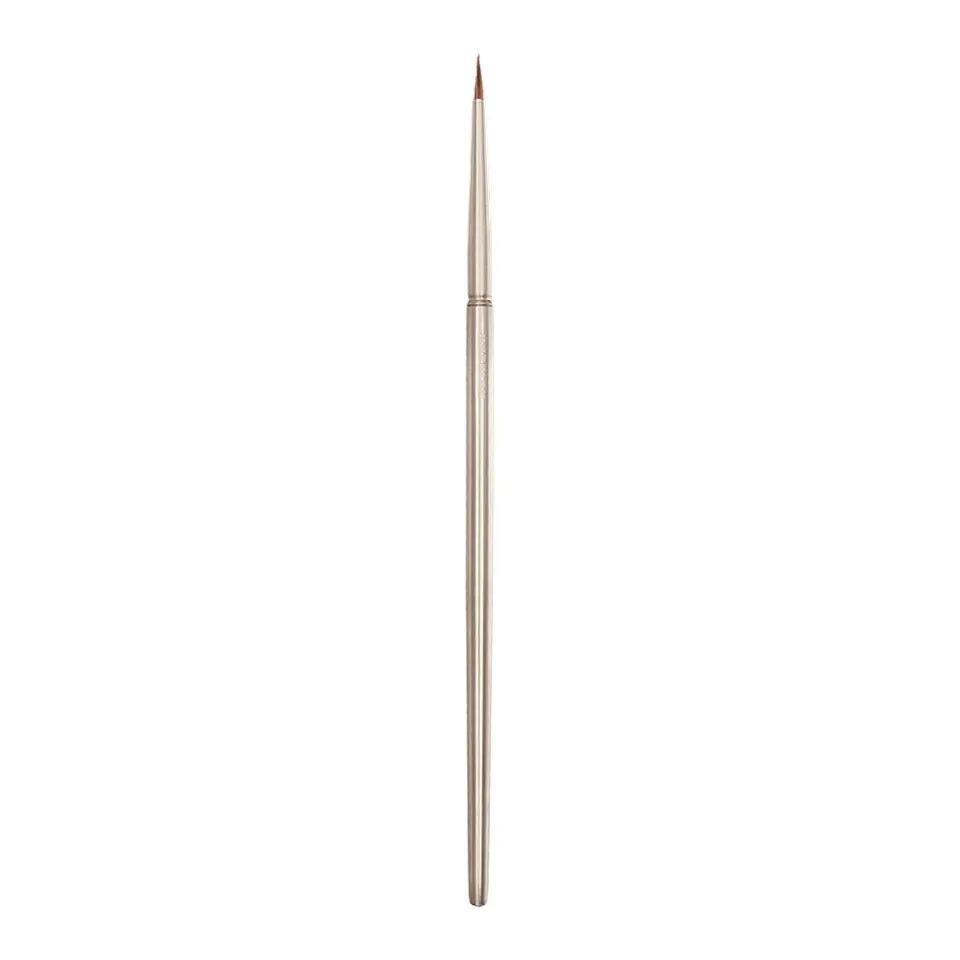
A liner brush is a specialized artist’s tool characterized by long, thin bristles designed for creating precise, continuous lines and intricate details. It is essential for painting fine lettering, delicate highlights, and flowing organic shapes like hair or grass. Its unique shape allows it to hold a significant amount of fluid paint.
On this page
What is a liner brush used for?
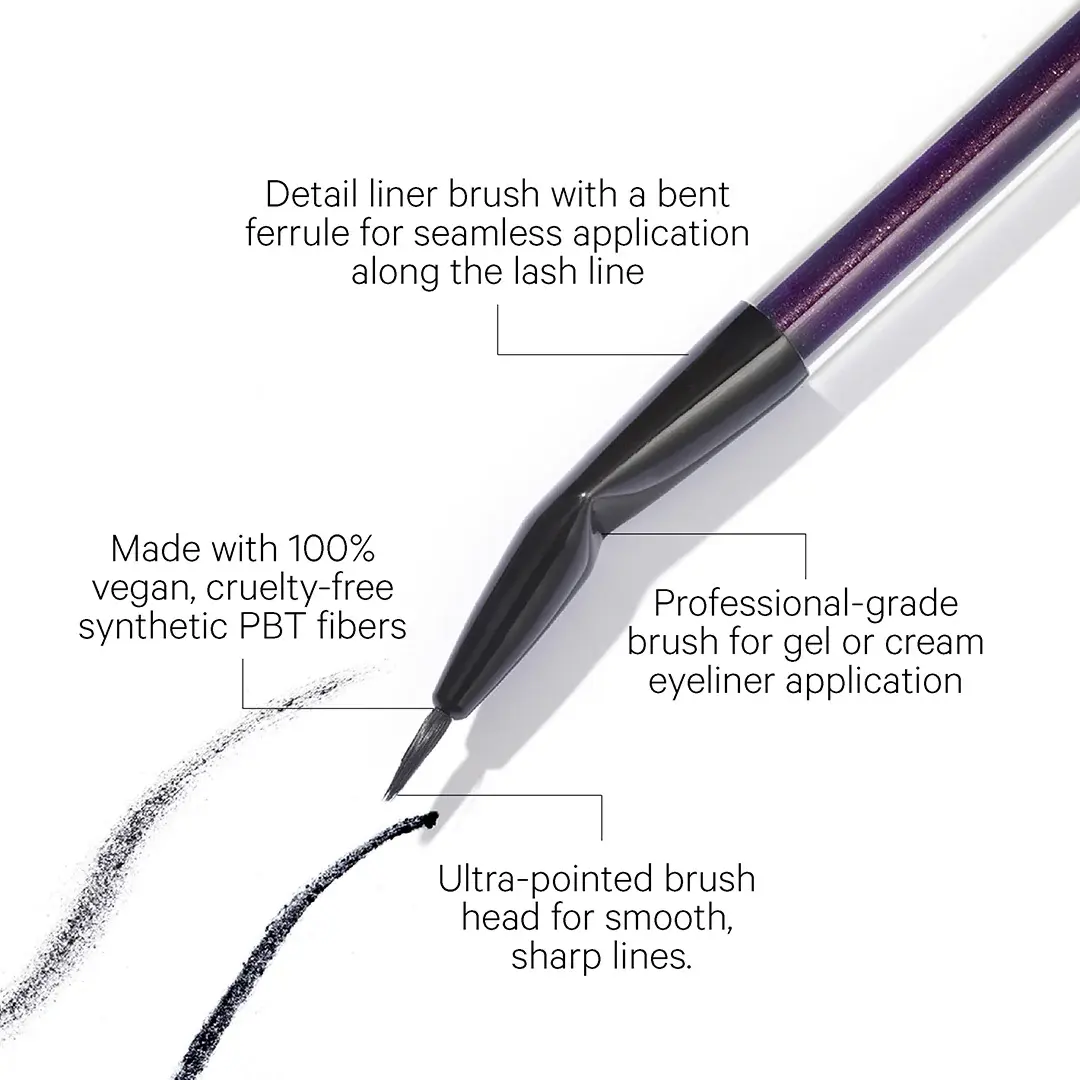
A liner brush, often referred to as a "rigger" or "script" brush, features a ferrule that holds a long bundle of hair, typically synthetic or sable. The length of the bristles allows the brush to carry a large volume of paint while maintaining a needle-sharp point. Because the bristles are flexible and long, they respond to the slightest movement of the artist's hand, making them ideal for calligraphy, outlining, and adding fine detail to a composition.
Artists rely on these brushes when they need to achieve a consistent line width over a long distance without frequently reloading the brush. Unlike round or flat brushes that lose their shape under pressure, the liner brush is engineered to maintain its thin profile even when the bristles are fully saturated. This makes it a staple for watercolorists, oil painters, and acrylic artists who prioritize precision and fluid, expressive mark-making in their final layers.
How to use a liner brush properly
Using a liner brush requires a different technique than standard painting because the long bristles are prone to bending if too much pressure is applied. To achieve the best results, you should hold the brush perpendicular to the surface and allow only the very tip of the hair to touch the canvas or paper. This light touch ensures that the line remains thin and uniform throughout the entire stroke.
When loading the brush, dip it into your paint and pull it toward you against the side of the container to remove excess moisture. This action also helps to shape the bristles into a sharp, unified point. If the paint is too thick, it will not flow smoothly from the long bristles, causing the line to break or skip. Follow these steps to ensure a clean application:
- Thin your paint to an "ink-like" consistency using water, medium, or solvent.
- Dip the brush into the paint until the bristles are fully saturated.
- Roll the tip of the brush against your palette to create a sharp point.
- Apply the brush to the surface with minimal pressure, using your wrist or arm to guide the movement.
Best liner brush sizes for beginners
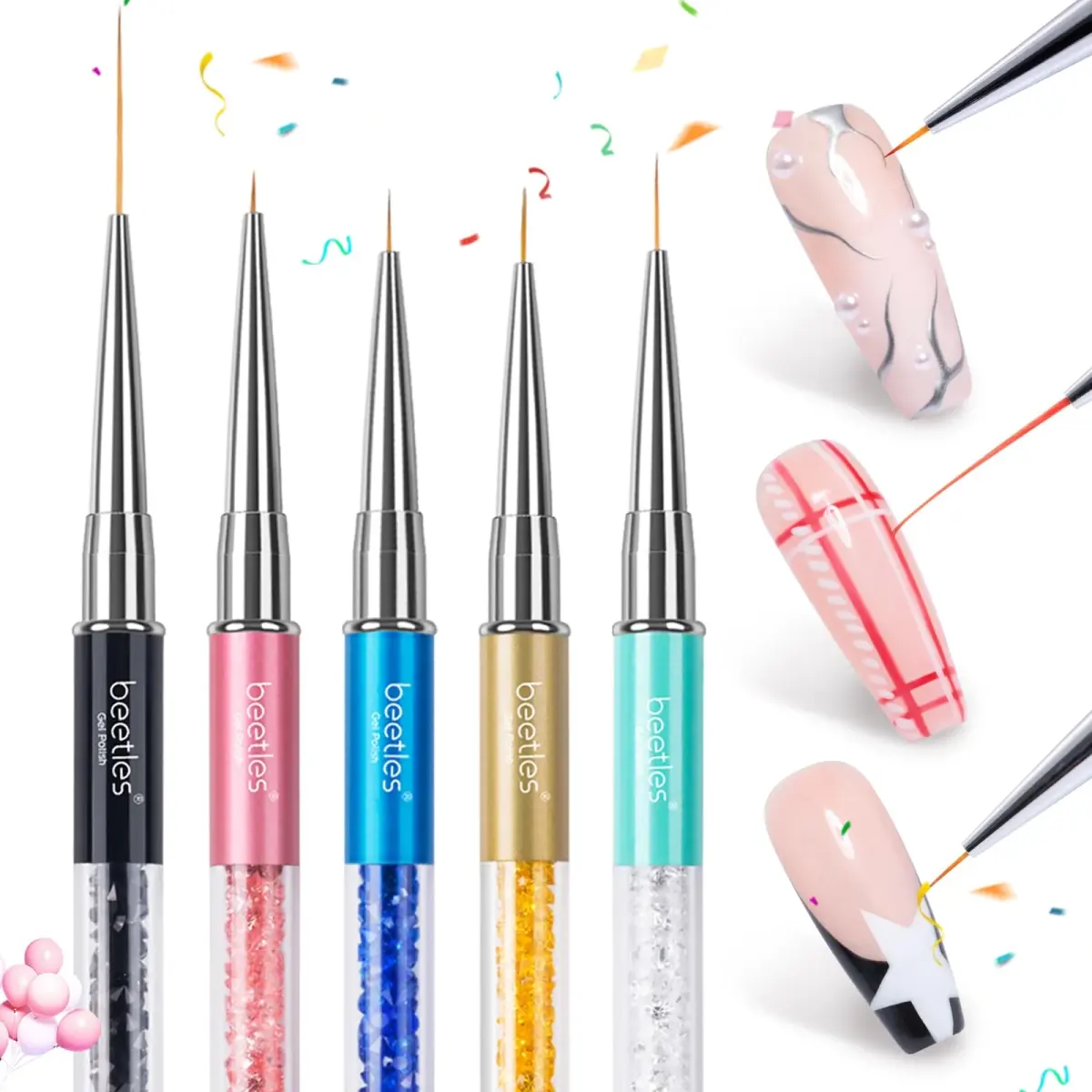
Choosing the right size depends on the scale of your artwork and the medium you are using. Liner brushes are typically numbered from 000 up to 4 or 6, with higher numbers indicating thicker bundles of hair. For most beginners, a size 1 or 2 is the most versatile starting point because it provides enough stability for control while still being thin enough for fine detail work.
If you are working on miniature models or very small canvases, a 000 or 0 size is necessary to navigate tight spaces. Conversely, if you are painting large-scale murals or long, sweeping lines on a canvas, a larger size 4 or 6 will hold more paint and allow for longer, uninterrupted strokes. When selecting your first brush, look for these features:
- High-quality synthetic fibers that offer a balance of snap and flexibility.
- A secure ferrule that prevents bristles from shedding during use.
- A balanced handle that feels comfortable in your grip for long sessions.
Common mistakes when using liner brushes
One of the most frequent errors is applying too much pressure, which causes the bristles to splay outward and results in a thick, uneven line. Beginners often try to "push" the paint onto the surface, but a liner brush is designed to "drag" the paint behind the tip. If you find your lines are shaky, it is usually because you are holding the brush too tightly or moving too slowly.
Another common mistake is failing to clean the brush thoroughly after each session. Because the bristles are long and thin, paint can easily dry deep within the ferrule, causing the hair to lose its shape and become stiff. Once the bristles lose their natural point, the brush becomes ineffective for fine detail. Always rinse your brush in the appropriate solvent or water, reshape the bristles with your fingers, and store it lying flat or hanging with the bristles pointing downward.
Why liner brushes lose their shape
The longevity of a liner brush is directly tied to how it is handled and stored. Over time, the bristles may begin to curve or fray, which is usually a sign of improper cleaning or storing the brush upright in a jar while the bristles are still wet. When a brush is stored upright, gravity pulls the moisture and remaining pigment into the ferrule, which weakens the glue and causes the bristles to lose their structural integrity.
To keep your liner brush in peak condition, always reshape the tip after cleaning and let it air dry completely before placing it in a storage case. Avoid using the brush to scrub or mix thick paint, as this puts unnecessary strain on the delicate hair. By treating the tool with care and ensuring the paint is properly thinned, you can maintain that essential needle-sharp point for years of detailed artistic work.
Key facts
- A liner brush, also known as a rigger or script brush, features long, thin bristles designed to hold a significant amount of paint.
- The extended bristle length allows for continuous, fluid lines without the need to frequently reload the brush with pigment.
- These brushes are essential for painting fine details, such as tree branches, whiskers, signature lines, or intricate scrollwork.
- Use a light touch to maintain line consistency; pressing too hard will cause the bristles to splay and thicken the stroke.
- Always clean the brush immediately after use by gently reshaping the bristles with your fingers to prevent them from drying in a bent position.
- For the best results, use a fluid paint consistency, such as ink or thinned acrylics, to ensure the paint flows smoothly off the long hairs.
The bottom line
The liner brush is an indispensable tool for artists requiring precision and fluid motion. By utilizing its long, flexible bristles, you can execute delicate details and long, continuous lines that other brushes cannot achieve. Mastery requires thinning your paint properly, using a light touch, and maintaining the bristles with care. When used correctly, this specialized brush elevates your work, adding professional-grade finesse to your final compositions.
People also ask
What is the difference between a liner brush and a round brush?
A round brush has shorter, more densely packed bristles meant for filling in areas and creating varied marks. A liner brush has much longer, thinner bristles specifically engineered for long, unbroken lines and delicate detailing.
Can I use a liner brush with heavy-bodied acrylics?
You can, but you must thin the paint with water or a pouring medium to a consistency similar to heavy cream. If the paint is too thick, it will not flow from the long bristles, resulting in skipping or uneven lines.
Why do my liner brush bristles keep splitting?
Splitting often occurs if you overload the brush with paint or if the bristles are damaged by improper cleaning. Always pull the paint through the bristles toward the tip rather than scrubbing the brush against the surface.
How do I store my liner brushes to keep them in good shape?
Store them flat or hanging vertically with the bristles pointing down to prevent the weight of the handle from bending the hairs. Never leave a brush resting in a jar of water, as this will permanently curl the delicate tips.
Are liner brushes only for watercolor painting?
While popular in watercolor, they are widely used in oil, acrylic, and sign painting. The specific application depends on the bristle material, such as synthetic fibers for acrylics or natural sable for oils and watercolors.
How do I achieve a perfectly sharp point with a liner brush?
Dip the brush into the paint and pull it across your palette in a circular motion to coat the bristles evenly. This action draws the hairs together into a single, needle-like point that allows for maximum precision.
This answer was created with the help of AI research tools and reference sources. Spotted an error? Let us know — we correct mistakes quickly. See our editorial policy.