General Knowledge
What are the benefits of listening to music?
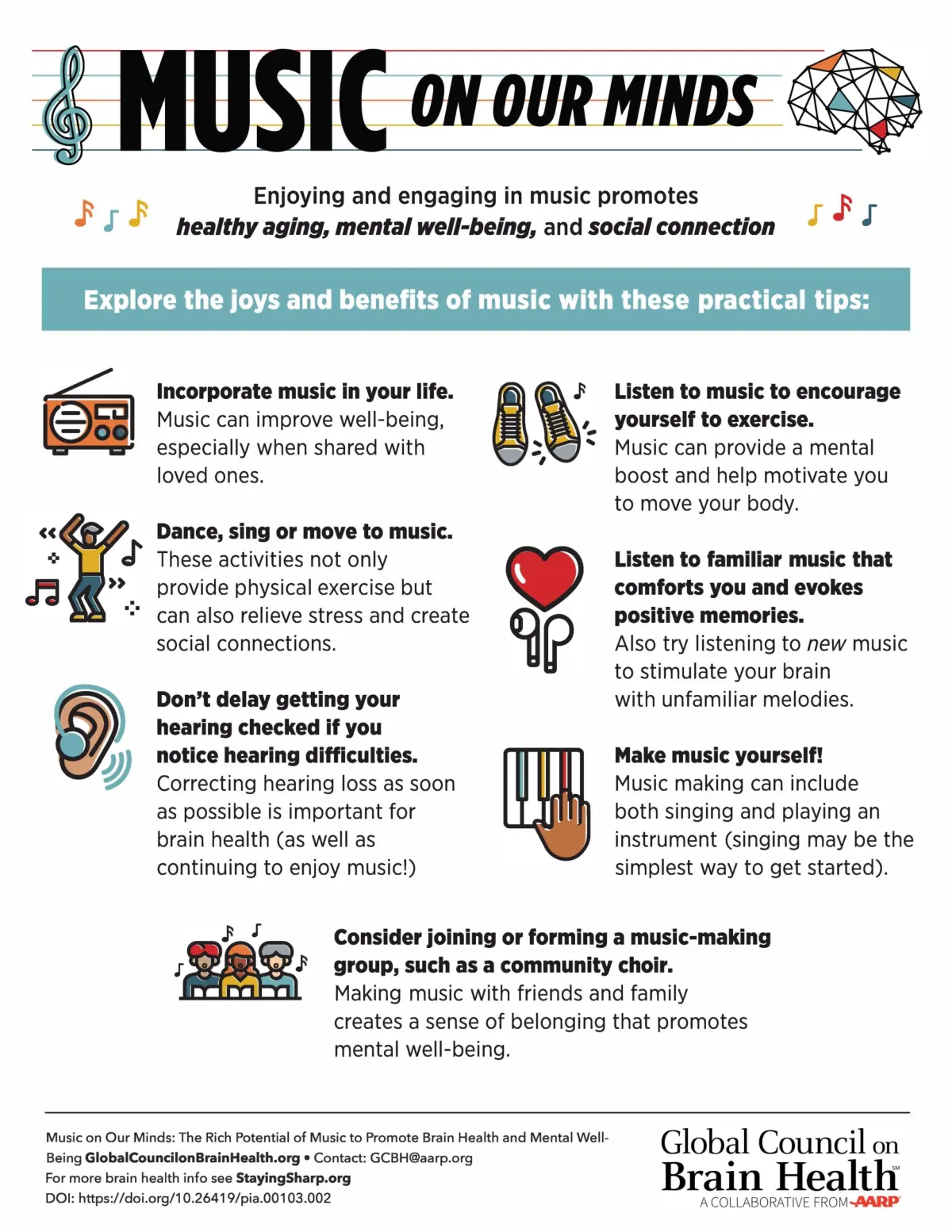
Listening to music offers significant benefits for mental and physical well-being, including reduced stress, improved cognitive…
Questions and answers about music.
Listening to music offers significant benefits for mental and physical well-being, including reduced stress, improved cognitive…
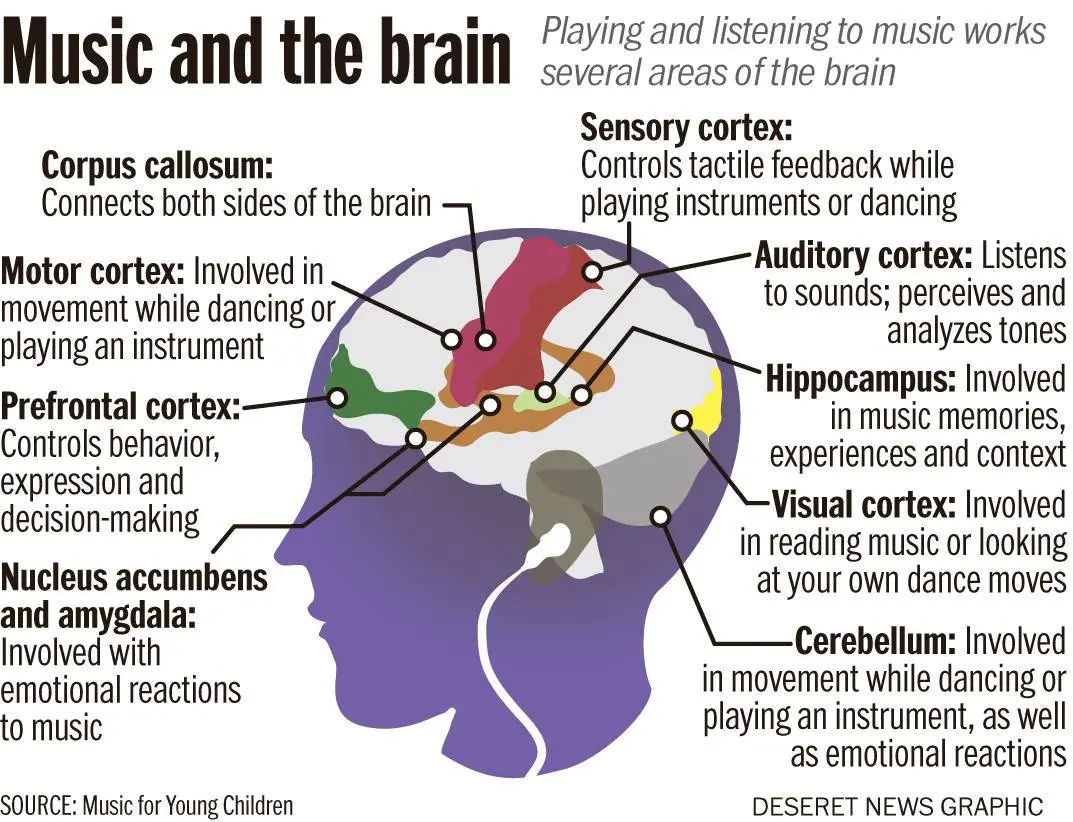
Playing music enhances cognitive function, improves memory, and strengthens emotional regulation. It engages nearly every area…
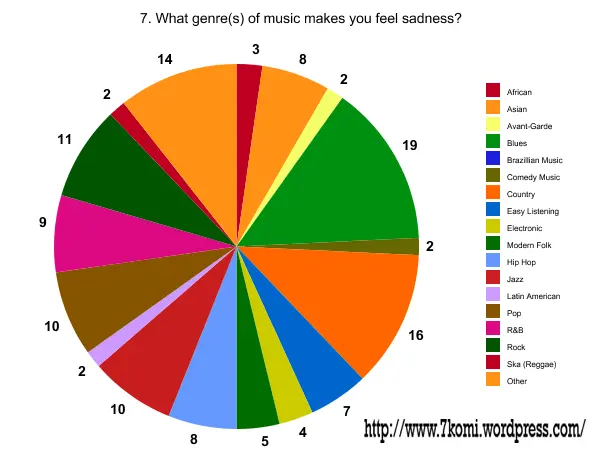
Music triggers emotions by activating the brain's reward system, releasing dopamine, and mirroring human vocal expressions of…

Music-induced chills, known as frisson, occur when the brain’s reward system releases dopamine in response to unexpected musical…

A key is a group of pitches, or a scale, that forms the foundation of a piece of music. It establishes a "home" note, known as…

A chord is a harmonic set of three or more musical notes played simultaneously. These notes are typically organized in specific…

Music notes are the fundamental building blocks of musical language, representing the pitch and duration of a sound. In Western…

Music theory is the study of the practices and possibilities of music. It provides a framework for analyzing how sounds are…

Rhythm is the placement of sounds in time, forming the fundamental pulse and pattern of music. It consists of beats, durations…

Harmony is the simultaneous sounding of two or more musical notes to create chords. While melody provides the horizontal…

Blues is a foundational genre of American music that emerged in the Deep South during the late 19th century. Characterized by…

Tempo is the speed or pace of a given musical composition. It is typically measured in beats per minute (BPM), dictating how…

A musical scale is a set of musical notes ordered by pitch, either ascending or descending. These notes serve as the…
Classical music is a broad term for Western art music spanning from the Middle Ages to the present day. It is characterized by…