What are the benefits of listening to music?
Short answer
Listening to music offers significant benefits for mental and physical well-being, including reduced stress, improved cognitive performance, and enhanced emotional regulation. By triggering the release of dopamine and lowering cortisol levels, music acts as a powerful tool for mood management, pain relief, and increasing focus during complex or repetitive daily tasks.
On this page
How music affects the brain and mood
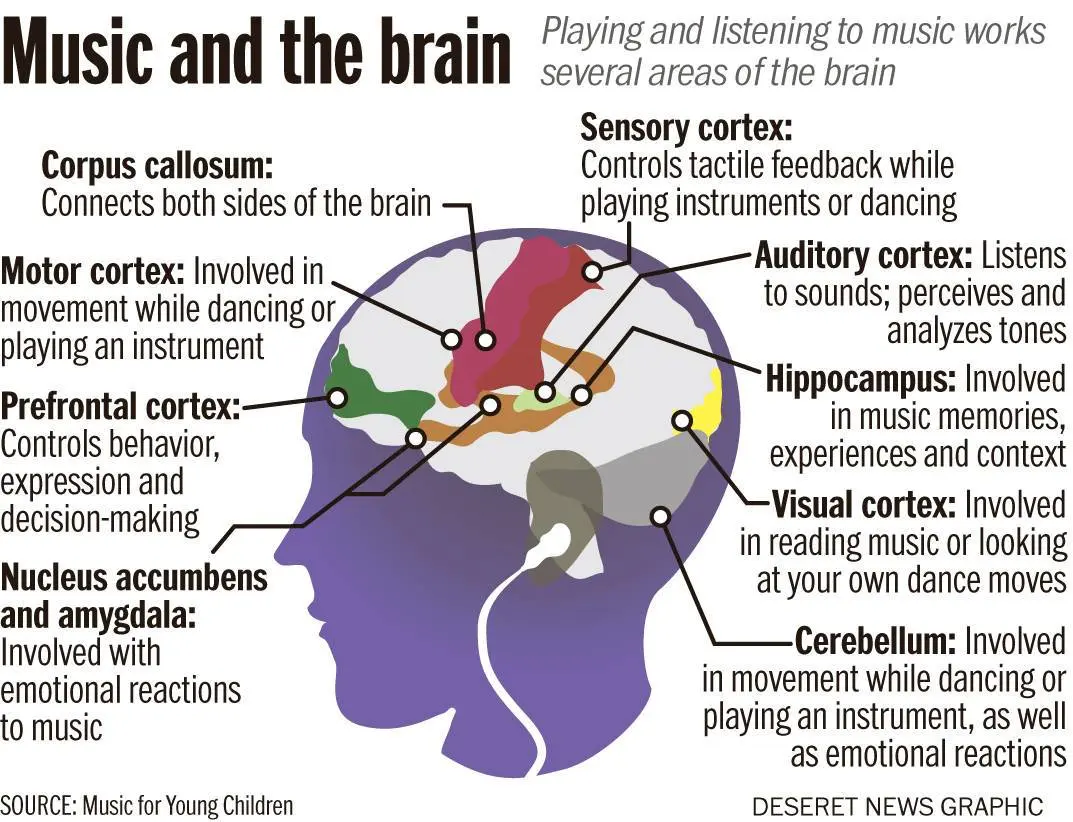
When you listen to music, your brain engages in a complex workout that spans multiple regions, including the auditory cortex, the hippocampus, and the amygdala. This neural activity triggers the release of dopamine, a neurotransmitter associated with pleasure and reward, which explains why a favorite song can instantly elevate your spirits. Research published in journals like Nature Neuroscience has shown that music can stimulate the same reward circuits as food or other pleasurable experiences.
Beyond immediate pleasure, music serves as a powerful regulator for emotional states. It can help process complex feelings, provide comfort during grief, or energize the body before physical exertion. By influencing the autonomic nervous system, music can lower heart rates and blood pressure, effectively counteracting the physiological symptoms of anxiety. This biological response is why music is increasingly used in clinical settings to support patients undergoing surgery or dealing with chronic mental health challenges.
Why music helps with focus and productivity
Many people find that background music improves their ability to concentrate on tasks, a phenomenon often linked to the "Mozart Effect." While the original 1993 study suggested a temporary boost in spatial-temporal reasoning, contemporary research clarifies that music primarily aids productivity by masking distracting noises and creating a consistent, predictable environment. For many, this prevents the brain from constantly scanning for environmental threats or interruptions, allowing for deeper immersion in work.
To optimize your environment for focus, consider these strategies:
- Choose instrumental tracks or ambient soundscapes to avoid the distraction of lyrics.
- Maintain a moderate volume level to minimize auditory fatigue.
- Use playlists that match the tempo of your task, such as faster beats for manual labor and slower, steady rhythms for analytical writing.
- Experiment with "binaural beats" or white noise if traditional music feels too stimulating for your specific workflow.
Best ways to use music for stress relief
Music acts as a non-invasive, accessible intervention for managing daily stress. Studies have demonstrated that listening to music with a tempo of approximately 60 beats per minute can encourage the brain to synchronize with the beat, causing alpha brainwaves to emerge. This state is associated with relaxed alertness, making it easier to transition from a high-stress workday to a calm evening.
If you want to use music as a deliberate stress-reduction tool, follow these steps:
- Identify a "calm" playlist that features songs you find soothing, regardless of genre.
- Find a comfortable, quiet space where you can sit or lie down without interruption.
- Close your eyes and focus entirely on the instrumentation, noting individual sounds as they appear.
- Practice deep, rhythmic breathing in sync with the tempo of the music for at least 10 to 15 minutes.
- Avoid checking your phone or engaging with digital notifications until the session concludes.

Common mistakes when using music for health
A frequent error is using music as a crutch to avoid addressing underlying emotional issues or environmental stressors. While music is an excellent coping mechanism, it should not replace professional medical or psychological care when needed. Another common mistake is listening at excessively high volumes, especially through headphones, which can lead to permanent hearing damage over time. Protecting your long-term auditory health is essential to ensuring you can continue enjoying music throughout your life.
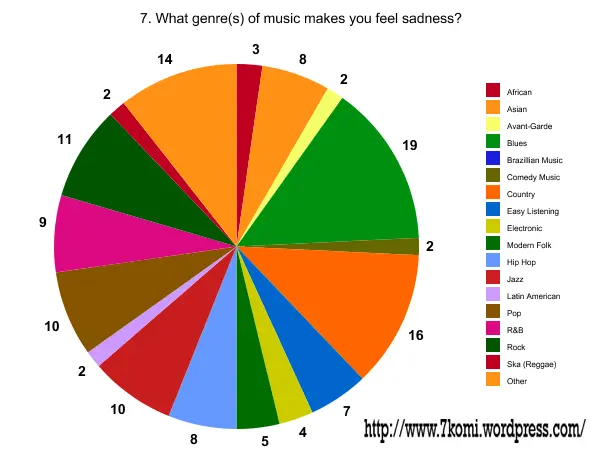
Additionally, many listeners make the mistake of choosing music that reinforces a negative mood. While "sad" music can be cathartic, looping songs that trigger rumination or distress can sometimes exacerbate feelings of depression. It is important to be mindful of your emotional reaction to specific tracks. If you notice that your mood consistently worsens after listening to a particular artist or album, it is wise to curate your library to include more neutral or uplifting options.
How to incorporate music into a daily routine
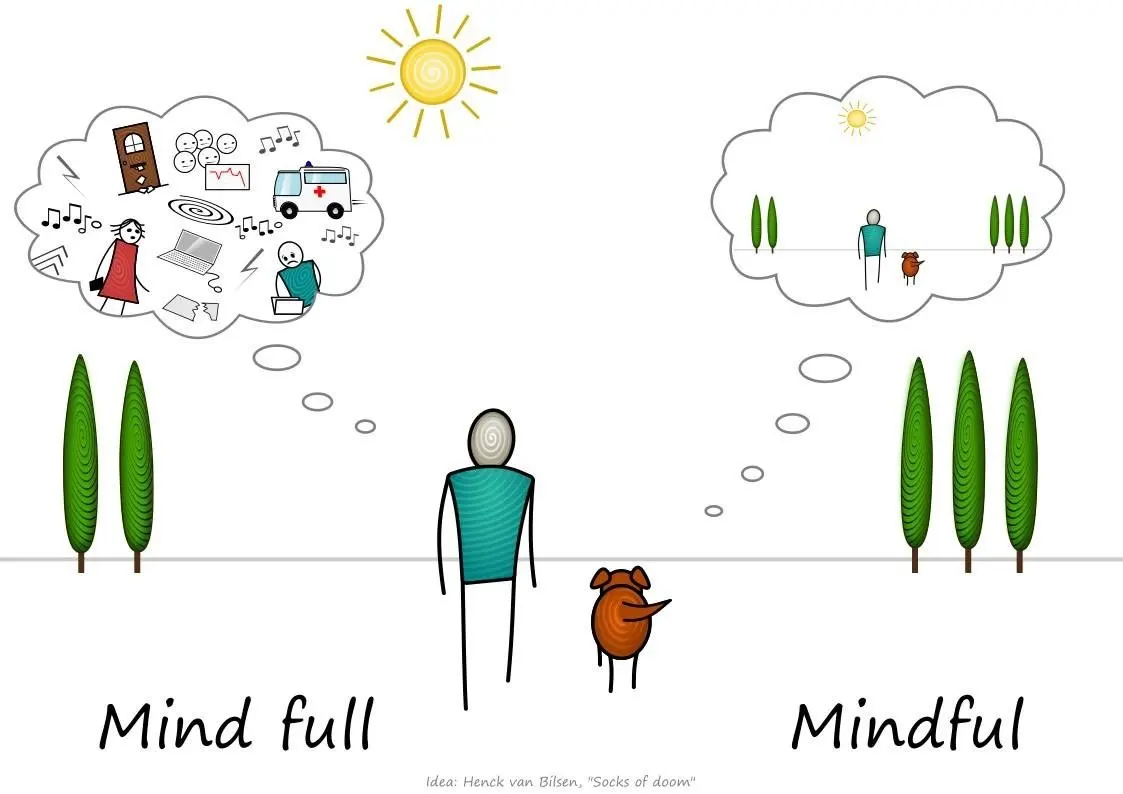
Integrating music into your life does not require significant time or expensive equipment. Small, intentional habits can yield cumulative benefits for your mental health and cognitive function. Whether you are commuting, exercising, or preparing meals, music can transform mundane activities into more engaging experiences. The key is to be an active listener rather than letting music simply become background noise that you ignore.
Consider these simple methods to build a consistent musical habit:
- Start your morning with an upbeat playlist to boost your energy levels before heading to work.
- Use a specific "transition" song to signal the end of your workday and the beginning of your personal time.
- Explore new genres or cultures to keep your brain stimulated and prevent "musical stagnation."
- Attend live performances when possible, as the social connection and physical presence of musicians provide unique sensory benefits that recorded audio cannot replicate.
- Create collaborative playlists with friends or family members to foster social bonding and shared emotional experiences.
Key facts
- Listening to music can reduce cortisol levels, the body's primary stress hormone, by up to 25 percent in some clinical settings.
- Rhythmic auditory stimulation helps patients with Parkinson’s disease improve their gait speed and stride length by providing a temporal cue for movement.
- Music with a tempo of 60 beats per minute can induce alpha brain waves, which are associated with a relaxed and alert state of mind.
- Incorporating music into exercise routines has been shown to increase physical endurance by up to 15 percent by distracting the brain from feelings of fatigue.
- To improve focus during work, choose instrumental tracks without lyrics, as the brain often struggles to process language while simultaneously performing cognitive tasks.
- Avoid listening to music at volumes exceeding 85 decibels for prolonged periods to prevent permanent noise-induced hearing loss.
The bottom line
Music serves as a powerful tool for enhancing both mental and physical well-being. By regulating stress hormones, improving cognitive focus, and boosting athletic performance, it functions as a versatile aid for daily life. To maximize these benefits, prioritize instrumental tracks for productivity and maintain safe volume levels. Ultimately, integrating music mindfully allows you to leverage its unique ability to modulate mood and improve overall health.
People also ask
Does listening to music while studying actually help?
It depends on the complexity of the task and the type of music. While background music can improve mood and motivation, lyrics can interfere with reading comprehension and memory retention.
Can music help people fall asleep faster?
Yes, listening to slow, calming music before bed can lower heart rate and blood pressure. Research suggests that 45 minutes of soothing music before sleep improves overall sleep quality.
Is there a specific genre that is best for the brain?
No single genre is superior, but classical music and ambient soundscapes are frequently studied for their ability to promote relaxation. Personal preference is the most significant factor in how the brain responds to sound.
How does music affect athletic performance?
Music acts as a dissociative tool, shifting focus away from physical discomfort during strenuous activity. It also helps athletes maintain a consistent pace by syncing their movements to the beat.
Can music therapy replace traditional medical treatment?
Music therapy is a complementary practice used alongside medical treatments, not a replacement. It is highly effective for managing symptoms like anxiety and pain but cannot treat underlying physical diseases on its own.
Why does music evoke such strong emotional memories?
Music activates the hippocampus and the prefrontal cortex, areas of the brain linked to memory and emotion. This is why a specific song can instantly trigger a vivid recollection of a past event.
This answer was created with the help of AI research tools and reference sources. Spotted an error? Let us know — we correct mistakes quickly. See our editorial policy.