How is cement made?
Short answer
Cement is produced by heating a mixture of limestone and clay in a massive rotary kiln at temperatures reaching 1,450°C (2,640°F). This process creates clinker, which is then cooled and finely ground with gypsum. The resulting grey powder acts as the essential binding agent that hardens when mixed with water and aggregates.
On this page
How is cement manufactured in a factory?
The manufacturing of cement is a precise chemical process that transforms raw minerals into a reactive hydraulic binder. The primary raw materials are calcium carbonate (limestone) and silica, alumina, and iron oxide (found in clay, shale, or sand). These materials are crushed into a fine powder, known as raw meal, and fed into a long, cylindrical rotary kiln. The kiln rotates slowly and is tilted at a slight angle, allowing the material to move gradually toward a flame at the lower end.
As the raw meal travels through the kiln, it undergoes calcination, where carbon dioxide is driven off the limestone. Upon reaching the sintering zone, the material reaches temperatures of approximately 1,450°C. At this stage, the minerals fuse together to form small, dark, marble-sized nodules called clinker. This clinker is the intermediate product that possesses the chemical potential to harden when eventually hydrated. The process requires precise temperature control to ensure the correct chemical phases, such as alite and belite, are formed within the clinker structure.
How long does the cement production process take?
The entire production cycle from raw material extraction to the final grinding of cement typically takes several days, depending on the scale of the facility and the efficiency of the kiln systems. While the material spends only a few hours inside the rotary kiln itself, the pre-processing of raw materials and the post-production cooling and grinding stages add significant time to the workflow. Modern plants utilize pre-heaters to capture waste heat from the kiln, which significantly accelerates the calcination process and reduces overall energy consumption.
- Extraction: Limestone and clay are quarried and transported to the plant.
- Crushing: Raw materials are reduced to a particle size of less than 10 centimeters.
- Pre-heating: The raw meal is heated using exhaust gases to prepare it for the kiln.
- Sintering: The material is fired in the kiln to create clinker.
- Cooling and Grinding: Clinker is cooled rapidly and ground into a fine powder with gypsum.
Why is gypsum added to cement?
Gypsum is a critical additive introduced during the final grinding stage of cement production. Without it, the cement would undergo "flash set," a phenomenon where the mixture hardens almost instantly upon contact with water, making it impossible to work with or pour into forms. The addition of gypsum, typically in amounts ranging from 2% to 5% by weight, acts as a sulfate retarder. It reacts with the tricalcium aluminate in the clinker to form ettringite, which slows down the hydration process and provides the necessary time for construction crews to mix, transport, and place concrete.
The grinding process is performed in large ball mills, where steel balls tumble over the clinker and gypsum. This creates a powder so fine that most of the particles are smaller than 45 micrometers. The surface area of these particles is vital for the chemical reaction with water. If the gypsum is not distributed evenly or if the grinding temperature becomes too high, the effectiveness of the retarder can be compromised, leading to unpredictable setting times in the final concrete product.
Best practices for storing cement
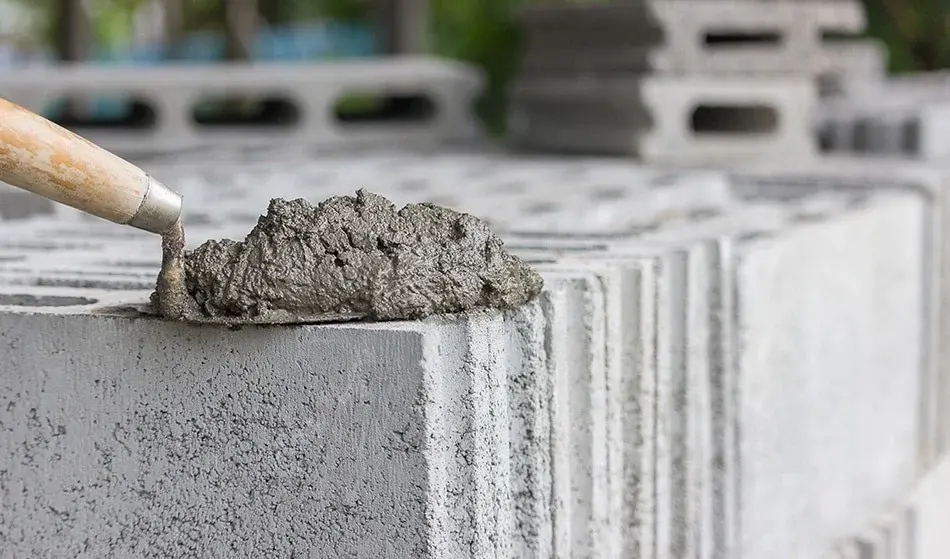
Cement is highly sensitive to moisture and must be stored under specific conditions to maintain its chemical integrity. If cement is exposed to humidity, it undergoes "air-setting," where it begins to hydrate prematurely and form hard lumps. Once these lumps form, the cement loses its binding strength and becomes unsuitable for high-quality construction applications. To ensure the material remains viable for use, follow these storage guidelines:
- Keep bags elevated on wooden pallets to prevent moisture absorption from the ground.
- Store cement in a dry, well-ventilated, and weather-proof structure.
- Cover stacks with plastic sheeting if long-term storage is necessary.
- Use the "first-in, first-out" method to ensure older stock is used before newer shipments.
- Avoid stacking bags more than 10 high to prevent pressure-induced compaction.
If you encounter bags that feel hard or contain solid lumps that cannot be broken by light finger pressure, the cement has likely been compromised by moisture and should be discarded rather than used in structural work.
Common mistakes when working with cement
One of the most frequent errors in construction is the improper ratio of water to cement. Adding too much water increases the workability of the mix but significantly reduces the final compressive strength and increases the risk of shrinkage cracks. Another common mistake is the failure to properly cure the concrete. Hydration is a chemical reaction that requires water; if the water evaporates too quickly from the surface, the concrete will not achieve its design strength and may become brittle or dusty.
- Using contaminated water or aggregates containing organic impurities.
- Mixing only small batches by hand, which leads to inconsistent quality throughout a project.
- Neglecting to vibrate or compact the concrete to remove trapped air pockets.
- Allowing concrete to freeze shortly after pouring, which halts the hydration process.
- Failing to use personal protective equipment, as wet cement is highly alkaline and can cause severe skin burns.
By maintaining the correct water-cement ratio and ensuring a consistent curing period, you ensure that the hydration process completes fully, resulting in a durable and long-lasting end product.
Key facts
- Cement production begins by crushing limestone and clay, which are then ground into a fine powder called raw meal.
- The raw meal is heated in a massive rotating kiln to temperatures reaching approximately 1,450°C (2,640°F).
- This heating process creates "clinker," small grey nodules that are the essential base ingredient for all modern cement.
- Clinker is cooled rapidly and then ground with a small amount of gypsum to regulate the setting time.
- A common mistake is using too much water when mixing concrete, which significantly reduces the final strength of the structure.
- Always wear protective gear, as wet cement is highly alkaline and can cause severe chemical burns to skin and eyes.
The bottom line
Cement is produced through a precise industrial process involving the intense heating of limestone and clay to create clinker. Once ground with gypsum, this powder acts as a powerful binder for construction materials. Understanding the chemical requirements of hydration and the importance of proper mixing ratios is essential for any builder to ensure the longevity and structural integrity of their finished concrete projects.
People also ask
What is the difference between cement and concrete?
Cement is a binding agent, while concrete is a composite material made by mixing cement, water, and aggregates like sand or gravel. You can think of cement as the "glue" that holds the concrete together.
How long does it take for cement to fully cure?
While concrete may feel hard within 24 to 48 hours, it typically takes 28 days to reach its full design strength. During this time, the chemical reaction known as hydration continues to harden the material.
Is cement production harmful to the environment?
The industry is energy-intensive and responsible for about 8% of global carbon dioxide emissions. This is primarily due to the high heat required for kilns and the chemical release of CO2 from limestone.
Can you use cement in freezing temperatures?
Freezing temperatures can stop the hydration process and cause water inside the mix to expand, leading to cracks. It is best to avoid pouring concrete when temperatures are expected to drop below 4°C (40°F).
Why is gypsum added to cement?
Pure clinker reacts with water almost instantly, making it impossible to work with. Gypsum acts as a retarder, providing enough time to pour and shape the mixture before it sets.
Does cement expire?
Cement is sensitive to moisture and will begin to hydrate if exposed to humidity in the air. If stored in a dry, sealed environment, it can last for several months, but lumpy cement should be discarded.
This answer was created with the help of AI research tools and reference sources. Spotted an error? Let us know — we correct mistakes quickly. See our editorial policy.