How is lipstick made?
Short answer
Lipstick is manufactured by blending waxes, oils, pigments, and emollients into a molten mixture. This liquid is poured into precision-engineered metal molds, cooled until solidified, and then extracted. The finished bullets are inserted into mechanical cases, flame-polished for a smooth finish, and inspected for quality before final retail packaging.
On this page
How is lipstick manufactured in a factory?
The production process begins with the preparation of the pigment grind. Manufacturers mix raw pigments—such as iron oxides or organic dyes—with castor oil or other carrier oils using heavy-duty roller mills. This step is critical because it ensures the color is perfectly dispersed, preventing streaks or gritty textures in the final product. Once the pigment is smooth, it is combined with the base ingredients in a large, heated stainless steel kettle.
The base typically consists of a precise ratio of waxes, including beeswax, ozokerite, and candelilla wax, which provide the structural integrity of the stick. Emollients like lanolin, cocoa butter, or synthetic esters are added to provide the desired glide and moisturizing properties. The mixture is stirred under vacuum conditions to remove air bubbles, which could otherwise cause the lipstick to break or appear pitted. After the formula is verified for color accuracy against a master standard, it is ready for the molding phase.
What steps are involved in the molding process?
The molding process is where the lipstick takes its iconic cylindrical shape. Manufacturers use high-precision metal molds, often coated with silicone to ensure easy release. The molten mixture is poured into these molds, which are chilled to rapidly solidify the wax.
- Preheat the metal molds to prevent the wax from solidifying too quickly upon contact.
- Pour the molten lipstick mixture into the mold cavities, ensuring no overflow occurs.
- Rapidly cool the molds using a refrigeration unit or chilled water circulation.
- Extract the solidified lipstick bullets from the molds using a mechanical ejector.
- Inspect each bullet for structural flaws, such as air pockets or surface scratches.
Once the bullets are extracted, they are carefully placed into the base of the lipstick case. The mechanism is then tested to ensure the bullet rises and retracts smoothly without wobbling or hitting the sides of the tube.
How do brands ensure lipstick quality and safety?
Quality control is a rigorous aspect of cosmetic manufacturing, governed by strict regulatory standards like the FDA in the United States. Every batch undergoes testing for microbial contamination to ensure the product remains safe for use on the lips. Chemists also perform "stress tests" to determine how the formula behaves under various environmental conditions.
- Stability testing: Exposing the lipstick to high temperatures to ensure it does not melt or "sweat" oil.
- Breakage testing: Applying pressure to the bullet to ensure it does not snap during normal application.
- Color consistency: Using spectrophotometers to measure the exact hue of every batch against the brand's master formula.
- Sensory evaluation: Testing the product for scent, taste, and the "payoff" or color intensity on the skin.
If a batch fails any of these criteria, it is discarded or reformulated to meet the brand's specific quality benchmarks before it reaches the assembly line.
What are the common mistakes when making lipstick?
Home crafters and novice manufacturers often encounter significant issues when attempting to replicate the industrial process. One of the most frequent mistakes is using an incorrect ratio of wax to oil. If there is too much wax, the lipstick will be too hard and fail to transfer color to the lips. Conversely, too much oil results in a product that is too soft, causing it to break or melt inside the tube during warm weather.
Another common error involves improper temperature control during the melting phase. If the ingredients are overheated, the volatile components—such as fragrances or certain antioxidants—can degrade, leading to an off-putting smell or a shortened shelf life. It is also vital to avoid introducing moisture into the mixture, as even a tiny amount of water can cause the lipstick to become unstable and promote bacterial growth. Always use anhydrous ingredients and ensure all equipment is completely dry before starting the production process.
How long does it take to produce a batch of lipstick?
The total production time for a batch of lipstick can vary significantly based on the scale of the operation and the complexity of the formula. In a modern automated facility, the process from initial mixing to final packaging can take anywhere from a few hours to a full day. The actual melting and mixing phase usually takes about two to four hours, depending on the volume of the batch.
The cooling phase is the most time-sensitive step, as it must be controlled to prevent crystallization of the waxes, which could lead to a grainy texture. Once the bullets are molded and inserted into cases, the final assembly and labeling happen rapidly on high-speed conveyor lines. While the mechanical process is fast, the quality assurance testing can add several days to the lead time. Brands must balance the need for efficient mass production with the meticulous care required to ensure every tube meets the high expectations of the consumer.
Key facts
- Lipstick is primarily composed of three main ingredients: wax, oil, and pigment.
- Waxes like beeswax, carnauba, and candelilla provide the structure and melting point of the stick.
- Pigments are finely ground into castor oil to ensure even color distribution without streaking.
- The mixture is heated to approximately 180°F (82°C) to blend ingredients into a uniform liquid.
- Vacuum equipment is often used during the mixing stage to remove trapped air bubbles that cause breakage.
- Avoid storing lipstick in direct sunlight or hot cars, as heat can melt the wax structure and cause the formula to sweat or lose shape.
The bottom line
Lipstick production is a precise industrial process that balances structural integrity with cosmetic performance. By combining waxes for shape, oils for glide, and pigments for color, manufacturers create a stable emulsion that must withstand daily use. Understanding the composition and proper storage of these products allows consumers to maximize the lifespan of their cosmetics while ensuring a smooth, consistent application every time they use them.
People also ask
Why does lipstick sometimes break at the base?
Breakage often occurs because the lipstick was extended too far during application or the wax structure was weakened by extreme temperature fluctuations. To prevent this, only twist up a small amount of product and store your lipsticks in a cool, dry place.
How is the shape of a lipstick bullet created?
The molten liquid is poured into metal molds that have been chilled to a specific temperature. Once the mixture hardens, the mold is opened, and the solid "bullet" is extracted and inserted into the mechanical casing.
What makes a lipstick matte versus glossy?
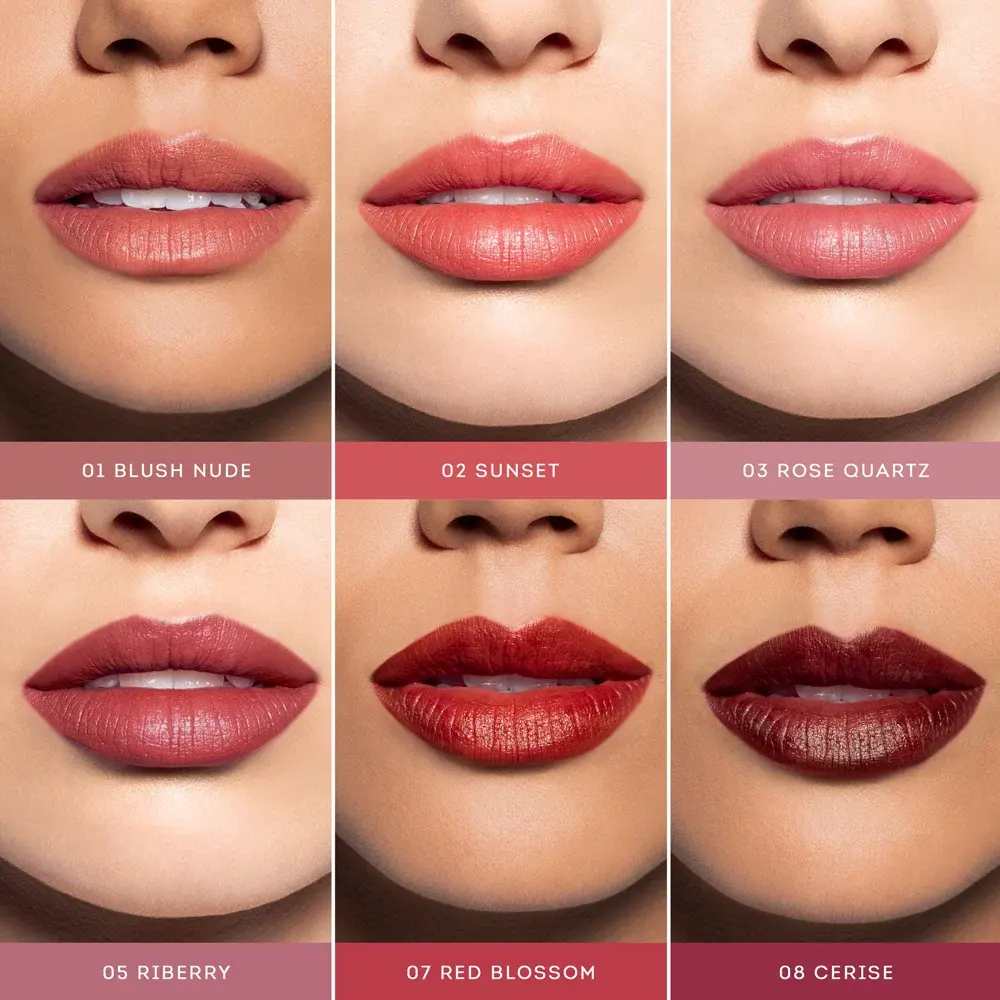
Matte lipsticks contain higher concentrations of wax and powder pigments with very little oil, which creates a flat, non-reflective finish. Glossy lipsticks use a higher ratio of emollients and oils to reflect light and provide a slick, hydrated appearance.
Are all lipsticks made with animal-derived ingredients?
Many traditional lipsticks use beeswax or lanolin, which are animal byproducts. However, modern cosmetic chemistry frequently utilizes synthetic waxes or plant-based alternatives like sunflower or soy wax to create vegan-friendly formulations.
How do manufacturers ensure the color is consistent?
Chemists use spectrophotometers to measure the light absorption of the pigment mixture against a master standard. If the batch does not match the exact color profile, technicians adjust the pigment ratios before the final pouring process begins.
Can lipstick expire?
Yes, lipsticks typically expire within 12 to 24 months due to the oxidation of oils and the growth of bacteria. If your product develops an unusual smell, changes texture, or becomes difficult to apply, it is time to discard it.
This answer was created with the help of AI research tools and reference sources. Spotted an error? Let us know — we correct mistakes quickly. See our editorial policy.