Who invented the emoji?
Short answer
Shigetaka Kurita, a Japanese interface designer, invented the emoji in 1999. Working for the mobile carrier NTT Docomo, he developed a set of 176 simple, 12-by-12 pixel icons to facilitate digital communication. These symbols were designed to convey complex emotions and concepts quickly within the character limits of early mobile messaging systems.

On this page
Who invented the emoji?
The credit for the creation of the emoji belongs to Shigetaka Kurita, who led the development team for the "i-mode" mobile internet platform at NTT Docomo in Japan. In the late 1990s, mobile text messages were restricted to a very small number of characters, making it difficult for users to express nuance or tone. Kurita sought to bridge this gap by creating a visual language that could be transmitted as simple data.
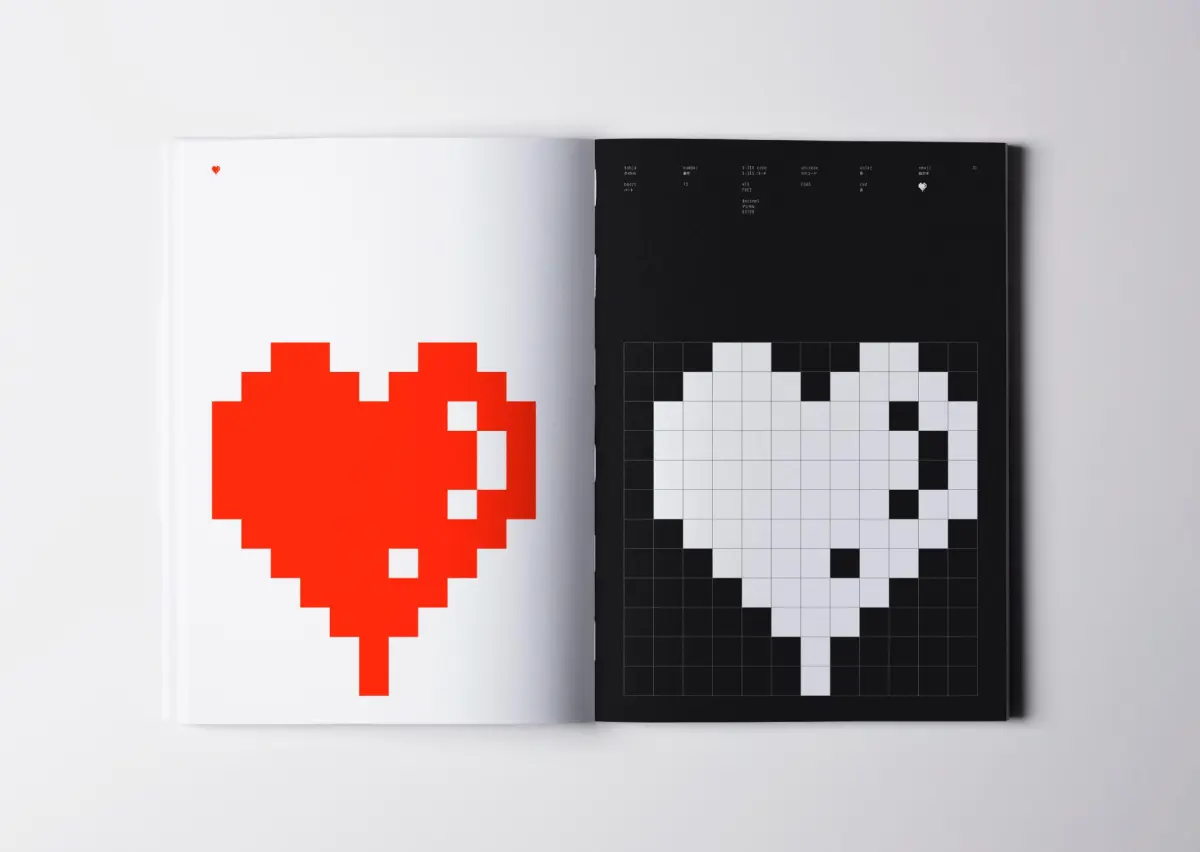
He drew inspiration from various sources, including Japanese manga, street signs, and weather symbols. By condensing these concepts into a grid of 144 pixels, he produced the first set of 176 emojis. These icons were not just decorative; they were functional tools designed to improve the efficiency and clarity of digital interactions. While other precursors like ASCII-based emoticons existed, Kurita’s work was the first to standardize pictograms for mobile telecommunications.
How did early emojis work?
Early emojis were fundamentally different from the high-resolution, colorful icons seen on modern smartphones today. Because they were designed for the limited hardware of 1999, they were monochrome and strictly pixelated. The system relied on specific character codes that the i-mode browser would interpret and render as images. This allowed users to send a single character that represented a complex idea, such as a weather condition or a facial expression.
The implementation process was relatively straightforward for the time:
- The user selected an icon from a menu within the messaging interface.
- The phone converted the selection into a specific Shift-JIS character code.
- The receiving device recognized the code and displayed the corresponding 12x12 pixel image.
- This process ensured that data usage remained minimal while expanding the expressive capabilities of the platform.
Why did emojis become popular?
The rapid adoption of emojis was driven by the inherent limitations of text-based communication. Without facial expressions, body language, or vocal inflection, digital messages often felt cold or ambiguous. Emojis provided a necessary "emotional shorthand" that allowed users to add warmth, humor, or urgency to their messages. This was particularly effective in Japanese culture, where indirect communication and emotional subtlety are highly valued.
Following their success on the i-mode platform, other Japanese mobile carriers quickly adopted similar systems. By the mid-2000s, emojis had become an essential part of the Japanese digital landscape. Their popularity eventually crossed international borders, leading to the integration of emojis into the Unicode Standard in 2010. This move allowed emojis to be displayed consistently across different operating systems and devices, cementing their status as a universal language for the digital age.
How to use emojis effectively?
Using emojis effectively requires an understanding of context and audience. While they are excellent for adding personality to casual conversations, they can sometimes undermine professional communication if used excessively. The key is to use them to enhance the meaning of your message rather than replacing words entirely. When used correctly, they can prevent misunderstandings by signaling the tone of a statement that might otherwise be read as aggressive or overly formal.
Follow these steps to integrate emojis into your daily messaging:
- Identify the tone of your message: Is it casual, urgent, or celebratory?
- Select an emoji that reinforces that specific emotion.
- Place the emoji at the end of the sentence to act as a punctuation mark.
- Limit your selection to one or two emojis to avoid cluttering the text.
- Review the message to ensure the emoji does not change the intended meaning of your words.
Common mistakes when using emojis
One of the most frequent mistakes is assuming that every emoji has a universally understood meaning. Because emojis are interpreted through the lens of individual culture and experience, a symbol that seems friendly in one context might be seen as sarcastic or offensive in another. For example, certain hand gestures or facial expressions can carry vastly different connotations depending on the region. Relying too heavily on obscure or highly stylized icons can lead to confusion and miscommunication.
Another common error is the overuse of emojis in formal settings or long-form writing. While they are perfect for instant messaging, they can make professional emails or reports appear unprofessional or juvenile. To avoid these pitfalls, consider the following guidelines:
- Avoid using emojis in high-stakes professional correspondence unless you are certain of the recipient's preference.
- Be cautious with emojis that have evolved to carry secondary, slang-based meanings.
- Do not use so many emojis that they distract from the actual content of your message.
- Always prioritize clarity over decoration when communicating important information to avoid any potential ambiguity.
Key facts
- Shigetaka Kurita created the first set of 176 emojis in 1999 while working for the Japanese mobile carrier NTT Docomo.
- The word emoji comes from the Japanese words "e" (picture) and "moji" (character).
- Early emojis were designed as 12x12 pixel grids to fit the limited screen resolution of mobile devices at the time.
- Emojis are distinct from emoticons, which are typographic displays of facial representations created using keyboard characters like colons and parentheses.
- The Unicode Consortium, a non-profit organization, is responsible for standardizing emojis so they appear consistently across different platforms and operating systems.
- To use emojis effectively, avoid overusing them in professional correspondence, as they can sometimes be misinterpreted or appear unprofessional in formal contexts.
The bottom line
The invention of the emoji is credited to Shigetaka Kurita, who developed the original set for Japanese mobile users in 1999. By transforming simple pixelated grids into a universal visual language, emojis have revolutionized digital communication. While they enhance emotional nuance in text, users should remain mindful of context and platform variations to ensure their intended tone is clearly conveyed to the recipient across different devices.
People also ask
Are emojis and emoticons the same thing?
No, they are different. Emoticons are text-based symbols like :) created with keyboard characters, while emojis are actual digital images or pictographs encoded as characters.
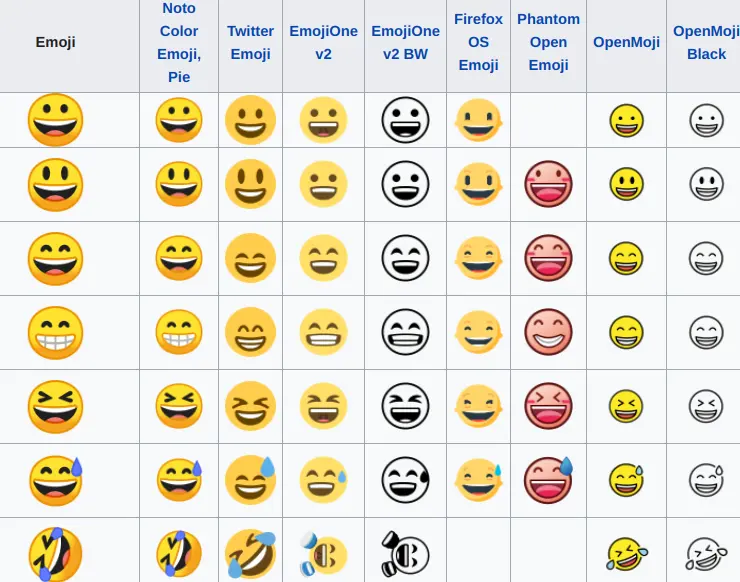
Why do emojis look different on an iPhone compared to an Android phone?
While the underlying code for an emoji is standardized by the Unicode Consortium, each tech company designs its own unique visual style for how those icons appear on their specific devices.
How can I type emojis on a computer?
On Windows, press the Windows key and the period key simultaneously to open the emoji picker. On a Mac, press Command, Control, and Spacebar to access the character viewer.
Can emojis be copyrighted?
Individual emoji designs are often protected by copyright held by the companies that create them, such as Apple or Google. However, the basic concepts and Unicode standards are open for universal use.
Why are there so many versions of the same emoji?
The Unicode Consortium regularly updates the standard to include more diverse skin tones, gender options, and cultural symbols to ensure global representation and inclusivity.
What is the most popular emoji worldwide?
The "Face with Tears of Joy" emoji is consistently ranked as the most frequently used icon across various social media platforms and messaging applications globally.
This answer was created with the help of AI research tools and reference sources. Spotted an error? Let us know — we correct mistakes quickly. See our editorial policy.