How do you draw an emoji?
Short answer
Drawing an emoji involves creating a simplified, high-contrast icon that conveys a specific emotion or object within a circular or square frame. You can draw them by sketching a basic geometric shape, adding expressive facial features, and applying bold, flat colors to ensure the design remains legible at very small sizes.
On this page
How to draw an emoji step by step
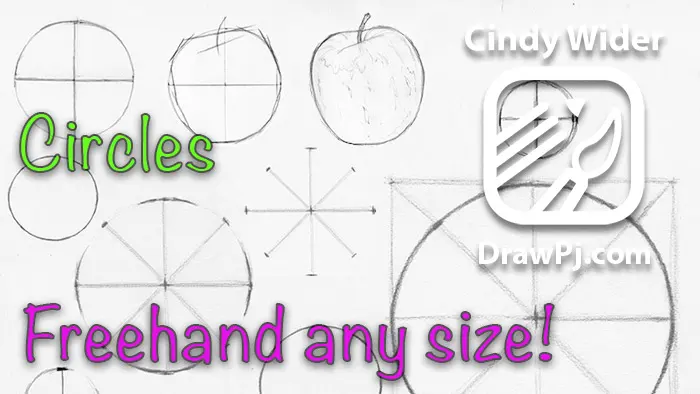
Creating an emoji starts with establishing a clear, readable silhouette. Most classic emojis are based on a perfect circle, which serves as the canvas for the expression. To begin, use a compass or a circular object to trace a clean outline on your paper or digital canvas. Once the circle is established, you should lightly sketch a vertical and horizontal crosshair through the center to help align the eyes and mouth symmetrically.
After the guidelines are set, follow these steps to build the character:
- Sketch the eyes as two simple ovals or circles positioned slightly above the horizontal midline.
- Add the mouth or expression features, ensuring they follow the curvature of the face to maintain a sense of depth.
- Use a thick, consistent line weight for the outlines to ensure the emoji remains visible when scaled down.
- Fill the shape with a vibrant, flat color like yellow for classic faces, avoiding complex gradients or textures that clutter the design.
Best tools for drawing emojis
For beginners, the choice of tools depends on whether you prefer traditional media or digital software. If working on paper, high-quality markers or felt-tip pens are essential because they provide the bold, solid colors characteristic of the emoji style. Avoid using pencils for the final layer, as they lack the necessary contrast. For digital artists, vector-based software is the industry standard because it allows you to resize your artwork without losing quality.
When selecting digital tools, look for programs that offer a "snap to grid" feature or shape tools. These functions help you maintain perfect geometry, which is crucial for the clean, polished look of professional emojis. Regardless of the medium, you should prioritize tools that allow for:
- Smooth, continuous line strokes.
- A wide, saturated color palette.
- Easy layering to separate the background from the facial features.
- Export options for small file formats like PNG or SVG.
Why emojis look the way they do
The visual language of emojis is rooted in the concept of "iconography," where simplicity is prioritized over realism. Developed in the late 1990s by Shigetaka Kurita in Japan, the original emojis were limited to a 12x12 pixel grid. This extreme constraint forced designers to focus on the most essential elements of an expression, such as the shape of the eyebrows or the curve of a smile. Even as display technology has advanced, the aesthetic remains minimalist to ensure the icon is instantly recognizable.
Because emojis are meant to be viewed on small smartphone screens, they rely on high-contrast color schemes. The iconic yellow face was chosen specifically because it stands out against the white or dark backgrounds of messaging applications. Designers also use exaggerated features—such as oversized tears or wide-open eyes—to communicate complex emotions clearly. By stripping away unnecessary detail, the emoji becomes a universal symbol that transcends language barriers and cultural differences in digital communication.
Common mistakes when drawing emojis
One of the most frequent errors is adding too much detail, such as individual eyelashes, complex shading, or realistic skin textures. Emojis are symbols, not portraits, and excessive detail often makes them look cluttered or confusing when viewed on a phone. Another common mistake is inconsistent line weight. If your outlines vary significantly in thickness, the emoji will lose its cohesive, professional appearance. Maintain a uniform stroke width throughout the entire design to keep the icon balanced.
Additionally, beginners often struggle with the placement of facial features. If the eyes are placed too far apart or the mouth is off-center, the expression will look distorted rather than intentional. To avoid these issues, always keep your initial sketch lines light so they can be easily erased or adjusted. Remember that in the world of emojis, less is almost always more. Focus on the core emotion you want to convey and use the simplest shapes possible to represent it.
How to design your own emoji set
Designing a cohesive set of emojis requires maintaining a consistent style across every icon you create. Start by establishing a "style guide" for yourself, which defines the specific color palette, line thickness, and eye shapes you will use for the entire collection. If one emoji has thick black outlines and another has thin colored ones, they will look like they belong to different sets. Consistency in your design language is what makes a collection feel professional and intentional.
To expand your set effectively, follow these guidelines:
- Choose a consistent color theme, such as a specific shade of yellow or a variety of skin tones.
- Standardize the size of the eyes and mouths across different expressions to create a sense of character continuity.
- Test your designs by shrinking them down to the size of a thumbnail to ensure they are still legible.
- Organize your work by emotion, starting with basic states like happy, sad, and surprised before moving to more complex or abstract concepts.
By following these principles, you can create a unique library of icons that communicate effectively in any digital space.
Key facts
- Emojis are standardized by the Unicode Consortium, which assigns a unique code point to every character.
- Start your design by using a perfect circle as a base, as most classic face emojis rely on this geometry.
- Use a limited color palette, typically bright yellow for faces, to ensure the icon remains recognizable at small sizes.
- Keep facial features centered and symmetrical to maintain a balanced look across different screen resolutions.
- Aim for a "flat" design style by avoiding complex gradients, shadows, or textures that clutter the image.
- Export your final drawing as a 128x128 pixel PNG file to ensure it displays clearly on most digital platforms.
The bottom line
Drawing an emoji is an exercise in minimalism and effective communication. By utilizing basic geometric shapes and a vibrant, consistent color scheme, you can create expressive icons that remain legible at any size. Focus on clear, exaggerated facial features and keep your designs clean to ensure they translate well across various digital platforms. With practice, you can master the art of visual shorthand in digital messaging.
People also ask
What software is best for creating emojis?
Vector-based programs like Adobe Illustrator, Inkscape, or Figma are ideal because they allow you to scale your design without losing quality. These tools provide precise control over shapes and paths, which is essential for uniform icon design.
How do I make my emoji stand out?
Focus on exaggerated expressions, such as widened eyes or a distinct mouth shape, to convey emotion quickly. Simple, bold lines are more effective than intricate details when the icon is viewed on a small smartphone screen.
Can I use my own emojis in text messages?
You can create custom stickers for platforms like WhatsApp, Telegram, or iMessage using dedicated sticker-maker apps. These apps convert your image files into the specific formats required by messaging services.
What is the standard size for an emoji?
While they appear small, professional emoji sets are usually designed on a 128x128 pixel canvas. This resolution provides enough detail for the icon to remain sharp even when scaled down to 20x20 pixels for standard text.
Why do emojis look different on different phones?
Every operating system, such as iOS, Android, or Windows, uses its own unique "font" or artistic style to render the Unicode characters. While the meaning remains the same, the visual interpretation is determined by the manufacturer.
Do I need to be a professional illustrator to draw emojis?
No, you only need a basic understanding of geometric shapes and a clear concept of the emotion you want to portray. Many popular emojis are built from simple circles, ovals, and crescents.
This answer was created with the help of AI research tools and reference sources. Spotted an error? Let us know — we correct mistakes quickly. See our editorial policy.