What does a storyboard artist do?
Short answer
A storyboard artist translates a script into a visual sequence of panels, acting as the bridge between a screenplay and final production. They draw the framing, camera angles, and character movements to establish the narrative flow. This blueprint ensures the director, cinematographer, and animation team share a unified vision before filming begins.
On this page
What does a storyboard artist actually do?
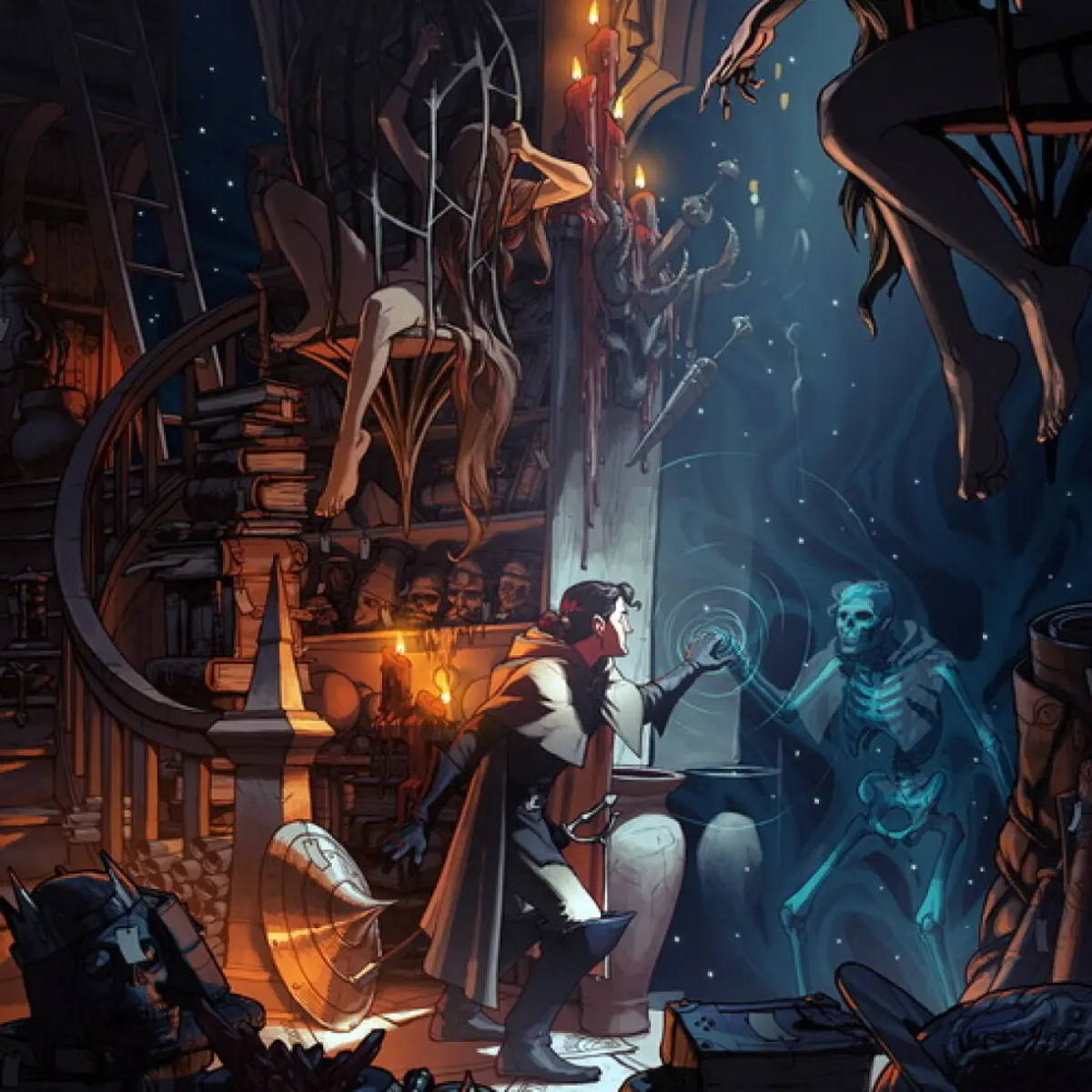
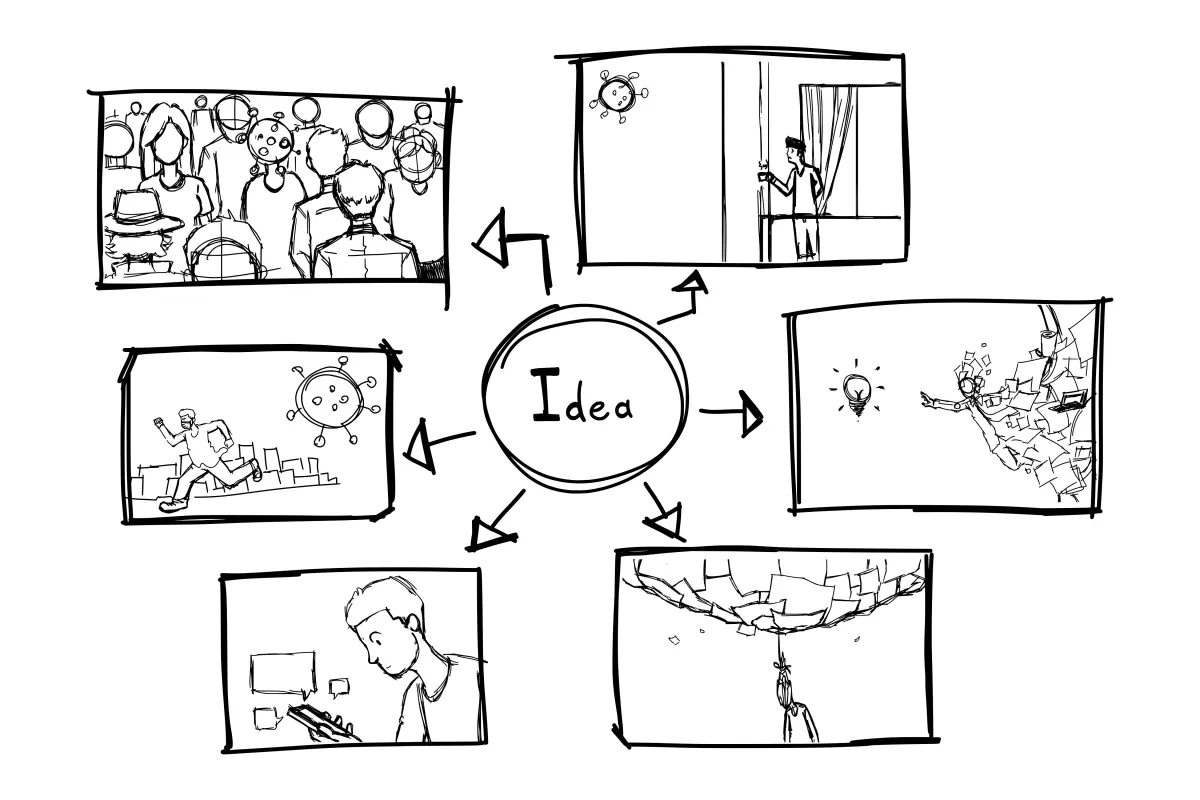
A storyboard artist serves as the primary visual architect for a project. They take written descriptions from a script and transform them into sequential sketches that represent the intended camera shots. This process involves determining the composition of each frame, the placement of characters, and the overall rhythm of a scene. By visualizing the story, they help production teams identify potential gaps in logic or pacing long before expensive filming or rendering begins.
Beyond mere drawing, these artists must possess a deep understanding of cinematography and storytelling. They often work closely with directors to refine the "language" of a scene, deciding whether a moment requires a wide establishing shot or an intimate close-up. They must also manage the blocking of characters, ensuring that movement feels natural and purposeful within the frame. Their work provides a concrete guide that aligns the creative team, preventing confusion during the high-pressure environment of a live-action shoot or an animation production cycle.
How do you become a storyboard artist?
Becoming a professional storyboard artist requires a blend of artistic skill and technical narrative knowledge. While formal education in illustration or film can be beneficial, the most critical requirement is a robust portfolio that demonstrates your ability to convey action and emotion through sequential art. Employers look for evidence that you understand camera language, perspective, and character acting rather than just polished, high-detail illustrations.
- Master the fundamentals of perspective and human anatomy to ensure your drawings are clear and readable.
- Study film theory and cinematography to understand how different lens choices and camera angles influence audience perception.
- Build a portfolio featuring "boards" that show a clear beginning, middle, and end for a specific action sequence.
- Network within industry groups or attend film festivals to connect with directors and producers who need visual support.
- Practice drawing quickly and clearly, as production environments often require rapid iterations based on immediate feedback from a director.
What tools do storyboard artists use?
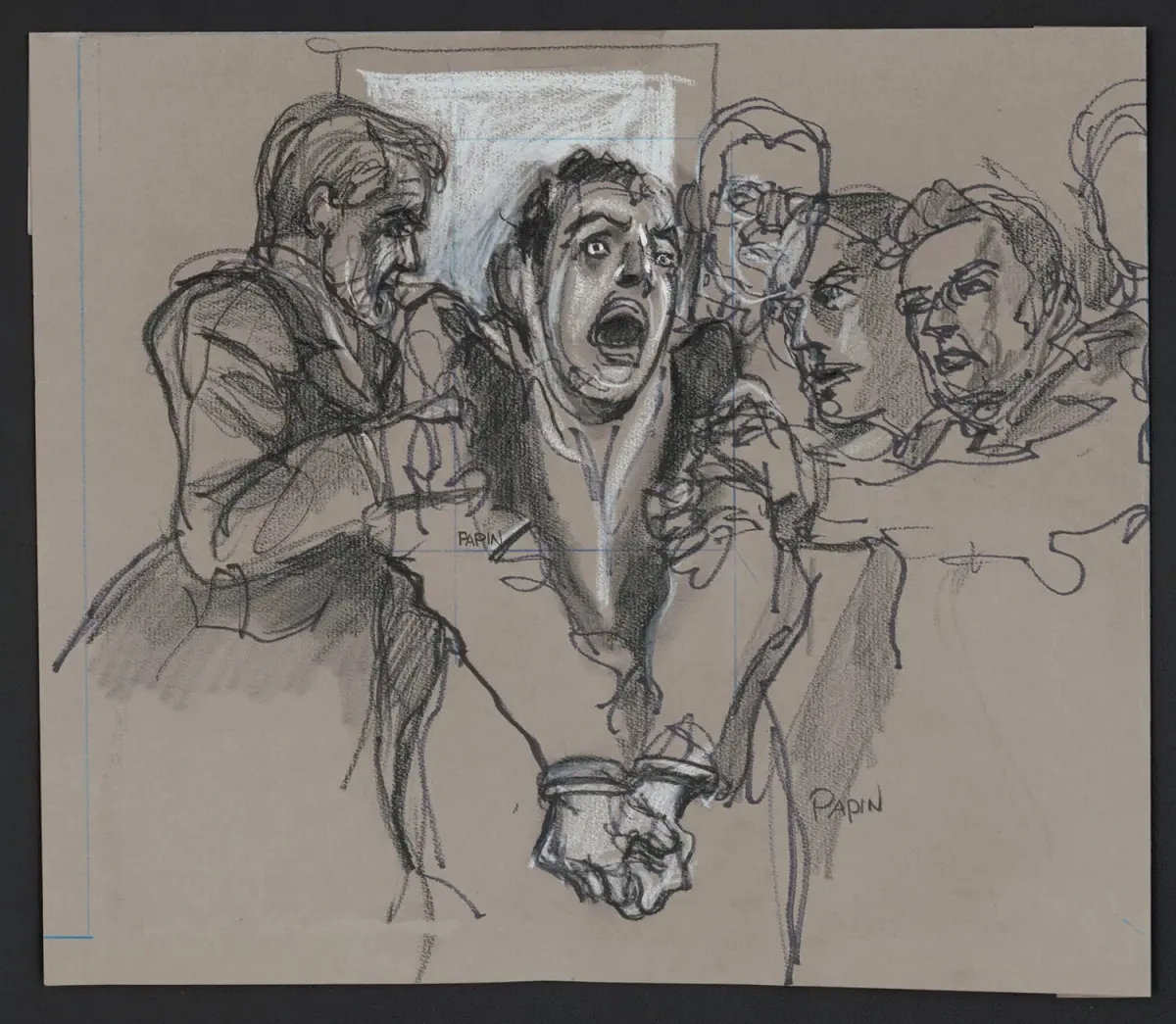
The tools of the trade have evolved significantly with the rise of digital technology. While traditional artists may still use graphite pencils, markers, and paper for rough thumbnails, the industry standard has shifted toward digital tablets and specialized software. These tools allow for rapid changes, which is essential when a director decides to alter a scene’s focus or pacing during a meeting.
- Wacom Cintiq or similar pen-display tablets for direct-to-screen drawing.
- Adobe Photoshop for layering and creating high-quality, final-ready panels.
- Storyboard Pro, which allows artists to add timing, camera movements, and sound to their panels.
- Procreate for iPad, favored by many freelance artists for its portability and intuitive interface.
- Traditional lightboxes and layout paper, still used by some for initial rough sketches to maintain a tactile workflow.
Regardless of the medium, the goal remains the same: clarity. A great storyboard is not necessarily a piece of fine art but a functional document that communicates the director's intent to the entire crew.
Common mistakes when storyboarding scenes
One of the most frequent errors is over-rendering panels. Beginners often spend hours on a single frame, adding intricate shading and detail that the production team does not need. This slows down the workflow and makes it harder for the director to focus on the essential composition and action. Remember that the primary purpose of a storyboard is to communicate the "what" and the "where," not to create a finished illustration.
Another common mistake is neglecting the "180-degree rule." This is a fundamental principle in filmmaking where the camera must stay on one side of an imaginary line between two characters to maintain consistent spatial orientation. When an artist ignores this, the audience becomes disoriented, and the scene loses its narrative flow. Always double-check that your character positions remain consistent from one panel to the next to avoid "jumping" the line, which can ruin the viewer's immersion in the story.
How long does it take to storyboard a film?
The timeline for storyboarding depends heavily on the complexity of the project and the director's specific needs. A simple, dialogue-heavy scene might take a day to board, while a complex, high-octane action sequence could take several weeks of intensive work. Factors such as the number of characters, the environment, and the amount of camera movement all contribute to the total time required for a professional artist to complete the assignment.
In a typical feature film, the storyboard artist is part of a larger team working in phases. They often start with "thumbnails"—tiny, rough sketches used to test ideas—before moving to the final, clean panels. This iterative process is designed to save time, as it is much easier to discard a rough sketch than to redraw a finished panel. By managing these phases efficiently, a skilled artist ensures that the visual plan for the film is completed well before the production cameras start rolling on the set.
Key facts
- A storyboard artist translates a written script into a visual sequence of panels, similar to a comic book, to map out camera angles and character movement.
- Professional artists typically use digital software like Storyboard Pro or Photoshop to allow for rapid revisions and efficient file sharing.
- They must possess a strong understanding of cinematography, including the rule of thirds, depth of field, and the 180-degree rule.
- A single minute of screen time can require anywhere from 10 to 50 individual storyboard panels depending on the complexity of the action.
- The role serves as the primary bridge between the writer’s vision and the director’s final execution, saving production time and budget.
- Artists should prioritize clear storytelling and "readability" over artistic polish, as the primary goal is to communicate the flow of a scene.
The bottom line
A storyboard artist serves as the architect of a film or commercial, turning abstract words into a visual blueprint. By mastering composition, perspective, and pacing, they help directors solve complex logistical problems before expensive production begins. While artistic talent is a great asset, the true value of the role lies in clear, efficient communication that keeps the entire creative team aligned throughout the project's development.
People also ask
Do storyboard artists need to be professional illustrators?
While strong drawing skills are essential, the ability to communicate spatial relationships and pacing is more important than high-end rendering. Many successful artists use simple, clean line work to ensure the director can quickly grasp the action.
How does a storyboard differ from an animatic?
A storyboard is a series of static images, whereas an animatic is a video version where those panels are edited together with sound and timing. Animatic artists often add basic movement to the panels to test the rhythm of a sequence before full production begins.
What is the most common mistake beginners make?
Beginners often focus too much on detailed shading and background art rather than the composition and character acting. This wastes time, as the director needs to see the "blocking" of the scene rather than a finished painting.
Is it necessary to know 3D software?
It is increasingly common for artists to use 3D programs like Blender or SketchUp to set up complex camera angles. Knowing how to place 3D models helps maintain accurate perspective throughout a scene.
How do storyboard artists work with directors?
The artist typically meets with the director to discuss the script, then produces rough sketches for feedback. This iterative process continues until the director approves the visual flow, ensuring everyone is aligned before filming or animation starts.
Can storyboard artists work remotely?
Yes, most modern storyboard work is digital and can be completed remotely using cloud-based collaboration tools. Artists receive script updates via email or project management software and upload their panels for review by the production team.
This answer was created with the help of AI research tools and reference sources. Spotted an error? Let us know — we correct mistakes quickly. See our editorial policy.