What does a courtroom sketch artist do?
Short answer
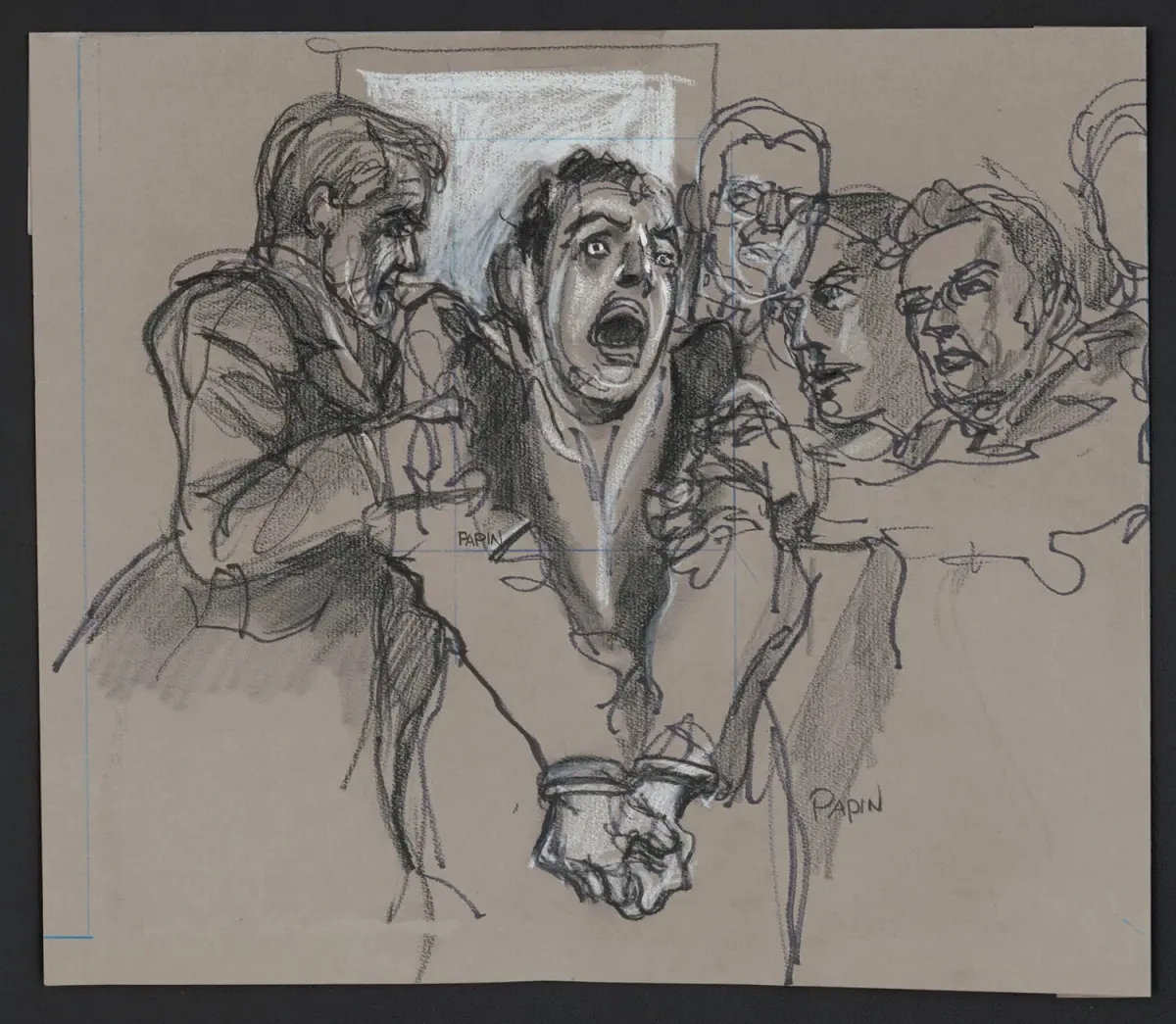
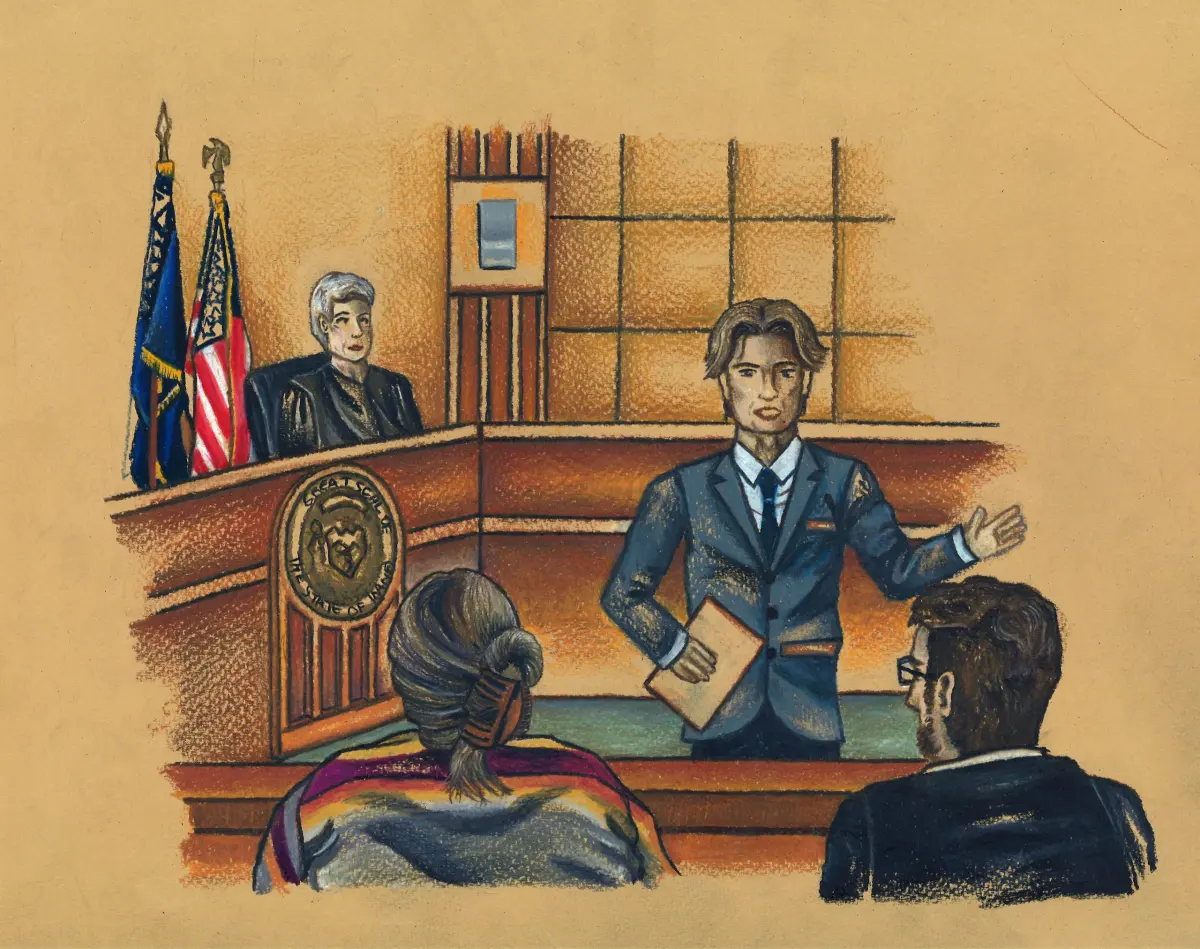
A courtroom sketch artist creates visual records of legal proceedings where cameras are prohibited. Using pencils, pastels, or charcoal, they capture the likenesses of defendants, judges, and lawyers to provide the public with a window into high-profile trials. These artists must work quickly and accurately to document the human element of justice.
On this page
How courtroom sketch artists work
Courtroom artists operate in environments where electronic recording devices are strictly forbidden. Their primary objective is to document the atmosphere and key participants of a trial through hand-drawn illustrations. Because they cannot use photography, these artists rely on keen observation skills and rapid sketching techniques to capture the essence of a courtroom scene. They often sit in the gallery or a designated press area, balancing sketchpads on their laps while maintaining a low profile to avoid distracting the judge or jury.
The process involves several distinct stages during a typical day in court:
- Initial observation of the courtroom layout and lighting conditions.
- Rapid gesture drawings to capture the posture and expressions of key figures.
- Refinement of facial features and clothing details during breaks or testimony.
- Application of color using pastels or watercolors to provide depth and realism.
- Finalizing the composition to meet tight media deadlines for evening news broadcasts.
What tools do courtroom artists use
Professional courtroom artists utilize portable, quiet, and efficient materials that allow them to work under pressure. Unlike studio artists who have hours to perfect a piece, courtroom illustrators must produce finished work in minutes. They typically carry a compact kit that fits easily into a bag, ensuring they can move through security checkpoints and navigate crowded hallways without difficulty. The choice of medium often depends on the artist's personal style and the specific requirements of the news outlet they represent.
Commonly used supplies include:
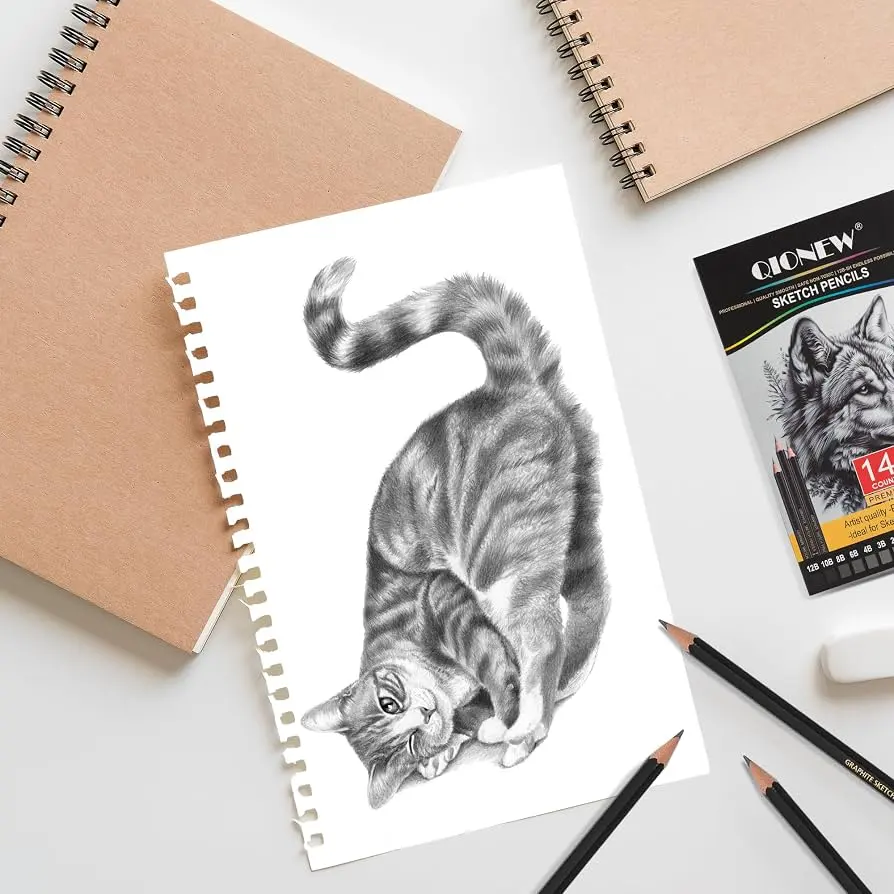
- Graphite pencils of varying hardness for initial outlines.
- Pastel sticks or soft-lead colored pencils for adding color quickly.
- High-quality sketch paper that can withstand multiple layers of pigment.
- Blending stumps or tissues for smoothing out skin tones and shadows.
- Fixative spray to prevent smudging during transport to the newsroom.
Artists must avoid messy materials like wet paints or charcoal that could leave residue on courtroom furniture or clothing. Maintaining a clean workspace is essential for professional conduct within the judicial setting.
How long does it take to become a courtroom artist
Becoming a proficient courtroom artist requires a blend of formal fine arts training and specialized experience in fast-paced sketching. Most professionals hold a degree in illustration or fine arts, where they develop a strong foundation in human anatomy and portraiture. However, academic training is only the beginning; the ability to draw a recognizable face in under ten minutes is a skill that requires years of dedicated practice in live environments. Many artists start by sketching people in public places, such as train stations or parks, to build speed.
The transition to a courtroom setting often involves building a portfolio and networking with local news producers. An artist might begin by volunteering for smaller, less publicized trials to gain experience with the unique pressures of the courtroom. Building a reputation for reliability and accuracy is crucial, as news outlets rely on these artists to provide the only visual record of a trial. It can take several years of consistent work to secure regular assignments for high-profile cases that receive national media attention.
Common mistakes when sketching in court
One of the most frequent errors for beginners is focusing too much on minor details at the expense of capturing the subject's likeness. In a fast-paced trial, the artist may only have a few minutes before a witness leaves the stand or a defendant changes position. Spending too much time on a tie pattern or a background wall can lead to a missed opportunity to capture a crucial facial expression. Artists must learn to prioritize the most important elements of the scene first, leaving secondary details for later.
Another common mistake is failing to maintain a neutral perspective. The courtroom is a place of intense emotion, and artists must remain objective observers rather than participants. Over-dramatizing a scene or injecting personal bias into the portrayal of a defendant can compromise the integrity of the work. Artists should also avoid making sudden movements or loud noises that could disrupt the proceedings. Being respectful of the court’s decorum is just as important as the quality of the drawing itself, as any disruption could lead to the artist being barred from the room.
Why courtroom sketches are still important
Despite the advancement of digital technology, courtroom sketches remain a staple of legal journalism. Many jurisdictions continue to ban cameras to protect the privacy of witnesses and ensure that the presence of recording equipment does not influence the behavior of those in the courtroom. Sketches provide a human touch that photographs often lack, allowing the artist to emphasize specific emotions or interactions that define a case. These drawings serve as a historical record, preserving the gravity of trials for future generations.
Beyond their journalistic value, these sketches serve as a vital tool for public transparency. By providing a visual representation of legal proceedings, they help the public understand the human reality behind complex legal arguments. An artist can synthesize hours of testimony into a single, powerful image that captures the tension of a verdict or the sorrow of a testimony. As long as courts prioritize the sanctity of the judicial process over the convenience of modern media, the courtroom sketch artist will remain an essential figure in the pursuit of justice.
Key facts
- Courtroom artists are hired by media outlets to capture visual records of trials where cameras are legally prohibited.
- Artists must work quickly, often completing a finished pastel or watercolor sketch within 30 to 60 minutes.
- They prioritize capturing the emotional atmosphere and key figures, such as the defendant, judge, and witnesses, rather than photographic realism.
- Most professionals use dry media like pastels, charcoal, or markers to avoid the mess and drying time associated with oils or acrylics.
- Speed and accuracy are paramount; artists must memorize facial features during brief glances to avoid staring at subjects.
- Legal restrictions vary by jurisdiction, requiring artists to obtain specific court approval and follow strict seating protocols.
The bottom line
Courtroom sketch artists serve as the visual eyes of the public in judicial environments where cameras are barred. By combining artistic speed with journalistic integrity, they document the gravity of legal proceedings through rapid, expressive sketches. Success in this field requires technical proficiency, the ability to work under immense pressure, and a strict adherence to the decorum and rules established by the presiding judge in each case.
People also ask
Why are cameras banned in many courtrooms?
Judges often prohibit cameras to protect the privacy of witnesses, ensure a fair trial, and prevent the courtroom from becoming a media spectacle. This restriction preserves the decorum of the judicial process.
Do sketch artists need a law degree?
No, they do not need legal training, but they must have a deep understanding of courtroom etiquette and legal procedures. Knowing where to sit and when to remain silent is essential for their work.
How do artists handle high-profile cases with intense security?
Artists must navigate tight security screenings and often work from restricted areas or the back of the gallery. They must remain unobtrusive to avoid distracting the jury or legal counsel.
Can an artist be kicked out of a courtroom?
Yes, a judge can remove an artist for disruptive behavior, such as talking, blocking views, or failing to follow specific media guidelines. Respecting the court's authority is the artist's primary responsibility.
How do artists capture likenesses without taking photos?
They rely on rapid sketching techniques and keen observation skills to note distinct features like jawlines, hairlines, and expressions. They often make quick thumbnail sketches before refining the final image.
Are courtroom sketches considered official court documents?
Generally, they are not legal evidence but serve as journalistic records for the public. However, they are frequently used by news organizations to illustrate the human element of major trials.
This answer was created with the help of AI research tools and reference sources. Spotted an error? Let us know — we correct mistakes quickly. See our editorial policy.