How do you become an illustrator?
Short answer
Becoming an illustrator requires developing a unique visual style, mastering technical skills, and building a professional portfolio. You must combine artistic talent with business acumen, marketing your work to clients, agencies, or publishers. Success is achieved through consistent practice, networking within the creative industry, and adapting to evolving commercial design standards.
On this page
How to develop drawing and design skills
Foundational artistic ability is the cornerstone of a successful illustration career. Beginners should prioritize mastering the principles of design, including composition, color theory, anatomy, and perspective. While formal education at an art school or university provides structured guidance and mentorship, many illustrators are self-taught through dedicated practice and online resources. You must learn to observe the world critically, translating three-dimensional objects into two-dimensional representations that convey specific moods or narratives.
Technical proficiency is equally vital in the modern era. Most professional illustrators utilize industry-standard software to create, edit, and deliver their work. Developing a workflow that balances traditional sketching with digital refinement is a common practice among professionals. To build these skills effectively, consider the following steps:
- Practice drawing from life daily to improve observational accuracy.
- Study the history of illustration to understand how different styles have evolved.
- Master vector and raster-based software tools to ensure your work is print-ready.
- Experiment with varied mediums, such as watercolor, ink, or digital brushes, to find your unique voice.
How to build a professional portfolio
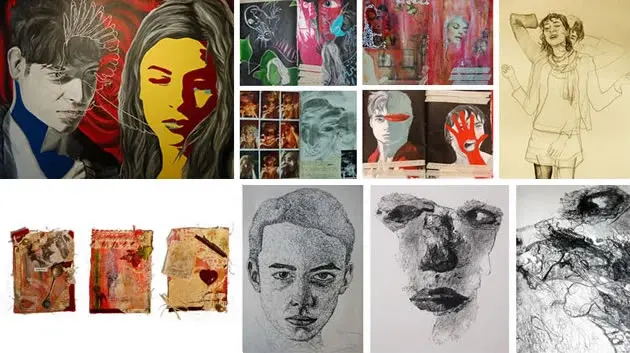
Your portfolio is your most important asset, acting as a visual resume that demonstrates your capability to potential clients. It should showcase a cohesive style while highlighting your versatility across different types of projects, such as editorial, book covers, or advertising. Aim for 10 to 15 high-quality pieces that represent the specific type of work you want to be hired to do. Quality always outweighs quantity; a single weak piece can undermine the impact of your stronger work.
When assembling your collection, consider your target market carefully. If you want to work in children’s publishing, your portfolio should feature characters and storytelling elements rather than abstract patterns. Ensure your portfolio is easily accessible online through a personal website or a professional creative platform. Include a brief "About" page and clear contact information so art directors can reach you easily. Keep your portfolio updated regularly as your skills improve and your artistic direction matures.
How to find work as an illustrator
Securing consistent work requires a proactive approach to marketing and networking. Many illustrators start by freelancing, which involves pitching directly to art directors, publishers, and design agencies. Building a presence on social media platforms can help you gain visibility, but direct outreach remains the most effective way to secure high-value contracts. Networking at industry conferences or local creative meetups allows you to build personal relationships that often lead to recurring work.
When seeking opportunities, consider these strategies to expand your reach:
- Research target clients and create a spreadsheet to track your outreach efforts.
- Send personalized emails to art directors featuring a link to your best work.
- Register with creative talent agencies that represent illustrators and negotiate contracts.
- Participate in industry-specific challenges or competitions to gain recognition and exposure.
- Offer your services for small projects to build testimonials and professional credibility.
Common mistakes when starting an illustration career
One frequent error is failing to specialize early in your career. While it is tempting to accept any project that comes your way, casting too wide a net can make it difficult for potential clients to categorize your style. Another common mistake is neglecting the business side of the profession. Many artists focus exclusively on the creative process while ignoring the necessity of clear contracts, professional invoicing, and understanding copyright law. Failing to protect your intellectual property can lead to significant financial and legal complications.
Additionally, many beginners struggle with the "imposter syndrome" that accompanies creative work. They may delay sharing their portfolio because they feel it is not yet "perfect." Perfectionism is a major barrier to progress. It is better to share your work, receive constructive feedback, and iterate than to keep your art hidden. Avoid comparing your early work to the decades-long output of established professionals, as this often leads to burnout and discouragement. Focus on your own growth trajectory instead.
How long does it take to become a professional
The timeline for becoming a professional illustrator varies significantly based on your starting skill level and the amount of time you dedicate to your craft. For most individuals, it takes two to five years of consistent, deliberate practice to reach a level where they can secure regular paid commissions. This period involves not only honing artistic technique but also developing the professional habits required to meet deadlines and communicate effectively with clients. Progress is rarely linear, and you should expect periods of rapid growth followed by plateaus.
To accelerate your development, treat your illustration practice like a business from day one. Set specific goals for your technical improvement and your marketing outreach each month. By maintaining a disciplined schedule and constantly seeking feedback from peers or mentors, you can shorten the gap between amateur experimentation and a viable career. Remember that the industry is constantly changing, so the most successful illustrators are those who remain curious, open to new techniques, and committed to lifelong learning.
Key facts
- Most professional illustrators hold a Bachelor of Fine Arts (BFA) or a degree in illustration, though a strong portfolio can often outweigh formal education.
- Mastering industry-standard software like Adobe Photoshop, Illustrator, and Procreate is essential for modern commercial workflows.
- Developing a distinct artistic style is critical, as clients hire illustrators based on their unique visual voice rather than generic skill.
- Networking at events like the Society of Illustrators annual exhibitions or Comic-Con can lead to direct connections with art directors.
- Building a cohesive online portfolio on platforms like Behance or a personal website is the primary way to secure freelance work.
- Many illustrators join professional organizations like the Association of Illustrators (AOI) to access legal advice, contract templates, and industry advocacy.
The bottom line
Becoming a professional illustrator requires a dedicated balance of artistic talent, technical proficiency, and business acumen. By building a focused portfolio that showcases a unique style, you can attract the attention of art directors and publishers. Success is rarely immediate; it demands consistent networking, a commitment to lifelong learning, and the ability to treat your creative work as a professional service within a competitive global market.
People also ask
Do I need a college degree to become a professional illustrator?
While a degree provides structured training and networking opportunities, it is not a legal requirement. Many successful illustrators are self-taught, provided they can demonstrate high-level technical proficiency and a professional-grade portfolio to potential clients.
How much money do professional illustrators typically make?
Income varies significantly based on experience, location, and niche. According to the U.S. Bureau of Labor Statistics, the median annual wage for craft and fine artists was approximately $58,000 in 2023, though top-tier commercial illustrators often earn significantly more through royalties and high-profile contracts.
What is the difference between an illustrator and a graphic designer?
An illustrator focuses on creating original imagery, such as drawings or paintings, to interpret or decorate a concept. A graphic designer primarily focuses on the arrangement of typography, images, and layout to communicate a specific message or solve a visual problem.
How do I find my personal artistic style?
Style is developed through consistent practice and experimentation with different mediums and subjects. By analyzing the work of artists you admire and repeatedly drawing from life, your natural visual tendencies will eventually coalesce into a recognizable signature style.
Is it necessary to have an agent to get work?
Agents are helpful for securing high-paying editorial or publishing contracts, but they are not mandatory for beginners. Many illustrators start by pitching directly to art directors at magazines, book publishers, and advertising agencies before seeking representation.
What are the most common mistakes beginners make?
The most frequent error is failing to treat illustration as a business, which includes neglecting contracts or failing to track expenses. Other common mistakes include showing too much variety in a portfolio, which confuses clients, and failing to meet strict professional deadlines.
This answer was created with the help of AI research tools and reference sources. Spotted an error? Let us know — we correct mistakes quickly. See our editorial policy.