What are summer art camps?
Short answer
Summer art camps are structured educational programs designed to immerse participants in creative disciplines like painting, sculpture, digital design, or theater. Typically held during school breaks, these camps provide professional instruction, specialized materials, and a collaborative environment for children and adults to develop technical skills, foster artistic expression, and build portfolios.
On this page
What are the benefits of summer art camps?
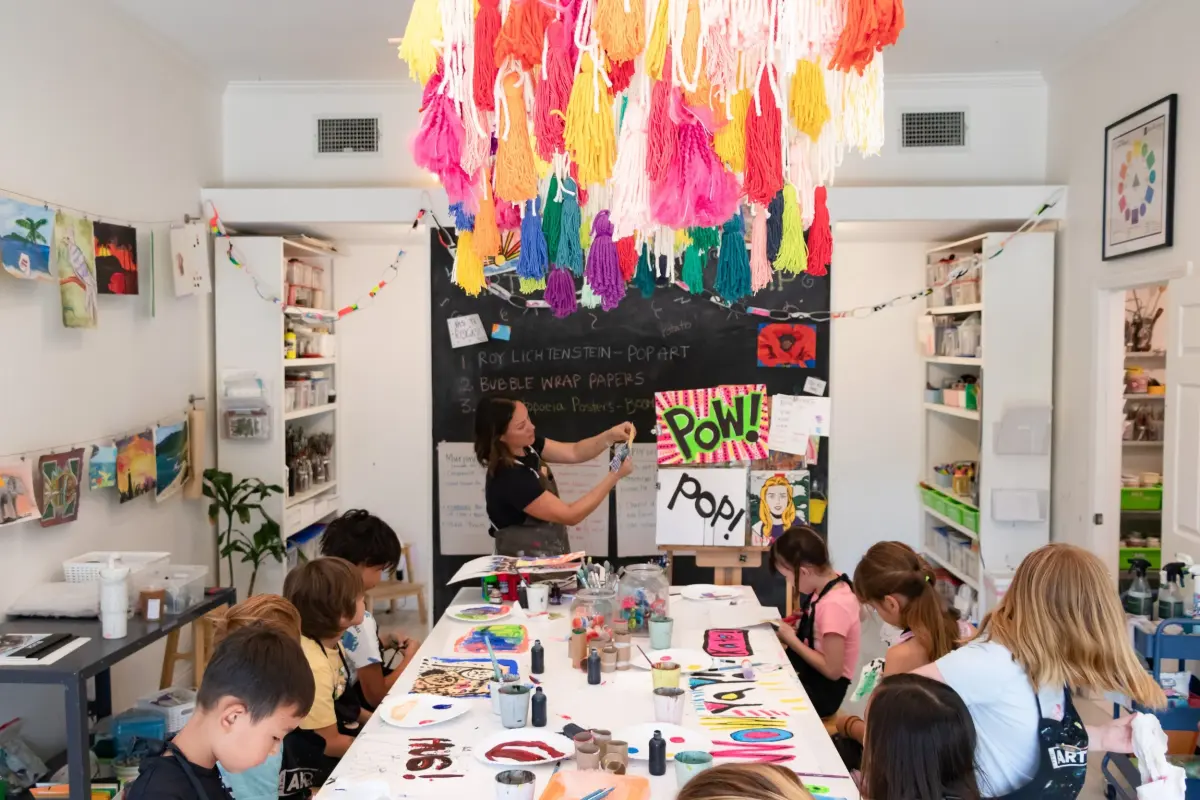
Summer art camps offer a unique environment that balances structured learning with creative freedom. Unlike traditional classroom settings, these programs prioritize the process of creation over standardized testing, allowing students to experiment with new mediums such as ceramics, printmaking, or digital illustration. This hands-on approach helps participants develop fine motor skills, critical thinking, and the confidence to express complex ideas visually.
Beyond technical growth, these camps serve as vital social hubs. Students collaborate on group murals, participate in critiques, and share feedback, which fosters a sense of community among peers with similar interests. For many young artists, this environment is the first time they are surrounded by others who value creative expression, which can be profoundly validating. The immersive nature of these programs—often lasting several hours a day—allows students to enter a "flow state," deepening their focus and dedication to their craft in a way that weekly after-school lessons cannot replicate.
How to choose the right art camp
Selecting an appropriate program requires assessing the participant's skill level, interests, and the camp’s pedagogical focus. Some programs are intensive and portfolio-driven, aimed at high school students preparing for college applications, while others are recreational and process-oriented for younger children. It is essential to review the curriculum to ensure it aligns with the student’s goals.
Consider these factors when evaluating potential programs:
- Instructor qualifications: Look for programs led by practicing artists or certified art educators.
- Student-to-teacher ratio: A lower ratio ensures personalized guidance, especially in complex mediums like metalwork or oil painting.
- Facility quality: Verify that the studio space is well-ventilated and equipped with professional-grade tools.
- Portfolio requirements: Determine if the camp is designed for beginners or requires a pre-existing body of work for admission.
- Duration and schedule: Decide if a half-day, full-day, or residential overnight experience best fits the student’s needs and maturity level.
What to expect during a typical day
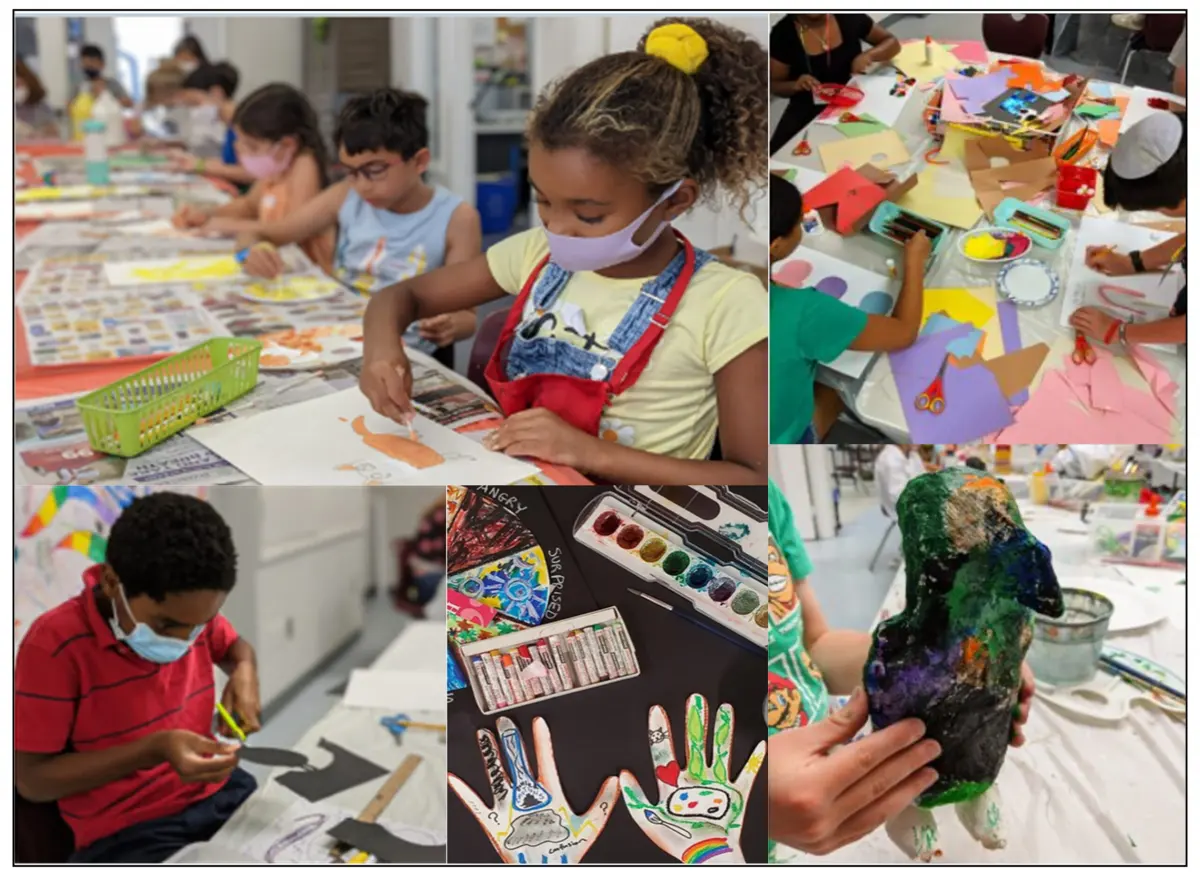
A typical day at an art camp is designed to mimic the rhythm of a professional studio. The morning often begins with a warm-up exercise or a brief lecture on art history, providing context for the day’s project. This is followed by a long block of studio time where students engage in hands-on work, moving through stages of sketching, drafting, and final execution.
Most programs structure their day to maximize productivity while preventing burnout:
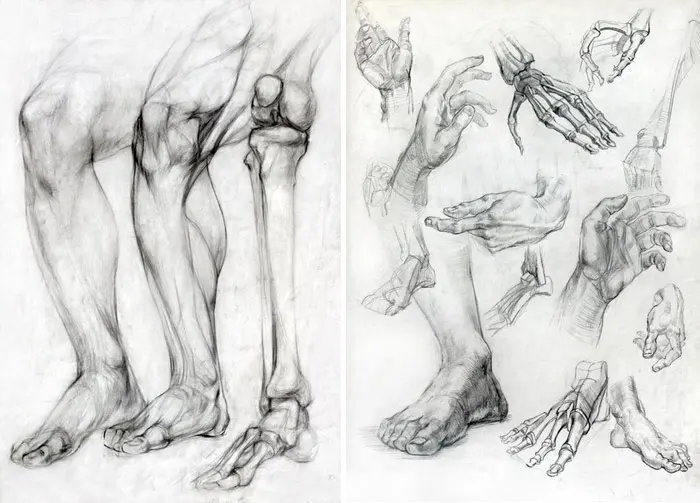
- Morning warm-up: Quick gesture drawing or color theory exercises to prime the mind.
- Skill-building session: Direct instruction on specific techniques, such as glazing or perspective drawing.
- Independent studio time: Students work on individual projects with instructor supervision.
- Mid-day break: Social time or outdoor activity to recharge creative energy.
- Afternoon critique: A group session where students discuss their progress and offer constructive feedback.
- Cleanup and reflection: Learning to maintain a studio space is a core component of the artistic discipline.
Common mistakes when selecting a camp
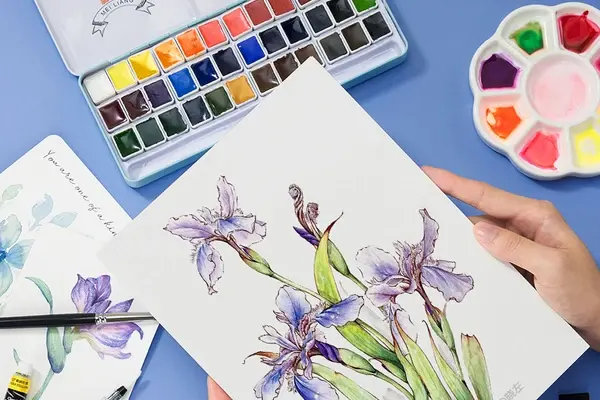
One of the most frequent errors is choosing a program based solely on prestige or location without considering the specific medium being taught. A student interested in digital animation will gain little from a program focused exclusively on traditional watercolor techniques. It is also common for parents to over-schedule their children, leading to fatigue that stifles the very creativity the camp aims to foster.
Another mistake is failing to inquire about the inclusion of safety protocols, particularly when working with kilns, chemical solvents, or power tools. Always ask for a list of materials used and confirm that the facility follows standard safety regulations. Furthermore, avoid assuming that all "art camps" are equal in quality; some are merely childcare services with art supplies, while others are rigorous educational institutions. Always request a syllabus or a gallery of past student work to gauge the program's actual depth and the expected outcomes for the participants involved.
How to prepare for an art camp
Preparation is key to getting the most out of an intensive creative experience. Before the first day, encourage the student to compile a "sketchbook of ideas" containing images, notes, or concepts they wish to explore. This proactive step helps students hit the ground running, preventing the "blank page" syndrome that can occur when starting a new project in an unfamiliar environment.
Ensure the student has the necessary supplies, though many camps provide these. If the camp requires students to bring their own tools, label everything clearly with a permanent marker. Physically preparing for the camp also involves setting expectations; remind the student that art is an iterative process and that making mistakes is a fundamental part of learning. By framing the experience as a journey of discovery rather than a quest for perfection, you help the student remain open to experimentation and growth throughout the duration of the program.
Key facts
- Summer art camps are structured programs, typically lasting one to two weeks, that focus on creative disciplines like painting, sculpture, digital design, or theater.
- Most programs cater to specific age groups, ranging from early childhood development classes to intensive pre-college portfolios for high school students.
- Costs vary widely, ranging from $150 per week for community-run programs to over $2,000 for residential camps at prestigious art universities.
- Many camps culminate in a public exhibition or showcase, allowing students to present their completed works to family and friends.
- When choosing a camp, prioritize programs that maintain a student-to-instructor ratio of no more than 10:1 to ensure personalized technical guidance.
- Avoid the common mistake of selecting a camp based solely on prestige; instead, match the curriculum to the student’s specific interest, such as animation or ceramics.
The bottom line
Summer art camps provide an immersive environment for students to explore their creativity, learn new technical skills, and build confidence through artistic expression. By selecting a program that aligns with a child's specific interests and developmental stage, parents can foster a lifelong appreciation for the arts. Whether for fun or professional preparation, these camps offer structured, hands-on experiences that are rarely available in traditional classrooms.
People also ask
Do children need prior art experience to attend a summer camp?
Most summer art camps are designed to be inclusive and welcome beginners alongside experienced students. Instructors usually adapt projects to accommodate varying skill levels within the same group.
What supplies are typically included in the tuition fee?
Standard supplies like paper, paints, brushes, and clay are usually covered by the registration fee. However, some specialized digital camps may require students to bring their own laptops or tablets.
How do I determine if a camp is reputable?
Look for programs affiliated with accredited museums, universities, or long-standing community arts centers. Checking for testimonials or asking to see a sample curriculum can also verify the quality of instruction.
Are there half-day and full-day options available?
Yes, many organizations offer flexible scheduling to accommodate working parents. Half-day camps often focus on a single medium, while full-day sessions may incorporate multiple art forms or outdoor play.
Can these camps help students build a college portfolio?
Specialized "pre-college" intensives are specifically designed to help students refine their techniques and curate a professional portfolio. These programs often provide feedback from admissions counselors or working artists.
What happens if a child is not interested in the specific medium offered?
Many camps offer "multi-media" sessions that allow students to rotate through different disciplines. If a child is hesitant, look for these broader programs to help them discover their preferred creative outlet.
This answer was created with the help of AI research tools and reference sources. Spotted an error? Let us know — we correct mistakes quickly. See our editorial policy.