What is a softbox?
Short answer
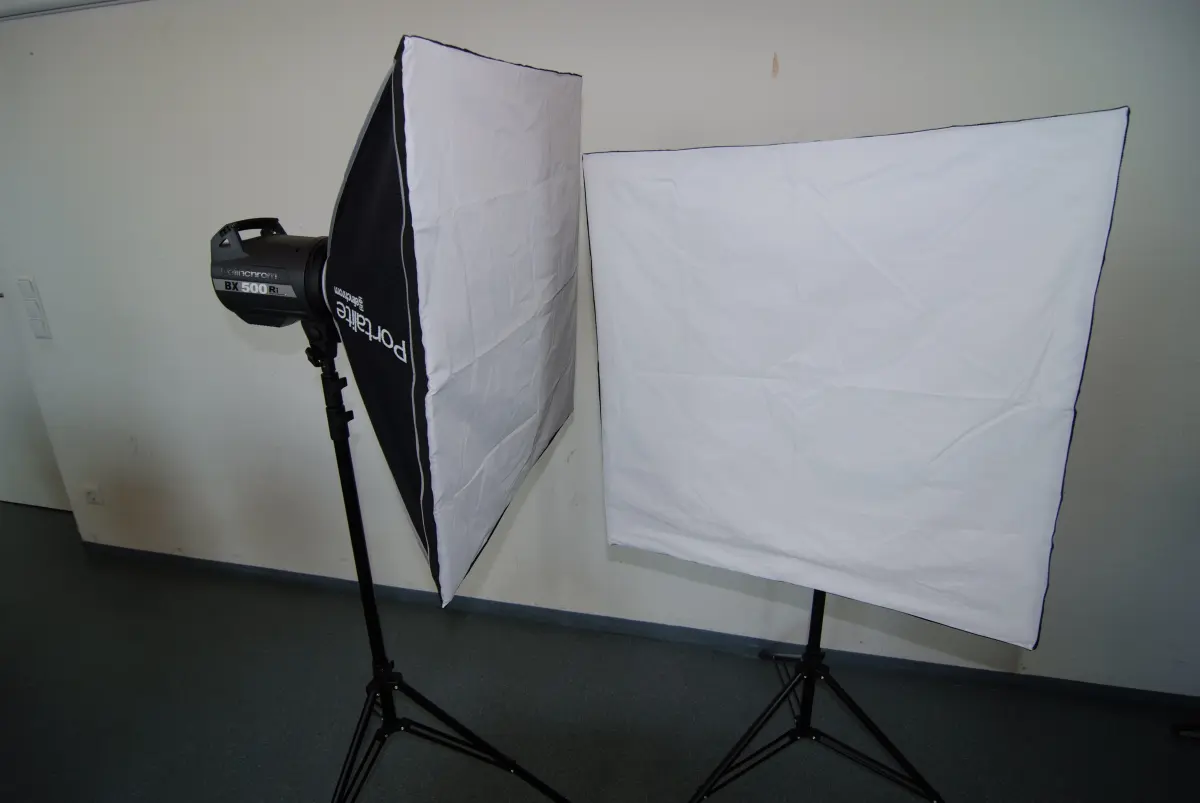
A softbox is a lighting modifier used in photography and videography to create soft, diffused light. It consists of a reflective interior enclosure, a translucent front diffusion panel, and a light source. By enlarging the light source, it minimizes harsh shadows and produces flattering illumination for portraits, products, and cinematic scenes.
On this page
How does a softbox work?
A softbox functions by directing light from a bulb or flash through a series of reflective surfaces and diffusion layers. The interior of the box is usually lined with a silver, heat-resistant fabric that bounces light forward, while the front panel—often made of white nylon—acts as a filter. This process increases the surface area of the light source, which is the primary factor in determining the quality of shadows.
When light hits a small source, like an bare flash, it creates sharp, high-contrast transitions between light and dark areas. By passing that same light through a softbox, the rays are scattered in multiple directions before hitting the subject. This results in a "wrap-around" effect where shadows appear soft and gradual rather than abrupt. The size of the softbox is critical; larger units produce softer light because they create a broader light source relative to the subject.
What are the different types of softboxes?
Softboxes come in various shapes and sizes, each designed to achieve a specific aesthetic effect. The most common shapes include rectangular, square, octagonal, and strip boxes. Each shape influences the catchlight—the reflection of the light source seen in a subject's eyes—and the way light falls across a scene.
- Rectangular: Versatile for general portraiture and standard studio setups.
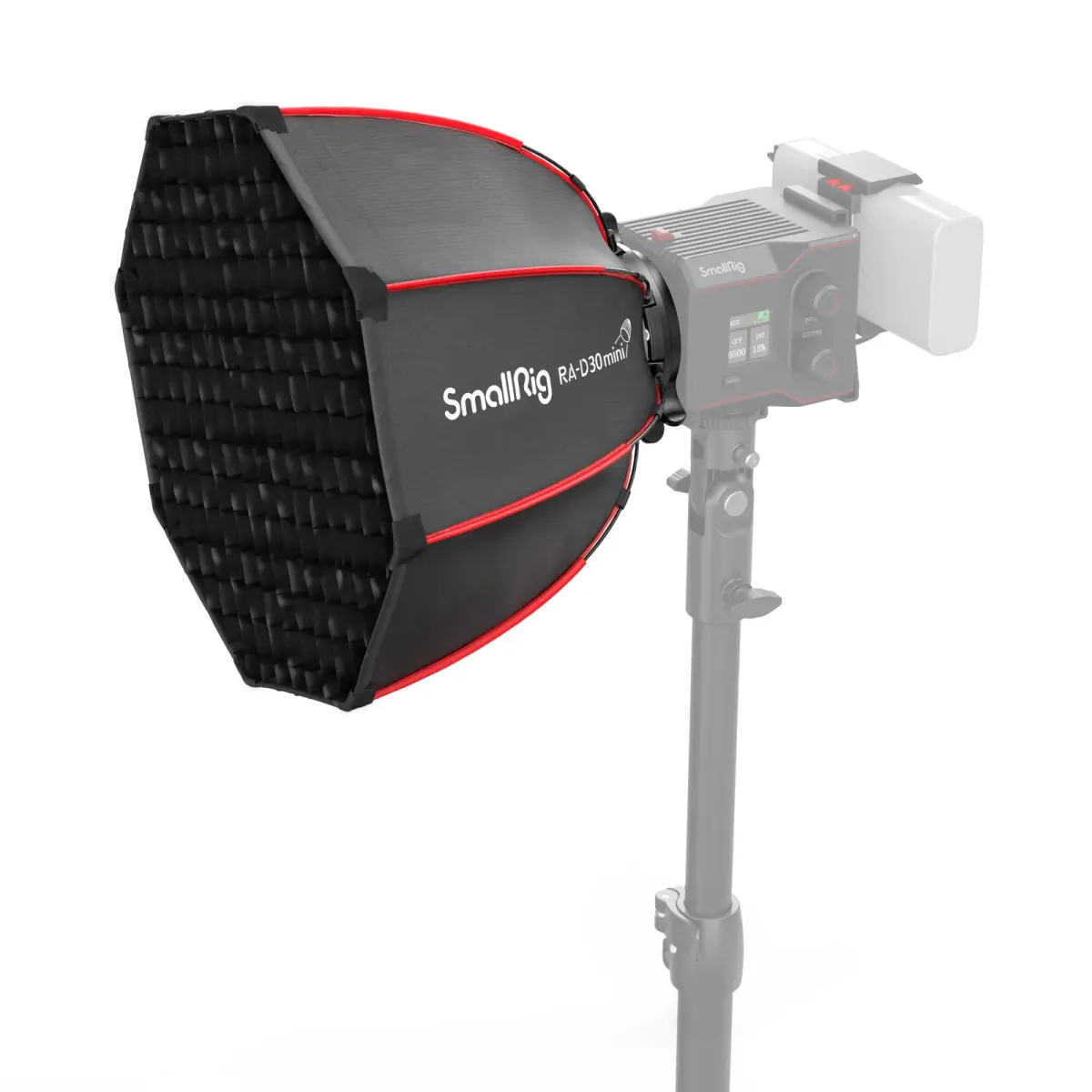
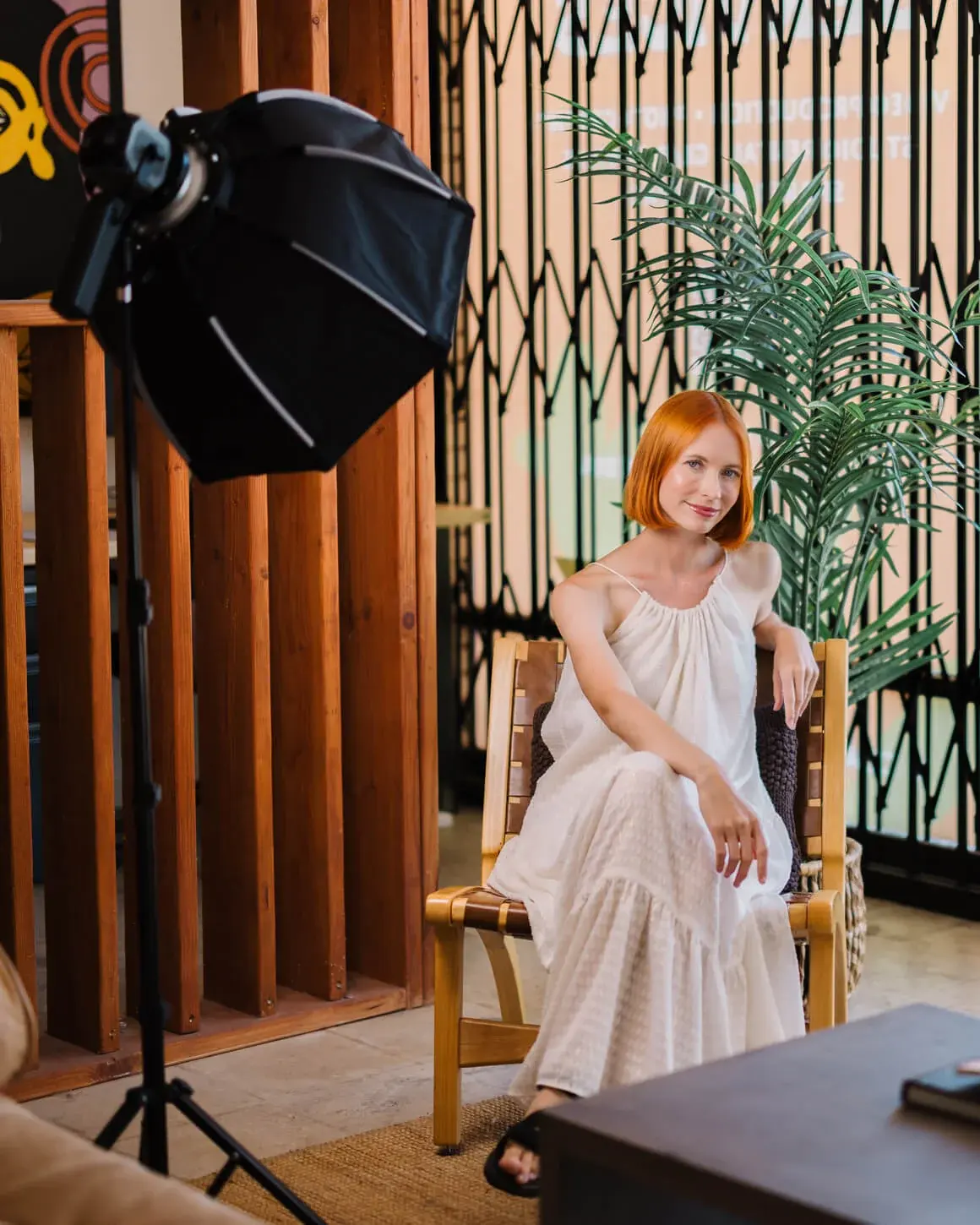
- Octagonal: Often called "octaboxes," these create natural, round catchlights that mimic the sun.
- Strip: Long and narrow, these are ideal for edge lighting or highlighting the contours of a product.
- Lantern: Spherical softboxes that provide 360-degree illumination, perfect for lighting an entire room evenly.
Choosing the right shape depends on your specific goals. For instance, a strip box is excellent for creating a dramatic rim light on a model's hair, while a large octabox is the industry standard for soft, flattering beauty lighting.
How to set up a softbox for a photoshoot
Assembling a softbox requires care to ensure the fabric is taut and the light head is securely mounted. Most modern softboxes use a "speed ring" system that allows you to attach the modifier directly to your strobe or continuous light. Follow these steps to ensure a professional setup:
- Attach the speed ring to your light fixture and lock it into place.
- Insert the support rods into the speed ring, then tension them into the corners of the softbox fabric.
- Once the frame is rigid, attach the inner and outer diffusion panels using the integrated hook-and-loop fasteners.
- Mount the entire assembly onto a sturdy C-stand or light stand, ensuring the weight is balanced.
Always double-check that your light source is not touching the fabric if you are using hot, high-wattage bulbs. Modern LED lights are generally cool to the touch and pose little fire risk, but older tungsten lights can scorch or melt synthetic materials if placed too close.
Common mistakes when using softboxes
Even experienced photographers occasionally fall into traps that compromise image quality. One of the most frequent errors is placing the softbox too far from the subject. As the distance increases, the light source effectively becomes smaller, causing shadows to harden and the light to lose its soft, wrapping quality. Keep the modifier as close to the subject as possible without it appearing in the camera frame.
Another common mistake is neglecting the use of a grid. A fabric grid, or "honeycomb," attaches to the front of the softbox to restrict the light's beam angle. Without a grid, light spills everywhere, which can wash out your background or cause unwanted lens flare. Using a grid allows you to direct light precisely onto your subject while keeping the rest of the room dark, providing much greater control over the overall mood of the photograph.
Why use a softbox instead of an umbrella?
While both umbrellas and softboxes are used for diffusion, they serve different purposes. Umbrellas are generally faster to set up and more portable, making them popular for event photography. However, umbrellas tend to spill light in many directions, making it difficult to control the spill. Softboxes offer a directional, controlled beam that is much easier to manage in a studio environment.
- Softboxes provide superior control over light spill, preventing unwanted reflections.
- Umbrellas are lighter and often cheaper, but they lack the internal reflection efficiency of a softbox.
- Softboxes allow for the addition of grids and barn doors to further shape the light.
If you are shooting in a small room or a home studio, a softbox is almost always the better choice because it keeps the light contained. By choosing a softbox, you gain the ability to sculpt light with precision, which is essential for professional-grade results in both still photography and video production.
Key facts
- A softbox is a lighting modifier that encloses a light source within a reflective, box-shaped housing to produce soft, diffused light.
- The interior is typically lined with silver or white reflective material to maximize output and bounce light toward the front.
- A translucent diffusion panel covers the front opening, which softens shadows and reduces harsh highlights on subjects.
- Softboxes are essential in portrait photography and videography because they mimic the natural, flattering light of a window.
- The size of the softbox determines the softness of the light; larger boxes create softer transitions between highlights and shadows.
- To assemble, attach the speed ring to the light, insert the support rods into the fabric shell, and secure the diffusion front.
The bottom line
A softbox is an indispensable tool for photographers seeking to transform harsh, artificial light into a gentle, professional glow. By diffusing light through a reflective chamber and a front panel, it creates flattering shadows and natural highlights. Understanding the relationship between size, distance, and shape allows you to master studio lighting, ensuring your subjects look their best in both still photography and cinematic video projects.
People also ask
What is the difference between a softbox and an umbrella?
An umbrella is faster to set up but spills light in many directions, whereas a softbox provides directional control. Softboxes are generally preferred for portraiture because they allow for more precise shaping of light.
Do I need a grid for my softbox?
A grid, or honeycomb, attaches to the front of a softbox to narrow the beam of light and prevent it from spilling onto the background. It is highly recommended if you want to keep your subject lit without illuminating the entire room.
Can softboxes be used with continuous lights and flashes?
Yes, softboxes are compatible with both LED continuous lights and camera strobes. You must ensure your softbox has the correct mounting bracket, such as a Bowens mount, to match your specific light fixture.
How does the shape of a softbox affect the light?
Square and rectangular softboxes are standard for general use, while octaboxes create round catchlights in the eyes. Long, thin strip boxes are specifically designed to create rim lighting or highlight the contours of a subject's body.
What is the most common mistake when using a softbox?
The most common error is placing the softbox too far from the subject. The closer the softbox is to the subject, the softer the light quality becomes, as the light source effectively appears larger relative to the subject.
How do I choose the right size softbox?
Choose a size based on your subject; a small softbox is sufficient for a headshot, but a full-body portrait requires a large softbox or a tall strip box. Larger light sources generally produce more flattering, wrap-around light for people.
This answer was created with the help of AI research tools and reference sources. Spotted an error? Let us know — we correct mistakes quickly. See our editorial policy.