What is hot press watercolor paper?
Short answer
Hot press watercolor paper is a professional-grade art surface pressed between heated metal rollers during manufacturing. This process creates an exceptionally smooth, hard finish with no visible texture. It is ideal for artists who prioritize fine detail, intricate pen work, or graphic illustrations, as the slick surface allows for precise control of media.
On this page
What is hot press watercolor paper?
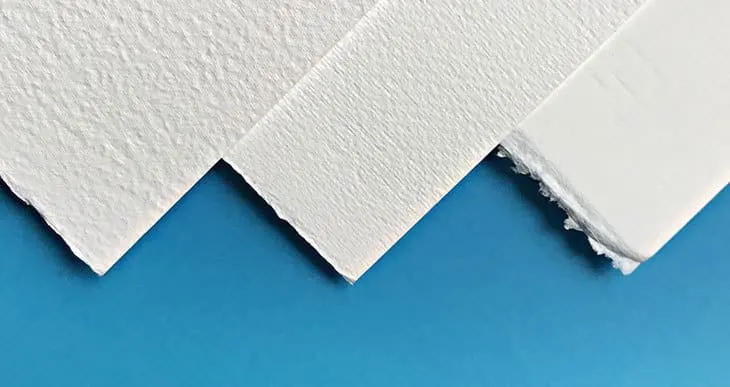
Hot press paper earns its name from the manufacturing process, where large, heated metal rollers flatten the paper fibers. Unlike cold press paper, which is air-dried to retain a bumpy "tooth," or rough paper, which is left textured, hot press is finished under high pressure and heat. This creates a surface that is essentially flat and non-porous, resembling a high-quality drawing board or cardstock.
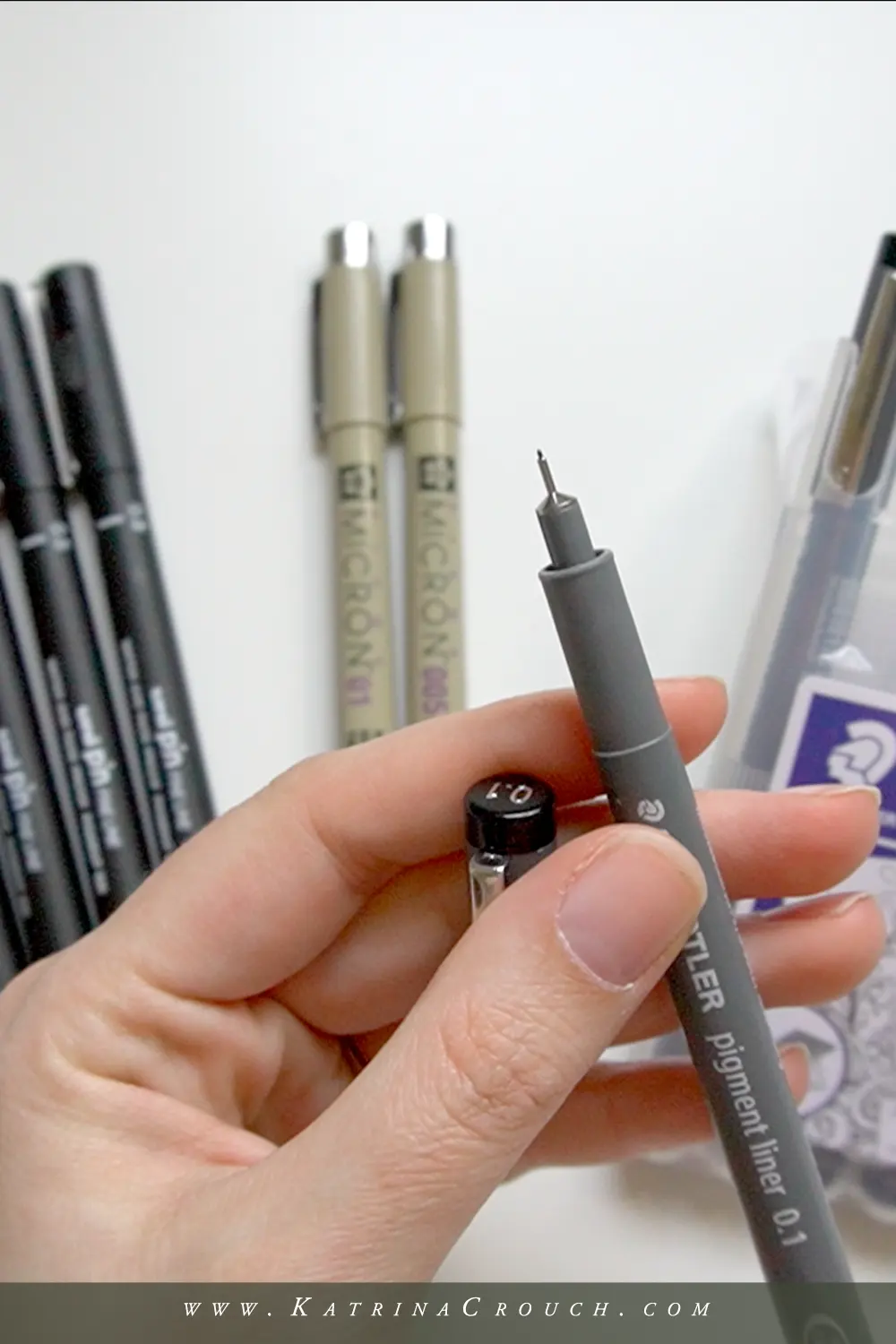
Because the surface is so smooth, pigments sit on top of the paper rather than sinking into deep crevices. This characteristic makes it the preferred choice for artists who work with mixed media, such as combining watercolor with ink pens, markers, or colored pencils. The lack of texture means that pens will not skip or snag, allowing for sharp, crisp lines that are difficult to achieve on more textured surfaces.
Why use hot press paper for watercolors?
The primary advantage of using hot press paper is the ability to achieve extreme detail. Because the surface is not absorbent in the same way as rougher papers, paint tends to stay wet longer and can be manipulated with more precision. This allows for smooth, flat washes of color and intricate brushwork that would be lost in the deep valleys of a cold press sheet.
Artists often choose this paper for specific styles, including:
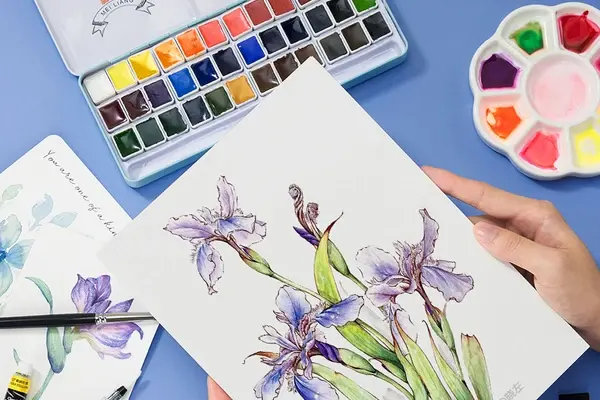
- Botanical illustration requiring fine vein details.
- Architectural renderings with sharp, geometric lines.
- Portraiture where smooth skin gradients are essential.
- Mixed media projects involving fine-liner pens or calligraphy.
While it is excellent for detail, the surface can be unforgiving. Because the paint does not soak into the fibers as quickly, it is easier to lift or smudge the color if you are not careful with your hand placement.
How to choose the right watercolor paper
When purchasing hot press paper, you must consider weight and material composition. Most professional-grade watercolor paper is made from 100% cotton, which provides the best archival quality and durability. Wood pulp or cellulose papers are cheaper but often buckle under heavy water application and may yellow over time.
Consider these standard weight categories when shopping:
- 90lb (190gsm): Lightweight; requires stretching to prevent warping.
- 140lb (300gsm): The industry standard; sturdy enough for most watercolor techniques.
- 300lb (640gsm): Heavyweight; can handle significant water without needing to be stretched.
Always check the packaging for the term "hot press" or "HP." Some brands use the French term "Satiné" or the Italian "Liscia" to indicate this smooth finish. Ensure the paper is acid-free and buffered to prevent long-term degradation of your artwork.
Common mistakes when using hot press paper
The most frequent error beginners make is treating hot press paper exactly like cold press. Because the surface is so smooth, it does not "grab" the paint as effectively. If you apply too much water, the pigment will pool and create unwanted blooms or "cauliflower" effects. You must manage your water-to-pigment ratio more strictly than you would on a textured surface.
Avoid these common pitfalls to improve your results:
- Overworking the surface: The sizing can break down, leading to pilling.
- Using too much water: This causes the paint to bead up on the slick surface.
- Improper taping: The smooth surface can sometimes cause masking tape to pull up the paper fibers if not removed carefully.
- Rushing the drying process: Because the paint sits on the surface, it takes longer to dry completely than on absorbent, textured paper.
Best techniques for hot press paper
To master this surface, focus on layering rather than heavy, soaking washes. Use a "glazing" technique, where you apply thin, transparent layers of color, allowing each one to dry completely before adding the next. This builds depth and luminosity without overwhelming the paper's limited absorbency. If you need to lift color, do so gently with a damp brush or a clean paper towel while the paint is still slightly moist.
When working with ink, wait until the watercolor is bone-dry before applying your lines. Because the paper is so smooth, ink may take a few extra seconds to set, so keep a spare piece of paper under your hand to prevent smudging. By embracing the unique properties of the smooth surface, you can produce professional, clean, and highly detailed watercolor pieces that stand out for their clarity and precision.
Key facts
- Hot press paper is passed through heated metal rollers during manufacturing to create a smooth, flat surface.
- The lack of texture makes it the ideal choice for artists who prioritize fine detail, intricate linework, and precision.
- Because the surface is non-absorbent, paint sits on top of the paper longer, allowing for easier lifting and corrections.
- It is available in various weights, with 140lb (300gsm) being the standard professional thickness for most watercolor applications.
- Watercolor washes on hot press paper can result in uneven "cauliflower" blooms if too much water is applied at once.
- Always test your specific brand of paper, as sizing—the internal coating that controls absorbency—varies significantly between manufacturers like Arches, Fabriano, and Saunders Waterford.
The bottom line
Hot press watercolor paper is a specialized substrate defined by its smooth, heat-pressed finish. It is the premier choice for artists focused on high-detail illustration, botanical painting, or mixed-media projects involving ink and fine lines. While it requires a more disciplined approach to water control than textured alternatives, its ability to render crisp edges and vibrant, saturated colors makes it an essential tool for precise artistic expression.
People also ask
How does hot press paper differ from cold press paper?
Cold press paper is pressed without heat and retains a textured, bumpy surface that helps catch pigment. Hot press is smooth and flat, making it better for detailed pen-and-ink work combined with watercolor.
Is hot press paper suitable for beginners?
It can be challenging for beginners because the smooth surface makes it harder to control paint flow and water movement. Most instructors recommend starting with cold press paper to learn how to manage pigment dispersion.
Can I use colored pencils or ink on hot press watercolor paper?
Yes, its smooth finish is excellent for mixed media, colored pencils, and technical pens. These tools glide easily across the surface without snagging or wearing down pen nibs.
What is the best way to prevent paint from streaking on this paper?
Use a slightly drier brush and apply paint in thin, controlled layers rather than heavy, watery washes. Because the paper is less absorbent, you must manage your water-to-pigment ratio carefully to avoid puddling.
Does hot press paper come in different materials?
Yes, it is commonly made from 100% cotton, which is archival and durable, or wood pulp, which is more affordable but prone to yellowing over time. Cotton paper is generally preferred for professional work.
Why does my paint look different on hot press paper compared to cold press?
The lack of texture means light reflects more evenly off the surface, making colors appear more vibrant and intense. However, you lose the subtle tonal variations created by the small "valleys" found in textured papers.
This answer was created with the help of AI research tools and reference sources. Spotted an error? Let us know — we correct mistakes quickly. See our editorial policy.