What are good hobbies for adults?
Short answer
Engaging in hobbies provides essential mental stimulation, stress relief, and opportunities for personal growth. The best pursuits balance physical activity, creative expression, and intellectual challenge. Whether you prefer solitary crafts like gardening or social activities like team sports, the most effective hobbies are those that offer consistent progress and genuine enjoyment.
On this page
How to choose the right hobby for your lifestyle
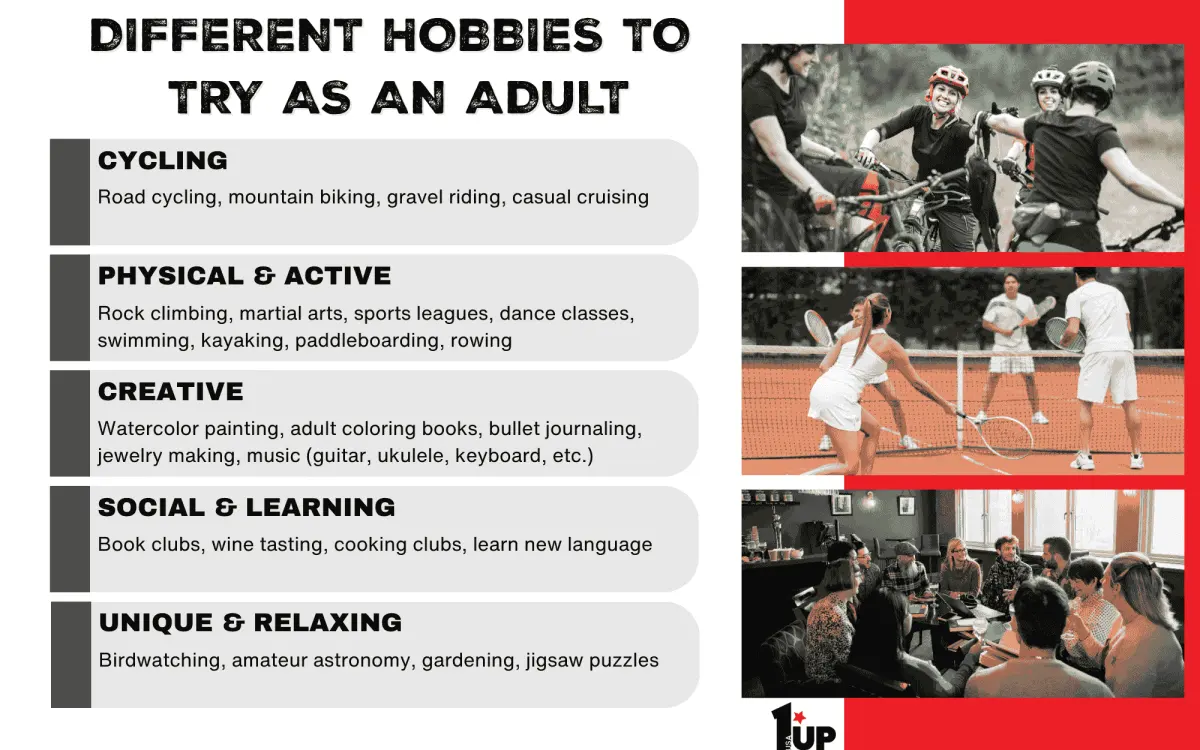
Selecting a hobby begins with identifying your primary goal, whether it is relaxation, skill acquisition, or social interaction. If you feel mentally drained after work, a low-intensity activity like watercolor painting or reading may provide the necessary restoration. Conversely, if your daily routine is sedentary, choosing an active pursuit such as hiking, cycling, or ballroom dancing can improve cardiovascular health and boost energy levels. Consider your available time and budget, as some hobbies require significant upfront investment in equipment or recurring costs for classes.
To narrow down your options, reflect on activities you enjoyed as a child or subjects you have always wanted to explore. Often, the best hobbies are those that induce a "flow state," a psychological condition where you become completely immersed in a task. You can test your interest by renting equipment or taking a single introductory workshop before committing to long-term supplies. The following questions can help guide your decision:
- Does this activity allow for measurable progress over time?
- Can I realistically dedicate at least two hours per week to this?
- Does this hobby provide a sense of accomplishment or social connection?
Best creative hobbies for beginners
Creative hobbies offer a productive outlet for self-expression and are proven to lower cortisol levels. Photography is an excellent entry point, as modern smartphones possess high-quality cameras that allow you to learn composition and lighting without expensive gear. If you prefer tactile experiences, pottery or woodworking provides a tangible result that can be used in daily life. Writing, whether through journaling, poetry, or blogging, requires minimal equipment and serves as a powerful tool for processing complex emotions and improving communication skills.
For those interested in starting a creative practice, follow these steps to ensure consistency:
- Designate a specific workspace or "creative corner" in your home to minimize setup time.
- Set a small, achievable goal, such as writing one paragraph or sketching for ten minutes daily.
- Join a local or online community to share your work and receive constructive feedback.
- Document your progress by keeping a portfolio or a digital gallery of your completed projects.
Why hobbies improve mental health
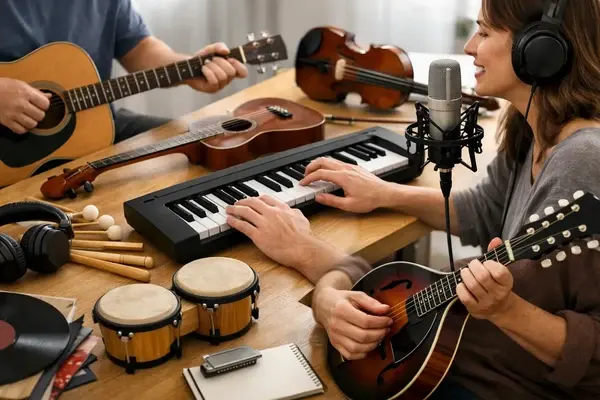
Engaging in structured leisure activities provides a necessary buffer against the stressors of professional and personal life. Psychologists note that hobbies provide a sense of agency and mastery, which are critical components of psychological well-being. When you focus on a specific task, such as learning a musical instrument or mastering a new language, you activate the brain's reward system, releasing dopamine. This cognitive engagement can prevent burnout and improve focus in other areas of your life, including your career and relationships.
Furthermore, hobbies that involve nature, such as gardening or birdwatching, have been linked to significant reductions in anxiety. Exposure to green spaces and the rhythmic nature of planting or observing wildlife helps ground the nervous system. Even 30 minutes of engagement with a hobby can shift your perspective, providing a mental "reset" that makes daily challenges feel more manageable. By prioritizing leisure, you are not being unproductive; you are actively maintaining the cognitive and emotional infrastructure required for long-term health and sustained productivity.
Common mistakes when starting a new hobby
The most frequent error beginners make is over-investing in high-end equipment before establishing a consistent habit. It is common to purchase expensive gear—such as professional-grade cameras, high-end mountain bikes, or elaborate baking kits—only to find that the activity does not suit your temperament. Start with basic, affordable tools to ensure the activity is truly enjoyable before upgrading. Another mistake is setting unrealistic expectations for your performance. Many adults abandon hobbies because they compare their initial efforts to the work of experts who have spent years practicing.
Avoid these common pitfalls to maintain your interest:
- Comparing your "Day 1" progress to someone else’s "Year 10" outcome.
- Neglecting to schedule time for your hobby, treating it as something to do only "if there is time left over."
- Focusing solely on the end product rather than the process of learning and discovery.
- Over-scheduling yourself by trying to learn multiple complex skills simultaneously.
How long does it take to get good at a hobby
The time required to reach proficiency varies significantly based on the complexity of the skill and the intensity of your practice. Generally, the "20-hour rule" suggests that you can become reasonably competent in a new skill within 20 hours of focused, deliberate practice. This does not mean you will be an expert, but you will have moved past the initial frustration of being a complete novice. For physical hobbies like rock climbing or tennis, progress is often tied to muscle memory and physical conditioning, which may take several months of consistent weekly training.
Intellectual hobbies, such as learning a foreign language or coding, require a different approach involving spaced repetition and active recall. You should expect a plateau phase where progress seems to stall; this is a normal part of the learning curve. To overcome these plateaus, try changing your routine, seeking a mentor, or teaching what you have learned to someone else. Remember that the value of a hobby lies in the ongoing journey of improvement rather than reaching a final destination. By maintaining a curious mindset, you ensure that your chosen hobby remains a source of lifelong enrichment and personal satisfaction.
Key facts
- Engaging in hobbies can lower cortisol levels, a primary stress hormone, by up to 25% after just 45 minutes of creative activity.
- Learning a new language or musical instrument increases neuroplasticity, which helps maintain cognitive function as you age.
- Gardening provides moderate physical exercise, burning approximately 200 to 400 calories per hour depending on the intensity of the tasks.
- Group-based hobbies, such as book clubs or sports leagues, significantly reduce feelings of social isolation and improve emotional well-being.
- To avoid burnout, start with a "15-minute rule" where you commit to your new hobby for only 15 minutes a day to build a sustainable habit.
- A common mistake is buying expensive equipment before mastering the basics; rent or borrow gear first to ensure you actually enjoy the activity.
The bottom line
Choosing the right hobby is a personal journey that balances your interests with your lifestyle. Whether you seek physical health, mental stimulation, or social connection, the key is to start small and remain consistent. By avoiding the trap of over-investing early and focusing on the joy of the process rather than perfection, you can cultivate a rewarding practice that enhances your overall quality of life.
People also ask
How do I find a hobby that fits my busy schedule?
Look for "micro-hobbies" that can be done in 10 to 20-minute increments, such as sketching, mobile photography, or learning vocabulary on a language app. Consistency is more important than duration, so choose something you can easily pick up and put down.
Is it too late to start a hobby as an adult?
No, the brain remains capable of learning new skills throughout your entire life. Many adults find that they have more patience and focus for learning than they did as children, which often leads to faster progress.
How can I make my hobby more social?
Join local meetups, online forums, or community classes dedicated to your interest. Platforms like Meetup or local community center bulletin boards are excellent resources for finding groups that share your specific passion.
What are the best low-cost hobbies to start?
Reading, hiking, creative writing, and bodyweight fitness require almost no financial investment. You can access free resources for these through public libraries, local parks, and free online tutorials.
Should I turn my hobby into a side hustle?
Proceed with caution, as monetizing a hobby can sometimes strip away the joy and relaxation it provides. Keep your hobby as a personal outlet unless you are truly prepared to handle the pressures of deadlines and customer expectations.
How do I know if I have chosen the right hobby?
If you find yourself losing track of time while performing the activity—a state often called "flow"—you have likely found a good match. If you feel dread or excessive frustration, it is perfectly acceptable to pivot and try something else.
This answer was created with the help of AI research tools and reference sources. Spotted an error? Let us know — we correct mistakes quickly. See our editorial policy.