What is whittling?
Short answer
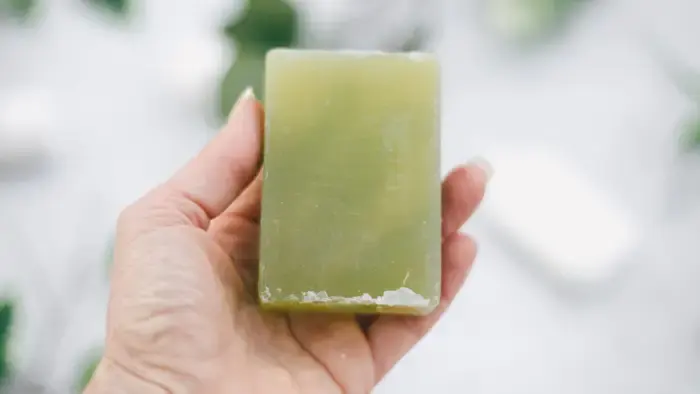
Whittling is the craft of shaping wood into decorative or functional objects using only a handheld knife. Unlike elaborate wood carving, which often employs gouges, mallets, and chisels, whittling relies on the simplicity of a single blade. It is a portable, meditative hobby that transforms raw sticks into figures, utensils, or geometric patterns.
On this page
What tools do I need to start whittling?
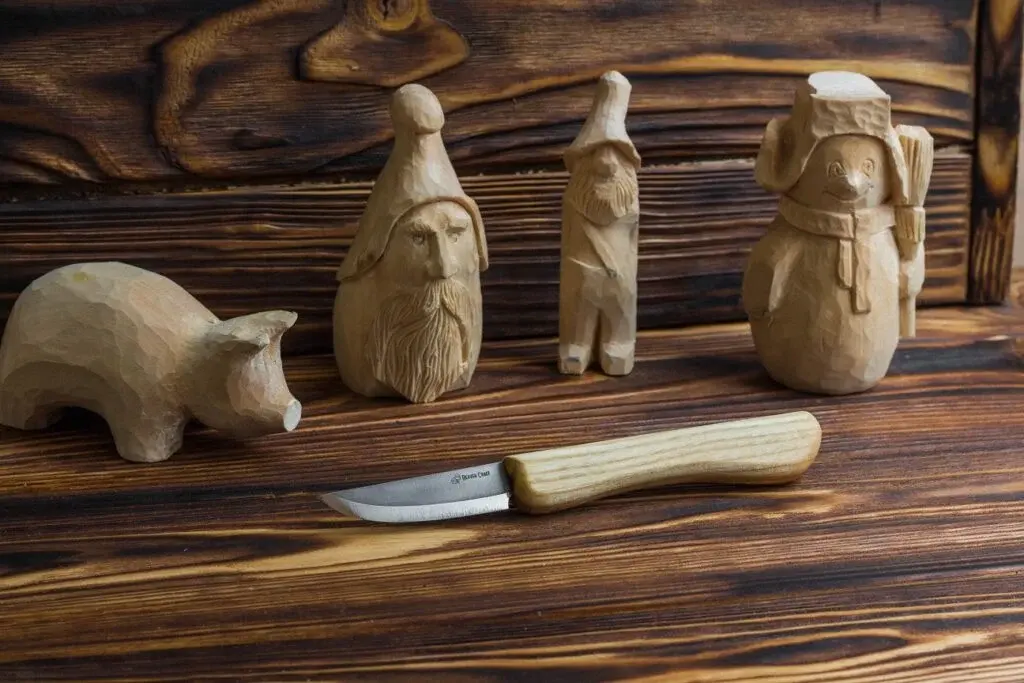
The beauty of whittling lies in its minimalist requirements. You do not need a fully equipped workshop to begin; a single high-quality whittling knife is sufficient. These knives typically feature a short, fixed blade—usually between 1.5 and 2 inches long—made of high-carbon steel, which holds a sharp edge longer than stainless steel.
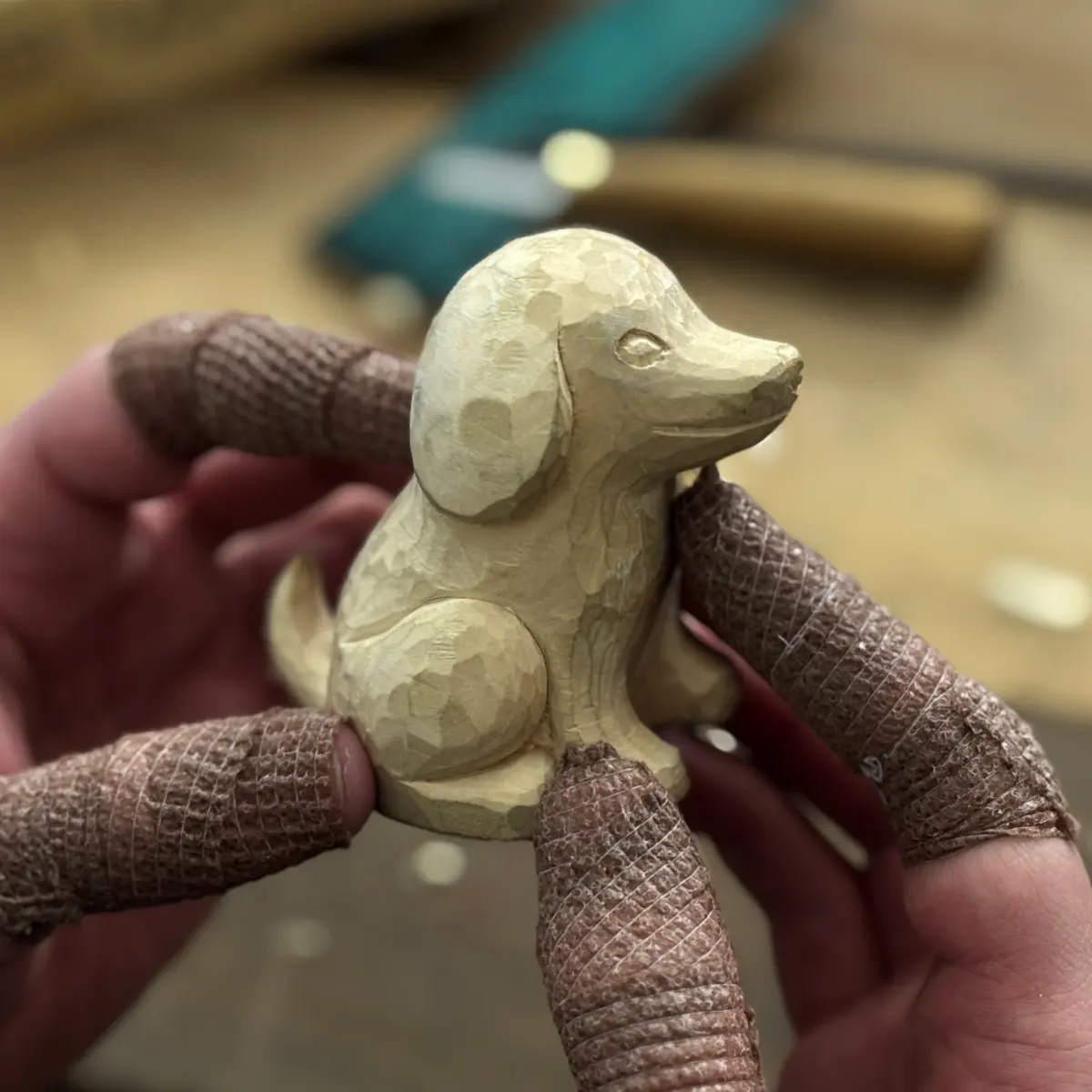
In addition to a knife, you should invest in safety gear to protect your hands. A cut-resistant glove is essential for your non-dominant hand, as it prevents accidental lacerations during slips. You may also consider a thumb guard for extra protection. Beginners often find that a small sharpening stone or a leather strop with honing compound is necessary to keep the blade razor-sharp, as a dull knife is significantly more dangerous than a sharp one.
- A dedicated whittling knife with a comfortable handle.
- A cut-resistant glove (Level 5 rating is recommended).
- A sharpening stone or strop for blade maintenance.
- Softwood blocks, such as basswood, which are easy to carve.
Best wood for beginners to use
Choosing the right material is vital for a positive experience. Beginners should avoid hardwoods like oak or walnut, as they are dense and require significant physical force, which increases the likelihood of the knife slipping. Instead, look for softwoods that possess a consistent grain structure, allowing the blade to glide through the fibers with minimal resistance.
Basswood is widely considered the gold standard for whittling. It is light, pale in color, and possesses a very fine, tight grain that does not splinter easily. Balsa wood is another option, though it is often too soft and can crush under pressure. Pine is widely available but can be problematic due to hard knots and sticky resin that gums up a knife blade. Always ensure your wood is "green" or properly kiln-dried to avoid excessive cracking or hardness.
- Basswood: The ideal choice for beginners due to its softness and uniform grain.
- Butternut: Often called "white walnut," it is slightly harder than basswood but offers beautiful grain patterns.
- Cedar: Soft and fragrant, though it can be brittle and prone to splintering.
How to whittle safely for beginners
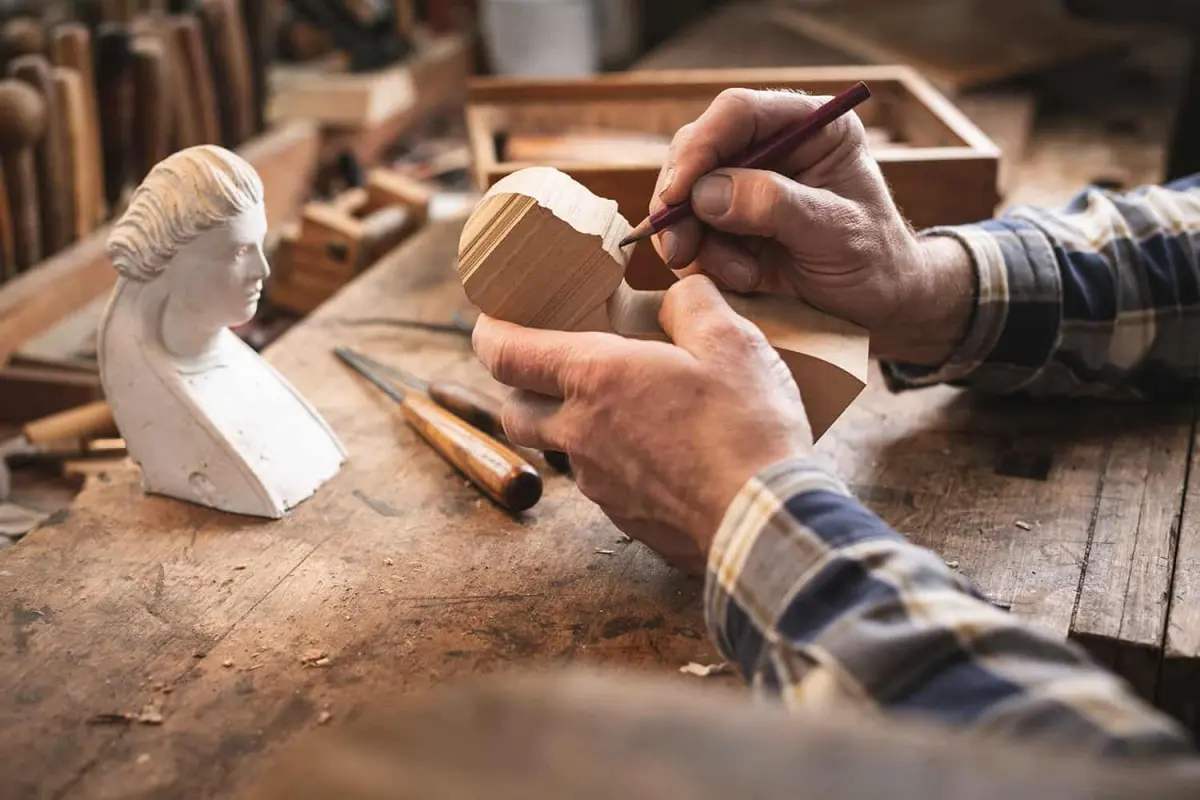
Safety must be the primary focus of every session. The most important rule is to always cut away from your body. Never pull the knife toward your fingers or your torso, as the wood can split unexpectedly, causing the blade to travel in an uncontrolled direction. Keep your workspace clear of debris, and ensure you are sitting in a well-lit area where you can focus entirely on your movements.
When you are not actively carving, keep your knife closed or sheathed. If you are carving a small piece, hold the wood firmly but do not grip it so tightly that your hand cramps. If you feel your hand becoming tired, take a break. Fatigue leads to sloppy technique, which is the leading cause of accidents. Always maintain a "blood bubble"—an imaginary zone of safety around you—to ensure no one else is within reach of your blade.
- Establish a stable, seated position with your feet flat on the floor.
- Hold the wood securely, keeping fingers away from the path of the blade.
- Use short, controlled strokes rather than long, forceful ones.
- Always keep your blade sharp, as dull blades require more force.
Common mistakes when whittling
One of the most frequent errors beginners make is trying to remove too much wood at once. Whittling is a process of refinement, not bulk removal. If you attempt to take deep, thick slices, the knife will likely get stuck or jump out of the wood, potentially damaging your project or your hands. Instead, take thin, shallow shavings to gradually reveal the shape you desire.
Another common mistake is neglecting blade maintenance. Many novices assume that a knife stays sharp indefinitely, but wood fibers quickly dull a steel edge. A dull knife forces you to press harder, which leads to loss of control. Furthermore, many beginners fail to understand grain direction. If you carve against the grain, the wood will tear and splinter, leaving a rough, uneven surface. Always observe the direction of the wood fibers and carve in a way that "smooths" the grain rather than lifting it.
- Taking excessively deep cuts that cause the knife to bind.
- Working with a dull blade that requires dangerous amounts of pressure.
- Forgetting to account for the grain direction, leading to unwanted splintering.
- Rushing the process and failing to visualize the final shape before cutting.
How long does it take to learn whittling?
Whittling is a skill that can be picked up in a single afternoon, but it takes years to master. Most beginners can complete a basic project, such as a simple wooden spoon or a stylized bird, within two to four hours of focused work. The initial learning curve involves developing "knife feel"—understanding how much pressure to apply and learning how the wood reacts to the blade at different angles.
As you progress, the time required for projects will vary based on complexity. A simple geometric shape might take thirty minutes, while a detailed caricature or a complex chain-link carving could take several days of intermittent work. Do not measure your success by speed. The true value of whittling is the patience it cultivates. Over time, you will develop the muscle memory to make precise, fluid cuts that require very little effort, allowing you to create increasingly intricate designs with confidence and ease.
Key facts
- Whittling is the art of shaping wood into decorative or functional objects using only a small handheld knife.
- Unlike wood carving, which often employs gouges, mallets, and chisels, whittling relies exclusively on a single blade.
- Basswood is the preferred material for beginners due to its soft, fine grain and resistance to splitting.
- Always cut away from your body to prevent injury, keeping your fingers behind the path of the blade.
- A fixed-blade knife with a short, sturdy handle provides better control than a folding pocketknife.
- Proper technique involves using short, shaving motions rather than deep, forceful gouges to remove material.
The bottom line
Whittling is a meditative and accessible craft that transforms simple wooden blocks into intricate figures or practical tools using only a knife. By selecting soft woods like basswood and prioritizing safety through proper cutting techniques, anyone can master this traditional skill. It requires patience, consistent blade maintenance, and a focus on incremental progress, ultimately offering a rewarding way to create handmade art with minimal equipment.
People also ask
What is the best wood for a beginner to use?
Basswood is widely considered the gold standard for beginners because it is soft, consistent in texture, and easy to carve. Other suitable options include balsa, pine, or cedar, though these may have more knots or irregular grain patterns.
Do I need to sharpen my whittling knife frequently?
Yes, a sharp knife is significantly safer than a dull one because it requires less force to cut through the wood. You should strop your blade on a piece of leather with honing compound after every hour of carving to maintain a keen edge.
What are the most common mistakes beginners make?
The most common error is trying to remove too much wood in a single stroke, which can lead to slips or splitting the grain. Beginners also often forget to wear a cut-resistant glove on their non-dominant hand, increasing the risk of accidental injury.
Is whittling the same thing as wood carving?
While the terms are often used interchangeably, whittling is technically a subset of wood carving. Whittling is defined by the use of a simple knife, whereas wood carving encompasses a broader range of tools like mallets, gouges, and power sanders.
Can I whittle with a standard pocketknife?
You can certainly use a pocketknife, but a dedicated whittling knife with a fixed blade is generally safer and more ergonomic. If you use a folding knife, ensure the locking mechanism is robust so the blade does not close on your fingers during use.
How do I finish a whittled piece?
After sanding the surface with fine-grit sandpaper, you can apply a finish to protect the wood and enhance its appearance. Common finishes include mineral oil for food-safe items, or beeswax and linseed oil for decorative carvings that require a natural sheen.
This answer was created with the help of AI research tools and reference sources. Spotted an error? Let us know — we correct mistakes quickly. See our editorial policy.