What is a value study?
Short answer
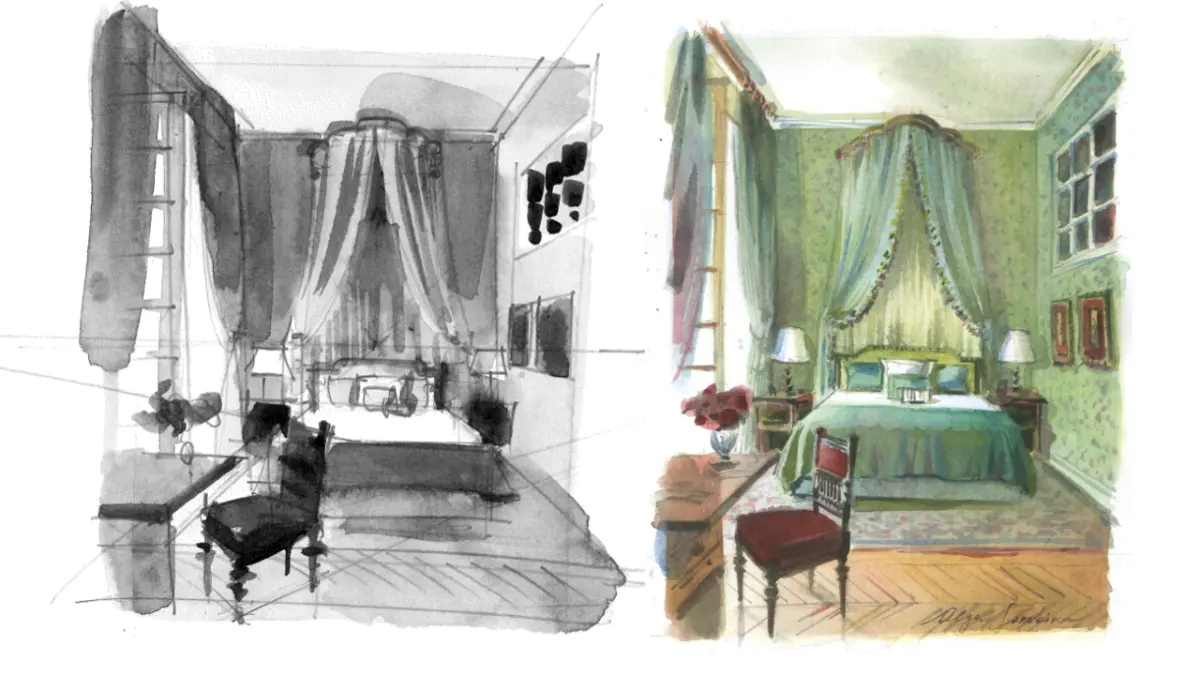
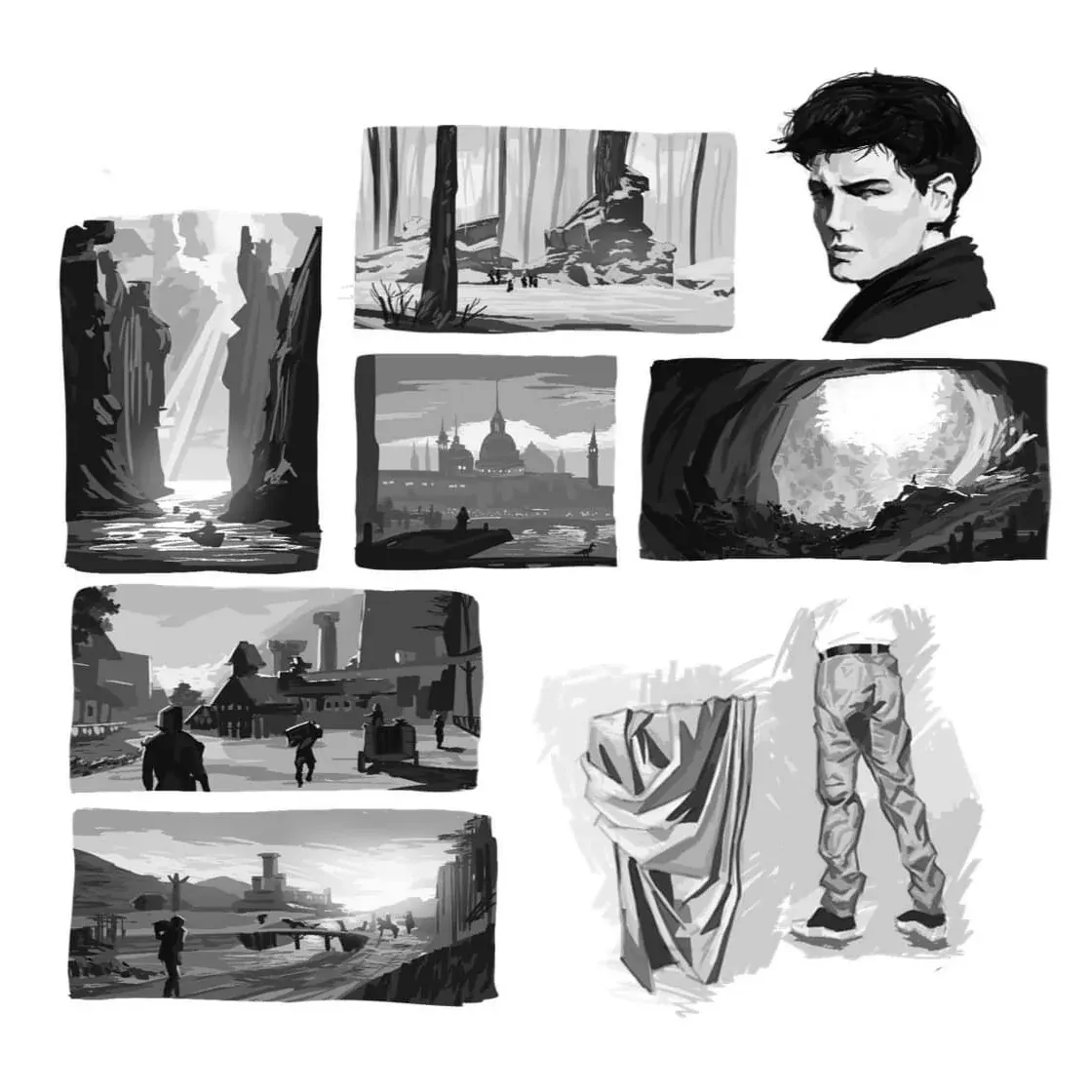
A value study is a preliminary artistic exercise focused on the distribution of light and dark tones within a composition, independent of color. By simplifying a scene into a limited range of monochromatic shades, artists establish a structural foundation that ensures visual balance, depth, and a clear focal point before painting.
On this page
What is the purpose of a value study?
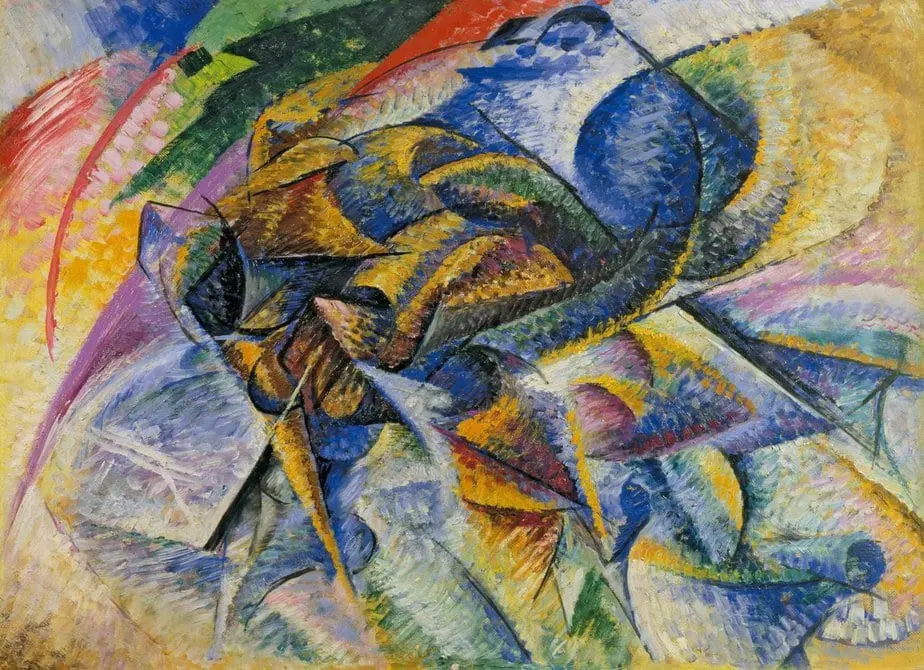
The primary goal of a value study is to organize the visual hierarchy of an image. In art, "value" refers to the relative lightness or darkness of a color, regardless of its hue or saturation. By removing color, an artist can objectively analyze how light hits a subject and where shadows fall, ensuring that the composition reads clearly from a distance. A strong value structure acts as the skeleton of a painting, guiding the viewer's eye across the canvas.
Without a deliberate plan for values, a painting often lacks depth and appears flat or cluttered. When an artist understands how to group values into distinct masses—typically light, mid-tone, and dark—they gain the ability to create high-contrast focal points. This process simplifies complex subjects, such as landscapes or portraits, into manageable shapes. Ultimately, a value study prevents the artist from becoming distracted by the complexity of color, allowing them to focus on the fundamental architecture of the scene.
How to create a value study
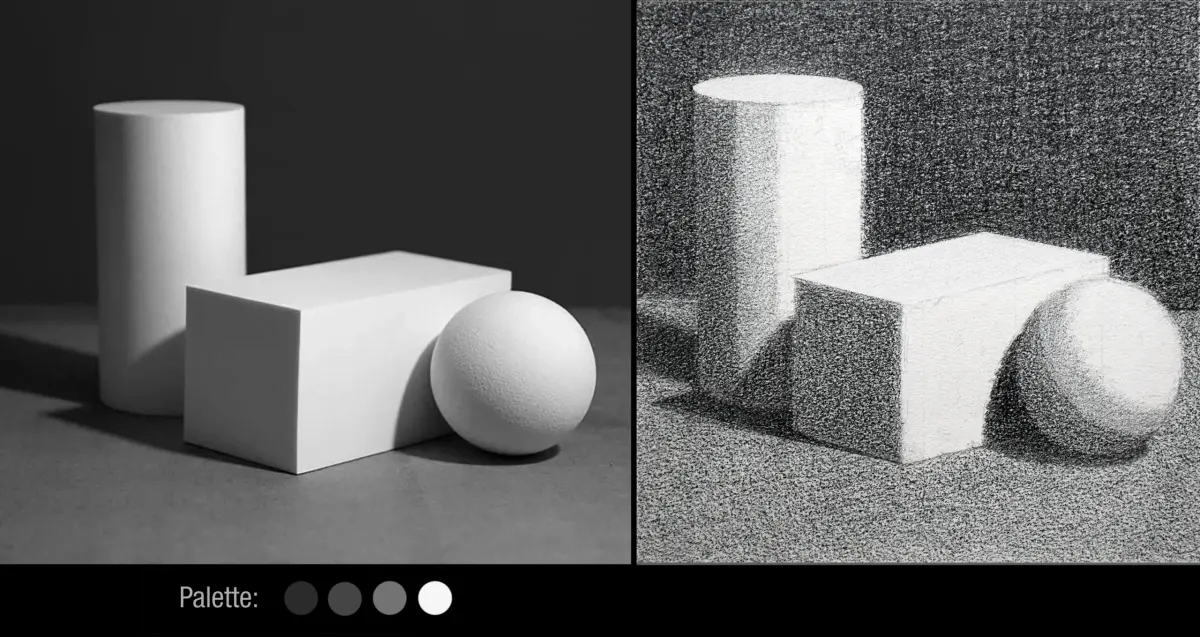
Creating a value study requires a systematic approach to simplify complex visual information. Most artists use a scale of three to five values, ranging from pure white to deep black, to map out the scene. This process forces the artist to make decisive choices about which elements are most important to the composition.
- Observe your subject and squint your eyes to blur the details, which helps identify the largest shapes of light and shadow.
- Sketch the basic outlines of these shapes on your paper or canvas using a light pencil or charcoal.
- Fill in the darkest shadows first, then establish the mid-tones, and leave the lightest areas as the white of the paper.
- Compare your study to the subject, ensuring that the contrast between your darkest darks and lightest lights creates a clear, readable impact.
By following these steps, you translate a three-dimensional reality into a two-dimensional design. This method is highly effective for planning complex scenes before committing to expensive paints or detailed textures.
Which tools are best for value studies?
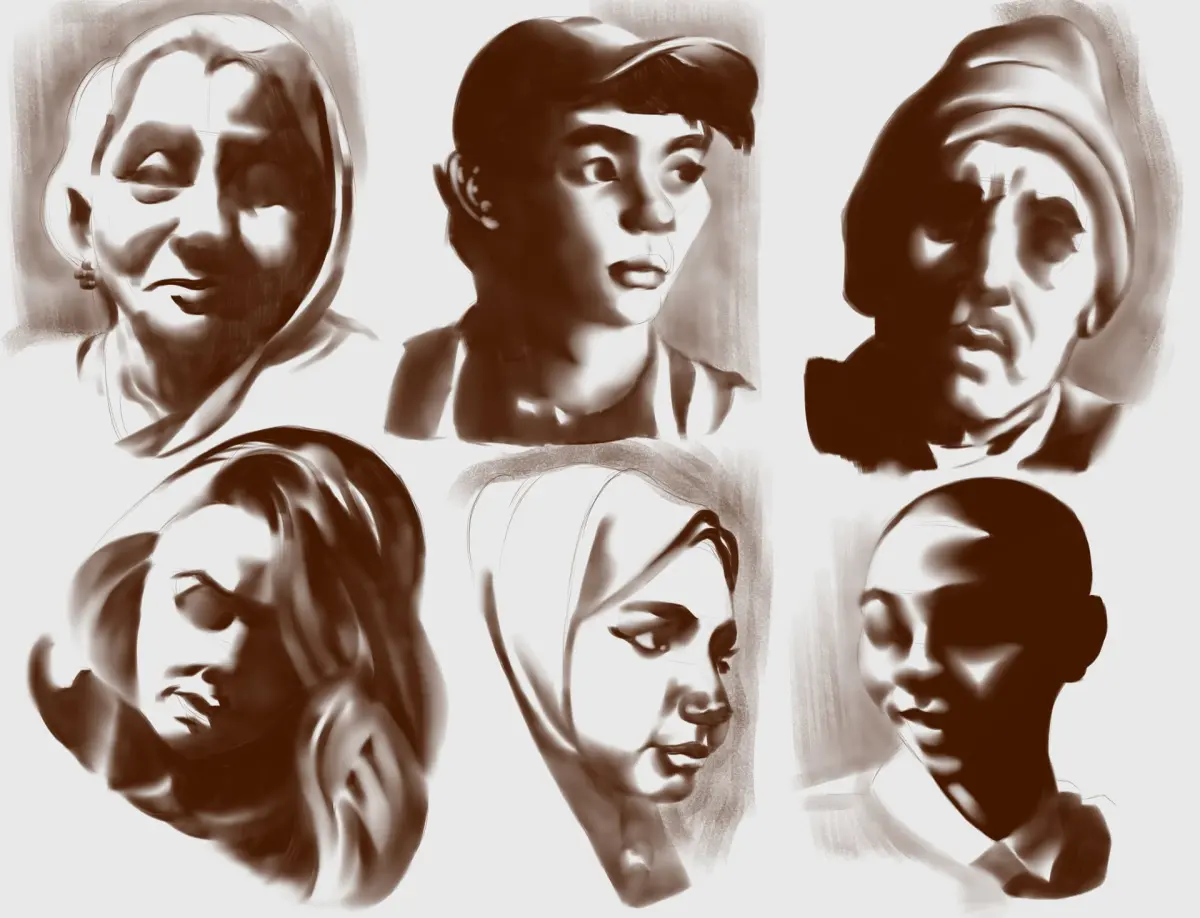
The best tools for value studies are those that allow for quick, monochromatic execution. Graphite pencils, charcoal, and ink are the industry standards because they naturally translate the full spectrum of light into grayscale. Many artists prefer using a set of gray-toned markers, often labeled with numbers representing their percentage of black, such as 20%, 50%, and 80%. These markers provide consistent, flat tones that are ideal for practicing value placement without the mess of charcoal.
- Graphite pencils: Best for detailed, small-scale studies and subtle transitions.
- Charcoal: Ideal for quick, gestural studies and creating deep, velvety blacks.
- Gray-toned markers: Excellent for achieving clean, graphic shapes and rapid iteration.
- Digital tablets: Useful for experimenting with multiple value compositions in a short amount of time.
Regardless of the medium, the key is to maintain a limited range. Using too many shades can lead to "muddy" results, defeating the purpose of the study. Start with three values—white, gray, and black—to master the basics before expanding your range.
Common mistakes when doing value studies
One frequent error is failing to push the contrast far enough. Beginners often gravitate toward a middle-gray range, resulting in images that look washed out and lack drama. To avoid this, ensure that your darkest shadows are truly dark and your lightest highlights are preserved as the brightest parts of the composition. Another common mistake is including too much detail. A value study is meant to be a simplification; if you find yourself drawing individual leaves on a tree or wrinkles on a face, you are focusing on texture rather than value.
- Getting lost in details: Remember that you are mapping shapes, not rendering textures.
- Ignoring the light source: If your values do not consistently follow the direction of the light, the form will look broken.
- Using too many values: Stick to a limited palette to maintain a strong, readable design.
- Neglecting the edges: Sharp edges draw the eye, while soft edges recede; use value to define these transitions.
By identifying these pitfalls early, you can refine your process and ensure your studies serve as effective roadmaps for your final works.
How to improve your value perception
Improving your ability to see values is a lifelong practice that involves training your eyes to ignore color. One effective exercise is to take a photograph of your subject and convert it to black and white using a photo-editing application. Compare your hand-drawn value study to this digital reference to see where your perception of light and dark may have drifted. Over time, this practice trains your brain to automatically categorize colors into their corresponding values, making the initial study phase much faster and more intuitive.
Another method is to look at your work through a red-tinted piece of glass or plastic, which effectively neutralizes color information and highlights the underlying value structure. You can also practice "value matching" by creating a physical scale of five gray swatches and holding them up against various parts of your subject to see which swatch matches the tone. Consistent practice in these areas will significantly increase your efficiency and the professional quality of your finished artistic projects.
Key facts
- A value study is a preliminary sketch that focuses exclusively on the distribution of light and dark tones rather than color or fine detail.
- Artists typically use a limited scale of three to five distinct values, ranging from pure white to deep black, to establish a composition's structure.
- The primary purpose is to ensure the image has a strong "read," meaning the viewer can immediately identify the focal point and depth.
- Value studies are often executed using monochromatic media like charcoal, graphite, ink washes, or digital grayscale brushes.
- A common technique involves squinting at the subject to blur fine details, which helps the artist perceive the broader shapes of light and shadow.
- Experts recommend keeping these studies small, often no larger than a postcard, to prevent the artist from becoming distracted by unnecessary detail.
The bottom line
A value study is an essential planning tool that prioritizes the structural arrangement of light and shadow over color or detail. By simplifying a scene into a few distinct tones, artists establish a clear focal point and create a sense of depth before committing to a final piece. Mastering this process ensures that your work remains visually impactful, organized, and structurally sound regardless of the medium used.
People also ask
How many values should I include in a basic study?
Most instructors recommend starting with three values: a light, a mid-tone, and a dark. This "three-value system" simplifies complex scenes and prevents the common mistake of over-rendering individual objects.
Why do artists prioritize value over color?
Value is the fundamental building block of visual depth and form, whereas color is secondary. If the values are incorrect, a painting will lack structure and impact, regardless of how vibrant the colors may be.
Can I use colored pencils for a value study?
While possible, colored pencils can be distracting because their inherent saturation varies. It is more effective to use neutral media like graphite or gray markers to focus strictly on light intensity.
What is the "squint test" in art?
The squint test involves narrowing your eyes until the scene becomes blurry and indistinct. This technique eliminates distracting textures and details, allowing you to see only the largest shapes of light and shadow.
How long should a value study take to complete?
A value study is intended to be a quick exercise, usually taking between 5 and 15 minutes. Spending too long on one study often leads to "noodling," where the artist inadvertently adds too much detail.
What is the biggest mistake beginners make with values?
Beginners often fail to push their darks dark enough or their lights light enough, resulting in a "muddy" or flat image. Using the full range of your medium is essential for creating a sense of three-dimensional form.
This answer was created with the help of AI research tools and reference sources. Spotted an error? Let us know — we correct mistakes quickly. See our editorial policy.