What is visual journaling?
Short answer
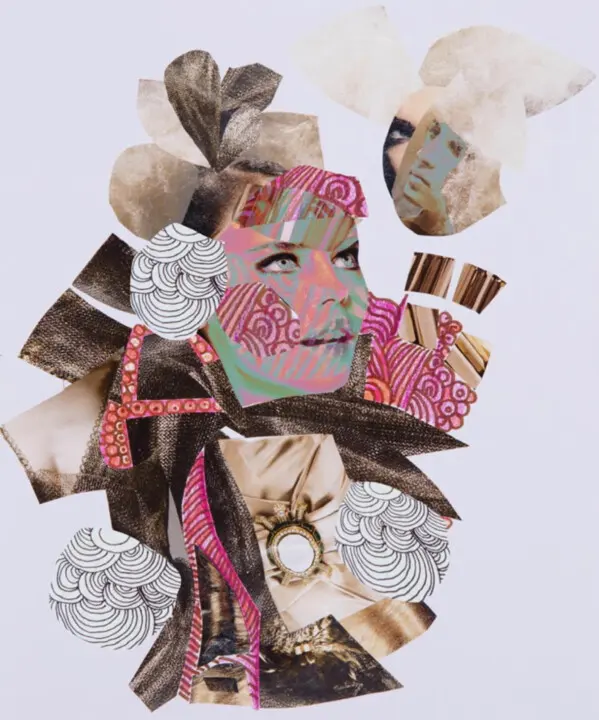
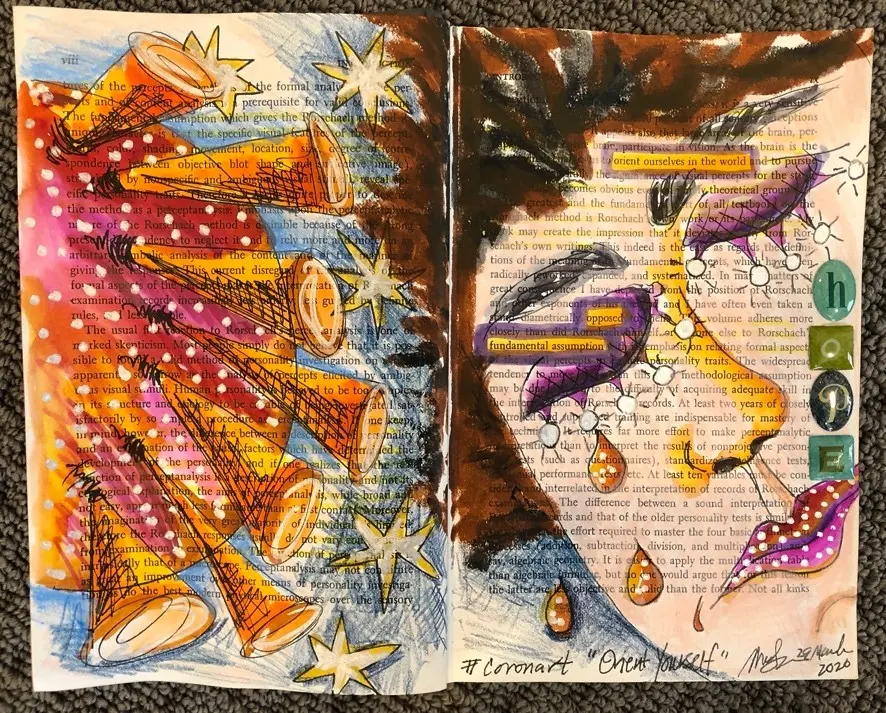
Visual journaling is a creative practice that combines words and imagery to document thoughts, experiences, and emotions. Unlike traditional written diaries, it utilizes sketches, collages, photographs, and mixed media to express ideas. This versatile medium serves as a tool for personal reflection, artistic development, and mental clarity for people of all ages.
On this page
What is visual journaling used for?
Visual journaling functions as a multifaceted tool for self-expression, memory keeping, and problem-solving. By integrating visual elements with text, practitioners can externalize complex feelings that might be difficult to articulate through words alone. Many individuals use these journals to track personal growth, document daily events, or experiment with artistic techniques in a low-pressure environment. It acts as a private sanctuary where the constraints of grammar and formal composition do not apply.
Beyond personal reflection, visual journaling is frequently employed in therapeutic settings to help individuals process trauma or manage stress. The act of creating—whether through drawing, painting, or arranging ephemera—engages the brain in a meditative state that promotes mindfulness. It also serves as a portable laboratory for artists to test color palettes, composition ideas, and new materials. Because the process is inherently subjective, the primary purpose is the act of creation rather than the production of a gallery-ready final product.
How to start a visual journal for beginners
Starting a visual journal requires minimal equipment and a willingness to embrace imperfection. You do not need formal art training to begin; the objective is to prioritize authentic expression over technical skill. Most beginners find that a small, portable notebook allows them to capture ideas whenever inspiration strikes.
- Select a notebook with paper heavy enough to handle markers, glue, or light paint without bleeding through.
- Gather basic supplies such as pens, pencils, glue sticks, scissors, and old magazines for collage.
- Choose a consistent time, such as five minutes in the morning or before bed, to commit to the practice.
- Start with a simple prompt, such as "how I feel today" or "three things I saw," to overcome the intimidation of a blank page.
- Focus on the process of layering materials rather than worrying about the aesthetic outcome.
Best materials for visual journaling
The materials you choose define the tactile experience of your journal. While a standard ballpoint pen and a notebook are sufficient, many practitioners prefer supplies that offer more versatility. High-quality paper is essential if you intend to use wet media like watercolors or acrylics, as thin paper will warp or tear under moisture.
- Mixed-media sketchbooks with 90lb (150gsm) or heavier paper.
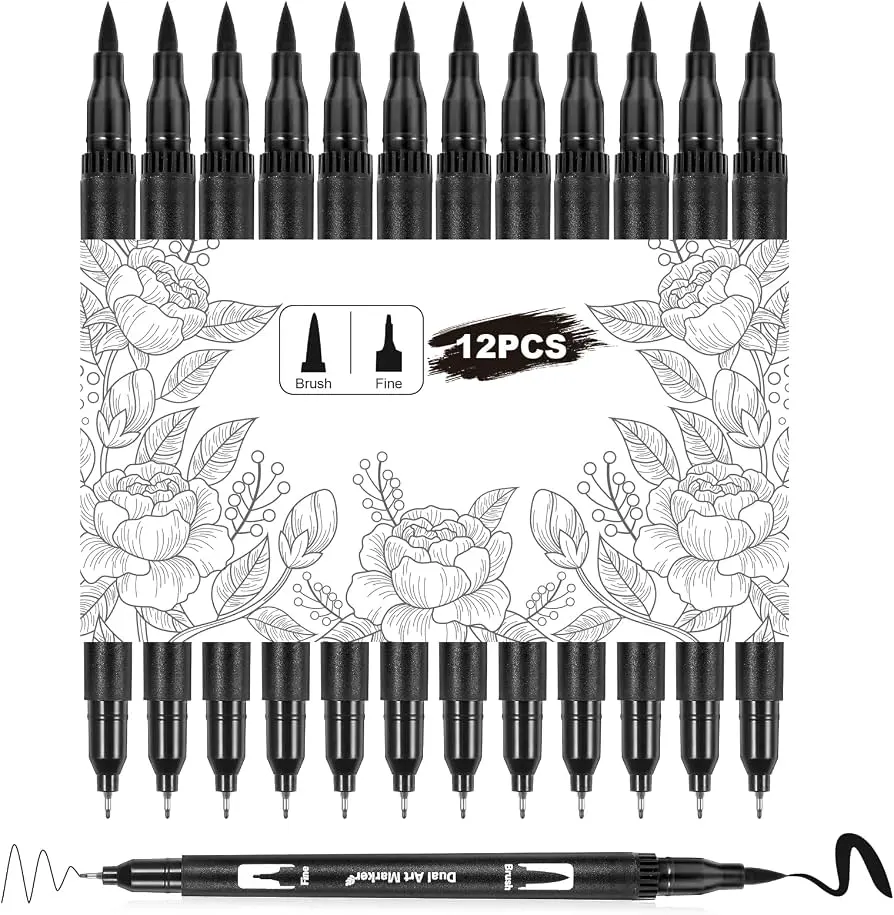
- Archival-quality pens and markers that resist fading over time.
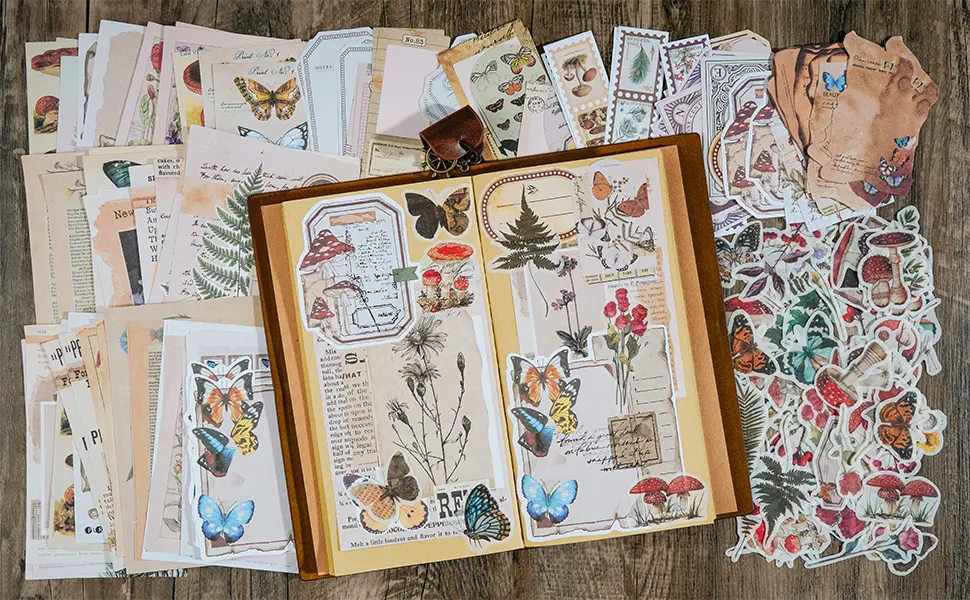
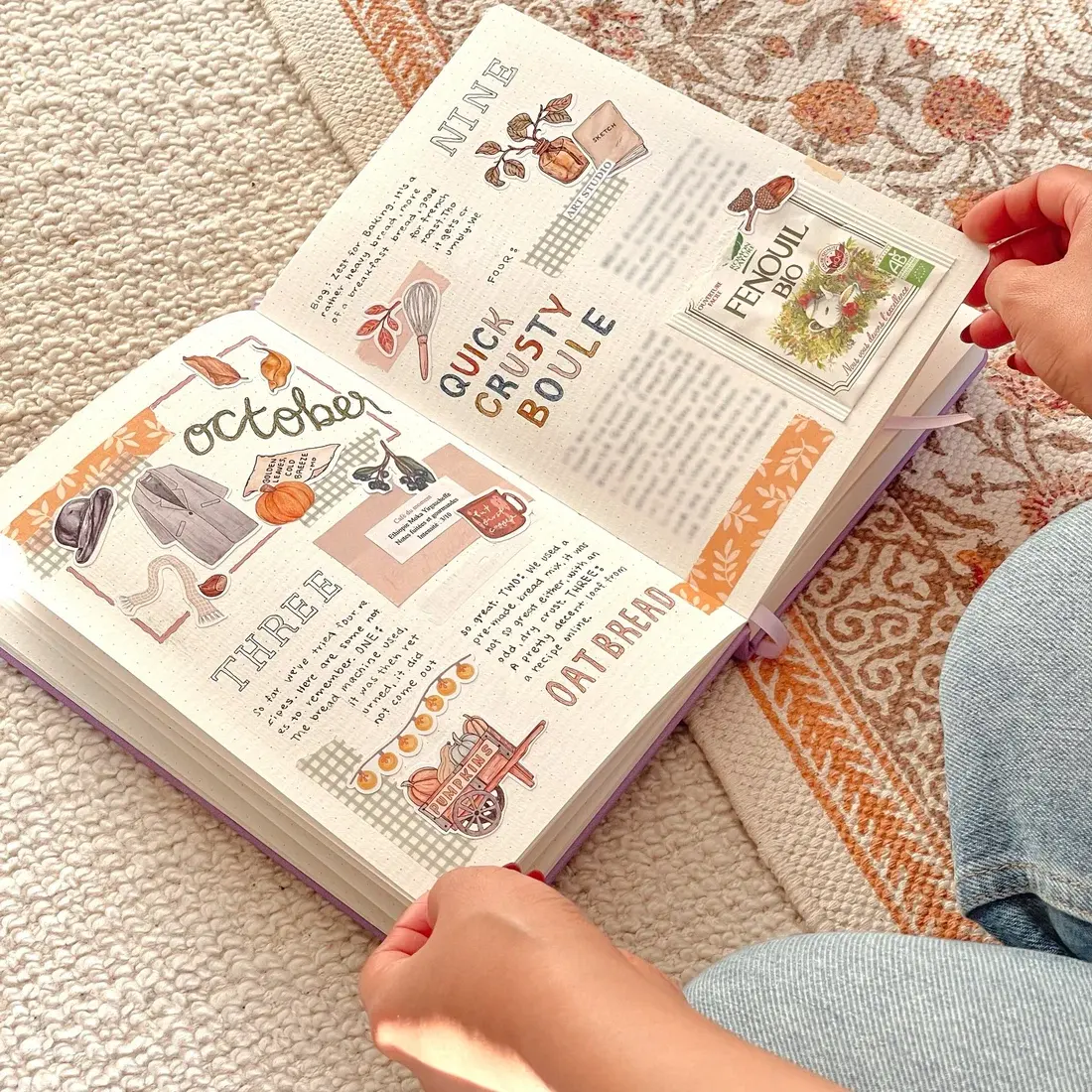
- Decorative ephemera, including ticket stubs, pressed flowers, and fabric scraps.
- Water-soluble crayons or colored pencils for adding vibrant, blendable color.
- Adhesive tools like double-sided tape or acid-free glue sticks for collaging.
Choosing the right tools can significantly improve your experience. If you enjoy a messy, tactile approach, focus on paints and collage materials. If you prefer a cleaner, more portable style, stick to fine-line pens and colored pencils. The best setup is one that you can access easily, ensuring that the barrier to entry remains low.
Common mistakes when visual journaling
The most frequent mistake beginners make is the pursuit of perfection. Many people stop journaling because they feel their pages are not "pretty" enough or do not look like the curated examples found on social media. It is vital to remember that a visual journal is a personal record, not a public portfolio. Comparing your raw, authentic pages to the polished work of professional artists is a common trap that stifles creativity and eventually leads to abandonment of the practice.
Another error is over-complicating the setup. When you feel that you need a specific type of expensive marker or a perfectly organized workspace to begin, you create unnecessary friction. This often leads to procrastination. To avoid these pitfalls, keep your supplies in a single, accessible bag and set a timer for short sessions. By removing the pressure to produce a masterpiece, you allow yourself the freedom to experiment, fail, and learn, which is the true essence of the medium.
Why visual journaling helps with mental health
The cognitive benefits of visual journaling are rooted in the integration of linguistic and spatial processing. When you combine imagery with writing, you activate different areas of the brain, which can provide a more holistic understanding of your internal state. This dual-coding approach is particularly effective for identifying patterns in behavior or mood that might remain hidden in traditional text-only formats. By visualizing your thoughts, you can gain a sense of distance and perspective, making overwhelming emotions feel more manageable.
Furthermore, the tactile nature of the practice provides a sensory grounding experience. The physical act of cutting, pasting, and coloring serves as a form of "active meditation" that redirects focus away from ruminative thoughts. Many practitioners report a significant reduction in anxiety after a session, as the journal provides a safe, non-judgmental space to release pent-up energy. Whether you are documenting a difficult life transition or simply organizing your daily goals, the visual journal remains a reliable, private companion for navigating the complexities of human experience.
Key facts
- Visual journaling is the practice of combining images, sketches, and text to document thoughts, emotions, and daily experiences.
- Unlike traditional written diaries, this method prioritizes visual expression, though it often incorporates collage, paint, and handwriting.
- There is no requirement for artistic talent; the primary goal is personal reflection rather than creating a masterpiece for public display.
- Practitioners often use mixed-media techniques, such as layering watercolors, ink, magazine clippings, and ephemera like ticket stubs or pressed flowers.
- A common mistake is focusing on the aesthetic outcome; instead, focus on the process of "brain dumping" or capturing a fleeting feeling.
- To begin, choose a notebook with paper thick enough to handle wet media, such as a mixed-media sketchbook or a watercolor journal.
The bottom line
Visual journaling serves as a powerful bridge between creative expression and self-reflection. By integrating imagery with text, you can process complex emotions and document your life in a deeply personal way. It requires no formal artistic training, only a willingness to experiment with various materials. Ultimately, the practice provides a private, judgment-free space to explore your identity and cultivate mindfulness through the act of making.
People also ask
Do I need expensive art supplies to start a visual journal?
You only need a notebook, a pen, and a glue stick to begin. Many practitioners use recycled materials, old magazines, and basic markers to create meaningful pages without significant financial investment.
How often should I update my visual journal?
There is no set frequency, though consistency helps build the habit. Some people aim for a daily entry, while others prefer to work in their journals weekly or whenever they feel a need for creative release.
What if I am not good at drawing?
Visual journaling is about expression, not technical skill. You can use abstract shapes, colors, symbols, or collaged images to represent your ideas if you do not feel comfortable drawing realistic figures.
Can I use digital tools for visual journaling?
Yes, many people use tablets and stylus pens to create digital journals. While this lacks the tactile experience of paper, it offers the convenience of undo buttons and infinite layers.
What is the difference between a scrapbook and a visual journal?
A scrapbook is typically focused on preserving memories and physical mementos in an organized way. A visual journal is an introspective tool designed to explore internal states, feelings, and personal growth.
How do I overcome "blank page syndrome"?
Start by adding a splash of color, a piece of washi tape, or a single quote to the page. Once the white space is broken, it becomes much easier to add layers and express your thoughts.
This answer was created with the help of AI research tools and reference sources. Spotted an error? Let us know — we correct mistakes quickly. See our editorial policy.