What is Art Deco?
Short answer
Art Deco is a decorative style of visual arts, architecture, and design that emerged in France during the 1910s and flourished internationally throughout the 1920s and 1930s. It is characterized by sleek geometric shapes, bold colors, luxurious materials, and a focus on modernity, symmetry, and streamlined forms representing the era’s technological progress.
On this page
What defines Art Deco style?
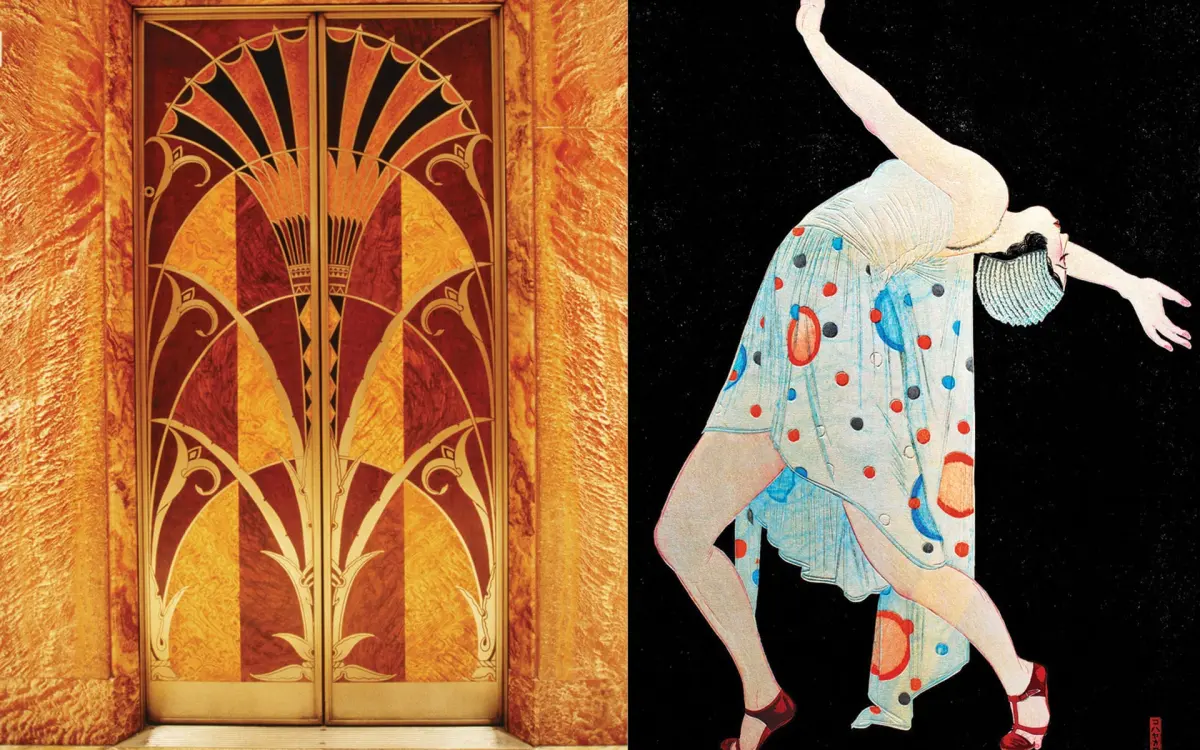
Art Deco is defined by its embrace of the machine age and a departure from the flowing, organic lines of the preceding Art Nouveau movement. Designers prioritized clean, vertical lines, stepped forms, and aerodynamic curves to reflect the speed and efficiency of the industrial era. The aesthetic is inherently decorative and ornamental, often incorporating motifs like sunbursts, zigzags, chevrons, and stylized floral patterns.
The movement was heavily influenced by diverse cultural sources, including the bold geometry of Cubism, the bright colors of Fauvism, and the discovery of King Tutankhamun’s tomb in 1922, which sparked a fascination with Egyptian iconography. Architects and artists utilized expensive, modern materials to convey a sense of glamour and opulence. Common materials included:
- Polished chrome and stainless steel
- Lacquered wood and exotic veneers
- Inlaid ivory and mother-of-pearl
- Terracotta and structural glass
How to identify Art Deco architecture?
Art Deco architecture is best recognized by its verticality and sense of upward movement. Buildings from this period often feature setbacks, which are stepped-back levels that allow light to reach the street and create a distinctive silhouette. Facades are frequently adorned with elaborate bas-relief sculptures, metal grilles, and decorative panels that emphasize geometric repetition.
Many iconic skyscrapers and public buildings from the 1920s and 1930s exemplify this style. When looking at a building to determine if it is Art Deco, check for these specific architectural markers:
- Symmetrical facades that emphasize balance and order.
- Decorative spires or stepped rooflines that mimic the shape of a ziggurat.
- Intricate window treatments, often featuring sunburst or fountain motifs.
- Use of contrasting materials like dark stone against bright metal trim.
- Stylized figurative sculpture integrated directly into the structural masonry.
Why did Art Deco become popular?
The movement gained global prominence following the 1925 Exposition Internationale des Arts Décoratifs et Industriels Modernes in Paris. This exhibition showcased a new vision for luxury and modernity that appealed to a post-World War I society eager for change. Art Deco represented a break from tradition, offering a sophisticated and optimistic visual language that aligned with the rapid expansion of aviation, radio, and cinema.
Throughout the 1930s, the style evolved into "Streamline Moderne," a more minimalist version influenced by aerodynamic design. This shift allowed Art Deco to remain relevant during the Great Depression, as it could be applied to mass-produced goods like toasters, clocks, and automobiles. By emphasizing functionality alongside style, the movement democratized luxury, allowing the middle class to incorporate modern design elements into their daily lives through affordable, mass-manufactured household items.
Common mistakes when identifying Art Deco
A frequent error is confusing Art Deco with Art Nouveau. While Art Deco is rigid, geometric, and symmetrical, Art Nouveau is characterized by asymmetrical, flowing, and organic lines inspired by plants and vines. If a design looks like it was inspired by a forest or a flowing river, it is likely Art Nouveau, not Art Deco.
Another common mistake is assuming that all 1920s design is Art Deco. The era also included the Bauhaus movement, which focused on extreme functionalism and the rejection of ornamentation. While Art Deco celebrated decoration, Bauhaus designers stripped it away entirely. To avoid misidentification, look for the presence of "applied ornament." If the building or object features purely decorative elements that serve no structural purpose—such as a sunburst panel over a door—it is almost certainly Art Deco. Always look for the combination of luxury and geometry rather than just one or the other.
Best ways to incorporate Art Deco at home
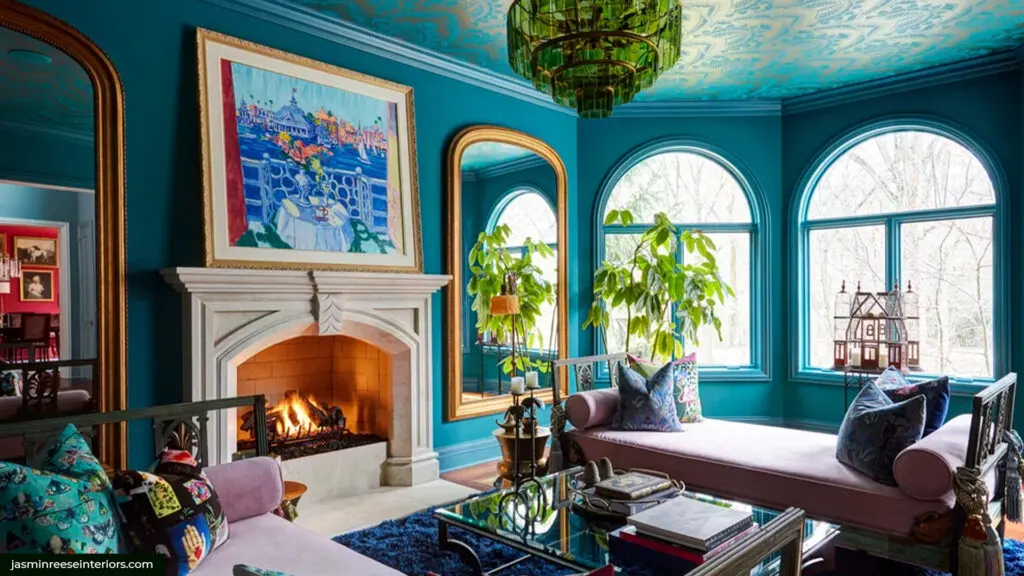
Bringing an Art Deco feel into a modern space requires a focus on high-contrast palettes and reflective surfaces. Start by selecting a bold focal point, such as a mirror with a sunburst frame or a geometric area rug. Use a color scheme that balances deep, saturated tones like navy blue, emerald green, or black with metallic accents in gold, silver, or brass.
When styling a room, keep the following practical tips in mind to ensure the look remains authentic:
- Use velvet or leather upholstery to add a sense of luxury and texture.
- Incorporate lighting fixtures with frosted glass or tiered, stepped designs.
- Avoid cluttered surfaces; Art Deco thrives on clean lines and intentional placement.
- Select furniture with curved, aerodynamic shapes or sharp, angular silhouettes.
- Use wallpaper featuring repeating geometric patterns to create a dramatic, period-appropriate backdrop for your furniture.
Key facts
- Art Deco emerged in France just before World War I and reached its peak in the 1920s and 1930s.
- The style is defined by geometric shapes, streamlined forms, symmetry, and the use of expensive materials like chrome, glass, and lacquer.
- The 1925 Exposition Internationale des Arts Décoratifs et Industriels Modernes in Paris gave the movement its name.
- Iconic examples include the Chrysler Building in New York City and the Hoover Building in London.
- When identifying Art Deco, look for "sunburst" motifs, zigzags, stepped-back skyscraper profiles, and stylized human figures.
- To incorporate Art Deco into modern decor, avoid clutter; focus on one statement piece like a geometric mirror or a velvet chair with metallic accents.
The bottom line
Art Deco represents a pivotal moment in 20th-century design, blending industrial innovation with lavish, decorative artistry. By prioritizing symmetry, geometric precision, and luxurious materials, it transformed architecture and fashion into symbols of modernity and elegance. Whether observed in the towering spires of New York or the refined details of vintage furniture, Art Deco remains an enduring aesthetic that continues to define sophisticated, timeless style today.
People also ask
How does Art Deco differ from Art Nouveau?
Art Nouveau, popular from 1890 to 1910, features organic, flowing lines inspired by plants and flowers. In contrast, Art Deco is rigid, symmetrical, and celebrates the machine age with industrial materials.
Why is Art Deco often associated with the Great Gatsby era?
The style epitomized the glamour, opulence, and social optimism of the Roaring Twenties. Its bold aesthetic became the visual language for the high-society lifestyle depicted in F. Scott Fitzgerald’s literature.
Is Art Deco still considered a relevant design style today?
Yes, Art Deco remains highly influential in contemporary interior design and architecture. Its emphasis on clean lines and luxury textures provides a timeless foundation for modern, sophisticated spaces.
What are the most common colors used in Art Deco design?
Designers typically favor high-contrast palettes, such as black and gold, or bold combinations of silver, chrome, and deep jewel tones like emerald green or sapphire blue.
Are all Art Deco buildings skyscrapers?
While many famous examples are skyscrapers, the style was applied to everything from cinemas and luxury ocean liners to small household appliances like toasters and clocks.
What is the biggest mistake people make when decorating in an Art Deco style?
The most common error is overcrowding a room with too many ornate patterns. Art Deco relies on balance and negative space, so choose a few high-impact pieces rather than filling every corner.
This answer was created with the help of AI research tools and reference sources. Spotted an error? Let us know — we correct mistakes quickly. See our editorial policy.