What do formline designs represent?
Short answer
Formline is a sophisticated two-dimensional design system developed by Indigenous peoples of the Northwest Coast of North America. It represents ancestral lineages, spiritual beings, and historical narratives through stylized animal and human figures. By using fluid, interconnected lines, artists encode complex clan identities and cosmological stories into visual storytelling traditions.
On this page
What defines the formline style?
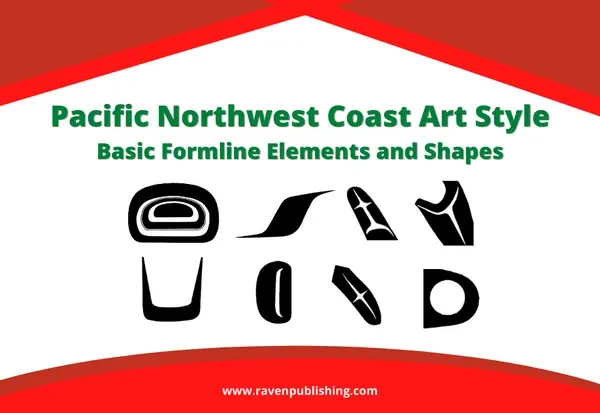
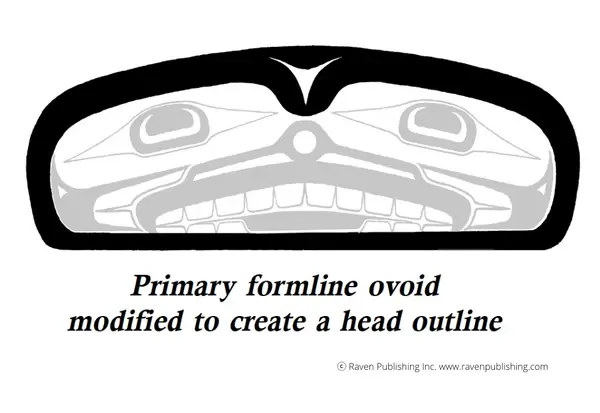
Formline art is defined by a specific set of visual rules that prioritize continuous, flowing lines of varying thickness. The system relies on three primary elements: the ovoid, the U-form, and the S-form. These shapes are manipulated to fit within a larger, often rectangular or circular composition, creating a sense of movement and structural integrity. The lines typically swell and taper, mimicking the organic anatomy of the creatures they depict.
The aesthetic is characterized by a strict color palette, traditionally limited to black, red, and sometimes yellow or blue. Black is used for the primary structural lines, while red serves as a secondary color for interior details or negative space. This restriction ensures that the complex layering of figures remains legible to the viewer. By adhering to these strict geometric constraints, artists maintain a visual language that has remained consistent across generations of Northwest Coast cultures, including the Tlingit, Haida, Tsimshian, and Kwakwaka’wakw peoples.
How do formline designs tell stories?
Formline designs function as a visual shorthand for oral histories and social standing. Each design often features a crest, which is an emblem representing a specific family’s history, rights, and encounters with supernatural beings. A raven, for example, might represent a trickster figure from a creation myth, while a killer whale could signify a family’s deep connection to the ocean and specific coastal territories.
These designs are not merely decorative; they serve as legal documents and markers of identity. When displayed on totem poles, house fronts, or ceremonial blankets, they communicate the owner’s lineage and status to all who see them. By observing the arrangement of these figures, community members can identify the clan’s history and the specific rights held by the individual displaying the work. The following elements are commonly used to identify these narratives:
- The presence of specific animals like eagles, bears, or wolves.
- The use of "split U" forms to denote joint or limb connections.
- The inclusion of human faces within the bodies of larger creatures.
Where is formline art traditionally used?
Historically, formline designs were applied to a wide variety of utilitarian and ceremonial objects. Because the style is inherently two-dimensional, it translates seamlessly across different mediums, from wood carving to textile weaving. Artists carefully adapted their designs to the constraints of the surface, whether it was a massive cedar totem pole or a delicate bentwood box.
Common surfaces for these designs include:
- Totem poles: Large-scale vertical monuments that mark family history.
- Bentwood boxes: Steam-bent containers used for storage or cooking.
- Chilkat blankets: Intricately woven garments featuring complex geometric patterns.
- Canoes: Often decorated with crests to provide spiritual protection during travel.
- Masks: Used in potlatch ceremonies to represent spirits during dances.
By applying these designs to objects used in daily life or sacred rituals, Indigenous artists ensured that their cultural identity remained integrated into every aspect of their society. The durability of these materials, particularly cedar wood, has allowed many historical examples to survive for centuries.
How can beginners identify formline motifs?
Learning to read formline requires an understanding of how the artist balances positive and negative space. A common mistake for beginners is to focus only on the black lines, ignoring the white spaces that define the shapes. The "negative" space is just as deliberate as the "positive" space; it is often shaped into smaller ovoids or U-forms to maintain the visual rhythm of the piece.
To analyze a piece, follow these steps:
- Locate the primary black lines that define the main figure’s outline.
- Identify the ovoids, which act as joints or eyes, helping to anchor the composition.
- Look for the U-forms, which often represent feathers, fins, or fur textures.
- Check for symmetry and balance, as traditional designs often mirror or repeat motifs to create harmony.
- Consider the color placement, noting how red is used to highlight specific features or fill in secondary spaces.
By practicing these steps, you can begin to distinguish between different regional styles and understand the structural logic that governs the entire composition.
Common mistakes when interpreting formline art
One of the most frequent errors in interpreting formline is assuming that a design is purely abstract or aesthetic. While the patterns are undeniably beautiful, they are deeply grounded in specific cultural contexts and should not be viewed as generic "tribal" art. Each line and color choice is intentional, often dictated by strict protocols regarding who is allowed to own or display certain crests.
Another mistake is failing to recognize the evolution of the style. While the core principles have remained stable for centuries, contemporary artists continue to innovate. Some modern creators use digital media or unconventional materials to express traditional concepts, which can confuse those expecting only historical wood or fiber works. It is important to remember that formline is a living tradition, not a static relic of the past. When viewing these works, always respect the cultural significance of the crests and the ongoing role they play in modern Indigenous communities. By approaching the art with an understanding of its functional, legal, and spiritual purposes, you gain a much deeper appreciation for its enduring power and complexity.
Key facts
- Formline is a sophisticated two-dimensional design system developed by Indigenous peoples of the Northwest Coast, including the Tlingit, Haida, and Tsimshian.
- The system relies on three primary shapes: the ovoid (a rounded rectangle), the U-form, and the S-form.
- Designs are strictly constrained by a continuous, flowing line that varies in thickness to create visual tension and depth.
- Artists traditionally used a limited palette of black, red, and sometimes blue or yellow, derived from natural mineral pigments.
- The art form serves as a visual language to record lineage, oral histories, and spiritual connections to the natural world.
- When creating formline, avoid "floating" elements; every shape must connect or overlap to maintain the structural integrity of the composition.
The bottom line
Formline is a highly disciplined artistic tradition that defines the cultural identity of Northwest Coast Indigenous peoples. By mastering the geometry of ovoids and U-forms, artists transform flat surfaces into complex narratives of ancestry and mythology. Whether carved into cedar or painted on textiles, this sophisticated visual language remains a powerful testament to the enduring artistic legacy and sophisticated mathematical precision of these distinct coastal cultures.
People also ask
What is the significance of the ovoid shape in formline art?
The ovoid is the foundational unit of formline, often representing joints, eyes, or faces. It acts as a container for secondary design elements and provides the primary structural anchor for the entire composition.
How did artists historically create the bold black outlines?
Artists traditionally used brushes made from porcupine guard hairs or cedar bark to apply pigments made from crushed minerals, such as hematite for red or charcoal for black. These pigments were mixed with a binder like salmon eggs to ensure durability on wood or leather.
Can anyone learn to create authentic formline designs?
While anyone can study the geometry of formline, it is considered a cultural heritage belonging to specific Northwest Coast nations. Practitioners emphasize that learning the style requires deep respect for the protocols and stories associated with the designs.
Why are formline designs often symmetrical?
Symmetry is frequently used to represent the balance between opposing forces, such as land and sea or human and spirit realms. It also provides a sense of order and clarity when depicting complex crest figures or ancestral beings.
What is the difference between primary and secondary formline?
Primary formlines are the thick, dominant black lines that define the main structure of the figure. Secondary formlines are thinner, often red, lines that fill the negative space to add detail and complexity without overwhelming the main subject.
Is formline art still being produced today?
Yes, formline is a vibrant, living art form practiced by contemporary Indigenous artists. It is used in traditional contexts like totem poles and bentwood boxes, as well as in modern media like screen prints, jewelry, and public murals.
This answer was created with the help of AI research tools and reference sources. Spotted an error? Let us know — we correct mistakes quickly. See our editorial policy.