What is Rococo art?
Short answer
Rococo is an ornamental art and architectural style that emerged in early 18th-century France. Characterized by lighthearted themes, pastel color palettes, and asymmetrical, shell-like curves, it replaced the heavy grandeur of the Baroque period. Rococo emphasized intimacy, elegance, and wit, reflecting the refined, private lifestyles of the French aristocracy during the Enlightenment.
On this page
What defines Rococo art style
Rococo, also known as "Late Baroque," flourished primarily between 1730 and 1770. Unlike the dramatic, dark, and religious intensity of the earlier Baroque movement, Rococo favored secular themes, pastoral landscapes, and playful mythological scenes. The term itself derives from the French word rocaille, referring to the shell-work and pebble decorations often found in grottoes and gardens.
The visual language of Rococo is defined by a specific set of aesthetic principles designed to create a sense of effortless grace. Artists moved away from the rigid symmetry of the past, embracing flowing, serpentine lines and intricate organic motifs. This style was not just about painting; it permeated interior design, furniture making, and silver work, creating a cohesive environment of luxury and comfort. Key characteristics include:
- A pastel color palette featuring soft pinks, mint greens, sky blues, and creamy whites.
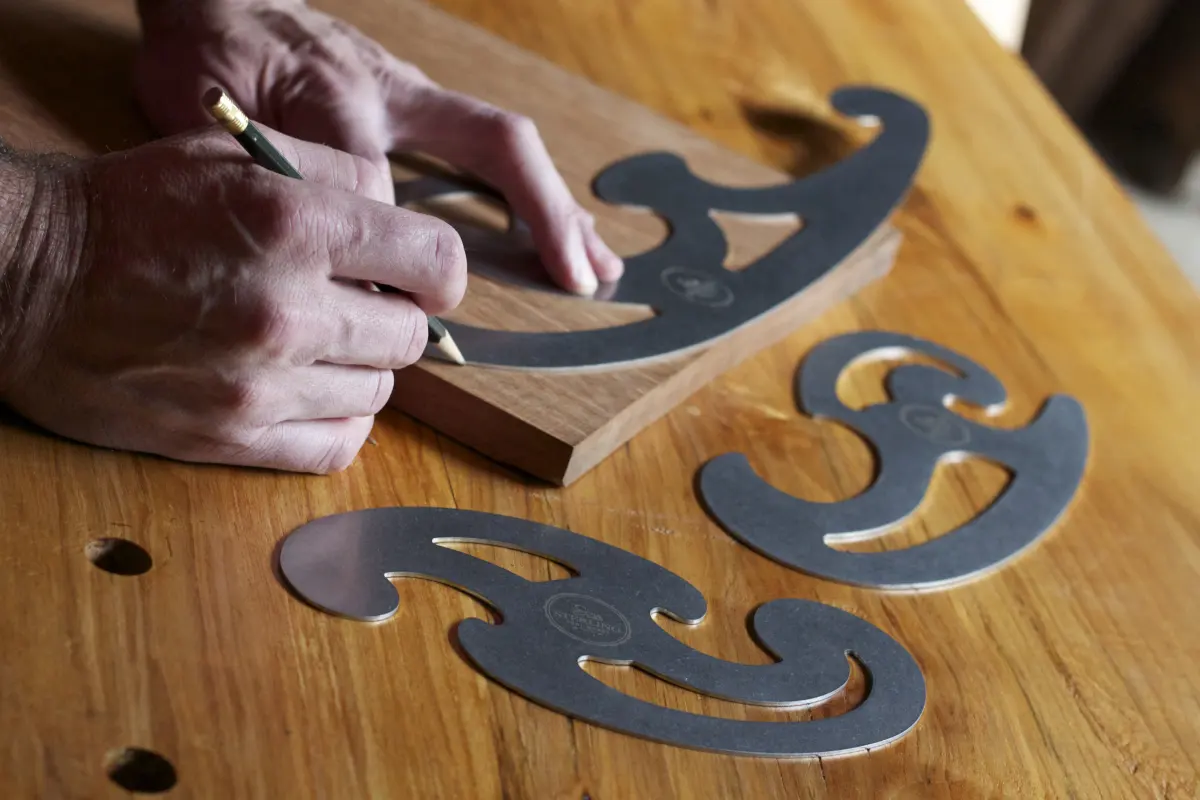
- Asymmetrical compositions that avoid sharp angles in favor of C-curves and S-curves.
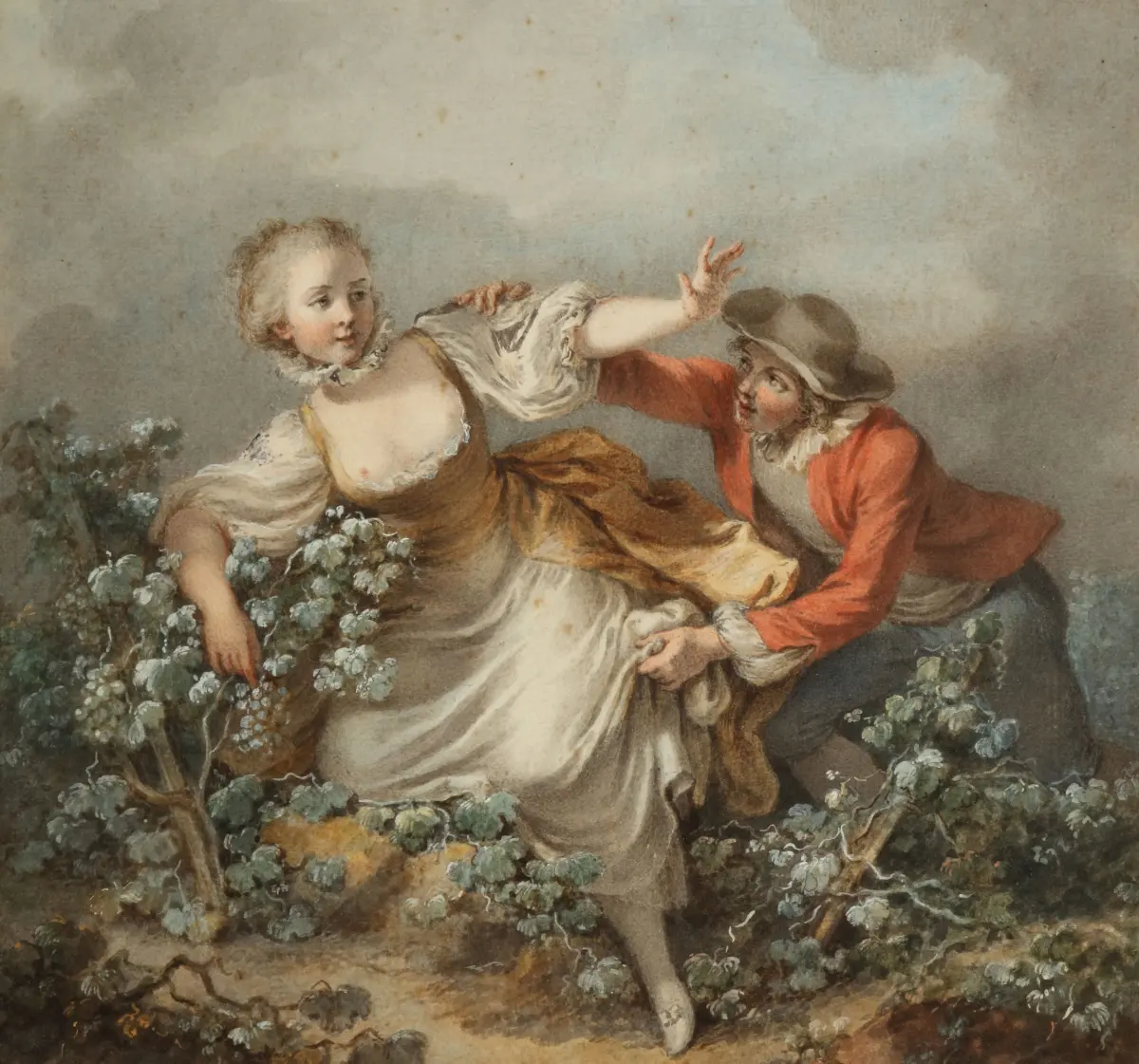
- Themes of fête galante, depicting the aristocracy enjoying outdoor leisure and romantic pursuits.
- Extensive use of gilded moldings and mirrors to enhance the play of light in interior spaces.
Who were the famous Rococo artists
The movement was spearheaded by painters who captured the carefree spirit of the French court under Louis XV. Jean-Antoine Watteau is widely credited with pioneering the fête galante genre, which showcased the elegant, melancholic, and romantic lives of the elite. His work set the tone for the movement's focus on atmosphere and emotional nuance rather than historical or religious gravity.
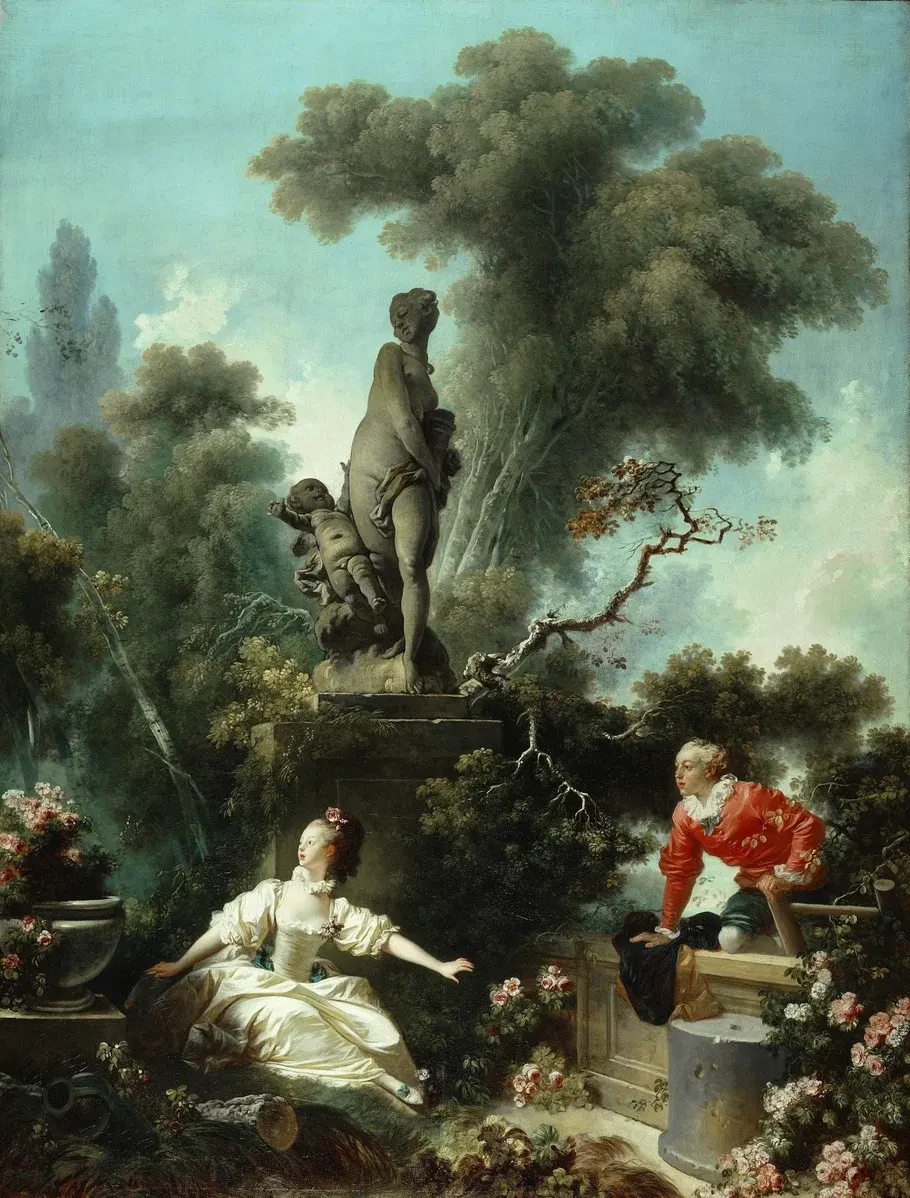
Following Watteau, other masters refined the style to suit the tastes of the era's wealthy patrons. François Boucher became the quintessential Rococo painter, known for his voluptuous mythological scenes and portraits of Madame de Pompadour. Jean-Honoré Fragonard later pushed the style to its zenith with his expressive, loose brushwork and themes of eroticism and youthful play. Their contributions established a legacy of decorative beauty that remains highly influential today. Notable figures include:
- Jean-Antoine Watteau: Famous for "The Embarkation for Cythera."
- François Boucher: Renowned for his idealized pastoral scenes and portraits.
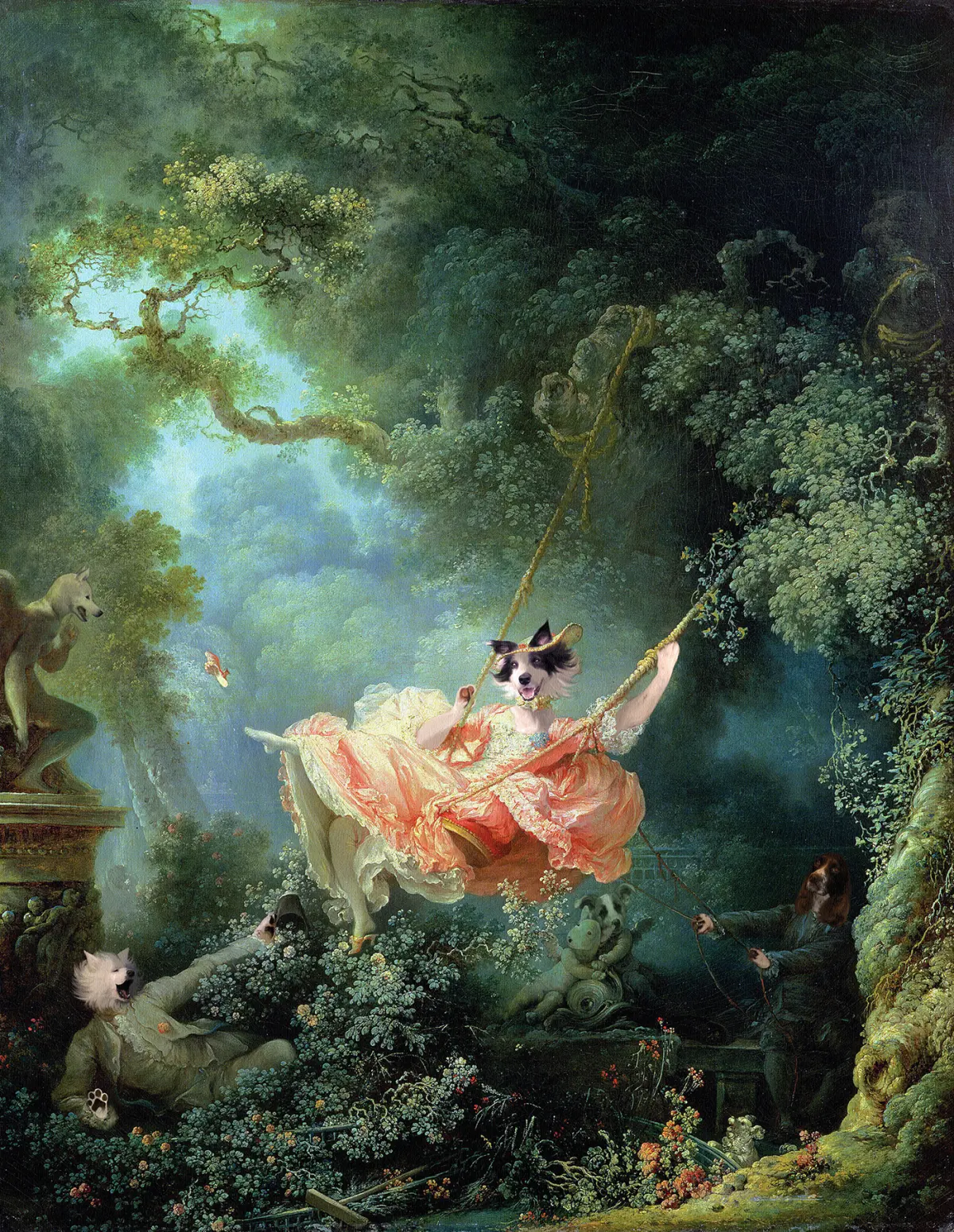
- Jean-Honoré Fragonard: Best known for "The Swing," a masterpiece of playful intrigue.
- Élisabeth Vigée Le Brun: A later practitioner who transitioned into the neoclassical era.
How to identify Rococo architecture and interiors
Rococo architecture is best experienced through its interior spaces rather than its exteriors. Architects focused on creating intimate rooms, or salons, that were designed for conversation and social gatherings. These spaces often featured rounded corners, high ceilings, and walls covered in elaborate stucco work that blurred the lines between wall and ceiling.
To identify a Rococo space, look for the seamless integration of furniture and architecture. Mirrors were strategically placed to reflect candlelight and expand the perceived size of the room, while gilded wood carvings added a sense of opulence. The overall effect was meant to be light, airy, and inviting, rather than imposing or intimidating. Follow these steps to spot the style:
- Examine the wall moldings for shell-like, asymmetrical carvings or floral garlands.
- Check for light, pastel-colored walls often accented with gold leaf.
- Look for furniture with cabriole legs—curved legs that mimic the shape of an animal's limb.
- Observe the lack of heavy, dark marble or dramatic chiaroscuro lighting effects.
Why Rococo fell out of fashion
By the late 18th century, the Rococo style faced significant backlash from Enlightenment thinkers and critics. Philosophers like Denis Diderot argued that the style was superficial, frivolous, and morally corrupt. As the political climate in France shifted toward the French Revolution, the ornate excess of the aristocracy became a symbol of the very decadence that the public sought to dismantle.
This cultural shift led to the rise of Neoclassicism, which favored the structural clarity, stoicism, and moral seriousness of ancient Greece and Rome. The movement rejected the "frivolous" curves of Rococo in favor of straight lines, columns, and muted tones. While Rococo was once the height of sophistication, it was eventually viewed as a relic of a dying social order. Despite its decline, the movement’s emphasis on craftsmanship and decorative beauty continued to influence interior design and fashion long after its political relevance had faded.
Common mistakes when studying Rococo
A frequent error is confusing Rococo with the Baroque period. While they share a timeline, Baroque is defined by its massive scale, dark shadows, and religious intensity, whereas Rococo is defined by its intimacy, lightness, and secular playfulness. Another common mistake is assuming that Rococo was purely French; while it originated in Paris, it spread rapidly across Europe, manifesting in unique ways in Germany, Austria, and Italy.
When analyzing the style, avoid viewing it solely as "decorative art" without substance. Many Rococo works contain complex allegories and social commentary masked by their lighthearted appearance. To gain a deeper understanding, consider the following:
- Do not ignore the context of the Enlightenment, which encouraged the pursuit of pleasure and the study of nature.
- Avoid dismissing the style as merely "girly" or "soft," as it required immense technical skill to execute the complex, asymmetrical carvings and intricate brushwork.
- Remember that Rococo was a reaction against the stifling etiquette of the previous century, representing a genuine desire for personal freedom and comfort.
Key facts
- Rococo emerged in Paris during the early 18th century as a reaction against the rigid, formal style of the Baroque period.
- The term derives from the French word "rocaille," referring to the shell-like rock work used to decorate artificial grottoes.
- Key color palettes favor pastels, including soft pinks, light blues, mint greens, and cream, often accented with gold.
- Common motifs include asymmetrical curves, S-shaped scrolls, flowers, vines, and whimsical scenes of leisure.
- Artists often focused on lighthearted themes like courtship, mythology, and pastoral life rather than serious religious or political subjects.
- To identify Rococo, look for an emphasis on interior design, mirrors, and gilded woodwork that creates an atmosphere of intimacy and playfulness.
The bottom line
Rococo represents the pinnacle of 18th-century decorative elegance, favoring intimacy, light, and playfulness over the heavy formality of its predecessor. By shifting the focus from grand public statements to private, luxurious domesticity, it redefined interior aesthetics through pastel palettes and asymmetrical ornamentation. Though eventually dismissed as frivolous, its emphasis on grace and beauty remains a defining chapter in the history of European art and design.
People also ask
How does Rococo differ from Baroque art?
While Baroque art is characterized by grandeur, dark shadows, and intense emotional drama, Rococo is light, airy, and decorative. Baroque was often used by the church and state to project power, whereas Rococo was a private, domestic style for the aristocracy.
Who were the most famous Rococo painters?
Jean-Antoine Watteau is often credited with pioneering the style, while François Boucher and Jean-Honoré Fragonard are the most iconic figures. Their works, such as Fragonard’s The Swing, perfectly capture the movement's focus on romance and carefree elegance.
Was Rococo only a style of painting?
No, Rococo was a comprehensive design movement that influenced architecture, furniture, sculpture, and porcelain. It prioritized the total look of an interior space, ensuring that wall paneling, mirrors, and furniture matched the delicate, curving aesthetic.
Why did the Rococo style fall out of fashion?
By the late 18th century, the style was criticized for being superficial and overly ornamental. It was eventually replaced by Neoclassicism, which favored the structural clarity, balance, and moral seriousness of ancient Greek and Roman art.
Where can I see authentic Rococo interiors today?
The Amalienburg hunting lodge in Munich and the Hôtel de Soubise in Paris are prime examples of preserved Rococo design. These spaces demonstrate how architects used mirrors and plasterwork to dissolve the boundaries between walls and ceilings.
What is a common mistake when identifying Rococo?
A common error is confusing Rococo with the later, more ornate Late Baroque. If a room feels heavy, dark, or intimidating, it is likely Baroque; if it feels intimate, bright, and whimsical, it is Rococo.
This answer was created with the help of AI research tools and reference sources. Spotted an error? Let us know — we correct mistakes quickly. See our editorial policy.