How do you make a webtoon?
Short answer
Creating a webtoon involves scripting, storyboarding, and illustrating vertical-scrolling panels optimized for mobile devices. You must develop compelling characters, establish a consistent art style, and utilize digital platforms like Webtoon or Tapas to publish your work. Success requires dedication to a regular upload schedule, strong narrative pacing, and active audience engagement.
On this page
How to plan a webtoon story
A successful webtoon begins with a solid foundation in narrative structure. Start by writing a detailed script that outlines your plot, character arcs, and dialogue. Many creators use a "beat sheet" to map out the emotional highs and lows of each episode. Remember that webtoons are read on mobile devices, so keep your dialogue concise and your panels focused on clear, impactful imagery to ensure the story remains readable on small screens.
Once your script is ready, create a storyboard or "thumbnail" phase. This is where you sketch the layout of your panels to determine the flow of the reader’s eye. Focus on the vertical pacing, which allows for dramatic pauses and seamless transitions between scenes. Consider these essential planning elements before you begin drawing final assets:
- Character design sheets showing expressions and costumes.
- A color palette guide for consistency across episodes.
- A list of recurring background locations.
- A clear outline for the first season’s arc.
Best software for webtoon artists
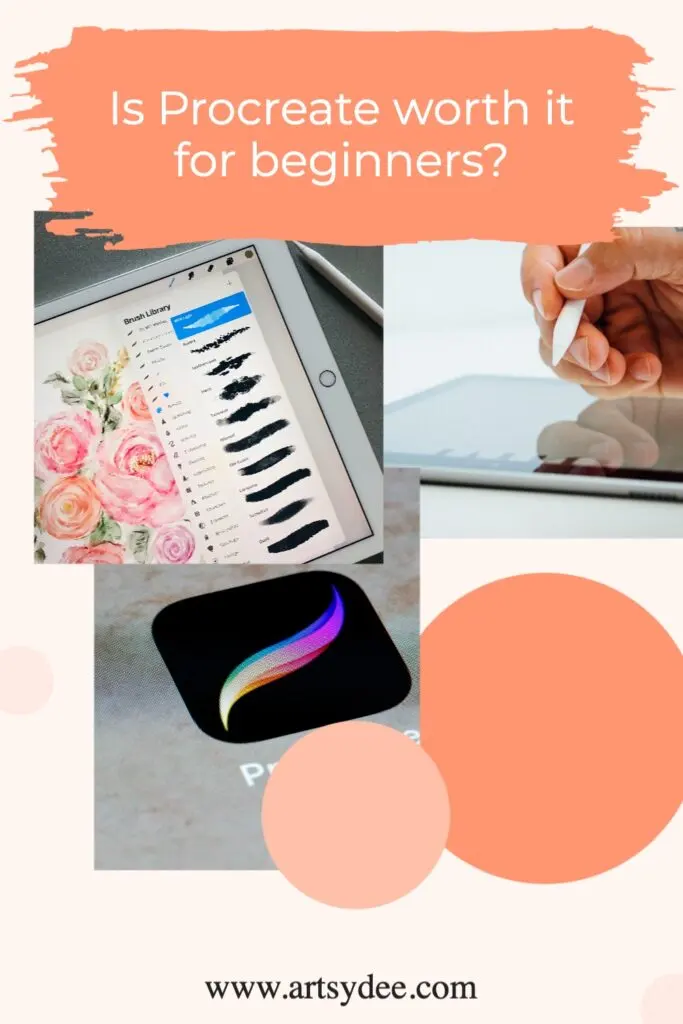
Digital tools are essential for the professional webtoon workflow. Clip Studio Paint is the industry standard, specifically designed with features like vector layers, perspective rulers, and specialized panel-cutting tools. It also offers a dedicated webtoon export setting that automatically slices long canvases into the smaller, manageable files required by most hosting platforms. Other popular options include Procreate for iPad users and Photoshop for those who prefer a traditional layering approach.
When choosing your software, prioritize programs that support high-resolution output and efficient file management. Since you will be producing dozens of panels per week, tools that allow for custom brushes and asset libraries will save significant time. Beginners should focus on mastering these technical aspects early:
- Learning how to use layers to separate line art from colors.
- Setting up a template file with your preferred canvas width.
- Practicing the use of clipping masks for faster shading.
- Exploring cloud storage options to back up your work frequently.
How to format panels for mobile
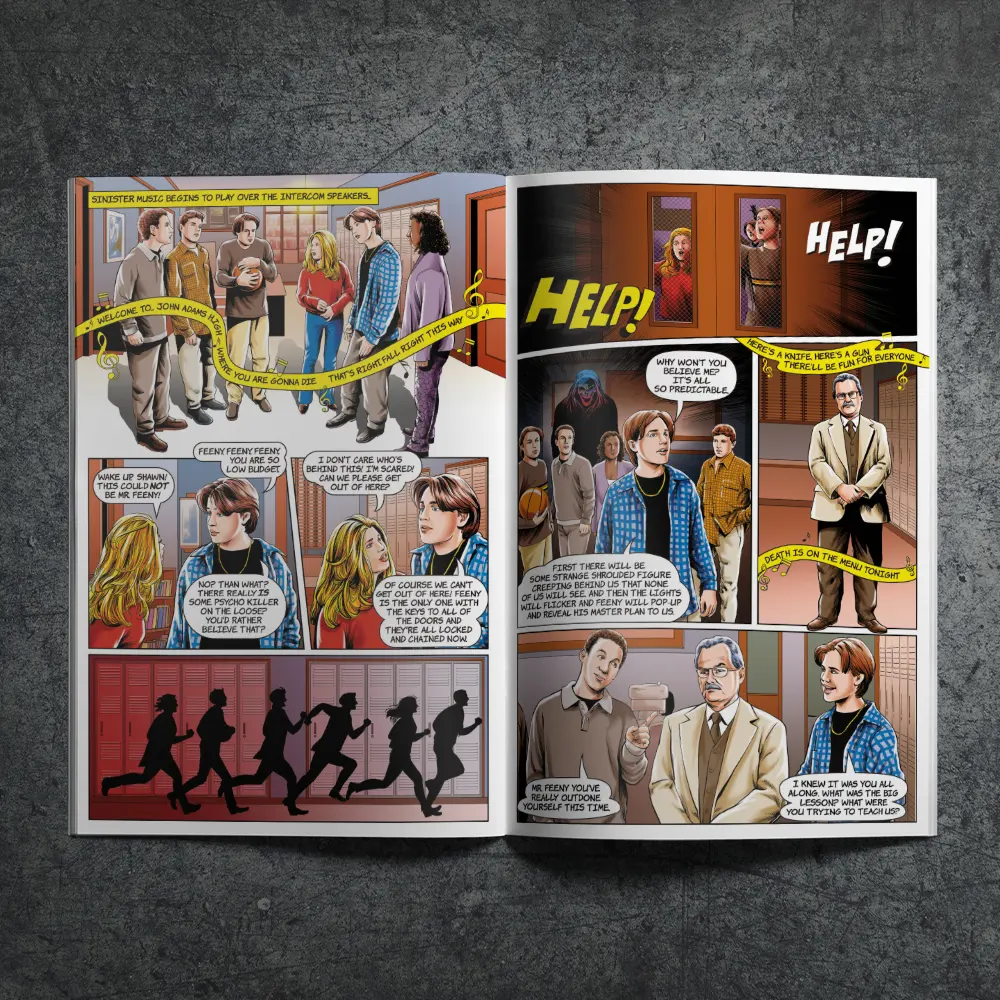
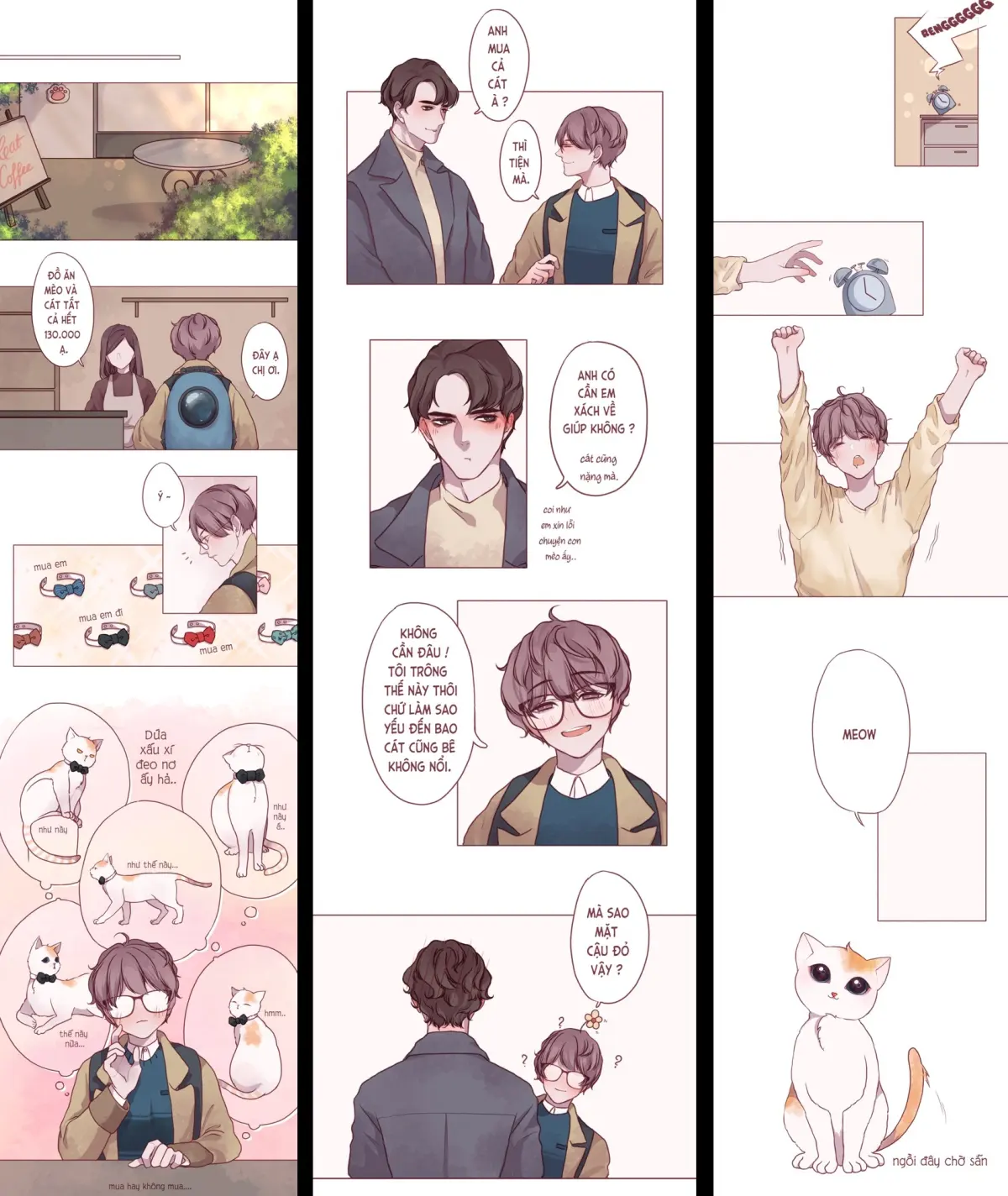
The defining feature of a webtoon is the vertical scroll, which replaces the traditional page-based layout of print comics. You should work on a long, continuous canvas—often 800 pixels wide by several thousand pixels long—to maintain the flow of the story. This format allows you to control the speed at which a reader consumes the action. Use large, empty gaps between panels to signify the passage of time or to build tension before a reveal.
Avoid cluttering your panels with too much text or overly complex backgrounds that distract from the main action. Keep your speech bubbles clean and ensure they are placed in the order the reader’s eye will follow, which is typically from top to bottom. If you are struggling with layout, study popular series to see how they use "white space" to guide the reader through the narrative. A well-formatted webtoon feels like a cinematic experience rather than a static image.
Common mistakes when making webtoons
A frequent error for new creators is failing to establish a realistic production schedule. Many artists underestimate the time required for coloring and shading, leading to burnout or inconsistent upload cycles. It is better to have a buffer of three to five completed episodes before you publish your first chapter. This safety net allows you to handle unexpected delays without missing your promised update date, which is crucial for maintaining audience retention on platforms.
Another common mistake is neglecting character consistency. Readers often notice if a character’s hair length or outfit changes unintentionally between panels. To avoid this, keep a reference folder open at all times while you work. Additionally, avoid over-complicating your art style. If your characters are too detailed, you will find it impossible to maintain quality over a long-term project. Aim for a style that is visually appealing but also efficient to draw repeatedly under tight deadlines.
How to promote your webtoon series
Once your first few episodes are ready, you must actively market your work to build a loyal readership. Use social media platforms like X, Instagram, and TikTok to share "work-in-progress" shots, character reveals, and short animated clips from your series. Engage with the community by participating in creator forums and responding to comments on your episodes. Building a personal connection with your readers encourages them to share your work with others, which is the most effective way to grow your audience organically.
Consistency is your most powerful marketing tool. Platforms often promote series that update on a predictable schedule, as this keeps users coming back to the app regularly. Use the analytics provided by your hosting site to see which episodes perform best and adjust your storytelling accordingly. By analyzing reader feedback and staying active in the community, you can refine your craft and turn a casual hobby into a professional creative endeavor that reaches readers around the world.
Key facts
- Webtoons are vertical-scrolling comics designed specifically for mobile devices rather than traditional print layouts.
- Standard dimensions for a single episode panel usually require a width of 800 pixels and a length of up to 1280 pixels.
- Most professional webtoon artists use digital drawing software like Clip Studio Paint, which includes specialized features for comic creation.
- A consistent production schedule is essential for growth, with many creators aiming to release one episode every week or two.
- Storyboarding your script before drawing prevents pacing issues and ensures the narrative flows smoothly down the vertical canvas.
- Proper file organization is critical, as a single chapter can contain dozens of individual image files that must be exported and uploaded correctly.
The bottom line
Creating a webtoon requires a blend of disciplined storytelling and digital artistic skill. By prioritizing a consistent release schedule, mastering vertical-scrolling formatting, and building a buffer of episodes, you can effectively manage the demands of the medium. Focus on developing compelling characters and clear visual narratives to keep your audience engaged. With dedication and strategic promotion, you can transform your creative vision into a successful digital series.
People also ask
Do I need to be a professional artist to start a webtoon?
You do not need formal training, but you do need a solid grasp of visual storytelling and character consistency. Many successful creators began with basic skills and improved their technique through regular practice and reader feedback.
How long should each webtoon episode be?
A typical episode ranges from 40 to 60 panels, though this varies based on the complexity of the art and the pacing of the story. Focus on maintaining a consistent length so your readers know what to expect from each update.
What is the best way to plan a webtoon story?
Start by writing a comprehensive outline that includes your character arcs and the major plot points of the entire series. Breaking the story into seasons or chapters helps you manage the workload and keep the narrative focused.
How do webtoon creators make money?
Creators often earn revenue through platform ad-revenue sharing, reader-funded fast passes, or direct support through services like Patreon. Some artists also sell merchandise or license their work for print editions once they build a large audience.
What are the most common mistakes beginners make?
The most frequent error is starting a project without a buffer of completed episodes, which leads to burnout and missed deadlines. Another mistake is neglecting the vertical layout, resulting in panels that feel cramped or difficult to read on a phone.
How do I promote my webtoon to get more readers?
Utilize social media platforms like X, Instagram, and TikTok to share character designs, behind-the-scenes sketches, and teaser trailers. Engaging with comic communities and participating in collaborative events can also help increase your visibility to potential fans.
This answer was created with the help of AI research tools and reference sources. Spotted an error? Let us know — we correct mistakes quickly. See our editorial policy.