How do you self-publish a book?
Short answer
Self-publishing involves preparing your manuscript, designing a professional cover, and uploading your files to a distribution platform like Amazon Kindle Direct Publishing or IngramSpark. You act as the publisher, managing the editing, formatting, and marketing yourself. By retaining full creative control, you earn higher royalties compared to traditional publishing models.
On this page
How to prepare a manuscript for self-publishing
Before uploading your work, you must ensure the text is polished to a professional standard. Self-publishing places the burden of quality control entirely on the author. Most successful independent authors hire professional editors to review their work for structural issues, copy errors, and proofreading mistakes. Skipping this step often results in negative reader reviews and poor sales performance.
Once the editing is complete, you must format your manuscript for both digital and physical formats. E-books typically require EPUB files, while print-on-demand services often use PDF files with specific margin and bleed settings. You can use software like Vellum, Atticus, or Adobe InDesign to ensure your text looks professional on various devices. Follow these steps to prepare your files:
- Complete a comprehensive developmental edit to fix plot or pacing issues.
- Hire a professional copy editor to address grammar and syntax.
- Format your interior pages to include proper front matter, such as a title page and copyright notice.
- Export your final files into the specific formats required by your chosen platforms.
Best self-publishing platforms for beginners
Several distribution platforms dominate the market, each offering different reach and royalty structures. Amazon Kindle Direct Publishing (KDP) is the most popular choice, as it provides access to the world’s largest bookstore and allows for easy enrollment in Kindle Unlimited. However, many authors choose a "wide" strategy, distributing through multiple channels to reach readers who do not use Amazon.
Aggregators act as intermediaries that distribute your book to various retailers and libraries simultaneously. Using an aggregator simplifies the process by requiring only one upload, though they typically take a small percentage of your royalties as a fee. Consider these primary options when choosing where to host your book:
- Amazon KDP: The industry standard for e-books and print-on-demand paperbacks.
- IngramSpark: Excellent for reaching independent bookstores and libraries through global distribution.
- Draft2Digital: A user-friendly aggregator that distributes to Apple Books, Barnes & Noble, and Kobo.
- Smashwords: A long-standing platform now integrated with Draft2Digital for broad retail reach.
How long does it take to self-publish a book
The timeline for self-publishing varies significantly based on your preparation and budget. If you have a finished manuscript, the technical process of uploading files and setting up metadata can be completed in a single afternoon. However, the pre-production phase—including editing, cover design, and interior formatting—usually takes between three to six months for a high-quality result.
Rushing the pre-production phase is a common error that compromises the book's success. Professional cover designers often have wait times, and quality editing cannot be performed overnight. You should also factor in time for beta readers to provide feedback and for you to incorporate their suggestions. By setting a realistic launch date, you allow enough time for pre-marketing efforts, which are essential for generating initial momentum on launch day.
Common mistakes when self-publishing a book
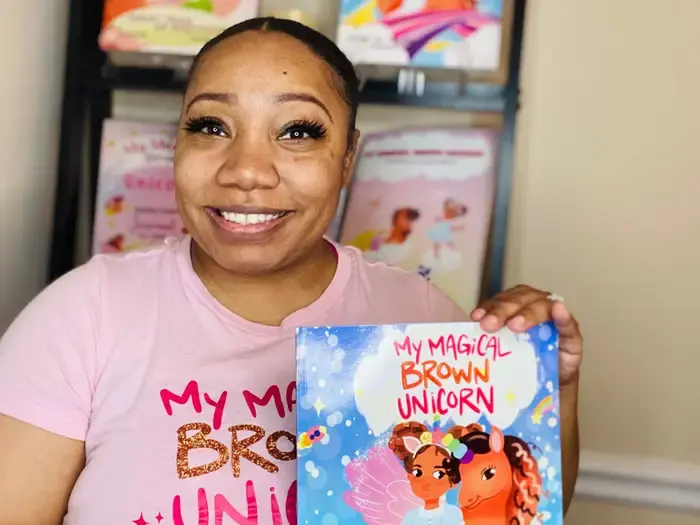
The most frequent mistake authors make is neglecting the importance of a professional book cover. Readers often judge a book by its thumbnail image, and a homemade cover signals that the content inside may be amateurish. Investing in a designer who understands your specific genre is one of the most effective ways to increase your conversion rate.
Another major pitfall is failing to understand metadata and keyword optimization. Your book needs to be discoverable through search engines and store algorithms. If you do not research the keywords and categories your target audience uses, your book will likely remain invisible in the vast digital marketplace. Avoid these common errors to improve your chances:
- Uploading a manuscript that has not been professionally proofread.
- Choosing a cover that does not match the visual conventions of your genre.
- Ignoring the importance of a compelling book description that hooks the reader.
- Failing to build an email list or author platform before the official launch.
Why marketing is essential for self-publishing
Self-publishing requires you to transition from an author to a business owner. Even the best-written book will not sell if readers do not know it exists. Marketing involves a mix of organic social media engagement, paid advertising, and direct communication with your audience. Many authors find success by running targeted ads on platforms like Amazon, Facebook, or BookBub to drive initial traffic to their store pages.
Building an author platform is a long-term strategy that pays off over multiple book releases. By capturing email addresses through a newsletter, you create a direct line of communication with your readers, bypassing the algorithms of social media sites. This allows you to announce new releases and promotions directly to your most loyal fans. Consistency is key, as sporadic marketing efforts rarely yield the sustained sales momentum required to build a sustainable career as an independent author.
Key facts
- Amazon Kindle Direct Publishing (KDP) controls approximately 80% of the self-published eBook market.
- You retain full copyright and creative control over your work when self-publishing, unlike traditional publishing.
- Professional editing and cover design are the two most critical investments for achieving commercial success.
- Most self-published authors earn royalties ranging from 35% to 70% of the retail price, depending on the platform.
- ISBNs are required for print books if you intend to sell them through major retailers like Barnes & Noble.
- IngramSpark is the industry standard for distributing physical books to libraries and independent bookstores globally.
The bottom line
Self-publishing empowers authors to retain creative control and higher royalty rates, but it requires treating the process like a small business. Success relies on investing in professional editing and cover design, selecting the right distribution platforms, and executing a consistent marketing strategy. By focusing on quality production and targeted audience outreach, you can successfully navigate the transition from a private writer to a published author.
People also ask
How much does it cost to self-publish a book?
Costs vary widely based on your goals, but a professional production typically ranges from $500 to $5,000. This budget covers essential services like developmental editing, copyediting, interior formatting, and professional cover design.
Do I need an ISBN to publish my book?
You need an ISBN for print editions to be sold in retail stores, but many eBook platforms provide free internal tracking numbers. In the United States, Bowker is the official agency that sells ISBNs to authors.
How do I get my book into physical bookstores?
To reach physical shelves, you must use a distributor like IngramSpark that offers wholesale discounts to retailers. Most bookstores will not stock books that are not returnable or that do not meet standard industry pricing models.
Is it better to publish exclusively on Amazon?
Amazon’s KDP Select program offers promotional tools like Kindle Countdown Deals in exchange for 90-day exclusivity. If you prefer to reach readers globally through Apple Books, Kobo, or libraries, "wide" distribution is often a more sustainable long-term strategy.
How do authors market their own books?
Successful authors focus on building an email list of readers before their book launches. They also utilize social media, targeted newsletter advertisements, and Amazon Ads to drive traffic to their sales pages.
Can I still get a traditional publishing deal after self-publishing?
Yes, many authors use self-publishing to prove their marketability to traditional agents. If your book achieves significant sales numbers, it can serve as a powerful pitch for a future traditional contract.
This answer was created with the help of AI research tools and reference sources. Spotted an error? Let us know — we correct mistakes quickly. See our editorial policy.