What does an art therapist do?
Short answer
An art therapist is a mental health professional who uses the creative process of making art to improve the physical, mental, and emotional well-being of individuals. By facilitating sessions involving drawing, painting, or sculpting, they help clients explore feelings, manage stress, resolve conflicts, and develop personal insight in a safe, therapeutic environment.
On this page
What does an art therapist do daily?
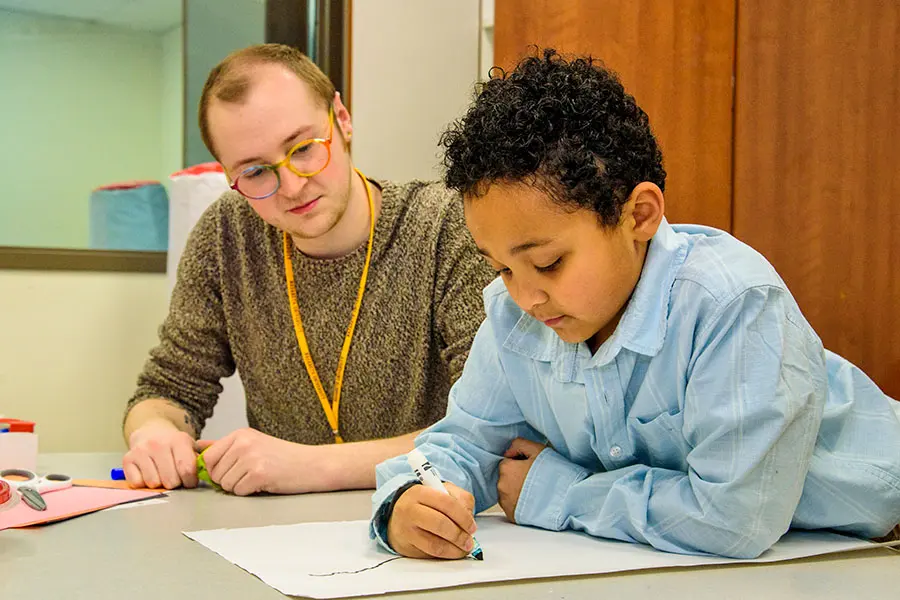
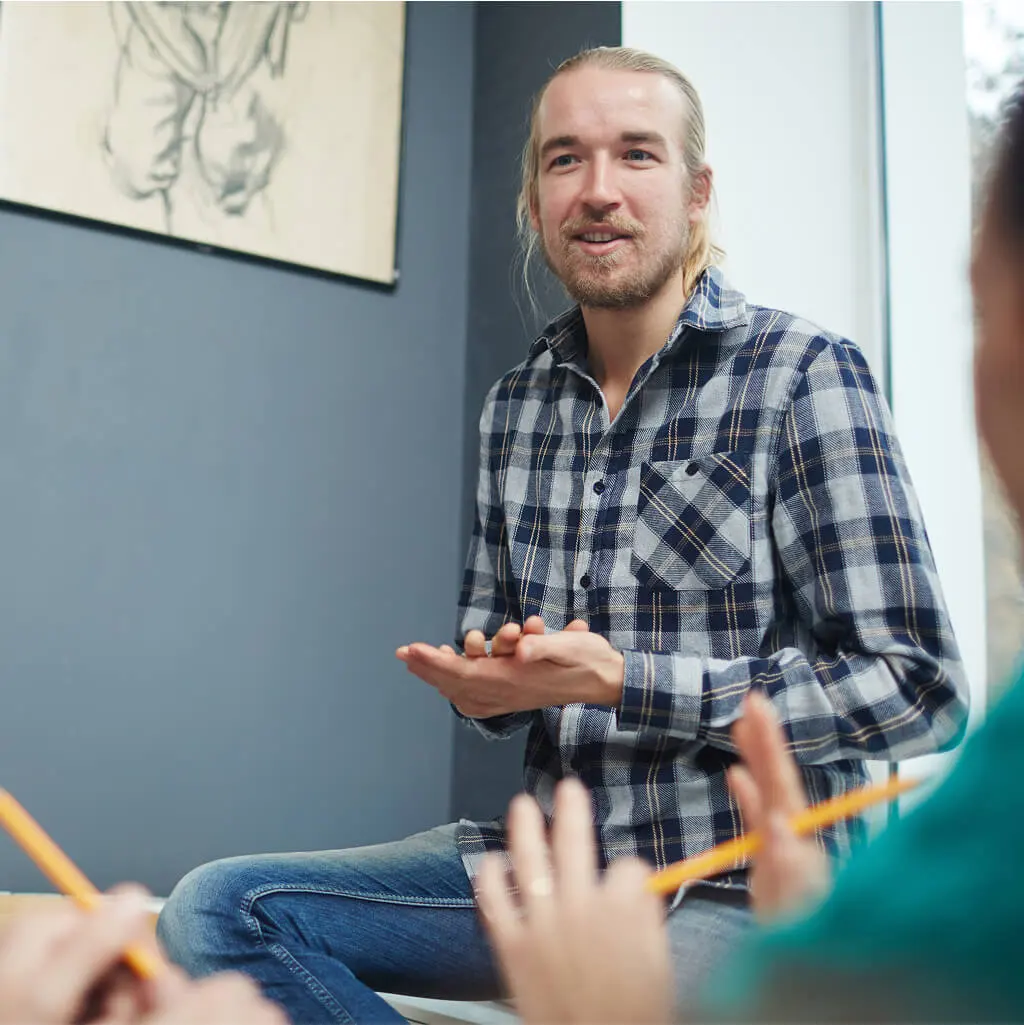
Art therapists facilitate a structured creative process designed to help clients express thoughts or emotions that may be difficult to verbalize. During a typical session, the therapist provides a variety of materials, such as clay, paint, pastels, or collage supplies, and guides the client through an activity tailored to their specific therapeutic goals. Unlike a traditional art class, the focus is not on the aesthetic quality of the final product, but rather on the internal process and the meaning the client assigns to their creation.
The therapist observes the client’s approach, body language, and verbal reflections to gain insight into their psychological state. They often work in diverse settings, including hospitals, schools, private practices, and community centers, adapting their methods to suit populations ranging from children with developmental delays to veterans suffering from post-traumatic stress disorder. By fostering a non-judgmental space, the therapist helps clients externalize their internal experiences, which can lead to significant breakthroughs in self-awareness and emotional regulation.
How do I become an art therapist?
Becoming an art therapist requires a rigorous academic and clinical path that combines psychology with studio art training. Most countries, including the United States, require a master’s degree from an accredited program that includes specific coursework in art therapy theory, clinical practice, and ethics. Students must also complete hundreds of hours of supervised clinical internships to gain hands-on experience before entering the workforce independently.
- Earn a bachelor’s degree in psychology, fine arts, or a related field.
- Complete prerequisite studio art courses to demonstrate artistic competency.
- Obtain a master’s degree in art therapy from a program approved by professional boards.
- Accumulate supervised clinical hours as required by state or national licensing bodies.
- Pass a board certification exam to earn professional credentials.
Following these steps ensures that practitioners are equipped to handle the complex emotional needs of their clients while maintaining professional safety standards.

Who benefits from art therapy?
Art therapy is a versatile intervention used to treat a wide array of mental health, behavioral, and physical conditions. It is particularly effective for individuals who struggle with traditional talk therapy, as the act of making art can bypass defensive barriers and provide a tangible way to communicate complex feelings. Research has shown that creative expression can lower cortisol levels, improve cognitive function, and enhance quality of life for those dealing with chronic illness or trauma.
- Children experiencing grief, trauma, or behavioral challenges in school.
- Individuals recovering from substance abuse or addiction.
- Patients managing chronic pain or long-term physical illnesses.
- Older adults dealing with dementia or cognitive decline.
- People suffering from anxiety, depression, or post-traumatic stress disorder.
By providing a non-verbal outlet, art therapy allows these diverse groups to process their experiences in a way that feels safe, empowering, and deeply personal.

Common mistakes when starting art therapy
A frequent mistake for beginners is focusing too heavily on the final visual result rather than the therapeutic process. When a client or therapist becomes preoccupied with making the art look "good," the session can shift from a healing exploration to a performance-based task. This shift often inhibits the client’s honesty and limits the depth of the emotional work. Another common error is interpreting a client’s artwork without their input. A therapist should never assume they know what a specific color or shape means to a client; instead, they must ask open-ended questions to allow the client to define the meaning themselves.
- Projecting personal interpretations onto a client’s artwork.
- Criticizing or evaluating the artistic skill of the client.
- Rushing the process to reach a specific diagnostic conclusion.
- Ignoring the client’s verbal feedback regarding their own creation.
- Failing to establish clear boundaries regarding the safety of materials.
Avoiding these pitfalls ensures that the creative space remains a sanctuary for the client’s authentic expression and growth.
Why choose art therapy over talk therapy?
While talk therapy relies heavily on linguistic processing, art therapy engages the brain’s sensory and emotional centers, which are often more accessible for trauma survivors. Many people find that words are insufficient to describe the intensity of their experiences, making the visual medium a more effective tool for communication. By externalizing an internal struggle, a client can view their problems from a different perspective, effectively creating a "third object" in the room that can be analyzed, modified, or even destroyed to symbolize change.
This approach is particularly helpful for those who are highly guarded or have difficulty identifying their own emotions. The physical act of manipulating materials can also provide a grounding effect, helping clients stay present and calm during intense sessions. Ultimately, art therapy offers a unique, evidence-based alternative that bridges the gap between the mind and the body, providing a holistic path toward healing that is both deeply reflective and remarkably transformative for those who engage in the process.
Key facts
- Art therapists hold a master’s degree or higher in art therapy or a related mental health field.
- Sessions utilize various media, including painting, drawing, clay, and collage, to facilitate emotional expression.
- The practice is rooted in the belief that the creative process is inherently healing and life-enhancing.
- Art therapists work in diverse settings, such as hospitals, schools, private practices, and community centers.
- You do not need artistic talent or experience to benefit from art therapy sessions.
- Practitioners must maintain strict ethical standards regarding client confidentiality and professional boundaries.
The bottom line
Art therapy is a professional mental health discipline that uses the creative process to help individuals improve their physical, mental, and emotional well-being. By engaging with art materials under the guidance of a trained therapist, clients can explore their feelings, resolve conflicts, and develop new coping mechanisms. It remains a powerful, non-verbal tool for healing that transcends traditional talk therapy by accessing deeper psychological insights.
People also ask
Do I need to be a talented artist to participate in art therapy?
No, artistic skill is irrelevant to the success of art therapy. The focus is on the process of creation and self-expression rather than the aesthetic quality of the final product.
How does art therapy differ from a standard art class?
An art class focuses on technique, skill development, and the final result. Art therapy prioritizes the internal experience, emotional processing, and the symbolic meaning behind the work created during the session.
What specific mental health conditions can art therapy treat?
It is used to support individuals dealing with trauma, depression, anxiety, grief, and cognitive impairments. It is also effective for managing stress and improving self-esteem in both children and adults.
Is art therapy covered by health insurance?
Coverage varies significantly depending on your provider, location, and the therapist's credentials. It is recommended to contact your insurance company directly to verify if they cover services provided by a licensed creative arts therapist.
Can art therapy be done in a group setting?
Yes, group art therapy is common and provides the added benefit of social support. Participants can share their experiences and gain perspective by viewing the creative work of others in the group.
How long does a typical art therapy session last?
Most sessions last between 45 and 60 minutes. This timeframe allows enough space for a brief check-in, the creative process, and a discussion about the artwork produced.
This answer was created with the help of AI research tools and reference sources. Spotted an error? Let us know — we correct mistakes quickly. See our editorial policy.