What is a bust in sculpture?
Short answer
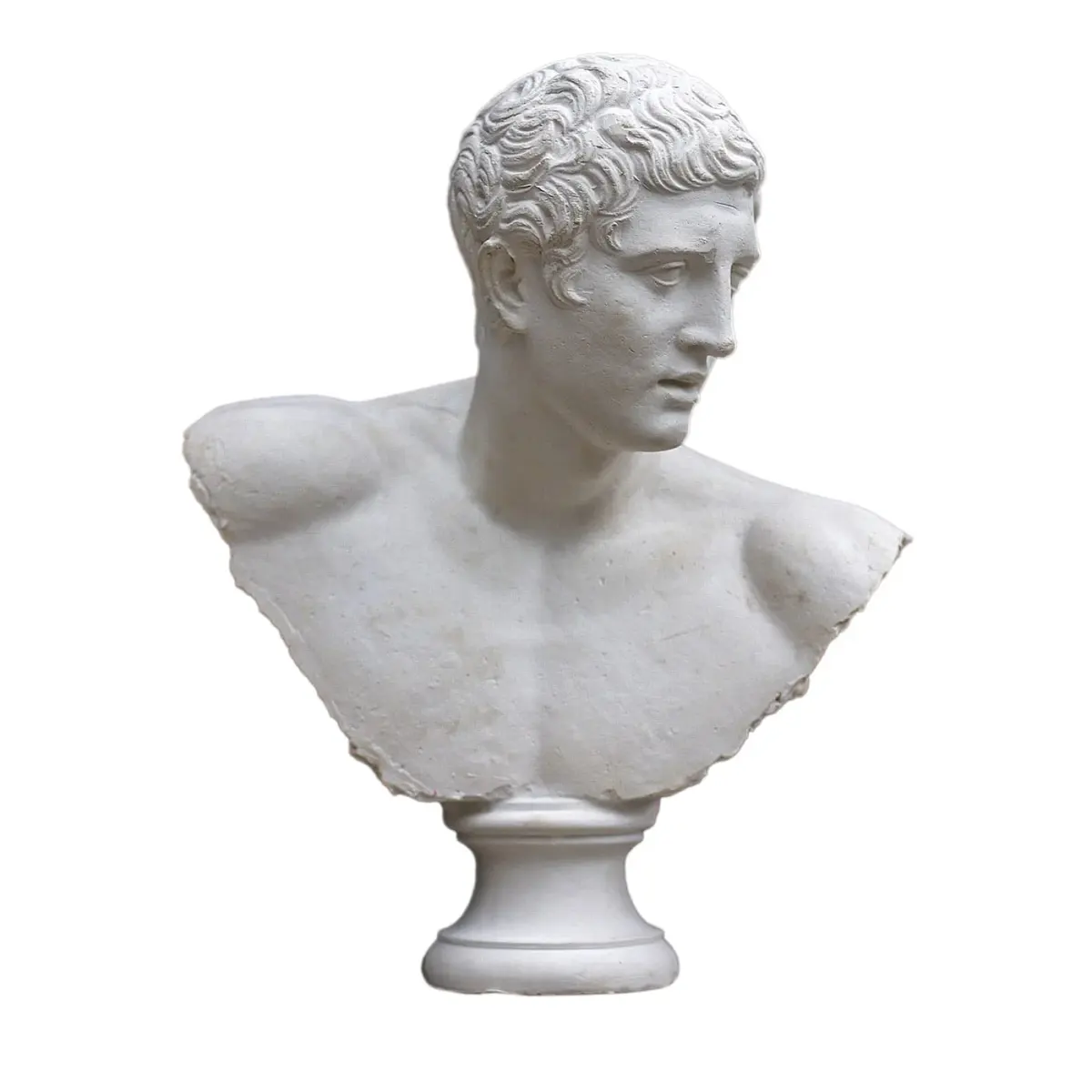
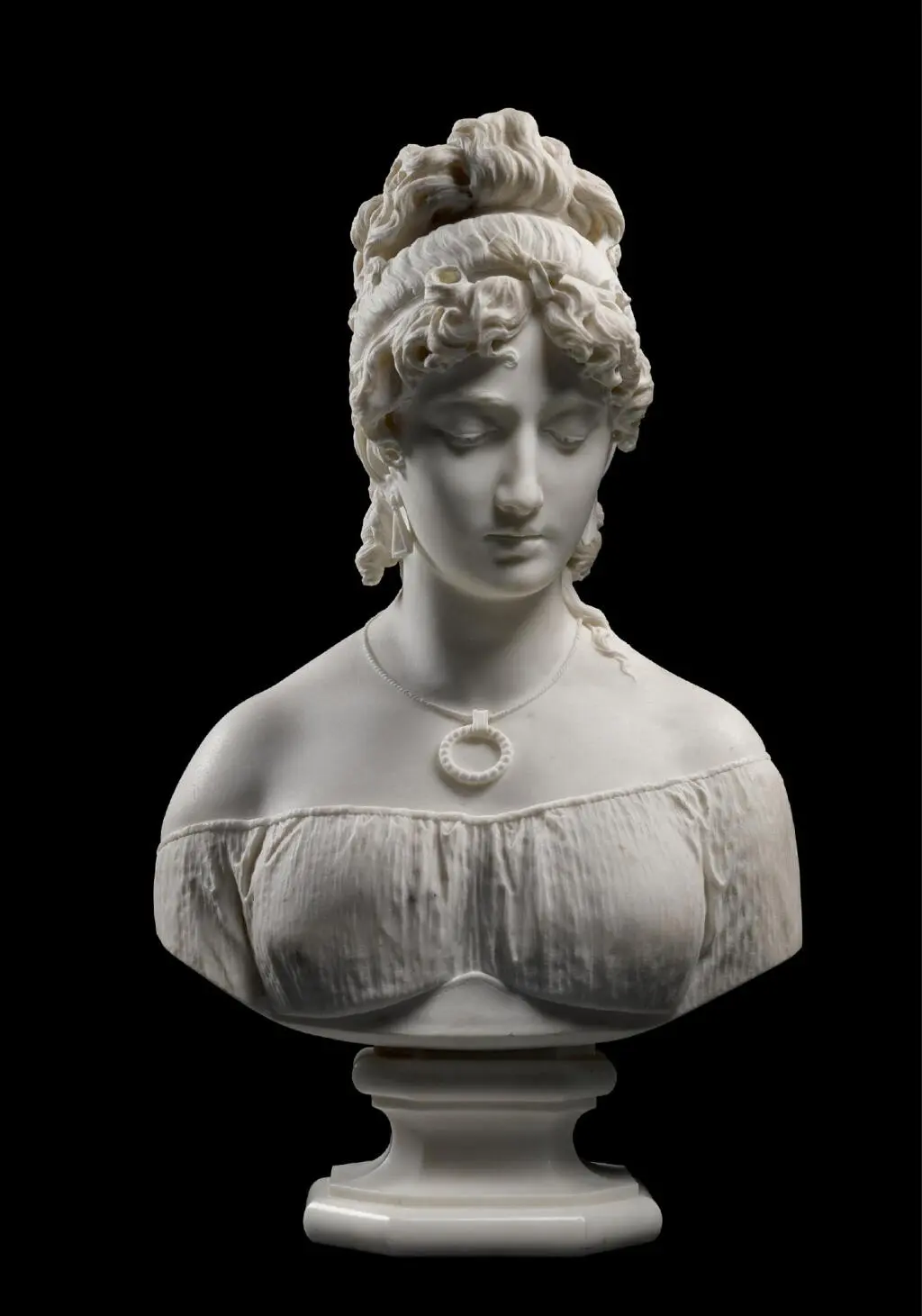
A bust is a sculpted representation of a person’s head, neck, and upper chest, typically mounted on a pedestal. Historically, these portraits focused on capturing the likeness, social status, or character of the subject. While common in ancient Rome, the form remains a fundamental exercise in portraiture for sculptors working in various mediums.
On this page
What is the history of the bust?
The tradition of the bust dates back to ancient civilizations, but it reached a peak of popularity during the Roman Republic. Romans practiced the custom of creating imagines, which were wax masks of deceased ancestors kept in the home. These evolved into permanent stone busts, often characterized by verism, a hyper-realistic style that emphasized wrinkles, scars, and aging to convey wisdom and experience. This focus on individual identity served as a visual record of lineage and political authority.
During the Renaissance, the art form experienced a revival as artists like Donatello and Verrocchio sought to emulate the classical aesthetic. By the 18th and 19th centuries, portrait busts became a standard commission for the European aristocracy and the rising middle class. They functioned as a way to memorialize achievements or display personal wealth in libraries and public squares. Today, the bust remains a staple of academic art training, serving as a primary method for studying human anatomy and facial expression.
How to sculpt a bust for beginners
Creating a bust requires a systematic approach to ensure proper proportions and structural integrity. Beginners should start with a sturdy armature, which acts as the skeleton for the clay. Without a strong central support, the weight of the material can cause the piece to collapse or lean. Once the armature is set, focus on establishing the "gesture" or the tilt of the head before adding volume.
- Build a wooden or metal armature that includes a vertical rod for the neck and a support for the head.
- Apply clay in large, rough masses to establish the basic silhouette and volume of the head and shoulders.
- Use calipers to measure and transfer key anatomical landmarks, such as the distance between the eyes or the width of the jaw.
- Refine the planes of the face, working from the largest shapes to the smallest details like the eyelids and lips.
- Smooth the surface using loops or wooden tools, ensuring the transition between the neck and chest appears natural.
Best materials for sculpting a bust
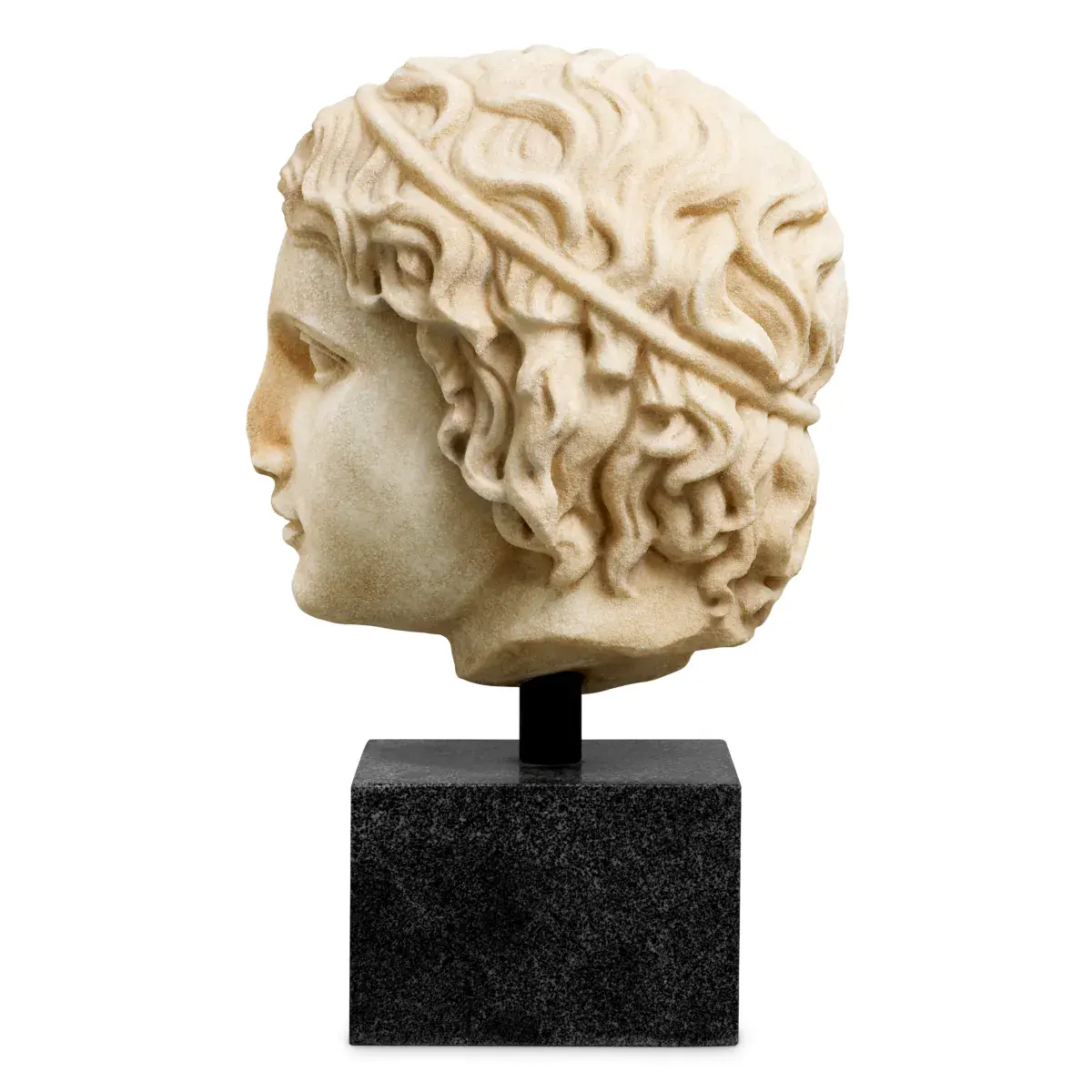
The choice of material significantly impacts the final look and durability of the sculpture. Many beginners prefer water-based clay because it is inexpensive and easy to manipulate, though it requires constant moisture to prevent cracking. Oil-based clay, often called plasteline, is another popular option because it never dries out, allowing the artist to work on the piece over several weeks or months without fear of it hardening prematurely.
For those looking to create a permanent work, bronze casting or stone carving are the professional standards. Bronze requires a complex process of mold-making and molten metal pouring, while stone carving involves the subtractive method of removing material from a solid block. Modern artists also utilize synthetic resins and 3D-printed materials to achieve high levels of detail. Regardless of the medium, the artist must understand the physical limitations of their chosen substance to avoid structural failure during the creation process.
Why proportions matter in a bust
Proportions are the most critical element in creating a convincing portrait. A common rule of thumb is that the eyes are located roughly halfway down the height of the head. Beginners often make the mistake of placing eyes too high, which creates a distorted, alien appearance. Understanding the underlying skull structure is essential, as the skin and muscles simply drape over the bone.
- The distance between the eyes is typically equal to the width of one eye.
- The base of the nose usually aligns with the top of the ears.
- The width of the mouth generally aligns with the centers of the pupils.
- The neck should be thick enough to support the weight of the head visually and physically.
If these ratios are ignored, the bust will look "off" even if the surface details are perfectly rendered. Always check your work from multiple angles, as a sculpture that looks correct from the front may appear flat or distorted from the side.
Common mistakes when sculpting a bust
One of the most frequent errors is failing to account for the "shoulder line" and how it impacts the overall balance of the piece. Beginners often make the shoulders too narrow, which makes the head appear disproportionately large. Additionally, many artists focus too heavily on surface details like hair or skin texture before the underlying anatomy is correct. This leads to a finished piece that looks like a mask rather than a three-dimensional human head.
Another common pitfall is the "death mask" effect, where the eyes and mouth appear lifeless because the artist failed to capture the subtle tension of the muscles. To avoid this, observe the way the skin pulls around the mouth and eyes during different expressions. Always step back from your work frequently to assess the silhouette from a distance. By maintaining a focus on the structural foundation rather than rushing into fine details, you will ensure a more professional and accurate result that stands the test of time.
Key facts
- A bust is a sculpted portrait that represents only the upper portion of the human body, typically including the head, neck, shoulders, and upper chest.
- The term originates from the Italian word "busto," which refers to the upper part of the body.
- Busts were highly popular in Ancient Rome, where they were often used to honor ancestors or political leaders.
- Artists typically use materials such as marble, bronze, terracotta, plaster, or wood to create these sculptures.
- When sculpting a bust, maintain symmetry by using calipers to measure the distance from the nose to the ears on both sides.
- A common mistake is failing to account for the weight of the material; ensure the base is wide enough to prevent the bust from tipping over.
The bottom line
A bust is a distinct sculptural form focusing exclusively on the head, neck, and shoulders of a subject. Whether crafted from classical marble or contemporary clay, it serves as a powerful medium for portraiture and historical commemoration. By mastering basic anatomical proportions and structural balance, artists can create enduring representations that capture the essence of a person while maintaining a compact and elegant physical form.
People also ask
What is the difference between a bust and a full-length statue?
A bust is restricted to the head and shoulders, whereas a full-length statue depicts the entire body from head to toe. This distinction allows artists to focus specifically on facial features and expressions without the complexity of representing limbs or posture.
Why were busts so common in the Roman Empire?
Romans valued ancestral lineage and used busts to preserve the likenesses of deceased family members, a practice known as the imagines. These portraits were displayed in homes to demonstrate social status and familial pride.
What tools are needed to start sculpting a bust?
Beginners should start with clay, a wooden armature for structural support, wire loops, and wooden modeling tools. These items allow for the addition and removal of material while keeping the sculpture stable during the creative process.
How do artists ensure a bust looks realistic?
Artists often use anatomical studies to understand the underlying bone structure of the skull. By mapping out the placement of the eyes, nose, and mouth relative to the jawline, they can achieve accurate proportions.
Can a bust be hollow?
Yes, many busts are made hollow to save on material costs and reduce the overall weight of the sculpture. If using clay, the artist must ensure the walls are of even thickness to prevent cracking during the firing process.
Are all busts meant to be realistic portraits?
Not necessarily, as many busts are stylized or abstract representations. While historical busts often aimed for hyper-realism, modern artists frequently manipulate proportions to convey emotion or artistic themes rather than a literal likeness.
This answer was created with the help of AI research tools and reference sources. Spotted an error? Let us know — we correct mistakes quickly. See our editorial policy.