What is the history of the art museum?
Short answer
The art museum evolved from private collections of the elite into public institutions dedicated to education and cultural preservation. Beginning with Renaissance cabinets of curiosities, the concept shifted during the Enlightenment toward state-funded galleries. Today, these institutions serve as vital public spaces for interpreting human history through visual expression and scholarship.
On this page
How did art museums begin?
The history of the art museum traces back to the "studiolo" and "cabinet of curiosities" favored by Renaissance nobility. During the 15th and 16th centuries, wealthy patrons like the Medici family in Florence gathered paintings, sculptures, and exotic artifacts in private rooms. These collections were not intended for the public; rather, they served as symbols of status, intellectual curiosity, and power for the elite.
By the 17th century, these private holdings began to expand into more structured galleries. The Ashmolean Museum in Oxford, opened in 1683, is often cited as the first university-affiliated public museum. However, it was the Enlightenment that truly transformed the museum from a private treasure chest into a civic institution. Philosophers and leaders began to argue that art belonged to the public, leading to the eventual opening of royal collections to the citizenry.
Why did museums become public institutions?
The French Revolution served as the primary catalyst for the modern public museum. When the French monarchy was overthrown in 1789, the state seized royal art collections, declaring them the property of the people. The Louvre in Paris opened its doors to the public in 1793, setting a precedent that art was a tool for national education and cultural identity rather than a sign of aristocratic luxury.
Following this shift, nations across Europe and eventually the United States began establishing museums to foster civic pride. These institutions were designed to organize human knowledge through classification and display. By the 19th century, the museum had become a standard feature of the modern city, reflecting the era's belief in progress and the importance of preserving historical heritage for future generations.
- The Louvre (1793): Established the model of the national art museum.
- The British Museum (1759): Focused on universal knowledge and archaeology.
- The Metropolitan Museum of Art (1870): Pioneered the private-public partnership model in America.
What are the main types of art museums?
Art museums today are categorized by the scope and nature of their collections. Some institutions are encyclopedic, meaning they house works from diverse cultures and time periods, such as the Art Institute of Chicago. Others are specialized, focusing exclusively on specific mediums, eras, or regions. This diversity allows visitors to engage with art in ways that suit their specific interests.
Common categories include:
- Encyclopedic Museums: Feature broad collections spanning thousands of years.
- Contemporary Art Museums: Focus on works produced from the mid-20th century to the present.
- Single-Artist Museums: Dedicated to the life and works of one specific creator, such as the Van Gogh Museum.
- Regional Museums: Highlight the cultural heritage of a specific geographic area.
Understanding these distinctions helps visitors navigate the vast landscape of global art institutions. Whether seeking a broad overview of human achievement or a deep dive into a specific movement, there is likely a specialized museum designed for that purpose.
Common mistakes when visiting art museums
Many visitors feel overwhelmed by the sheer volume of objects in large museums. A common mistake is attempting to see every single gallery in a single day, which leads to "museum fatigue." This phenomenon results in diminished focus and a lack of appreciation for the individual works of art. Instead, it is better to select a few key galleries or a specific exhibition to experience thoroughly.
Another error is ignoring the context provided by museum labels and wall text. These descriptions offer vital historical background, artistic techniques, and the provenance of the work. Without reading these, a viewer misses the narrative that connects the object to its time period. To improve the experience, follow these practical steps:
- Check the museum map online before arriving to identify priority galleries.
- Limit your visit to two or three hours to maintain mental energy.
- Use the museum’s audio guide to gain expert insights into specific pieces.
- Take breaks in the museum café to process what you have viewed.
How do museums curate their collections?
Curating an art museum involves far more than simply hanging pictures on a wall. Curators are experts who research, acquire, and interpret objects to tell a cohesive story. They must balance the preservation of fragile items, which require strict climate control and lighting, with the need to make art accessible and engaging for the public. This balance is the central challenge of modern museum management.
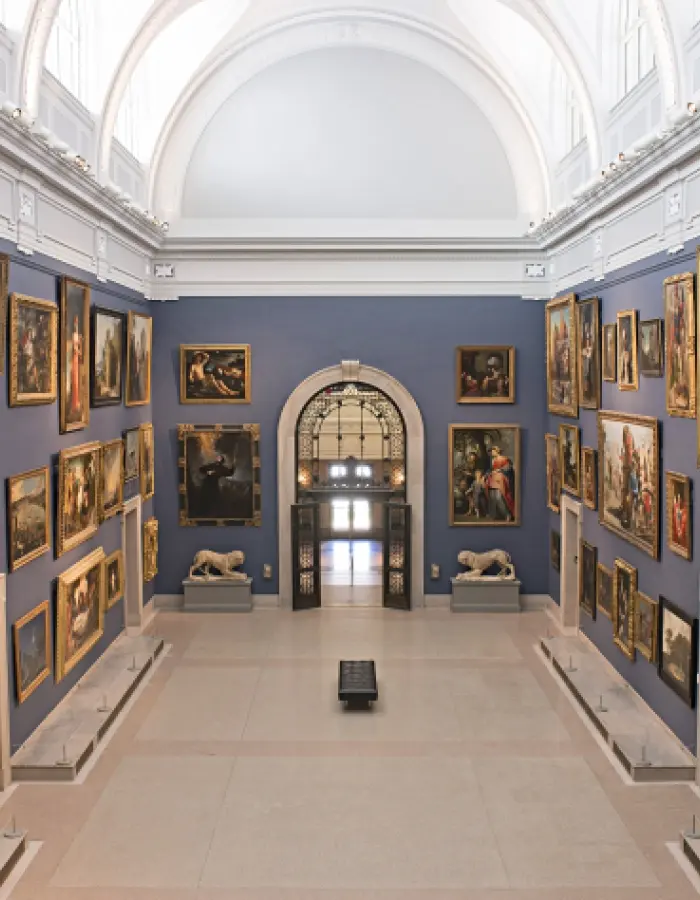
The process of curation has evolved significantly over the last century. Early museums often displayed objects in dense, floor-to-ceiling arrangements, but modern practices favor minimalist, spacious layouts that allow individual works to stand out. Furthermore, contemporary curators strive to include diverse perspectives, often re-evaluating historical collections to ensure they reflect a more inclusive narrative. By constantly rotating displays and hosting temporary exhibitions, museums ensure that their collections remain relevant, dynamic, and educational for every generation of visitors who walk through their doors.
Key facts
- The Capitoline Museums in Rome, established in 1471, are widely considered the world’s oldest public museum.
- The Enlightenment era shifted museums from private royal cabinets of curiosities to institutions intended for public education.
- The Louvre in Paris opened as a public museum in 1793, following the French Revolution, to display national treasures.
- Modern museums often use a "white cube" gallery style to minimize distractions and focus attention solely on the artwork.
- When visiting a museum, check the website beforehand to see if timed entry tickets are required to avoid long queues.
- Avoid touching artwork, as natural oils from human skin can cause irreversible chemical damage to paintings and sculptures.
The bottom line
The history of the art museum reflects a transition from private displays of power to democratic spaces for public enlightenment. From Renaissance collections to modern global institutions, these spaces serve as vital guardians of human creativity. By understanding how museums operate and respecting their preservation protocols, visitors can better engage with the history and cultural significance embedded within the world's most treasured artistic achievements.
People also ask
Why do museums often have low lighting in their galleries?
Light exposure causes cumulative damage to pigments, paper, and textiles over time. Museums dim lights to preserve fragile artifacts for future generations to enjoy.
How do museums acquire their collections?
Museums obtain works through donations, bequests from private estates, or direct purchases at auctions. Some institutions also commission new works from contemporary artists to stay relevant.
What is the difference between a museum and a gallery?
A museum typically owns and preserves a permanent collection of historical or cultural significance. A gallery, particularly a commercial one, primarily focuses on the temporary exhibition and sale of contemporary art.
Why are some museum artifacts kept in storage?
Most museums can only display a small fraction of their holdings at any given time due to limited gallery space. Items in storage are often used for scholarly research or rotated into exhibitions periodically.
How do museums determine the value of an artwork?
Valuation is based on factors like the artist’s reputation, the work’s provenance, and its physical condition. Experts also look at recent sales data for similar works to estimate current market worth.
Can I take photographs inside a museum?
Policies vary by institution, but many now allow personal photography without flash. Always look for signage or ask staff, as some temporary exhibitions prohibit photos due to copyright agreements.
This answer was created with the help of AI research tools and reference sources. Spotted an error? Let us know — we correct mistakes quickly. See our editorial policy.