What is the Prado Museum known for?
Short answer
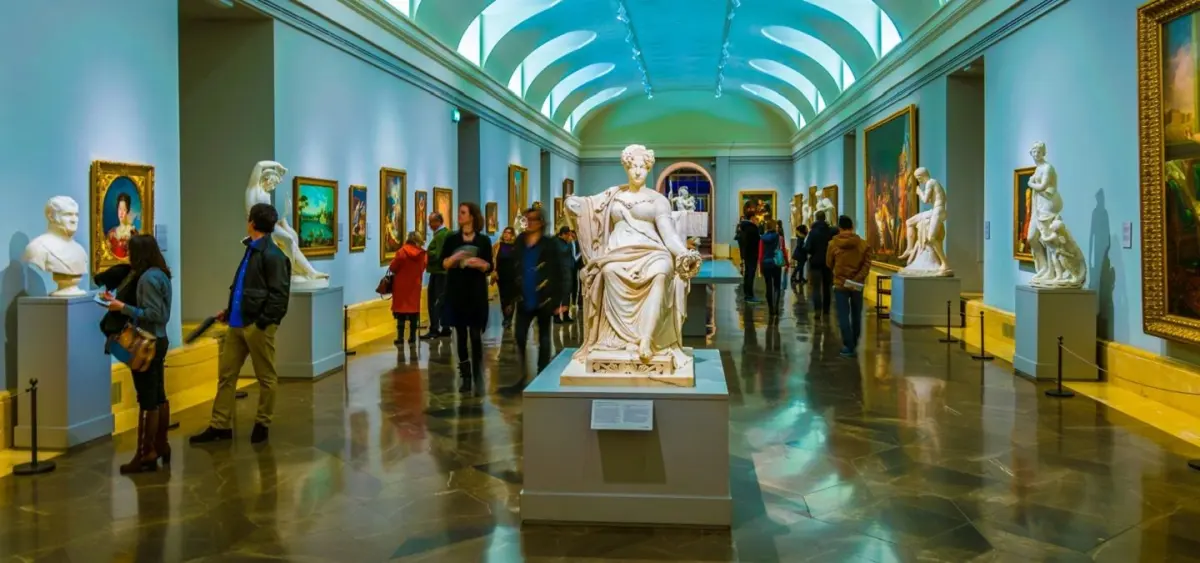
The Museo del Prado in Madrid is world-renowned for housing the finest collection of Spanish art, including masterpieces by Velázquez, Goya, and El Greco. Established in 1819, this premier institution also holds significant European works from the Italian, Flemish, and Dutch schools, making it one of the most important art museums globally.
On this page
What are the must-see masterpieces at the Prado?
The Prado’s collection is anchored by its unparalleled holdings of Spanish Golden Age painters. The most famous work in the museum is Diego Velázquez’s Las Meninas, a complex, large-scale royal portrait that continues to fascinate art historians with its intricate perspective and meta-commentary on the act of painting. Visitors also flock to see the "Black Paintings" by Francisco Goya, a series of haunting, expressive works that mark a departure from traditional court portraiture toward modern psychological intensity.
Beyond the Spanish masters, the museum features significant religious and mythological works by European titans. Hieronymus Bosch’s The Garden of Earthly Delights is a perennial favorite, drawing crowds with its surreal, detailed triptych panels. To experience the highlights effectively, focus on these specific artists:
- Diego Velázquez: Las Meninas and The Surrender of Breda.
- Francisco Goya: The Third of May 1808 and the Black Paintings.
- Hieronymus Bosch: The Garden of Earthly Delights.
- Peter Paul Rubens: The Three Graces.
- Titian: Charles V at the Battle of Mühlberg.
How long does it take to visit the Prado?
A comprehensive visit to the Prado requires significant time due to the sheer volume of the collection. While a casual walk-through might take two to three hours, art enthusiasts often spend an entire day exploring the various galleries. The museum spans multiple floors, and the layout can be disorienting for first-time visitors, so pacing yourself is essential to avoid "museum fatigue."
To maximize your time, consider these strategies for a structured visit:
- Purchase tickets online in advance to bypass long queues at the ticket office.
- Download the official museum map to identify the locations of your priority works.
- Plan for a mid-visit break at the museum café to recharge.
- Focus on one or two specific schools of art rather than trying to see every single room.
- Visit during the free evening hours if you prefer shorter, focused sessions rather than a full-day commitment.
Best tips for visiting the Prado for beginners
Navigating a massive institution like the Prado can be intimidating for those unfamiliar with art history. Beginners should start by familiarizing themselves with the museum’s core strengths, which are heavily weighted toward the Spanish royal collections. Because the museum is massive, do not attempt to see every one of the thousands of pieces on display; instead, select a few "anchors" and build your route around them.
When planning your visit, keep these practical tips in mind:
- Wear comfortable walking shoes, as the marble floors and extensive galleries demand a lot of physical activity.
- Utilize the audio guide, which provides excellent context for the most significant paintings and helps explain the historical significance of the royal patronage.
- Check the museum website for temporary exhibitions, as these often feature loans from other international institutions that are rarely seen in Spain.
- Visit on a weekday morning to avoid the heavy weekend crowds that often gather in front of the most popular paintings.
Common mistakes when visiting the Prado
The most frequent error visitors make is underestimating the size of the museum and the physical toll of viewing art for hours. Many tourists arrive without a plan, leading to aimless wandering and missing the most significant works. Additionally, many people attempt to photograph every painting they see, which distracts from the experience and is often prohibited in specific galleries or temporary exhibitions.
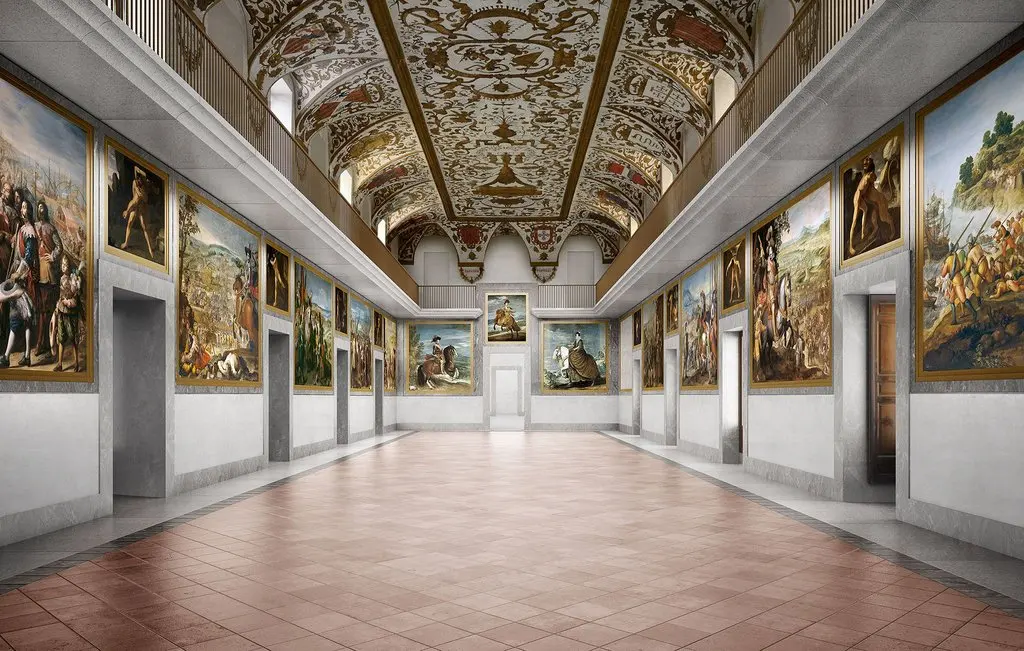
Another common pitfall involves ignoring the museum's historical context. The Prado was originally built as a royal museum, and its collection reflects the tastes of Spanish monarchs like Philip IV and Charles V. Failing to understand this connection makes it difficult to appreciate why certain artists are represented so heavily. Avoid these specific mistakes:
- Do not arrive without a pre-booked ticket during peak tourist seasons.
- Avoid large tour groups if you prefer a quiet, contemplative experience with the art.
- Do not forget to check the museum’s closing time, as the last entry is usually 30 minutes before the doors officially shut.
Why is the Prado important to art history?
The Prado is vital because it preserves the artistic legacy of the Spanish Empire at its zenith. Unlike museums that were formed through broad acquisitions, the Prado’s foundation is the private collection of the Spanish crown. This gives the museum a unique, cohesive narrative that documents the evolution of European painting from the 12th century through the early 19th century. It serves as the primary repository for understanding how Spanish painters interacted with and influenced their Italian and Flemish contemporaries.
The museum’s role as a center for research and conservation is equally important. Its staff maintains rigorous standards for the restoration of fragile canvases, ensuring that works by masters like El Greco remain vibrant for future generations. By housing such a dense concentration of masterpieces, the Prado acts as a living textbook for art students and historians alike. It remains the definitive destination for anyone seeking to understand the technical mastery and emotional depth of the European tradition, solidifying its status as a cornerstone of global cultural heritage.
Key facts
- The Museo del Prado in Madrid houses one of the world's finest collections of European art, spanning from the 12th century to the early 19th century.
- It holds the world's most comprehensive collection of Spanish paintings, including masterpieces by Diego Velázquez, Francisco Goya, and El Greco.
- The museum building was designed by architect Juan de Villanueva and opened to the public as a national museum in 1819.
- Visitors should prioritize seeing Velázquez’s Las Meninas, which is widely considered one of the most analyzed works in Western art history.
- To avoid long queues, book your tickets online in advance and consider visiting during the free entry hours, typically in the late afternoon.
- Wear comfortable shoes, as the museum is vast, and be aware that photography is strictly prohibited in most galleries to protect the artworks.
The bottom line
The Prado Museum stands as a cornerstone of global art history, offering an unparalleled look at the evolution of European painting. By housing the definitive collections of Spanish masters alongside iconic Renaissance and Baroque works, it provides an essential cultural experience for any visitor to Madrid. Planning your visit in advance is the key to navigating this massive, treasure-filled institution without feeling overwhelmed by its scale.
People also ask
Which artists are most prominently featured in the Prado?
The museum is renowned for its extensive holdings of Spanish masters like Velázquez, Goya, and Murillo. It also features significant collections of Italian Renaissance works by Titian and Raphael, as well as Flemish masterpieces by Hieronymus Bosch and Peter Paul Rubens.
Is it possible to see the entire museum in one visit?
With over 7,000 paintings in its collection, it is impossible to view everything in a single day. Most visitors focus on the highlights, such as the Goya "Black Paintings" and the Flemish gallery, rather than attempting to see every room.
Are there guided tours available for visitors?
Yes, the museum offers official guided tours that provide historical context and help navigate the expansive galleries. Booking these through the museum's official website is the best way to ensure a high-quality, informative experience.
What is the best time of day to visit to avoid crowds?
Arriving right when the museum opens or visiting during the final two hours of the day is generally less crowded. Mid-day and weekends are typically the busiest times, especially during peak tourist seasons.
Can I bring food or drinks inside the galleries?
Food and beverages are not permitted inside the exhibition halls to ensure the safety of the artwork. There is a cafe and restaurant on the premises where visitors can take a break between viewings.
Is the Prado Museum accessible for people with disabilities?
The museum is fully accessible, offering elevators, ramps, and adapted restrooms throughout the facility. Wheelchairs are available for loan at the information desk, though it is recommended to reserve them in advance.
This answer was created with the help of AI research tools and reference sources. Spotted an error? Let us know — we correct mistakes quickly. See our editorial policy.