What is the Rijksmuseum known for?
Short answer
The Rijksmuseum is the Dutch national museum in Amsterdam, world-renowned for its vast collection of Golden Age masterpieces. It houses iconic works by Rembrandt, Vermeer, and Frans Hals. Beyond its paintings, the museum preserves centuries of Dutch history, decorative arts, and maritime artifacts within a stunning 19th-century Neo-Gothic architectural landmark.

On this page
Why is the Rijksmuseum famous?
The Rijksmuseum is primarily recognized as the definitive repository of Dutch art and history. Its collection spans over 800 years, but it is most celebrated for its unparalleled assembly of 17th-century paintings from the Dutch Golden Age. During this period, the Netherlands experienced a surge in prosperity and artistic output, leading to the creation of works that emphasized realism, light, and domestic life. The museum serves as a cultural anchor, housing works that defined the national identity of the Netherlands.
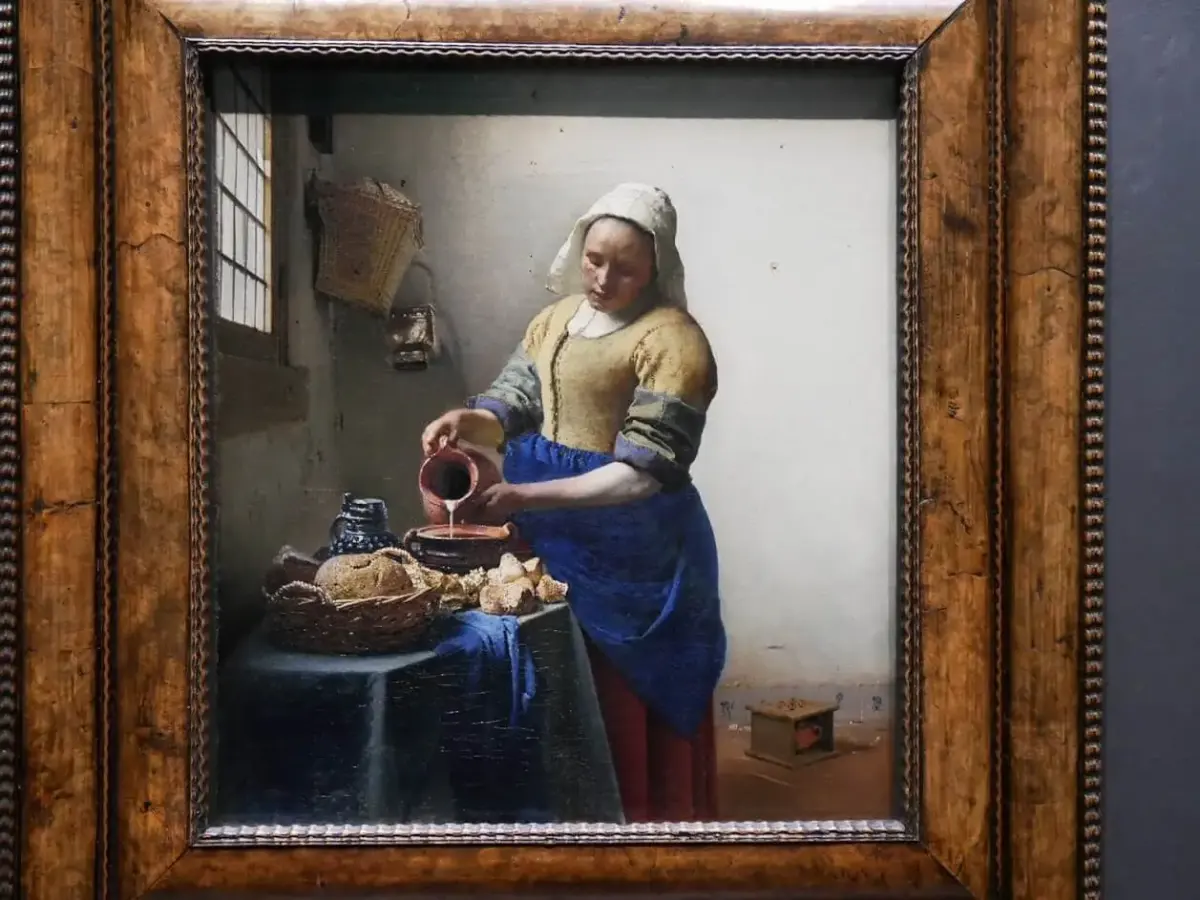
The museum’s fame is inextricably linked to its most prized possession, Rembrandt van Rijn’s The Night Watch. This massive canvas is celebrated for its revolutionary use of light and shadow, known as chiaroscuro, and its dynamic composition that broke away from the static group portraits common at the time. Alongside Rembrandt, the museum displays the delicate, luminous works of Johannes Vermeer, including The Milkmaid. These masterpieces draw millions of visitors annually, cementing the museum’s status as one of the most significant cultural institutions in the world.
How long does it take to see the Rijksmuseum?
A thorough visit to the Rijksmuseum requires careful planning, as the building is massive and contains over 8,000 objects on display. While a casual visitor might spend two hours rushing through the Gallery of Honour, a comprehensive experience typically takes four to five hours. The museum is organized chronologically, allowing visitors to walk through the history of the Netherlands from the Middle Ages to the 20th century. To make the most of your time, consider these steps:
- Prioritize the Gallery of Honour to see the most famous paintings first.
- Allocate time for the Cuypers Library, the largest and oldest art history library in the Netherlands.
- Explore the Philips Wing for temporary exhibitions and the Asian Pavilion.
- Take a break in the museum gardens to avoid sensory fatigue.
If you are short on time, focus exclusively on the second floor, where the most iconic Dutch masterpieces are concentrated. Rushing through the entire facility often leads to exhaustion and a lack of appreciation for the smaller, equally significant artifacts like Delftware, ship models, and intricate dollhouses.
What are the best paintings for beginners?
For those new to art history, the Rijksmuseum offers a clear narrative through its most accessible works. Beginners should focus on paintings that tell a story or capture a vivid moment in time. The Dutch masters were experts at depicting everyday life, making their work relatable even to those without a background in fine art. The following list highlights essential works that serve as a perfect introduction to the collection:
- The Night Watch by Rembrandt: A massive, dramatic military portrait.
- The Milkmaid by Vermeer: A quiet, masterful study of light and domestic labor.
- The Threatened Swan by Jan Asselijn: A symbolic painting of a swan protecting its nest.
- Self-Portrait as the Apostle Paul by Rembrandt: A raw, honest look at the artist’s aging face.
- The Merry Drinker by Frans Hals: A lively, expressive portrait showcasing loose brushwork.
These paintings provide a comprehensive overview of the techniques and themes that defined the Dutch Golden Age. By focusing on these specific works, beginners can understand the evolution of European art without feeling overwhelmed by the museum's vast scale.
Common mistakes when visiting the Rijksmuseum
Many visitors inadvertently ruin their experience by failing to book tickets in advance. The museum is one of the most popular attractions in Europe, and same-day tickets often sell out completely. Another common error is attempting to see everything in a single visit. The museum is physically demanding, and trying to absorb centuries of history in one go usually results in missing the nuance of the smaller galleries. Avoid these pitfalls to ensure a smooth visit:
- Do not arrive without an online reservation, as the museum operates on time slots.
- Avoid visiting during peak weekend hours if you prefer a quieter viewing experience.
- Do not bring large backpacks, as they are not permitted in the galleries and must be stored in lockers.
- Avoid using flash photography, as it is strictly prohibited to protect the delicate pigments of the paintings.
By arriving early in the morning on a weekday, you can navigate the Gallery of Honour before the largest tour groups arrive. This allows for a more intimate connection with the art and a more relaxed pace.
How to navigate the Rijksmuseum building
The Rijksmuseum is an architectural marvel designed by Pierre Cuypers, and the building itself is part of the experience. The structure features grand halls, ornate ceiling paintings, and the famous Cuypers Library, which looks like a cathedral of books. Navigating the space can be tricky because the layout is sprawling and multifaceted. Visitors should use the official museum map or the digital app to track their location, as the building is divided into multiple wings and levels that can easily confuse newcomers.
The museum is designed to be accessible, with elevators and ramps available for those with mobility issues. However, the sheer size means you will do a significant amount of walking. If you find yourself lost, the staff members are stationed throughout the galleries and are well-versed in directing visitors to the most popular exhibits. Always check the digital signage near the entrance for information on temporary closures or special events, as these can impact your planned route through the galleries. By staying flexible and keeping an eye on the signage, you can navigate the museum with confidence and ease.
Key facts
- The Rijksmuseum, located in Amsterdam, houses the world’s most significant collection of Dutch Golden Age masterpieces.
- Its most famous painting is Rembrandt van Rijn’s The Night Watch, which occupies a dedicated space in the Gallery of Honour.
- The museum building was designed by Pierre Cuypers and officially opened at its current location in 1885.
- Visitors should book tickets online in advance, as time slots frequently sell out during peak tourist seasons.
- The collection includes over 8,000 objects on display, spanning 800 years of Dutch history and art.
- Avoid visiting on weekends or Tuesday mornings if you prefer smaller crowds; late afternoons on weekdays are generally quieter.
The bottom line
The Rijksmuseum serves as the definitive repository of Dutch cultural heritage, offering an unparalleled look at the works of Rembrandt, Vermeer, and Hals. By combining world-class art with historical artifacts, it provides a comprehensive narrative of the Netherlands. For the best experience, plan your visit during off-peak hours, secure your tickets online, and focus on the Gallery of Honour to witness the nation’s most iconic treasures.
People also ask
How long does it take to see the entire museum?
A thorough visit typically requires three to four hours. If you are only interested in the major highlights, you can see the primary masterpieces in about 90 minutes.
Is photography allowed inside the galleries?
Yes, photography is permitted throughout the museum for personal use. However, the use of flash, tripods, and selfie sticks is strictly prohibited to protect the artwork and ensure visitor safety.
Do I need to print my ticket before arriving?
No, you do not need a paper copy. You can simply show the digital ticket on your smartphone at the entrance scanners to gain access.
Are there lockers available for bags and coats?
The museum provides free, self-service lockers for visitors. Large bags and backpacks are not allowed in the galleries, so you must store them before entering.
Is the museum accessible for visitors with limited mobility?
The building is fully accessible, featuring elevators and ramps throughout all wings. Wheelchairs are available for loan at the information desk, though it is best to reserve one in advance.
Can I bring food or drinks inside the museum?
Food and beverages are not permitted in the galleries to prevent accidental damage to the collection. You may enjoy refreshments in the museum’s café or restaurant located in the atrium.
This answer was created with the help of AI research tools and reference sources. Spotted an error? Let us know — we correct mistakes quickly. See our editorial policy.