What is Rembrandt known for?
Short answer
Rembrandt van Rijn is celebrated as the greatest painter of the Dutch Golden Age. He is best known for his mastery of light and shadow, psychological depth in portraiture, and his prolific output of etchings. His ability to capture human emotion and complex narratives remains a cornerstone of Western art history.
On this page
What makes Rembrandt’s style unique?
Rembrandt is defined by his revolutionary use of chiaroscuro, a technique that employs strong contrasts between light and dark to create a sense of volume and drama. Unlike his contemporaries who favored crisp, smooth surfaces, Rembrandt often applied paint thickly, a technique known as impasto. This tactile approach gave his canvases a physical presence, making figures appear to emerge from the shadows into a warm, golden light.
His work is also distinguished by an unparalleled ability to convey the inner lives of his subjects. Whether painting biblical scenes or commissioned portraits, he avoided idealized beauty in favor of raw, human honesty. He captured the subtle wrinkles of age, the weariness in a gaze, or the fleeting joy of a smile. This psychological realism transformed the portrait from a mere status symbol into a profound exploration of the human condition.
How to identify a Rembrandt painting?
Identifying a Rembrandt requires looking for specific hallmarks of his mature style. His compositions often feature a single, powerful light source that draws the viewer’s eye to the most significant part of the narrative. He frequently utilized a palette dominated by earthy ochres, deep browns, and rich reds, which helped unify his complex scenes.
When examining a potential work, consider these key visual indicators:
- The presence of impasto, where paint is raised above the surface to catch light.
- A dramatic, theatrical use of shadow that obscures parts of the background.
- Expressive, fluid brushwork that suggests movement rather than static detail.
- A focus on the "soul" of the sitter, often depicted with a sense of melancholy or deep contemplation.
If a painting appears overly polished or lacks this emotional intensity, it may be the work of a student or follower rather than the master himself.
Why are Rembrandt’s self-portraits famous?
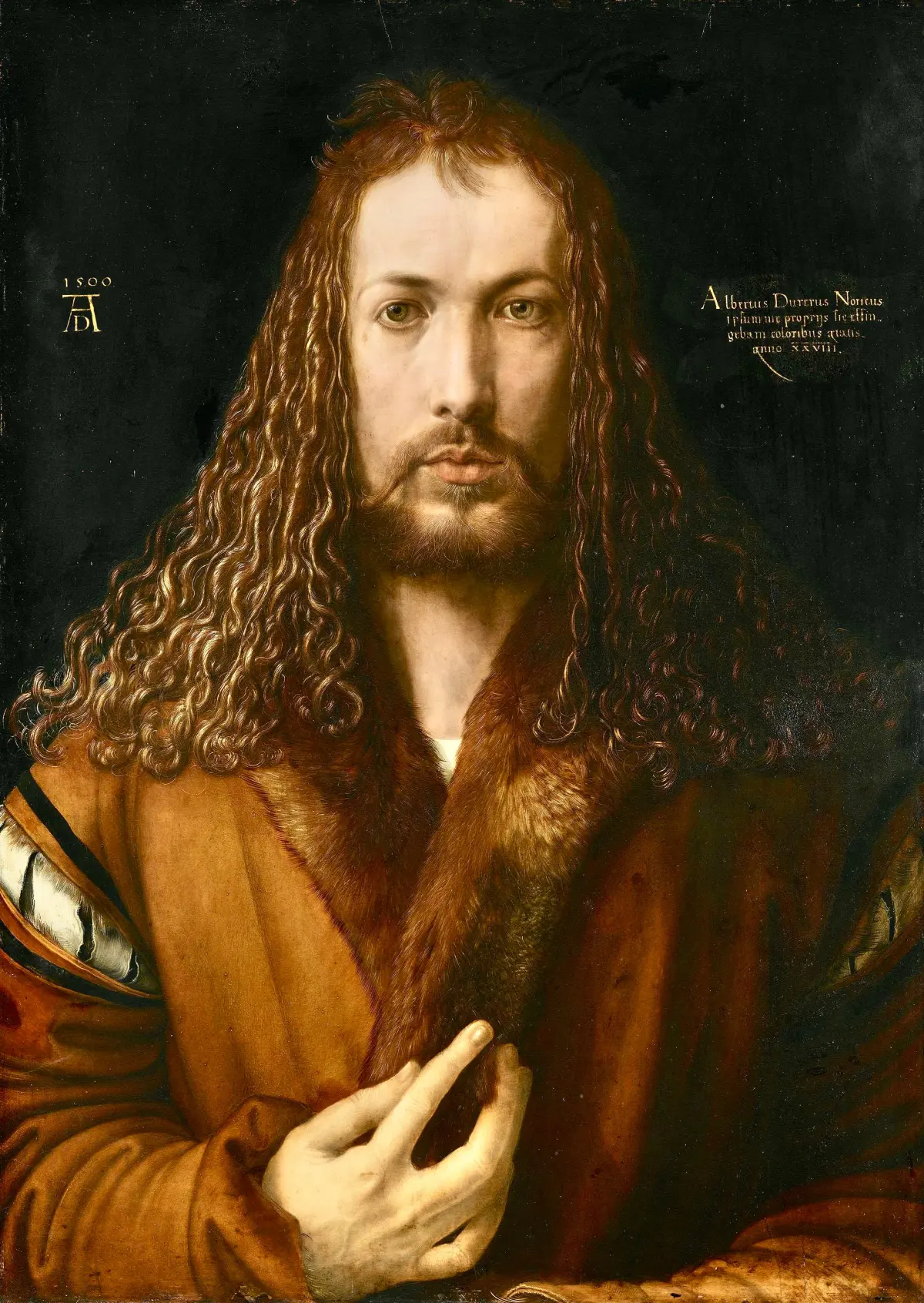
Rembrandt produced nearly 100 self-portraits throughout his life, creating an unprecedented visual autobiography. These works document his rise from a confident, ambitious young man in Amsterdam to a weathered, aging artist who faced bankruptcy and personal loss. By capturing his own face repeatedly, he provided a rare, intimate look at the aging process and the evolution of his own artistic identity.
These self-portraits serve as a masterclass in self-reflection. They demonstrate his changing techniques, from the precise, youthful renderings of the 1620s to the loose, experimental strokes of his final years. They are not merely exercises in vanity but studies in light, texture, and the inevitable passage of time. Through these works, viewers can track the artist’s changing circumstances, including his shift from high-society success to the isolation of his later years.
How to study Rembrandt’s etchings?
While he is famous for his oil paintings, Rembrandt was also the most influential printmaker of the 17th century. His etchings are prized for their spontaneity and the incredible level of detail he achieved with a simple needle on a copper plate. He often reworked his plates multiple times, creating different "states" that allow collectors and scholars to see his creative process in real time.
To appreciate his prints, follow these steps:
- Observe the density of the lines, which he used to create depth without relying on color.
- Look for the "burr," a small ridge of metal that creates a soft, velvety black ink effect.
- Compare different states of the same print to see how he adjusted light and shadow.
- Note the narrative detail in his biblical scenes, which often include humorous or gritty background elements.
These prints were accessible to a wider audience than his paintings, cementing his reputation across Europe during his lifetime.
Common mistakes when analyzing Rembrandt’s work?
One of the most frequent errors is assuming that all paintings attributed to him were executed entirely by his hand. Rembrandt ran a large, successful workshop where students and assistants copied his style to fulfill the high demand for his work. Scholars often struggle to distinguish between the master’s touch and the highly skilled work of his pupils, leading to ongoing debates about authorship.
Another mistake is viewing his work through the lens of modern perfection. Many critics in the 18th and 19th centuries found his later, looser style to be "unfinished" or sloppy compared to the precise Dutch painters of his time. It is essential to understand that this lack of finish was a deliberate choice to focus on light and atmosphere. Viewing his work as a progression toward greater abstraction helps avoid the error of judging his late masterpieces by the standards of his early, more detailed portraits. Finally, do not overlook the importance of his religious and mythological context, as these subjects provided the framework for his most daring experiments in lighting and composition.
Key facts
- Rembrandt van Rijn produced approximately 300 paintings, 300 etchings, and 2,000 drawings during his career in the 17th-century Dutch Golden Age.
- He is globally celebrated for his mastery of chiaroscuro, a technique using strong contrasts between light and dark to create dramatic depth.
- His most famous painting, The Night Watch (1642), is renowned for its massive scale and innovative use of motion in a group portrait.
- Rembrandt painted nearly 80 self-portraits, which serve as a unique visual autobiography documenting his aging process and emotional state.
- To study his style, visit the Rijksmuseum in Amsterdam, which houses the world's most significant collection of his major works.
- When viewing his etchings, use a magnifying glass to observe the intricate cross-hatching lines that define his complex textures and shadows.
The bottom line
Rembrandt van Rijn remains a towering figure in art history for his profound psychological insight and technical brilliance. By mastering light and shadow, he transformed mundane portraits into deeply emotive narratives. Whether examining his monumental canvases or his intimate, detailed etchings, viewers discover a humanistic approach to art that captures the complexities of the human condition, solidifying his legacy as a master of the Dutch Golden Age.
People also ask
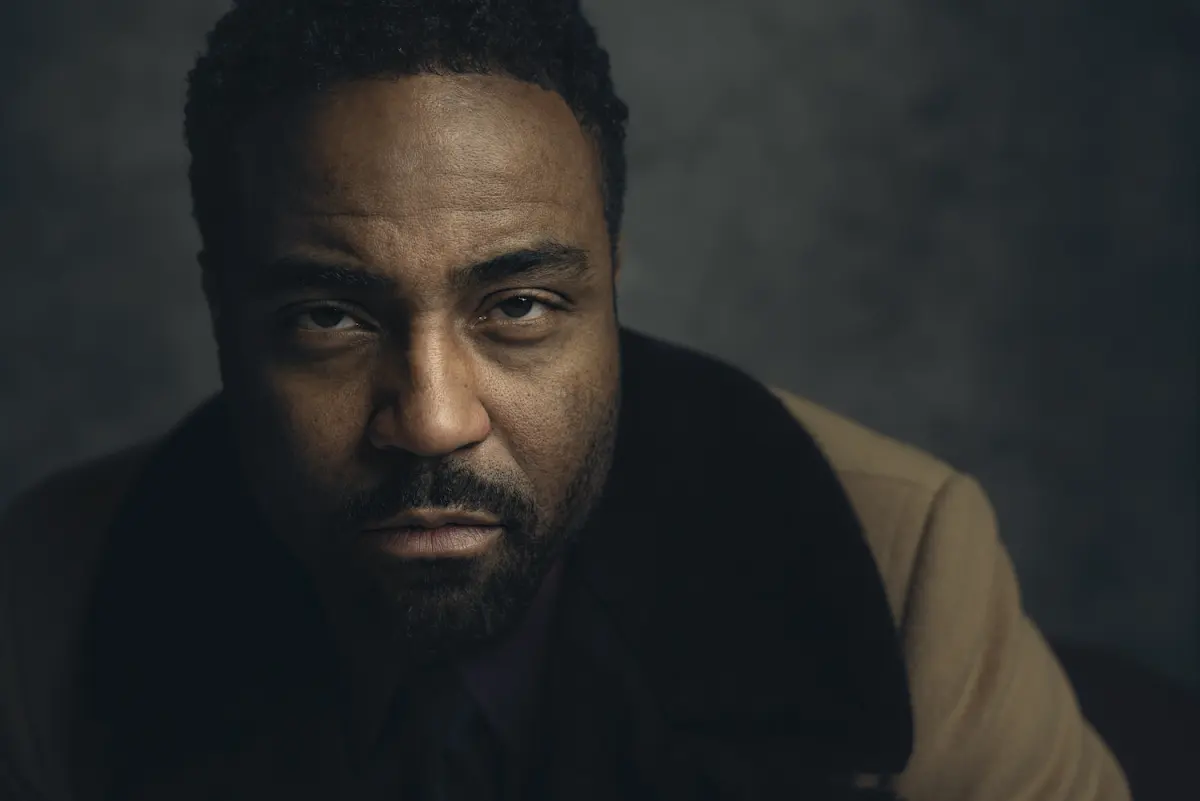
What is the "Rembrandt lighting" technique used in photography?
This lighting style creates a small, inverted triangle of light on the shadowed side of a subject's cheek. It mimics the dramatic, high-contrast illumination found in many of the artist's portraits.
Why are Rembrandt's paintings often so dark?
He used a technique called tenebrism, where deep shadows dominate the canvas to highlight specific figures. This method draws the viewer's eye to the most important parts of the composition while obscuring less relevant details.
Did Rembrandt have any famous students?
Yes, he ran a prolific studio and taught many artists, including Carel Fabritius and Gerrit Dou. His influence shaped the careers of several prominent Dutch painters who adopted his expressive brushwork.
What happened to Rembrandt’s financial situation?
Despite his early fame and success, he lived beyond his means and filed for bankruptcy in 1656. He spent his later years in poverty, selling his possessions and art collection to pay off mounting debts.
Are all paintings attributed to Rembrandt actually by him?
No, the Rembrandt Research Project has spent decades re-evaluating his works. Many paintings once thought to be his were later identified as the work of his assistants or followers imitating his style.
What is unique about his etchings?
Unlike many artists who relied on others to print their plates, Rembrandt mastered the printmaking process himself. He frequently reworked his copper plates, creating multiple "states" of a single image to refine the composition.
This answer was created with the help of AI research tools and reference sources. Spotted an error? Let us know — we correct mistakes quickly. See our editorial policy.