What is Leonardo da Vinci known for?
Short answer
Leonardo da Vinci was a quintessential Renaissance polymath celebrated as a master painter, visionary inventor, and scientific observer. He is best known for iconic artworks like the Mona Lisa and The Last Supper, as well as his voluminous notebooks containing pioneering anatomical studies, engineering designs, and conceptual sketches for flying machines and weaponry.
On this page
Which paintings is Leonardo da Vinci famous for?
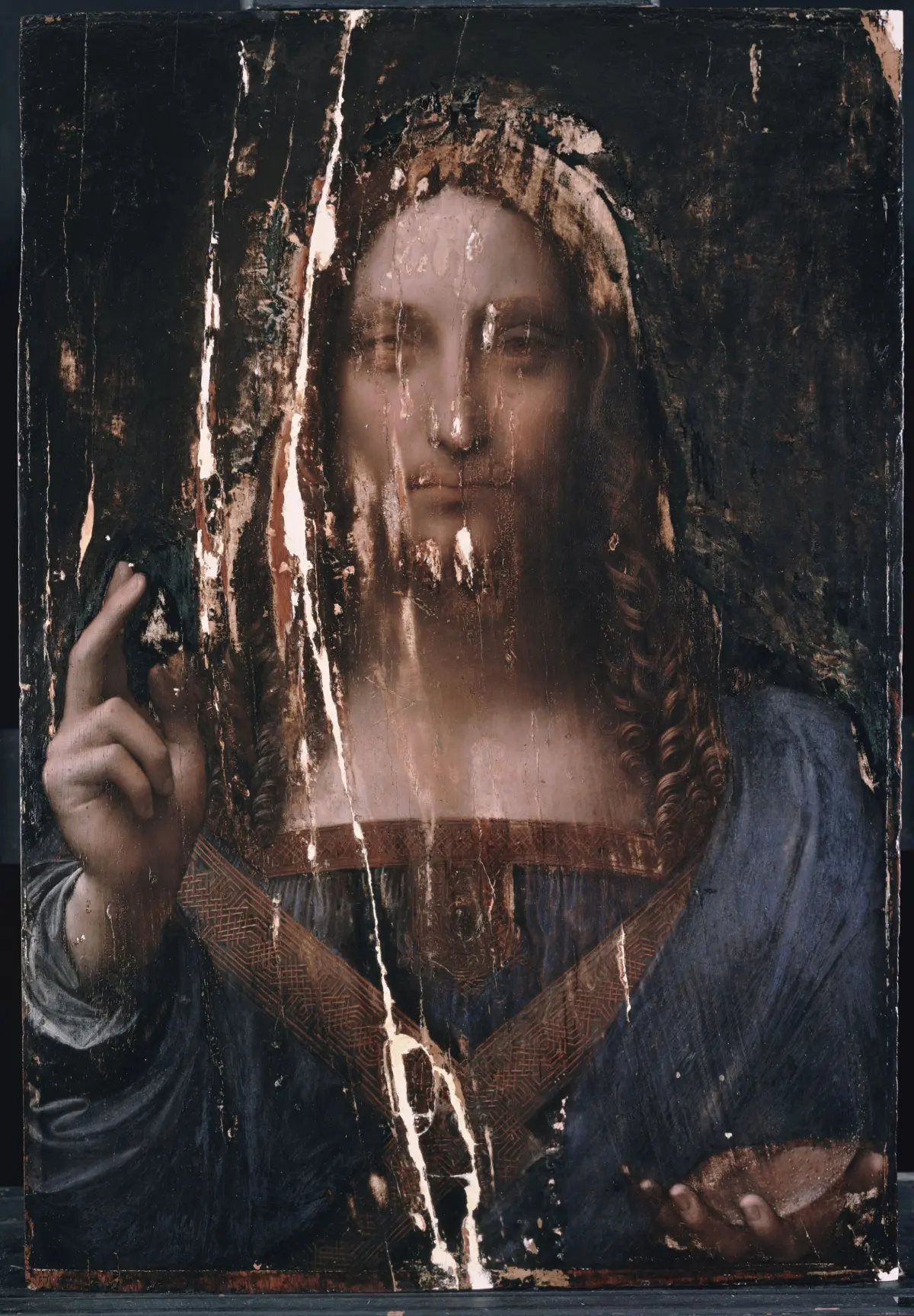
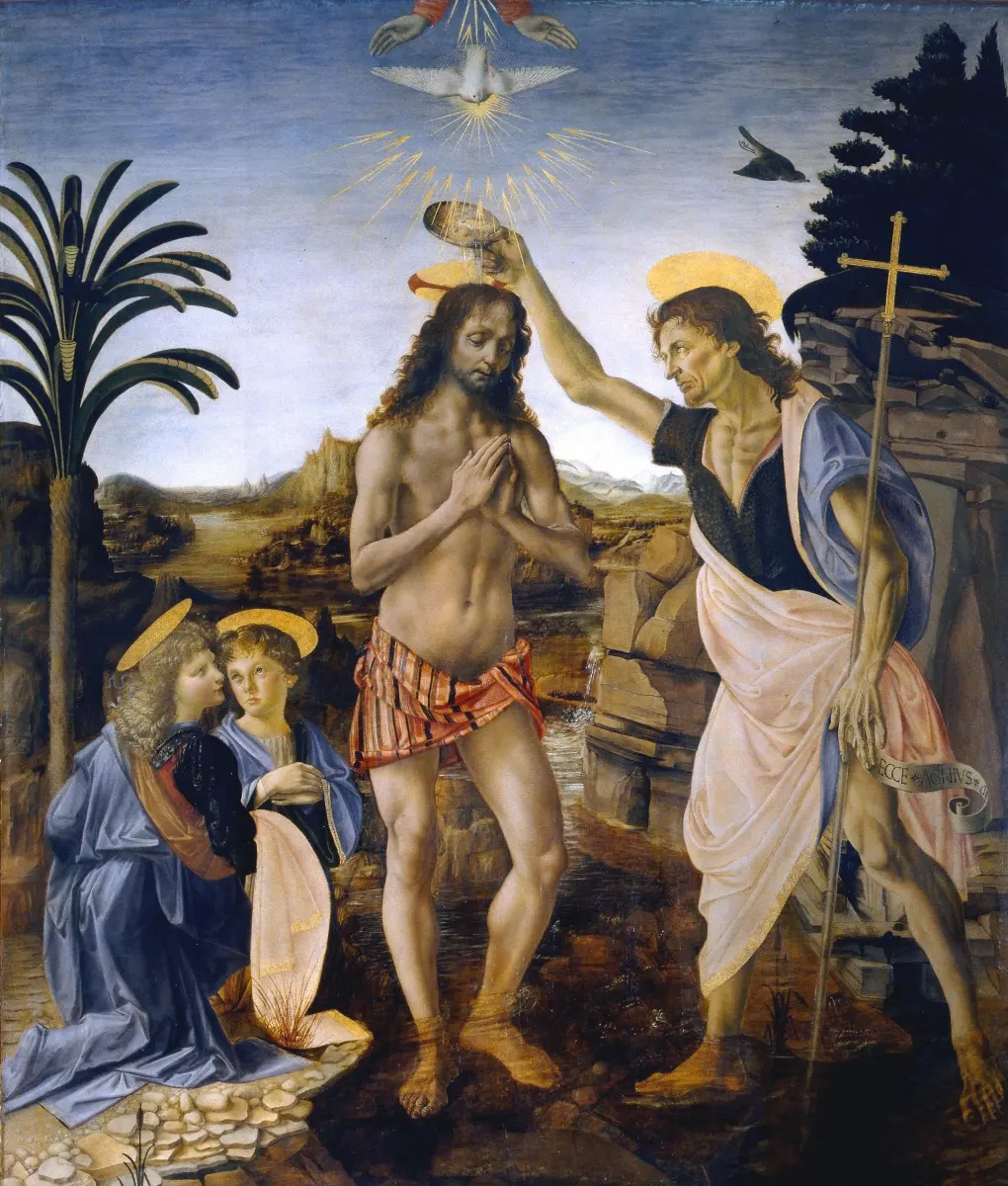
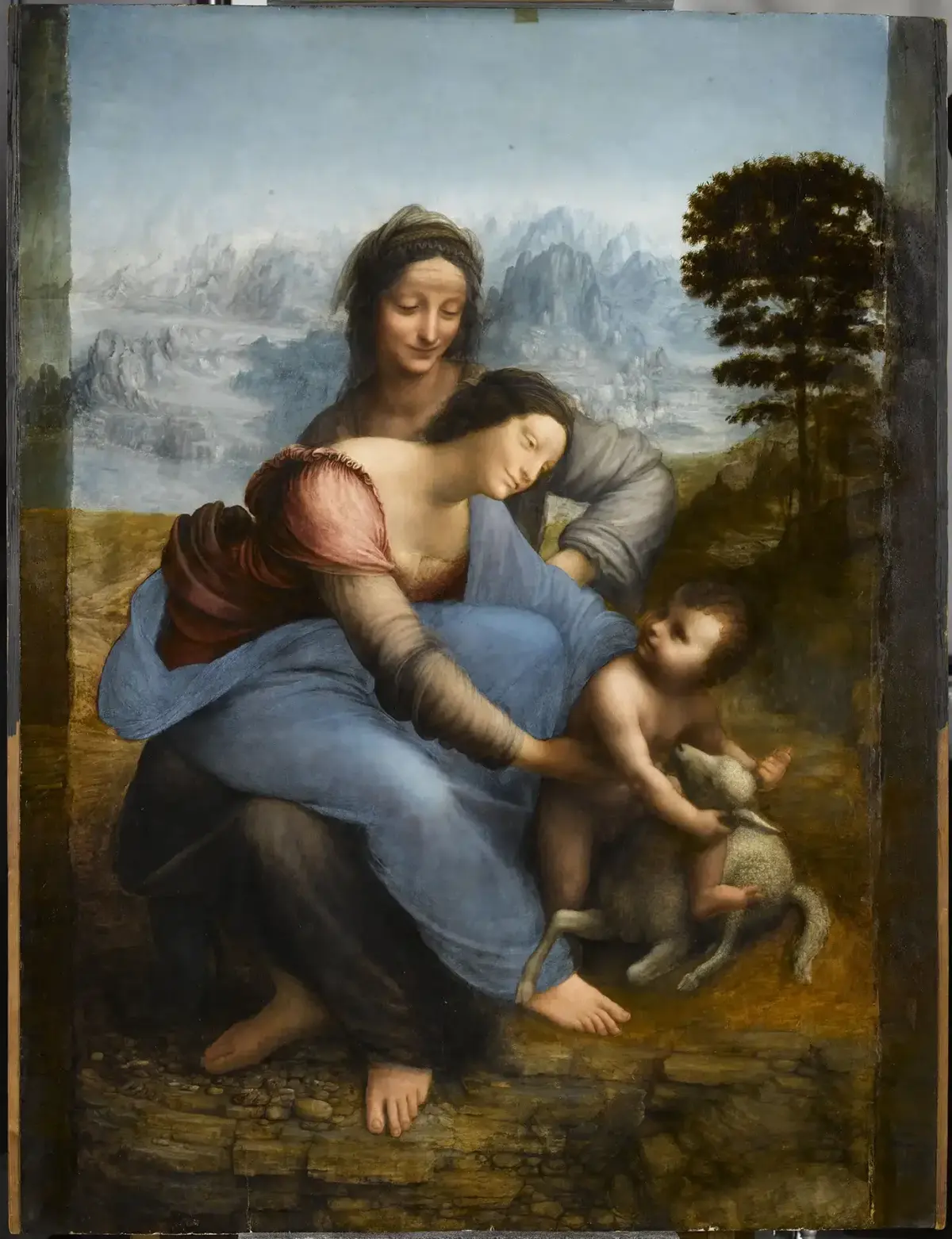
Leonardo da Vinci’s reputation as a painter rests on a relatively small number of surviving works, yet these pieces redefined Western art. His mastery of sfumato—a technique involving subtle, smoky gradations of tone that eliminate harsh outlines—brought a lifelike quality to his subjects that was unprecedented in the 15th century. His compositions often utilized complex geometry, such as the triangular arrangement seen in his religious portraits, to create a sense of stability and divine order.
The most celebrated examples of his artistic output include:
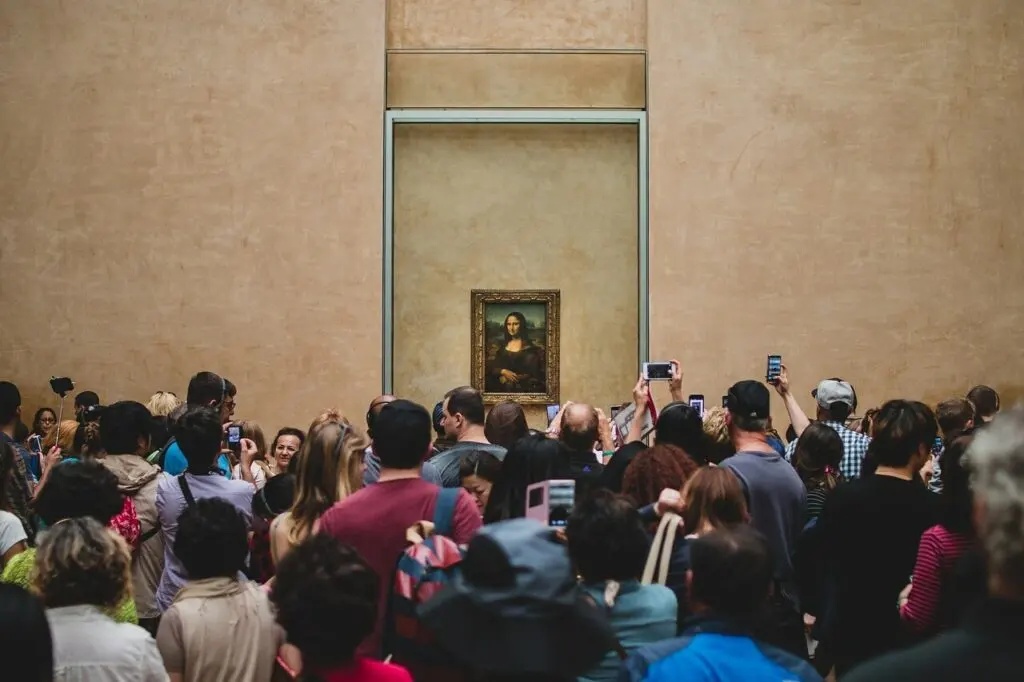
- Mona Lisa (c. 1503–1506): Renowned for the subject's enigmatic expression and the atmospheric depth of the background landscape.
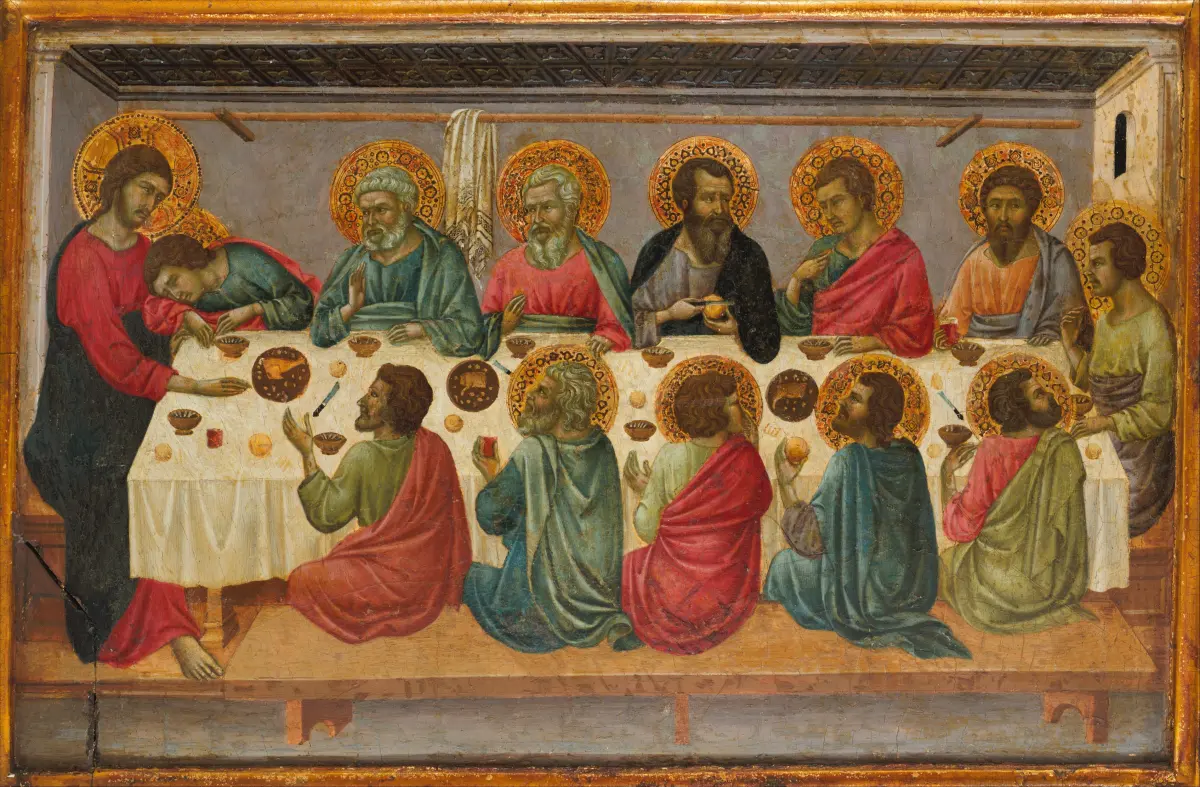
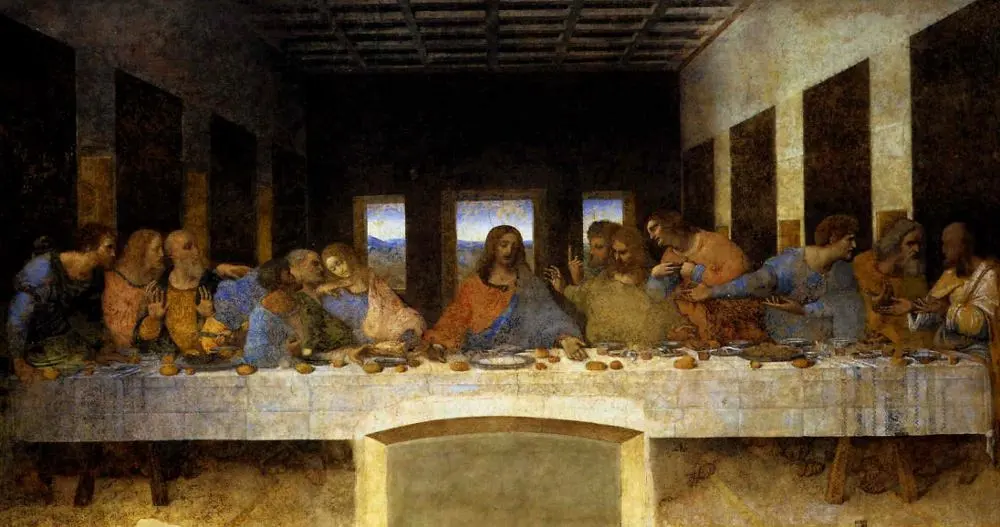
- The Last Supper (c. 1495–1498): A mural in Milan that captures the psychological reaction of the apostles to Christ's announcement of betrayal.
- The Vitruvian Man (c. 1490): A pen-and-ink drawing that explores the ideal proportions of the human body in relation to geometry.
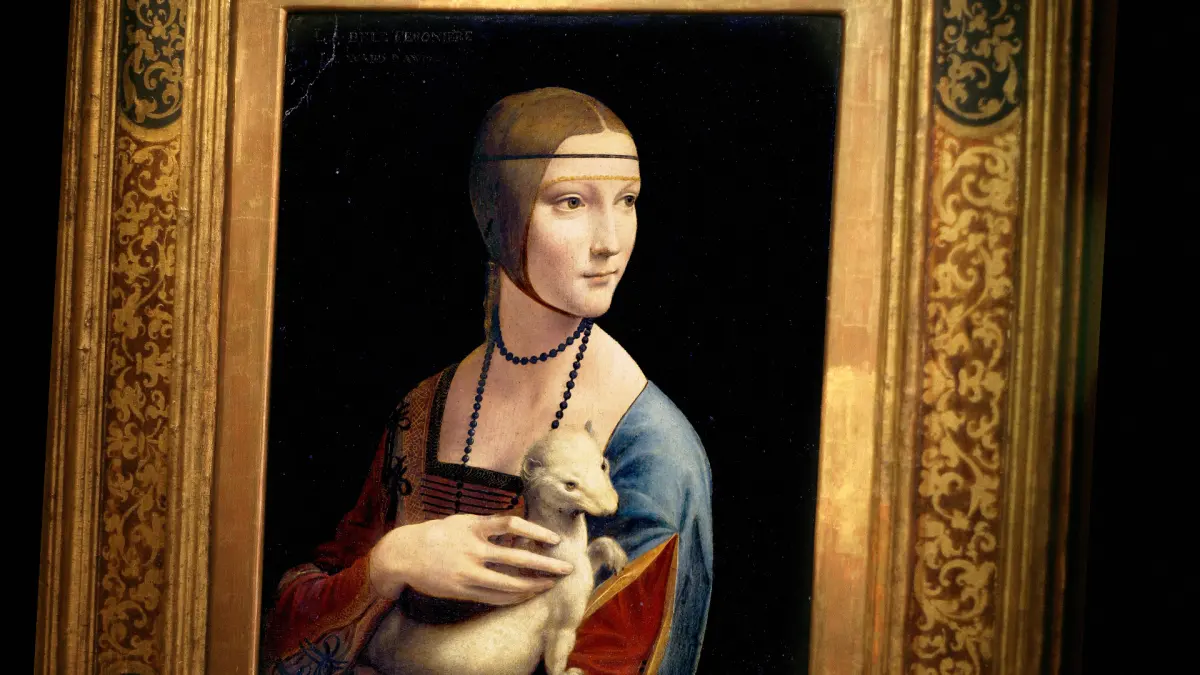
- Lady with an Ermine (c. 1489–1490): Notable for its dynamic pose and the realistic rendering of the animal.
Why did Leonardo da Vinci keep scientific notebooks?
Leonardo viewed art and science as inseparable disciplines, believing that a painter must understand the mechanics of the natural world to represent it accurately. Throughout his life, he filled thousands of pages with mirror-written notes and detailed illustrations covering anatomy, botany, geology, and hydrodynamics. These notebooks reveal a mind that was constantly questioning the "how" and "why" of physical phenomena, from the way water swirls in a river to the growth patterns of plants.
His scientific methodology was rooted in empirical observation rather than reliance on ancient texts. By dissecting human cadavers, he produced the first accurate anatomical drawings of the spine, skull, and heart, which remained superior to medical knowledge for centuries. His notebooks serve as a primary record of his intellectual journey, demonstrating how he applied his artistic observational skills to solve complex problems in physics and engineering.
How did Leonardo da Vinci design his inventions?
Leonardo’s engineering designs were frequently ahead of his time, often conceptualized centuries before the materials or power sources existed to build them. He drew inspiration from the natural world, a concept now known as biomimicry, to solve mechanical challenges. For instance, his designs for flying machines were heavily influenced by his meticulous study of bird and bat wings, leading him to experiment with ornithopters and early helicopter concepts.
His approach to invention followed a systematic process of sketching and refining:
- Identify a mechanical problem, such as the need for lifting heavy loads or defending a city.
- Observe how nature handles similar forces, such as leverage, tension, or fluid resistance.
- Draft a conceptual sketch, often including cross-sections and exploded views to understand internal components.
- Refine the design by calculating gear ratios or material requirements, though many remained theoretical.
Common mistakes when interpreting Leonardo's work
A frequent error is viewing Leonardo as a solitary genius who worked in a vacuum, ignoring his deep engagement with the artistic and scientific communities of his era. He was a product of the Italian Renaissance, working alongside contemporaries like Michelangelo and Raphael, and he frequently collaborated with patrons and fellow engineers. Another common mistake is assuming that his inventions were all intended for practical construction; many were conceptual exercises designed to test the limits of his understanding of physics.
Furthermore, people often misinterpret his unfinished works as signs of failure or lack of discipline. In reality, Leonardo’s perfectionism and his tendency to become distracted by new scientific inquiries often led him to abandon projects. He frequently experimented with experimental paint mediums, such as the tempera-oil mixture used on The Last Supper, which contributed to the rapid deterioration of his works. Understanding these technical struggles provides a more accurate picture of his creative process than simply labeling him a flawless master.
What is the best way to study Leonardo’s legacy?
To truly appreciate Leonardo’s contributions, one must look beyond the finished paintings and examine his process. The best approach for a student is to compare his anatomical sketches with modern medical textbooks to see the precision of his observations. Additionally, visiting museums that house his original notebooks or high-quality digital archives allows one to trace the evolution of his ideas. Focus on the connection between his sketches of water turbulence and his later paintings to see how his scientific studies directly informed his artistic style.
When studying his life, avoid focusing solely on the "genius" myth, which can obscure the hard work and trial-and-error nature of his career. Instead, focus on his habit of constant inquiry and his refusal to accept traditional dogma. By following his example of keeping a journal to record observations about the world, you can gain a deeper understanding of the curiosity that drove his work. This commitment to lifelong learning remains the most enduring aspect of his legacy.
Key facts
- Leonardo da Vinci (1452–1519) was a quintessential "Renaissance Man" who excelled in painting, anatomy, engineering, and botany.
- He painted the Mona Lisa, arguably the most famous portrait in history, currently housed in the Louvre Museum in Paris.
- His mural The Last Supper is a masterpiece of perspective, though it began deteriorating shortly after completion due to his experimental oil-and-tempera technique.
- Leonardo filled thousands of pages in his notebooks with sketches, including designs for flying machines, tanks, and concentrated solar power.
- He practiced "mirror writing," scripting his notes from right to left, likely to avoid smudging ink as a left-handed writer.
- To improve your own creativity, adopt Leonardo's habit of constant observation; keep a notebook to sketch and document the world around you daily.
The bottom line
Leonardo da Vinci remains the ultimate symbol of human curiosity and interdisciplinary genius. By blurring the lines between art and science, he transformed how we perceive the natural world. His legacy teaches us that observation is the foundation of all discovery. Whether through his iconic paintings or his visionary engineering designs, Leonardo’s life proves that a relentless pursuit of knowledge is the key to enduring influence.
People also ask
Did Leonardo da Vinci invent the helicopter?
Leonardo sketched an "aerial screw" that resembled a modern helicopter, but he never built or flew it. The design was theoretically flawed because it lacked the power-to-weight ratio required for flight.
How many paintings by Leonardo still exist today?
There are fewer than 20 paintings universally attributed to him. His perfectionism and frequent abandonment of projects meant he completed very few works during his lifetime.
Why did Leonardo dissect human bodies?
He performed dissections to understand human anatomy for his art, aiming to depict muscles and bones with scientific accuracy. His detailed drawings of the heart, fetus, and skeletal system were centuries ahead of their time.
What is the Vitruvian Man?
This famous ink-on-paper drawing depicts a man in two superimposed positions within a circle and a square. It illustrates Leonardo’s study of human proportions and the mathematical harmony between man and the universe.
Did Leonardo work for the Medici family?
Yes, he spent time in Florence under the patronage of the powerful Medici family. He also worked for other notable figures, including Ludovico Sforza in Milan and King Francis I of France.
What was Leonardo’s greatest mistake?
His tendency to experiment with unproven materials, such as the experimental paint used on The Last Supper, led to the rapid decay of his work. Avoid this by prioritizing stable, proven methods before attempting radical technical innovations.
This answer was created with the help of AI research tools and reference sources. Spotted an error? Let us know — we correct mistakes quickly. See our editorial policy.