What is Gothic art?
Short answer
Gothic art was a medieval European style that flourished from the mid-12th century to the late 16th century. Characterized by verticality, light, and intricate detail, it evolved from Romanesque architecture. It encompasses monumental cathedral construction, stained glass, sculpture, and illuminated manuscripts, reflecting a profound shift toward naturalism and religious devotion.
On this page
What defines Gothic art and architecture
The Gothic style emerged in France around 1140, specifically with the reconstruction of the Abbey Church of Saint-Denis. Unlike the heavy, dark Romanesque style that preceded it, Gothic art emphasized height and luminosity. Architects utilized innovative engineering to create soaring structures that allowed for expansive walls of glass. This aesthetic was driven by the theological belief that light represented the divine presence of God.
Key features that define the movement include:
- Pointed arches that distribute weight more efficiently than rounded ones.
- Ribbed vaults that allow for thinner, taller masonry walls.
- Flying buttresses that support exterior walls, enabling massive window openings.
- Intricate stone tracery and elaborate decorative carvings.
These elements worked in harmony to draw the viewer’s eye upward, creating a sense of weightlessness. By the 13th century, this style had spread across Europe, becoming the dominant visual language for cathedrals, town halls, and royal palaces, marking a departure from the fortress-like buildings of the early Middle Ages.
How to identify Gothic features in buildings
To identify a Gothic structure, look first at the windows and doorways. The signature pointed arch is the most reliable indicator, differentiating the style from the semicircular arches of the Romanesque period. You should also look for the "rose window," a large, circular stained-glass window typically found on the western facade of cathedrals. These windows often feature complex geometric patterns that resemble flower petals.
When observing the exterior, look for these structural markers:
- Flying buttresses: These are the external stone arches that reach from the upper walls to the ground.
- Pinnacles: Small, pointed stone ornaments that add weight to the buttresses and enhance the vertical silhouette.
- Gargoyles and grotesques: Sculptured figures acting as waterspouts or decorative elements that add character to the roofline.
Inside, the transition is even more apparent. The interior space often feels vast and airy, dominated by vertical shafts that run from the floor to the ceiling. These lines guide the gaze toward the vaulted roof, emphasizing the building’s immense height and structural ambition.
Why stained glass was essential to Gothic art
Stained glass was not merely decorative in Gothic art; it was a fundamental component of the architecture. Because flying buttresses supported the weight of the roof, walls no longer needed to be thick for structural integrity. This allowed architects to replace stone with glass, creating "walls of light." These windows served as "bibles for the illiterate," depicting complex biblical narratives in vibrant colors for those who could not read.
The production of this glass was a highly specialized craft. Artisans added metallic oxides to molten glass to achieve deep blues, reds, and greens. The light filtering through these windows transformed the interior atmosphere, creating a mystical, ethereal quality intended to transport worshippers into a spiritual realm. Famous examples include the Sainte-Chapelle in Paris, which features nearly 7,000 square feet of stained glass, and the magnificent windows at Chartres Cathedral, which remain largely intact from the 13th century.
Common mistakes when analyzing Gothic art
A frequent error is assuming that Gothic art is inherently dark or "spooky" due to modern pop culture associations with the word "Gothic." In reality, the style was designed to be bright, colorful, and celebratory of divine light. Another common mistake is attributing all medieval art to the Gothic period. It is important to distinguish between the earlier Romanesque style, which is characterized by thick walls and small windows, and the Gothic style, which prioritizes height and transparency.
Avoid these misconceptions during your study:
- Confusing Gothic architecture with the 18th-century "Gothic Revival" literature or fashion movements.
- Assuming all Gothic art is strictly religious, as secular themes began to emerge in late Gothic tapestries and courtly paintings.
- Overlooking the role of sculpture, which became increasingly realistic and expressive as the period progressed, moving away from the rigid figures of the Romanesque era.
By focusing on the structural innovations and the intended sensory experience, you can better appreciate the technical mastery of medieval builders and artists.
Best ways to explore Gothic art today
To truly understand Gothic art, you must experience the scale of these structures in person. If you are traveling in Europe, prioritize visits to the great cathedrals of France, such as Notre-Dame de Paris, Amiens, and Reims. These sites offer the most authentic look at the evolution of the style. If travel is not possible, digital archives and high-resolution photography can provide detailed views of the stone carvings and manuscript illuminations that are otherwise difficult to see from the ground.
For those interested in the artistic techniques, consider these steps:
- Study the illuminated manuscripts of the period, which provide a window into the delicate, precise nature of Gothic painting.
- Research the guild system, which explains how master masons and glassmakers collaborated to complete these massive projects over several decades.
- Visit local museums that house medieval collections, as they often display smaller Gothic artifacts like ivory carvings or metalwork that showcase the same aesthetic principles as the cathedrals.
Engaging with these resources will deepen your understanding of how Gothic art balanced engineering, theology, and artistic expression to define an entire era of human history.
Key facts
- Gothic art emerged in France around 1140 and remained the dominant style in Europe until the late 15th century.
- The style is defined by three primary architectural innovations: the pointed arch, the ribbed vault, and the flying buttress.
- Gothic cathedrals were designed to maximize interior light, often utilizing expansive stained-glass windows to create a "heavenly" atmosphere.
- Sculpture shifted from the rigid, stylized forms of the Romanesque period toward more naturalistic, lifelike human figures.
- When visiting a Gothic site, look for verticality; the structures were built to draw the viewer’s eye upward toward the heavens.
- A common mistake is assuming "Gothic" refers to the Goth tribes; the term was actually coined by Renaissance critics as a derogatory label for "barbaric" medieval art.
The bottom line
Gothic art represents a transformative era in European history, shifting from heavy, enclosed spaces to light-filled, soaring cathedrals that celebrated spiritual aspiration. By mastering structural innovations like the flying buttress and the pointed arch, medieval builders achieved unprecedented heights. Today, this style remains a testament to human ingenuity and the desire to create transcendent beauty through the integration of engineering, sculpture, and vibrant stained glass.
People also ask
What is the difference between Romanesque and Gothic architecture?
Romanesque buildings feature thick walls, small windows, and rounded arches, creating a dark, fortress-like interior. Gothic architecture replaced these with thin walls and large windows supported by exterior buttresses, allowing for height and light.
Why are there so many gargoyles on Gothic cathedrals?
Gargoyles served a practical purpose as water spouts to divert rainwater away from the masonry walls. Beyond utility, they were often carved as grotesque figures to ward off evil spirits or remind worshippers of the dangers of sin.
Did Gothic art only include architecture?
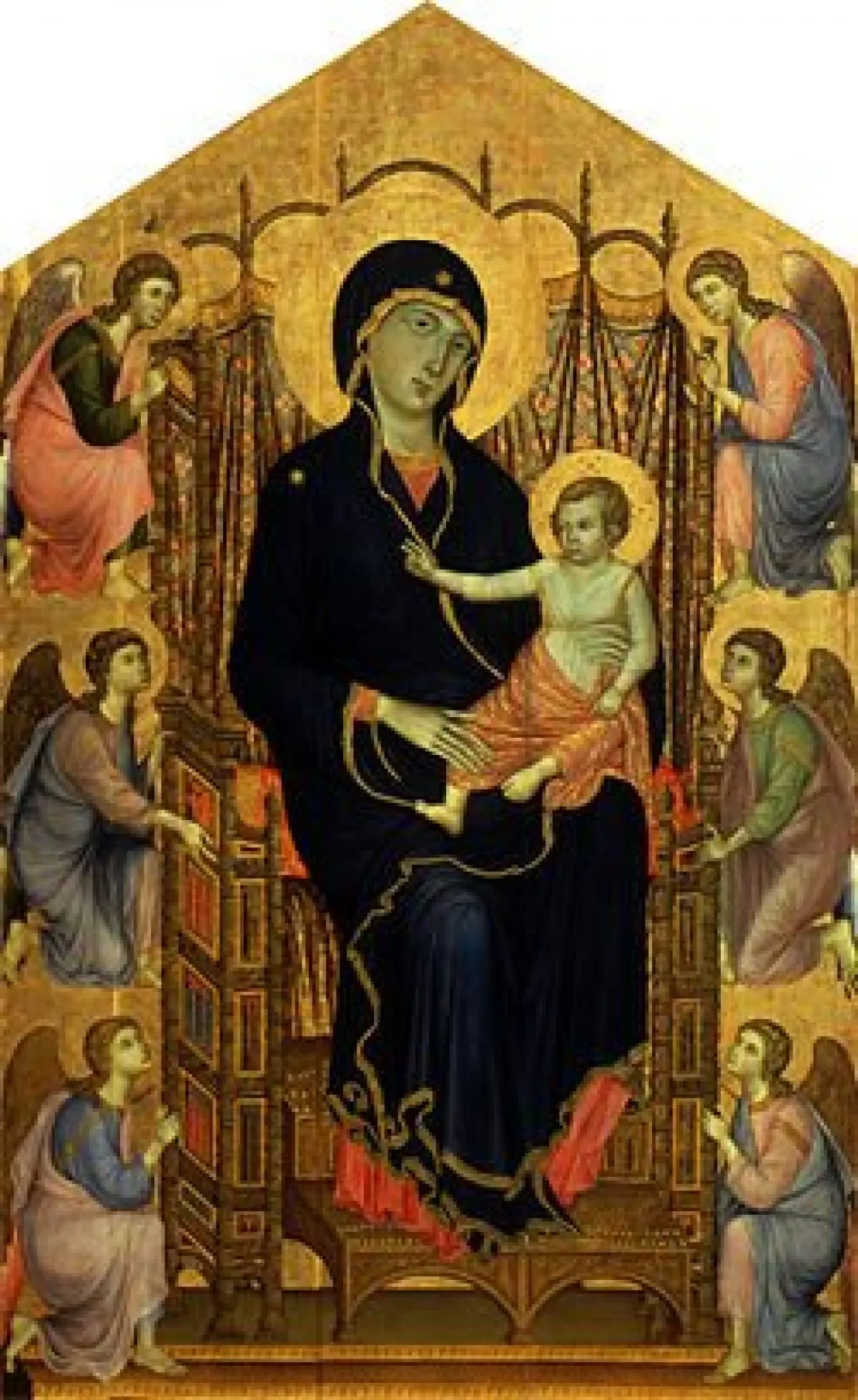
No, the style encompassed diverse mediums including illuminated manuscripts, intricate metalwork, and stained glass. Painting also flourished, particularly in the form of altarpieces that featured gold leaf and increasingly expressive human emotions.
Why did Gothic cathedrals take so long to build?
These massive structures were funded by local communities and required immense amounts of stone, timber, and skilled labor. Construction often spanned decades or even centuries, leading to stylistic changes as successive generations oversaw the work.
What is the "Rayonnant" style?
Rayonnant is a sub-period of Gothic art characterized by a focus on two-dimensional surfaces and repetitive patterns. It is most famous for the "rose windows" that resemble the radiating spokes of a wheel.
How can I identify a Gothic arch?
Unlike the semi-circular Romanesque arch, a Gothic arch comes to a distinct point at the top. This shape allows for greater height and more efficient weight distribution, which is essential for supporting tall, thin stone ceilings.
This answer was created with the help of AI research tools and reference sources. Spotted an error? Let us know — we correct mistakes quickly. See our editorial policy.