What is a Polynesian tattoo?
Short answer
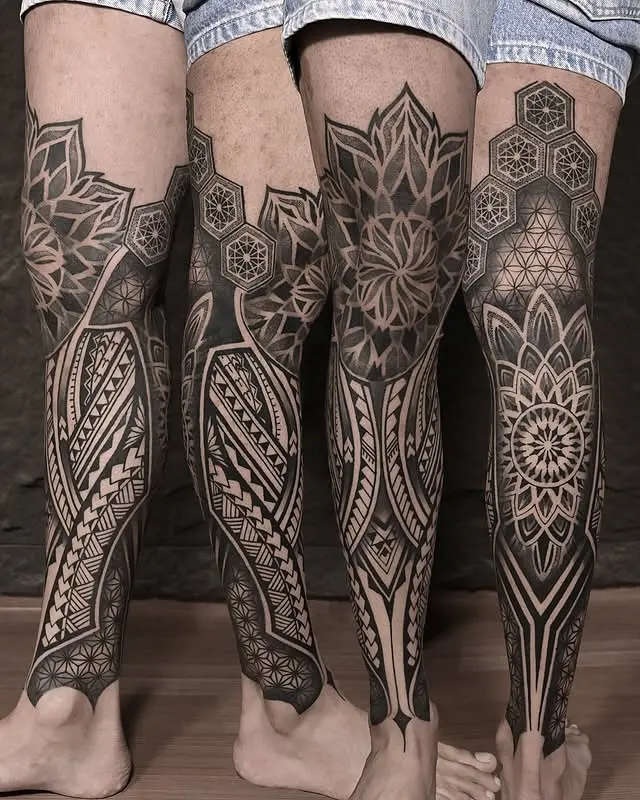
Polynesian tattooing is a sacred, ancestral art form originating from the islands of the Pacific, including Samoa, Tonga, and Tahiti. These intricate, geometric designs serve as a permanent visual language, communicating an individual’s genealogy, social status, and personal achievements. Historically performed with hand-tapping tools, the practice remains a profound cultural rite of passage.
On this page
What is the history of Polynesian tattoos?
Polynesian tattooing, known traditionally as tatau, dates back thousands of years across the vast Pacific triangle. The word "tattoo" itself is derived from the Tahitian term tatau, meaning to strike or tap, reflecting the original method of application. These markings were not merely decorative; they were essential markers of identity within highly stratified societies. In many cultures, receiving a tattoo was a prerequisite for adulthood and a display of spiritual strength.
The practice was nearly eradicated in many island nations during the 19th century due to the influence of European missionaries who viewed the markings as pagan. Despite this, the art form survived through oral traditions and clandestine practices in isolated communities. Today, there is a global resurgence of interest in these designs, driven by a desire to reconnect with ancestral roots and honor the resilience of Polynesian heritage.
How are Polynesian tattoos designed?
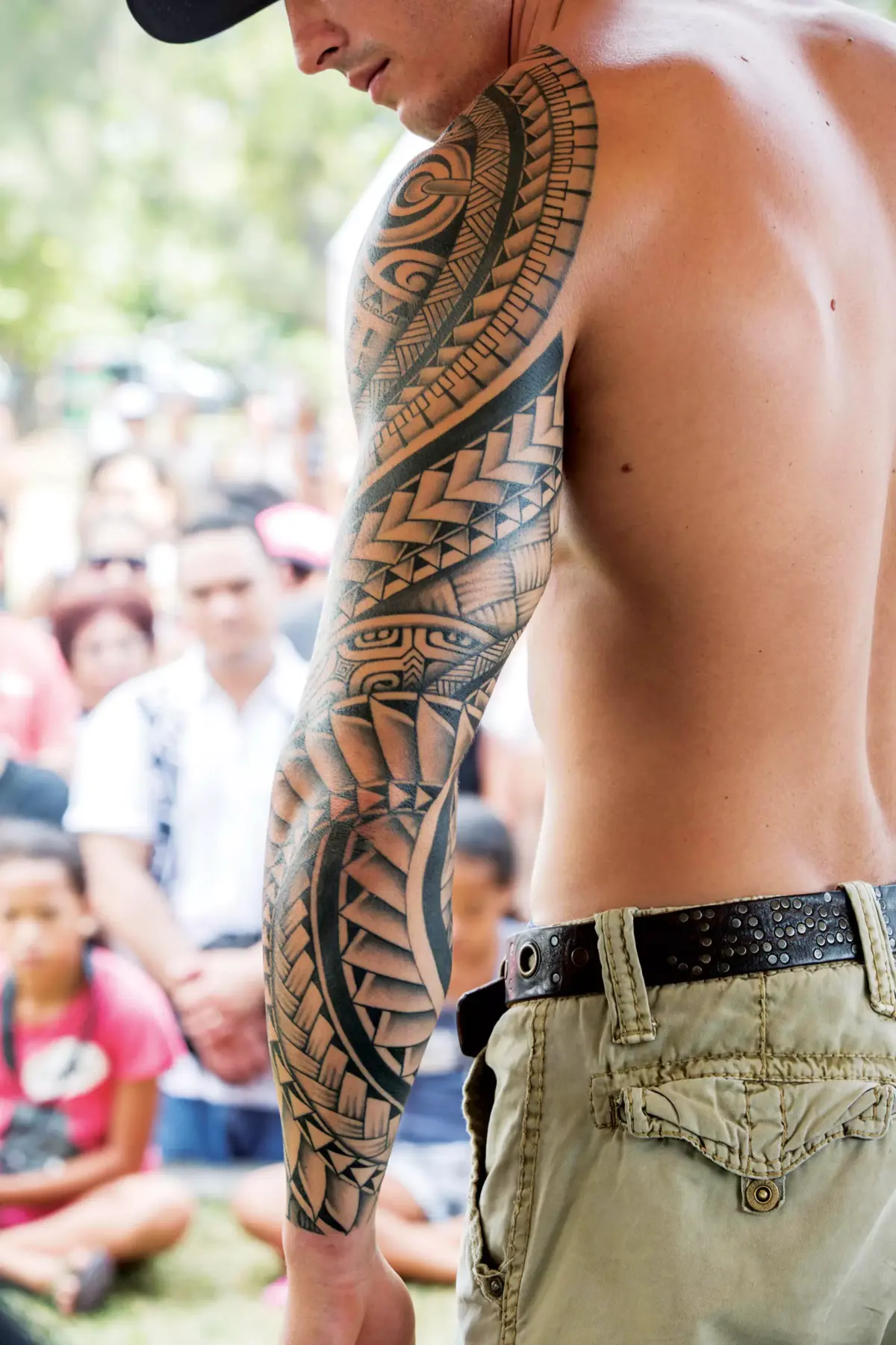
A traditional Polynesian tattoo is a complex composition of symbols that tell a specific story about the wearer. Each motif represents a facet of the individual's life, such as their family lineage, professional accomplishments, or personal character traits. Because these designs are deeply personal, they are rarely copied directly from a catalog or a generic flash sheet.
Common motifs and their meanings include:
- The Enata: Represents human figures and gods, often used to signify family or ancestors.
- The Shark Teeth (Niho Mano): Symbolizes protection, ferocity, and adaptability in the face of challenges.
- The Ocean Waves: Denotes the cycle of life, death, and the connection to the sea.
- The Spearhead: Represents courage, strength, and the warrior spirit.
- The Sun: Often signifies brilliance, leadership, and the continuity of life.
How is a traditional Polynesian tattoo applied?
The traditional method of applying a tatau is a communal and often painful experience that differs significantly from modern machine tattooing. Instead of an electric needle, a master practitioner, known as a tufuga or tahu'a, uses a set of hand-carved combs made from boar tusks or turtle shells attached to a wooden handle. A second stick is used to rhythmically tap the comb into the skin.
The process is highly ritualized and requires immense physical and mental endurance from the recipient. The practitioner and their assistants work in harmony, creating a steady, hypnotic rhythm that is central to the ceremony. This method is not only about the final aesthetic result but also about the spiritual connection formed between the practitioner, the wearer, and their ancestors during the lengthy, often multi-day, application process.
Common mistakes when getting a Polynesian tattoo
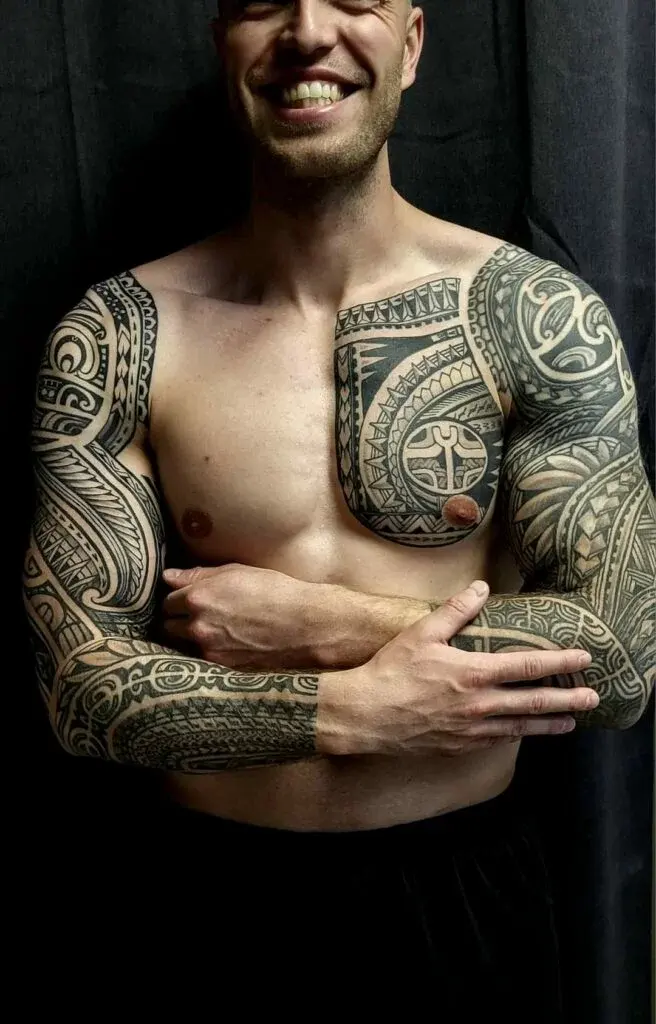
The most significant error individuals make is cultural appropriation. Wearing a Polynesian-style tattoo without a genuine connection to the culture or an understanding of the symbols is often viewed as disrespectful by Pacific Islander communities. It is essential to engage with a practitioner who understands the cultural weight of the designs rather than a generalist tattoo artist who simply mimics the aesthetic.
To ensure a respectful and high-quality experience, follow these steps:
- Research the specific Polynesian culture you are interested in, as Samoan, Tongan, and Marquesan styles have distinct differences.
- Consult with a practitioner who has been trained in the traditional lineage of the art form.
- Discuss your personal history and values so the artist can create a custom design that is unique to your life story.
- Prepare for the physical intensity of the session, especially if you choose the traditional hand-tapping method.
- Respect the sacred nature of the process, which often involves specific protocols or taboos regarding the body and the workspace.
How to care for your Polynesian tattoo
Proper aftercare is vital to maintaining the integrity of the intricate geometric lines and shading characteristic of Polynesian work. Because these tattoos often cover large areas of the body, such as the legs, chest, or arms, the healing process requires patience and consistent hygiene. Following the artist's specific instructions is the best way to prevent infection and ensure the longevity of the ink.
General aftercare guidelines include:
- Keep the tattoo clean by washing it gently with fragrance-free soap and lukewarm water.
- Apply a thin layer of recommended ointment to keep the skin hydrated without suffocating the pores.
- Avoid direct sunlight, swimming, or soaking in hot tubs for at least three to four weeks.
- Wear loose-fitting clothing to prevent friction against the healing skin.
- Monitor for signs of infection, such as excessive redness, swelling, or unusual discharge, and consult a professional if concerns arise.
By adhering to these practices, you ensure that the tattoo remains a vibrant, lasting tribute to the cultural tradition it represents.
Key facts
- The word "tattoo" originates from the Polynesian term tatau, meaning to strike or tap.
- Traditional methods involve using a mallet to tap a comb-like tool, made of bone or boar tusk, into the skin.
- Designs are deeply symbolic, representing a person's genealogy, social status, and life achievements.
- Polynesian tattoos are traditionally applied in specific anatomical zones, with the head considered the most sacred area.
- Modern Polynesian tattoo artists often blend traditional motifs with contemporary needles and ink machines.
- Research the specific cultural meaning of symbols before getting inked to avoid cultural appropriation or misrepresentation.
The bottom line
Polynesian tattooing is a profound cultural practice that serves as a permanent record of an individual’s identity, lineage, and accomplishments. By utilizing intricate geometric motifs and traditional tapping techniques, these tattoos function as a visual language of heritage. Whether choosing a modern interpretation or a traditional hand-tapped piece, honoring the cultural origins and symbolic weight of the designs remains the most important step for any recipient.
People also ask
Is it painful to get a traditional Polynesian tattoo?
Yes, the traditional hand-tapping method is significantly more painful than modern machine tattooing. The process involves repeated rhythmic strikes, which can cause more trauma to the skin and longer recovery times.
What do the common geometric patterns represent?
Patterns like the niho mano (shark teeth) symbolize protection, courage, and ferocity. Other shapes, such as ocean waves or spearheads, represent travel, navigation, and the warrior spirit.
Can anyone get a Polynesian tattoo design?
While many people appreciate the aesthetic, it is widely considered respectful to consult with a Polynesian artist. Some designs are reserved for specific families or social ranks, so obtaining a custom piece is better than copying a sacred pattern.
How long does a traditional tattoo take to heal?
Because traditional tapping causes more skin irritation than modern needles, healing can take several weeks. Proper aftercare, including keeping the area clean and avoiding direct sunlight, is essential to prevent infection and fading.
What is the significance of the placement of the tattoo?
In Polynesian culture, the body is a map of one's life. Tattoos on the legs might represent movement or travel, while tattoos on the chest or arms often relate to family history and personal strength.
How do I find a reputable artist for this style?
Look for artists who have studied under traditional masters or have deep roots in Polynesian culture. Check their portfolios for authentic line work and ask if they are willing to explain the cultural significance of the motifs they use.
This answer was created with the help of AI research tools and reference sources. Spotted an error? Let us know — we correct mistakes quickly. See our editorial policy.