What is the history of tattoos?
Short answer
Tattooing is a permanent form of body modification dating back over 5,000 years. Historically used for tribal identification, spiritual protection, and social status, the practice has evolved from ancient hand-poked rituals into a global art form. Today, it serves as a primary method for personal expression and cultural preservation across diverse modern societies.
On this page
How did tattooing begin in ancient cultures?
The earliest physical evidence of tattooing comes from the "Iceman," Ötzi, who lived around 3300 BCE and was discovered in the Alps with 61 carbon-based tattoos. These markings, located primarily on his joints, are believed to have served a therapeutic or medicinal purpose, possibly acting as a precursor to acupuncture. Ancient Egyptian mummies, particularly those of women from the Middle Kingdom period, also display geometric patterns that suggest tattoos were used to signify status or provide protection during childbirth.
Across the Pacific, Polynesian cultures developed sophisticated tattooing traditions that remain vital today. The word "tattoo" itself derives from the Tahitian "tatau," meaning to strike or mark. In these societies, tattoos were essential markers of genealogy, rank, and life milestones. The process was often a painful, communal rite of passage, utilizing tools made from bone or shell to tap ink into the skin. This practice established the foundational link between body art and social identity.
Why were tattoos used in historical societies?
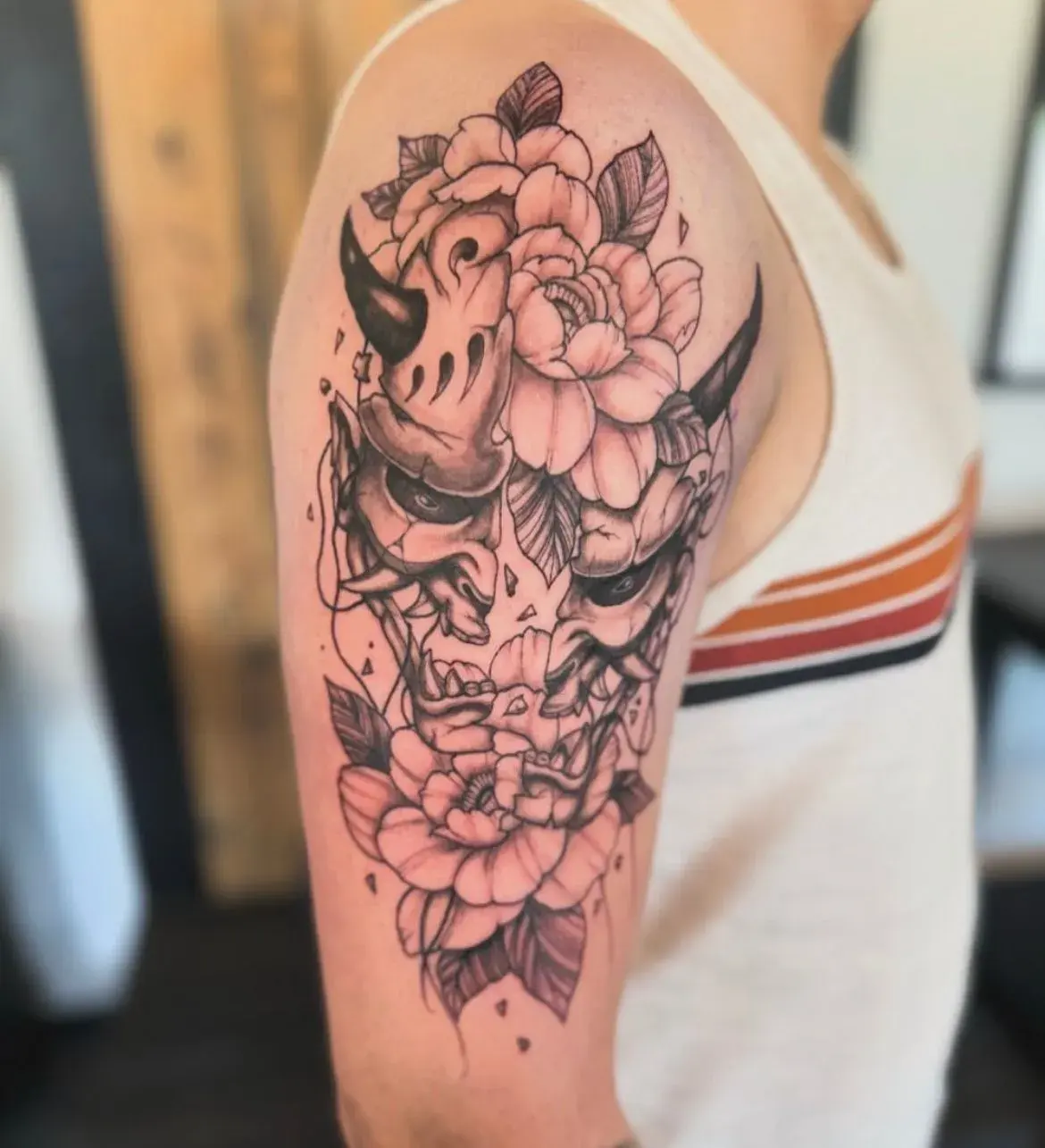
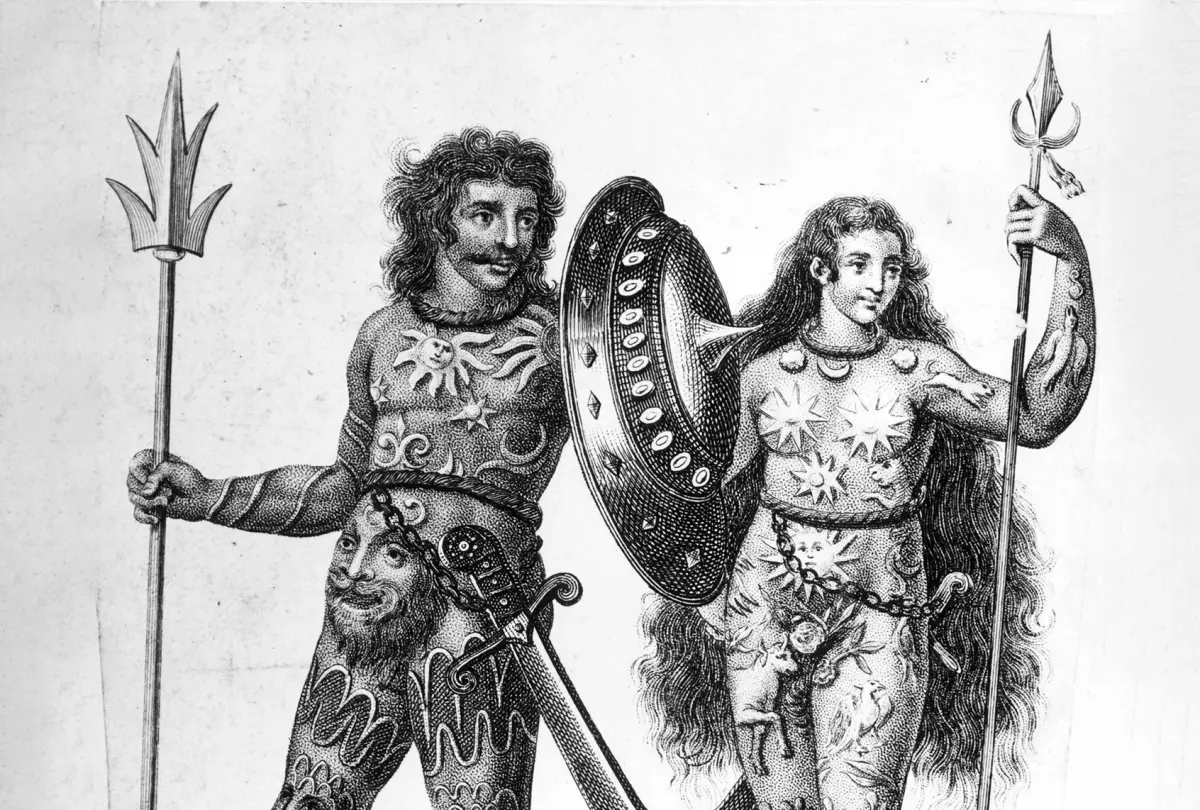
Throughout history, tattoos functioned as a language of the skin, communicating information that words could not. In ancient Greece and Rome, tattoos were sometimes used to mark slaves, criminals, or prisoners of war as a form of punishment or ownership. Conversely, in Japan during the Edo period, decorative tattooing known as irezumi emerged as a high art form, often depicting folklore, dragons, and floral motifs. These elaborate designs were frequently hidden under clothing, reflecting a cultural emphasis on modesty and personal depth.
In many indigenous cultures, tattoos served specific roles:
- Spiritual protection against malevolent spirits or bad luck.
- Proof of bravery during initiation ceremonies or warfare.
- Identification of tribal affiliation or specific family lineages.
- Therapeutic applications meant to heal or strengthen the body.
The transition from these traditional roles to modern aesthetics began as explorers encountered these cultures. As sailors returned from the Pacific in the 18th and 19th centuries, they brought back the practice, blending indigenous techniques with maritime imagery.
How did modern tattooing technology evolve?
The most significant shift in the history of tattooing occurred in 1891, when Samuel O'Reilly patented the first electric tattoo machine in New York City. Based on Thomas Edison’s electric pen, this invention replaced the slow, manual process of hand-poking with a rapid, motorized needle system. This innovation made tattooing faster, more affordable, and more accessible to the general public, leading to the rise of the first professional tattoo parlors in urban centers.
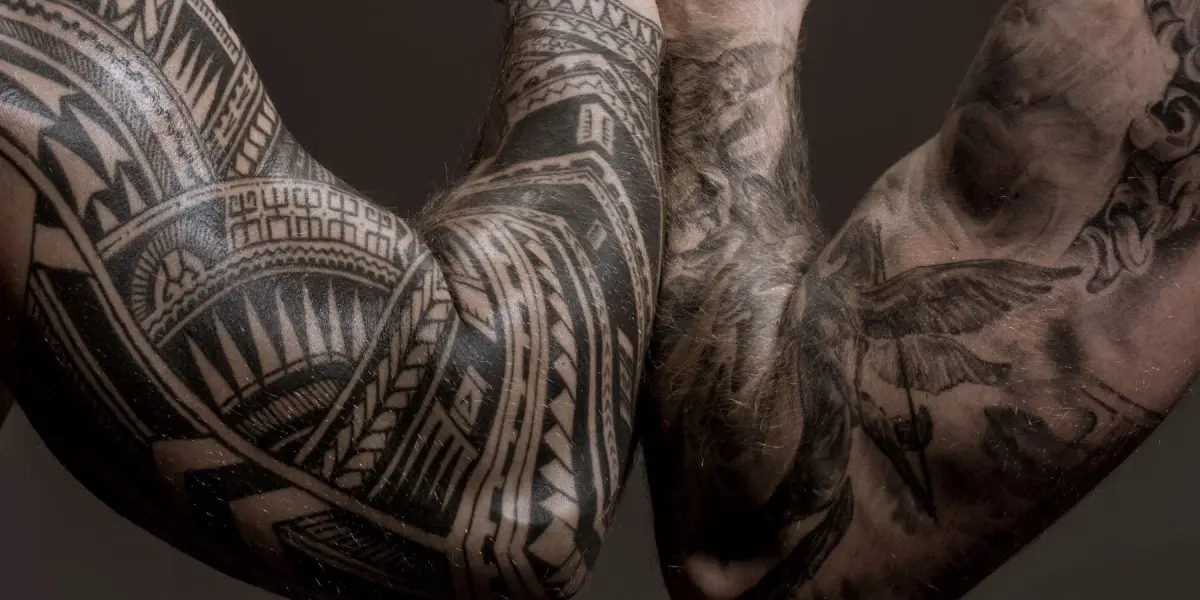
During the 20th century, the technology continued to refine, leading to safer, more precise equipment. The introduction of standardized, sterile inks and disposable needles significantly reduced the risk of infection. Today, artists use rotary and coil machines that allow for incredible detail, shading, and color saturation. This technological leap transformed the medium from a niche practice into a mainstream profession, allowing artists to treat the skin like a canvas for fine art.
What are common mistakes when getting a tattoo?
Choosing to get a tattoo is a permanent decision that requires careful planning and research. Many people make the mistake of prioritizing price over quality, often leading to regret or the need for expensive cover-ups later. A reputable artist should always operate in a sterile environment and be willing to discuss their portfolio and safety protocols before any work begins.
To ensure a successful experience, follow these professional guidelines:
- Research your artist thoroughly by checking their healed work, not just fresh photos.
- Avoid drinking alcohol or taking blood-thinning medication before your appointment.
- Eat a substantial meal beforehand to maintain your blood sugar levels.
- Prepare your skin by keeping it hydrated and protected from sunburn in the weeks leading up to the session.
Ignoring aftercare instructions is another frequent error. Failing to keep the area clean or picking at scabs can cause ink loss and scarring, permanently damaging the final appearance of the design.
How do you care for a new tattoo?
Proper aftercare is essential for the longevity and vibrancy of your tattoo. Once the bandage is removed, usually after a few hours, the area must be washed gently with fragrance-free, antibacterial soap and lukewarm water. Avoid scrubbing the skin, as this can irritate the healing tissue and interfere with the settling of the ink. After cleaning, pat the area dry with a clean paper towel rather than a cloth towel to prevent bacterial transfer.
Maintaining the health of your healing tattoo involves:
- Applying a thin layer of recommended ointment or unscented lotion 2-3 times daily.
- Keeping the tattoo out of direct sunlight to prevent fading and burning.
- Avoiding swimming pools, hot tubs, or baths until the skin is fully healed.
- Wearing loose-fitting clothing to prevent friction against the sensitive, healing area.
If you notice excessive redness, swelling, or signs of infection, consult a professional tattooist or medical provider immediately. Following these steps ensures that your tattoo remains a high-quality piece of art for years to come.
Key facts
- The oldest known evidence of tattooing dates back to the Iceman, Ötzi, who lived around 3300 BCE and had 61 carbon-based tattoos.
- Ancient Egyptians practiced tattooing primarily on women, with mummies from 2000 BCE showing geometric patterns believed to offer protection during childbirth.
- The word "tattoo" entered the English language via Captain James Cook’s 1769 voyage to Tahiti, derived from the Polynesian word "tatau."
- Traditional Japanese tattooing, known as irezumi, evolved during the Edo period (1603–1867) as a status symbol and a form of artistic expression.
- Before getting a tattoo, ensure the studio uses an autoclave to sterilize equipment and only single-use, pre-packaged needles.
- Avoid swimming, sunbathing, or soaking your new tattoo in water for at least two weeks to prevent infection and color fading.
The bottom line
Tattooing is a deep-rooted human tradition that has evolved from ancient ritualistic markings to a sophisticated modern art form. While historical practices often signaled status or spiritual protection, today’s tattoos serve as personal expression. By prioritizing hygiene, choosing skilled professionals, and following diligent aftercare routines, individuals can safely navigate the process of permanently marking their skin while minimizing the risks of infection or long-term complications.
People also ask
Does getting a tattoo hurt?
Pain levels vary based on the location of the tattoo, with areas closer to bone or nerve endings, such as the ribs or feet, generally being more sensitive. Most people describe the sensation as a persistent scratching or stinging feeling.
How long does a tattoo take to heal?
The surface of the skin typically heals within two to three weeks, but the deeper layers can take several months to fully recover. During this time, keep the area clean and apply a thin layer of fragrance-free moisturizer.
Can tattoos be removed?
Laser tattoo removal is the most common method, using light pulses to break down ink particles so the body can flush them out. It often requires multiple sessions and may not completely remove all ink colors.
Are there health risks associated with tattoos?
Potential risks include allergic reactions to ink pigments, skin infections, and the transmission of blood-borne diseases if equipment is not sterile. Always research the reputation and hygiene practices of a studio before booking an appointment.
Can I get a tattoo if I have allergies?
People with sensitive skin or specific allergies to metals or dyes should consult a dermatologist before getting tattooed. It is common to request a small patch test of the ink to see how your skin reacts.
What should I look for in a professional tattoo artist?
Look for an artist with a clean portfolio, a valid license, and a willingness to discuss their sterilization procedures. A professional will prioritize your safety and provide clear aftercare instructions before you leave the shop.
This answer was created with the help of AI research tools and reference sources. Spotted an error? Let us know — we correct mistakes quickly. See our editorial policy.