Who painted The Kiss?
Short answer
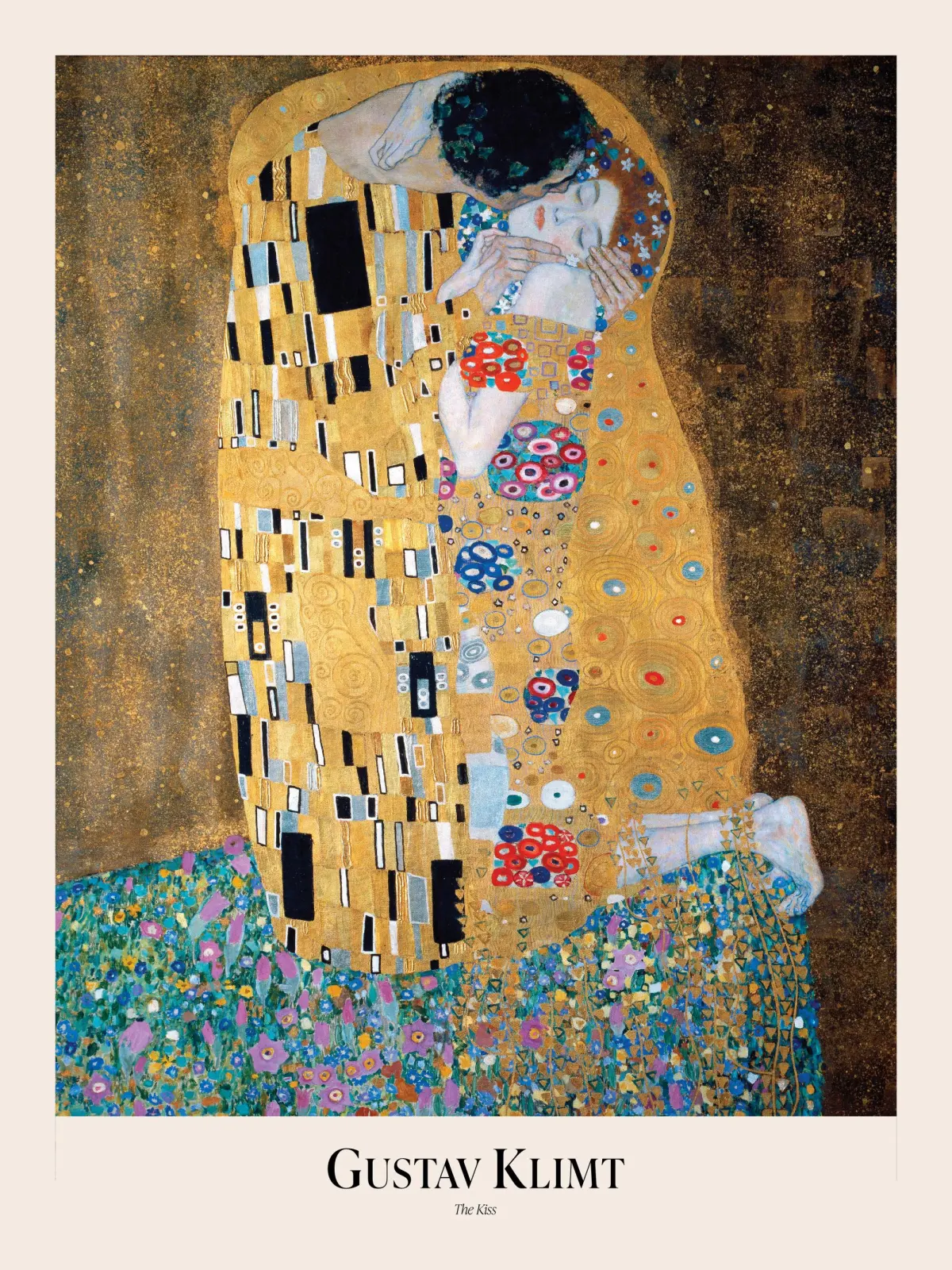
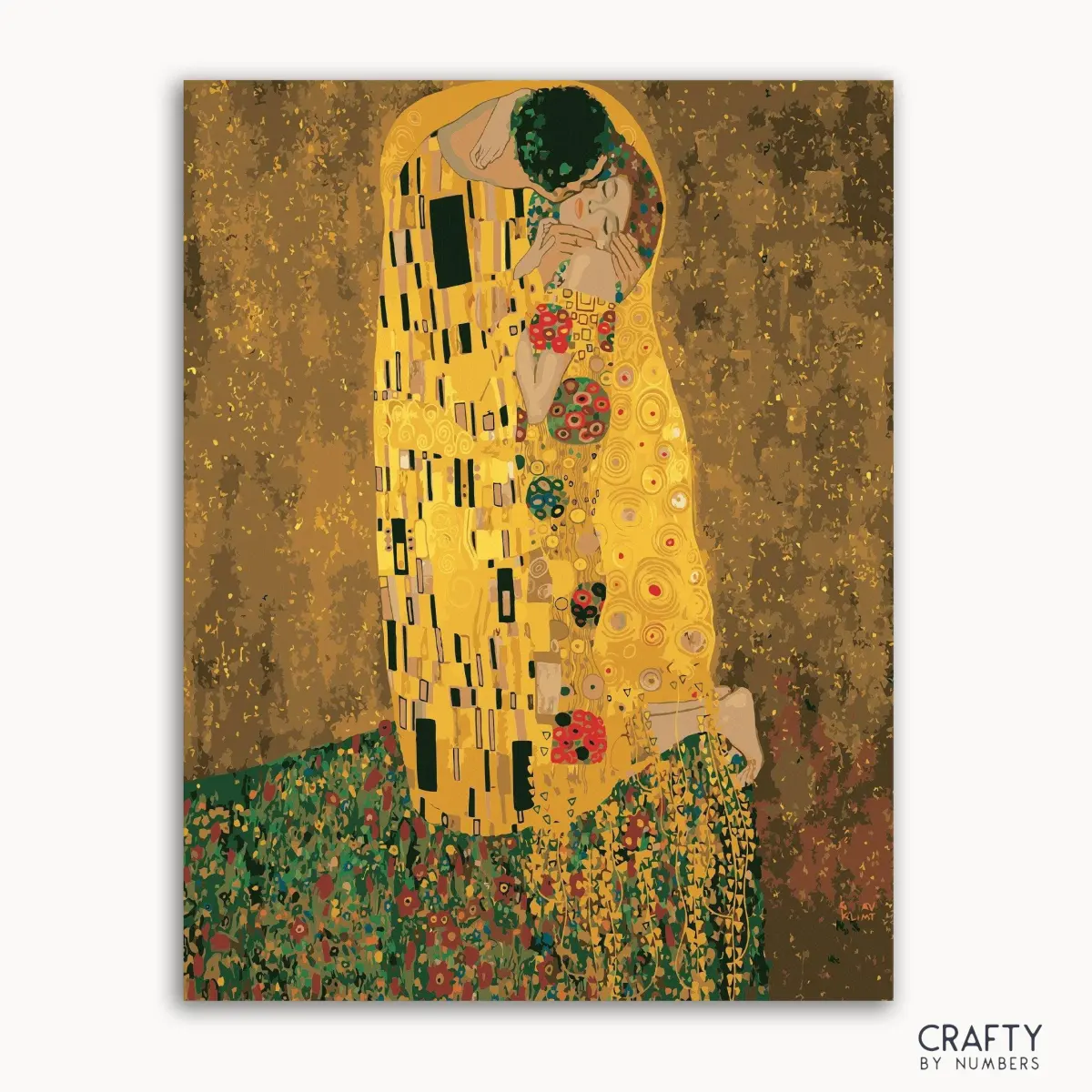
Gustav Klimt, a prominent Austrian Symbolist painter, created the world-famous oil painting titled The Kiss between 1907 and 1908. As a leading member of the Vienna Secession movement, Klimt utilized gold leaf and intricate geometric patterns to define his unique "Golden Phase," making this masterpiece an iconic representation of Art Nouveau style.
On this page
Who was Gustav Klimt?
Gustav Klimt was a central figure in the Viennese art scene during the late 19th and early 20th centuries. Born in 1862 in Baumgarten, near Vienna, he initially trained as an architectural decorator before evolving into a controversial and highly influential painter. He co-founded the Vienna Secession in 1897, a group of artists who broke away from the conservative academic traditions of the time to explore modern, avant-garde styles.
Klimt’s career was defined by his focus on the female form and his exploration of eroticism, which often drew criticism from contemporary society. Despite this, he remained a highly sought-after portraitist for the wealthy Viennese bourgeoisie. His work bridged the gap between traditional realism and the emerging decorative abstraction that would eventually define modern European art. His legacy remains tied to his ability to blend psychological depth with opulent, dreamlike aesthetics.
What is the history of The Kiss?
Klimt painted The Kiss at the height of his "Golden Phase," a period characterized by the extensive use of gold leaf, which he was inspired to use after visiting the Basilica of San Vitale in Ravenna, Italy. The painting depicts a couple locked in an intimate embrace, their bodies hidden beneath elaborate, flowing robes that seem to dissolve into a field of flowers. It was created while Klimt was living in Vienna, a city then experiencing a massive cultural flourishing known as the "Vienna Modern."
The painting was purchased by the Austrian government for the Belvedere Gallery in Vienna before it was even completed. It remains one of the most significant works in the museum's collection today. The piece is celebrated not only for its technical brilliance but also for its profound emotional resonance. It captures a moment of timeless, frozen passion that has transcended its original context to become a universal symbol of romantic love in popular culture.
How can you identify the style of The Kiss?
The style of The Kiss is a quintessential example of the Vienna Secession and Art Nouveau movements. The painting is easily recognizable by its flat, two-dimensional decorative quality, which contrasts sharply with the realistic, three-dimensional rendering of the subjects' faces and hands. Klimt employed a variety of distinct visual elements to create this unique aesthetic:
- Gold leaf application: The use of real gold creates a shimmering, ethereal light that separates the lovers from the mundane world.
- Geometric symbolism: The male figure is adorned with rectangular, masculine shapes, while the female figure features soft, circular, feminine motifs.
- Flattened perspective: The lack of a traditional background emphasizes the decorative patterns and the texture of the garments.
- Organic ornamentation: The floral carpet upon which the figures kneel anchors the scene in nature, suggesting a garden of paradise.
By combining these elements, Klimt created a work that feels both ancient and modern. The intricate patterns on the robes are inspired by Byzantine mosaics and Japanese prints, reflecting the global influences that were circulating in Vienna at the turn of the century.
Where can you see The Kiss in person?
If you are planning to view the original painting, you must travel to Vienna, Austria. It is permanently housed at the Österreichische Galerie Belvedere, located within the Upper Belvedere Palace. Because the painting is considered a national treasure, it rarely leaves the museum for international exhibitions, making a trip to Vienna the only reliable way to experience the work in its full scale and detail.
When visiting the Belvedere to see the painting, keep these practical tips in mind:
- Book your tickets online in advance to skip the long queues at the palace entrance.
- Visit during weekday mornings to avoid the heavy tourist crowds that gather in the afternoon.
- Check the museum website for temporary closures or special exhibition rotations that might affect the display of the painting.
- Allow yourself at least two hours to explore the surrounding collection, which includes other significant works by Klimt and his contemporaries.
Common mistakes when analyzing The Kiss
Many viewers make the mistake of assuming the painting is purely decorative, ignoring the darker, more psychological undertones that Klimt often embedded in his work. While the surface is undeniably beautiful, the painting also explores themes of fragility, the loss of self within a relationship, and the tension between the physical and the spiritual. Avoiding a surface-level interpretation allows for a deeper appreciation of the complexity of the artist's intent.
Another common error is misidentifying the subjects of the painting. While many speculate that the figures represent Klimt himself and his lifelong companion, Emilie Flöge, there is no definitive historical evidence to confirm this. Relying on such unproven biographical narratives can distract from the painting’s broader, more universal themes. To truly understand the work, focus on the visual language of the patterns and the stark contrast between the ornate, heavy gold garments and the vulnerable, exposed skin of the lovers. By looking past the gold, you can see the profound human vulnerability that makes the painting truly timeless.
Key facts
- The painting The Kiss was created by the Austrian Symbolist painter Gustav Klimt between 1907 and 1908.
- It is the most famous work from Klimt’s "Golden Phase," a period characterized by his extensive use of gold leaf.
- The artwork measures approximately 180 centimeters by 180 centimeters and is painted in oil with applied gold and silver leaf on canvas.
- It is currently housed in the Österreichische Galerie Belvedere museum in Vienna, Austria.
- The painting depicts a couple embracing, their bodies entwined in elaborate, decorative robes inspired by the Arts and Crafts movement.
- When viewing the original, avoid using flash photography, as the delicate gold leaf and oil pigments are sensitive to light exposure.
The bottom line
Gustav Klimt’s The Kiss remains an iconic masterpiece of early 20th-century art. By blending intricate gold-leaf ornamentation with intimate human emotion, Klimt transformed a simple romantic embrace into a timeless, ethereal vision. Housed in Vienna’s Belvedere museum, the work defines the artist’s celebrated Golden Phase and continues to captivate audiences worldwide with its decorative complexity, symbolic depth, and profound portrayal of human connection.
People also ask
What does the gold leaf represent in the painting?
The gold leaf reflects Klimt’s interest in Byzantine mosaics and religious iconography. It serves to elevate the figures into a spiritual or transcendent realm, separating the lovers from the mundane world.
Who are the figures depicted in The Kiss?
While the identities are not definitively proven, many art historians believe the figures represent Klimt himself and his companion, Emilie Flöge. Others suggest it may be a more universal representation of romantic love.
Is The Kiss considered part of the Art Nouveau movement?
Yes, the painting is a quintessential example of the Vienna Secession, a branch of the Art Nouveau movement. It features the characteristic flat, decorative patterns and organic, flowing lines associated with that style.
Can I see The Kiss in person?
You can view the painting at the Upper Belvedere palace in Vienna. It is a permanent part of their collection and is displayed in a climate-controlled room to preserve its integrity.
What is the meaning behind the different patterns on the robes?
Klimt used distinct geometric symbols to differentiate the genders. The man’s robe features rectangular, rigid shapes, while the woman’s robe is decorated with soft, circular, and floral motifs.
Why is the painting sometimes called Der Kuss?
Der Kuss is simply the original German title of the work. Because Gustav Klimt was an Austrian artist, the German title is frequently used in international art circles.
This answer was created with the help of AI research tools and reference sources. Spotted an error? Let us know — we correct mistakes quickly. See our editorial policy.